Marketplace accounts for Surat traders
Our marketplace account management in Surat runs the seller panels of saree, dress-material and kurti houses on Meesho, Flipkart, Amazon, Myntra and Ajio, catalogue by catalogue. We work remotely from Gandhi Nagar, New Delhi; your godown, packing and dispatch stay in Surat.
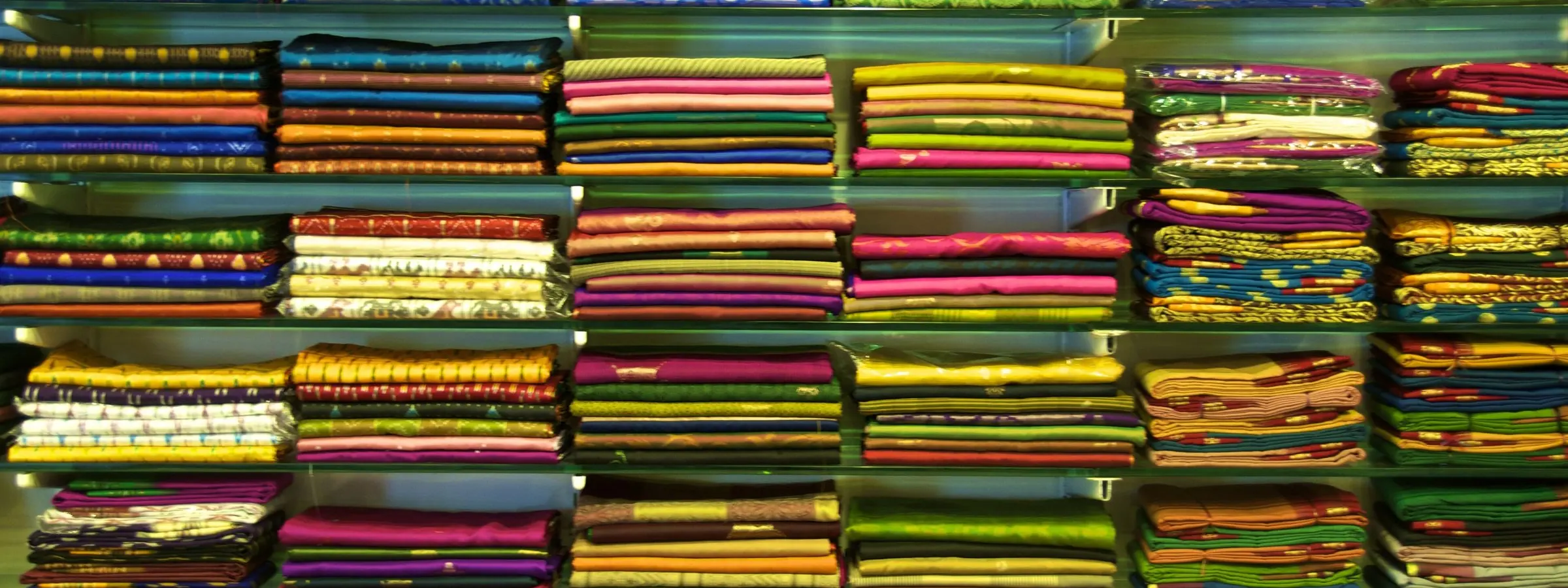
What a Surat seller account runs on
- Marketplaces we run
- Meesho, Flipkart, Amazon, Myntra and Ajio
- Unit of upload
- One design number, its colours as variations
- Claims to expect
- Worn, short or swapped saree returns
- Festive pressure
- Wholesale orders and online stock, same months
- Your access
- User permissions; owner login stays with you
- Run from
- Gandhi Nagar, New Delhi, with no visits
In short
- Marketplace account management for a Surat textile seller is the weekly running of its seller panels: uploads by design number, stock, returns, claims and settlements.
- A Surat trader whose resellers already list its designs should keep separate photographs, or designs of its own, for its own marketplace account.
- Different designs belong in separate listings; colours of one design can share a listing as variations, so ratings and returns stay with the right product.
- Sarees returned without the blouse piece, worn after an occasion or swapped for another piece are claimed with packing photographs and an opening video.
- We run Surat sellers’ marketplace accounts remotely from Gandhi Nagar, New Delhi, through user permissions; stock, packing and dispatch stay with the seller in Surat.
Our marketplace account management in Surat is for saree, dress-material and kurti houses whose catalogues sell well wholesale but drift on Meesho, Flipkart, Amazon, Myntra and Ajio. We run the seller panels weekly from Gandhi Nagar, New Delhi; your godown and dispatch stay with you.
We run brands of our own as well. For Surat sellers, lapsed claims and short payouts deserve the same attention as new orders. A Surat account gets that habit: every design followed from the day it is uploaded to the payout that settles it.
What changes when a Surat catalogue goes online?
A Surat catalogue is built for a wholesale buyer: a set of numbered designs, sold together to someone who resells them. A marketplace account sells those designs one piece at a time, to buyers who can send any of them back.
That turns one sale into many small ones. Each design needs its own listing data, its own stock count and its own return history, and a catalogue that reaches your godown on Monday earns nothing online until its designs are live, priced and counted.
An account that has fallen behind shows it in three places: designs uploaded in a rush and never finished, returns opened by whoever happens to be free, and payouts nobody has matched to orders. Those three set the order of our first month.
Selling beside resellers who already have your photographs
Resellers receive the photographs of each new catalogue, and some of them list those designs on Meesho, Flipkart or Amazon at prices of their own. So a Surat trader opening an account often finds its own designs already there.
When your listing carries the same photograph as several others, buyers compare on price alone, and a marketplace can treat near-identical listings as duplicates. The fix is a decision made before the first upload: what your own account sells, and how it looks different.
- A separate shoot. Your own listings use photographs resellers never receive: the saree draped, the pallu spread, the border close up, all in daylight.
- Designs kept back. Some houses hold a few designs or colourways for their own account and send resellers the rest of the catalogue.
- A brand on the listing. Several sellers can offer one product on a single Amazon listing; brand registration, which needs a trademark, gives you control of what that listing says.
- A floor you can hold. Your lowest price is worked out from commission, freight and returns, not copied from the cheapest reseller.
Who may resell your designs, and where, is settled between you and your resellers. Our part is to keep your listings distinct, watch the price gap each week, and tell you when that gap starts costing you orders.
Design numbers, SKUs and variation families
Every listing starts from the number in your catalogue. We build each SKU, or stock keeping unit, from the catalogue name, the design number and the colour, so your panel, your packer and your settlement report all read it the same way.
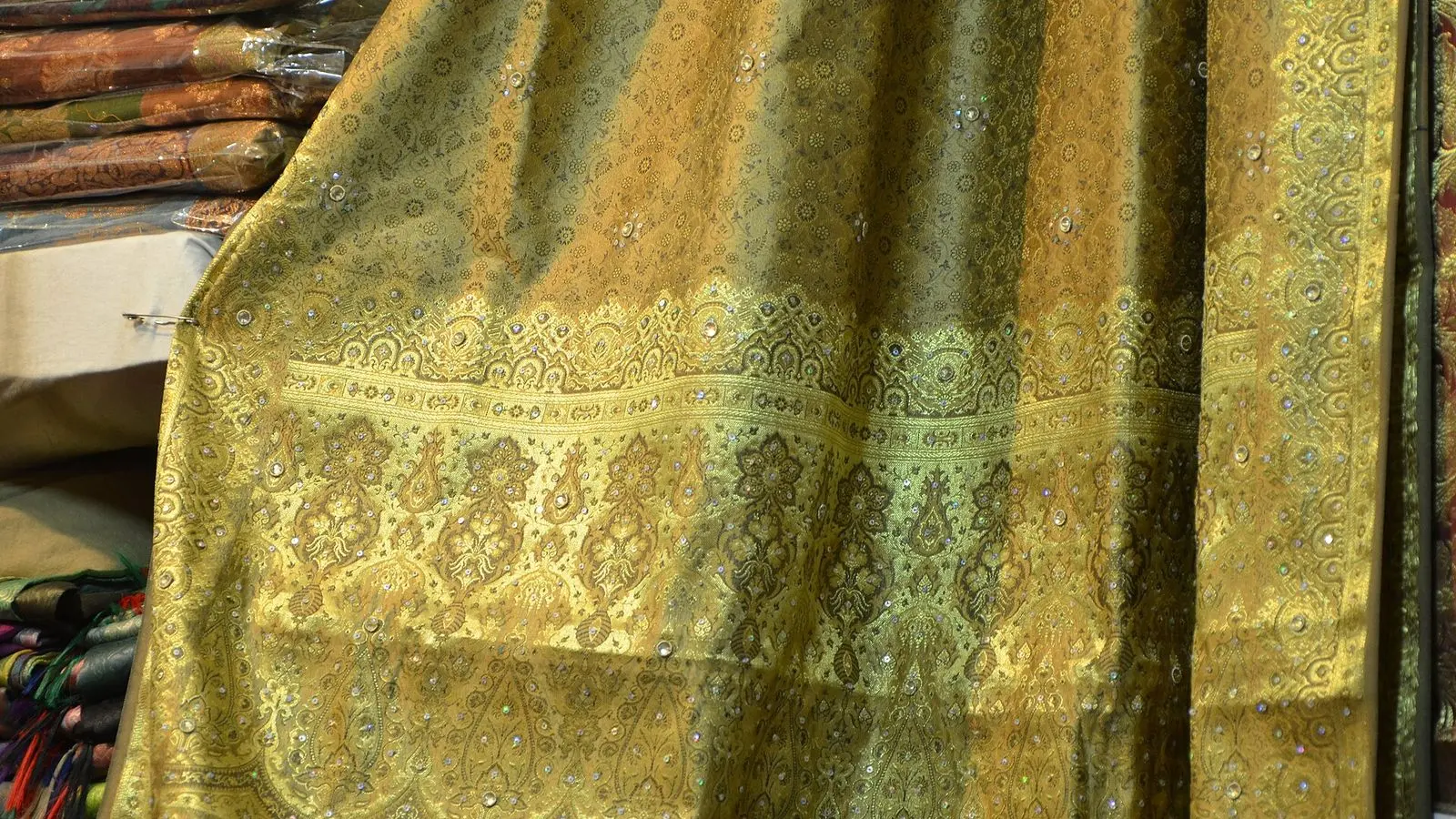
The code follows the saree all the way back. When a return arrives, the tag tells your staff which design and colour it is, which packing photograph to pull, and which listing the return reason belongs to.
Variations follow one rule. On Amazon and Flipkart, the colours and sizes of one design can share a listing; different designs cannot. A family built that way keeps ratings with the right saree and lets a buyer change colour without leaving the page.
A whole catalogue merged into one listing is the usual fault. Reviews of different designs pile together, a return for one design drags down the rest, and untangling the family afterwards is slow work, so we build it correctly at the first upload.
Sets need their pieces written into the record. A saree with its blouse piece, or a dress material with its kurta piece, bottom and dupatta, is one SKU holding several pieces, and the packing check counts every one before the parcel is sealed.
Readymade kurtis, kurta sets and lehengas add size to the family. Each size carries its own SKU and stock count, mapped to the marketplace’s own size values, so the size filter shows a kurti only in the sizes you hold.
Claims for sarees returned worn, short or swapped
On a saree account, unclaimed returns are where money leaves quietly. A saree can come back worn after a function, without its blouse piece, or as a cheaper saree altogether: each is a claim to file, not stock for the shelf.
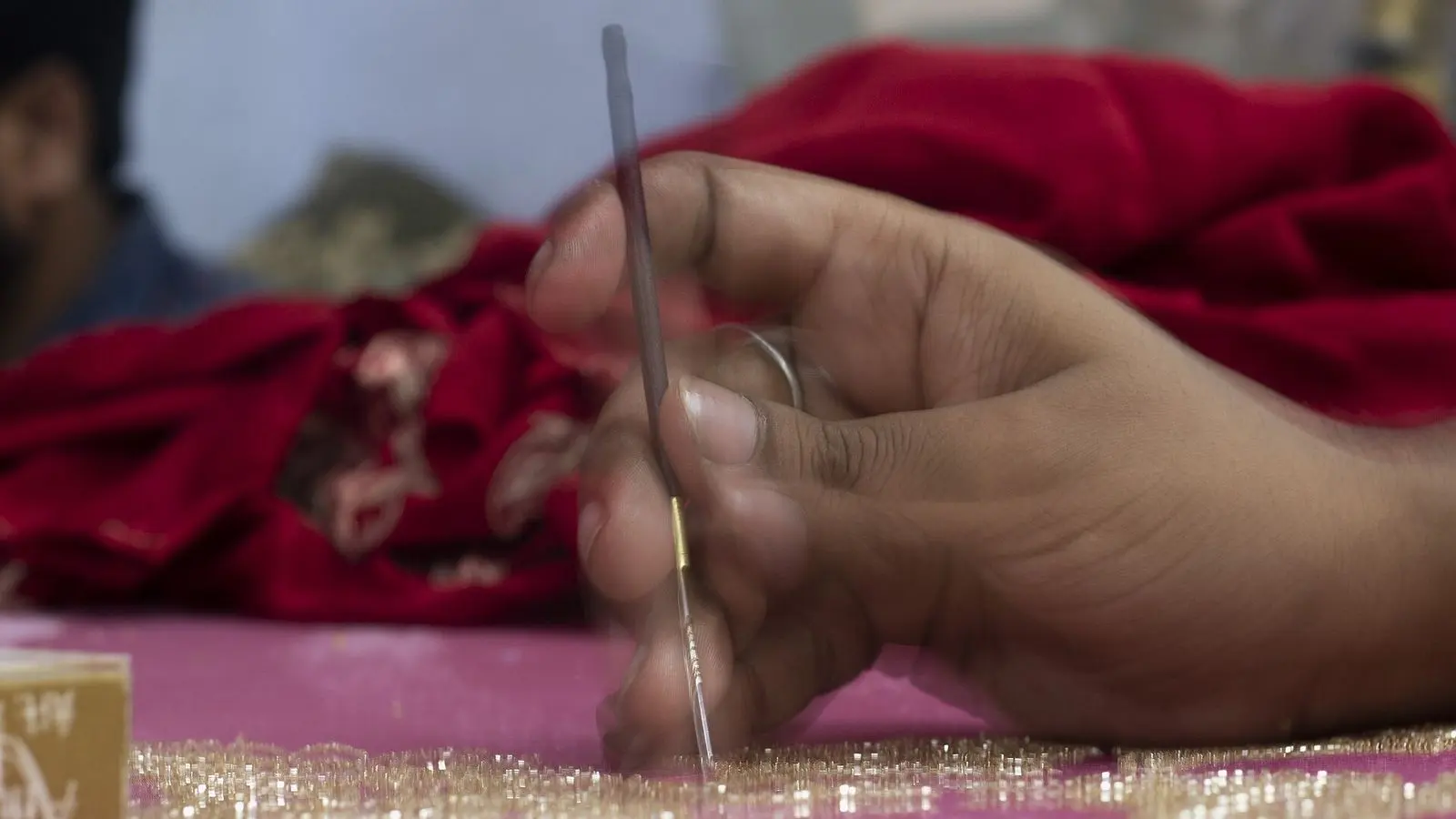
- Worn. Creased pleats, make-up on the pallu, perfume, or a fall stitched on that was not there when it left. Your packing photograph proves the state it went out in.
- Short. A saree back without its blouse piece, or a suit set without its dupatta. The packing photograph has to show every piece together, folded as sent.
- Swapped. Another saree in your packaging. Your design number on the tag, and the photograph of the piece you packed, make the swap plain.
- Damaged in transit. Snagged sequins and crushed zari. These go to a claim, and to the packing guidance we write for your staff.
Each marketplace sets its own time limit and evidence rules, such as Amazon’s SAFE-T claims on seller-shipped orders. Whoever receives returns in Surat records each parcel being opened, outer packaging in view, and sends the video that day.
We file the claim, follow it through the marketplace’s tickets and appeal where a rejection ignores the evidence. Every open claim stays in the weekly report, with its amount, until it is paid or closed; the parcels themselves never pass through our hands.
How much festive stock should stay online?
Enough for every design you keep live through the online festive weeks, set aside before the wholesale lots leave. Surat’s wholesale buyers stock festive catalogues early, and an online quantity that is not held back gets sold to them first.
Online buying comes later and in a different shape. It gathers around the marketplaces’ festive sale events, which usually fall in September and October, and it buys single pieces in every colour rather than full catalogues.
- Reserve. An online quantity for each festive design and colour, agreed with you before the wholesale orders are packed.
- Commit. Deals for Flipkart’s shopping festivals and Amazon’s Great Indian Festival are submitted ahead of the events, and the stock you commit must exist when they open.
- Route. Handling times are set for the farthest buyers, because a saree bought for Durga Puja in the east or Karva Chauth in the north must arrive before the day.
- Retire. When the last safe delivery date for a festival passes, designs bought only for it come off sale until the next season.
Durga Puja pulls Surat sarees east, to buyers who want them before Shashthi, the sixth day, when the main Puja days begin. Our page on ecommerce services in Kolkata covers how the season sells from that side.
Where sponsored ads run on festive designs, their budgets are set against the same reserve; our page on performance marketing in Surat covers that planning.
Commission, tax codes and settlements on textile listings
A textile account leaks money in three places: the category a listing sits in, the tax code on it, and the settlement that pays for it. We check all three, design by design, every month.
- Category. Commission and fees are set by category, so a saree placed in the wrong one can be charged the wrong rate and miss the right filters. We check placement at upload and fees at settlement.
- Tax code. Sarees and dress materials are often classified as fabric, kurtis and lehengas as garments. We enter the HSN code and rate your advisor confirms for each product and check that every marketplace applies it.
- Payout. Every settlement is matched to its orders, refunds, fees and deductions; short payments, wrong fees and claims approved but never credited become tickets, tracked until they close.
At the time of writing, readymade garments carry GST at 5% where the sale value is up to ₹ 2,500 a piece and 18% above it, so a festive deal can move a lehenga between the two rates; your advisor sets the rule.
A house that sells wholesale and online keeps two sets of figures: bills from the godown, and marketplace payouts with TCS, tax collected at source under GST, withheld. Your accountant gets a monthly summary by marketplace to claim it; we do not file returns.
How marketplace account management in Surat runs remotely
The panels are worked from Gandhi Nagar, New Delhi, and nobody needs to travel to Surat. You add us as a user on each marketplace and keep the owner login, the registered mobile number and the bank account; uploads follow your catalogue days.
Each week brings a short report and a call: designs uploaded, claims filed and paid, settlement gaps, account health and the decisions we need from you. It opens with one figure, the money the marketplaces paid set against what your orders say they owe.
From you, we need:
- catalogue sheets with each design number, fabric, length, work and blouse-piece details;
- a cost and a floor price for every design;
- a daily online stock figure, or access to the tool that holds it;
- packing photographs and return videos, sent as they happen;
- one person who decides prices, deals and what resellers receive.
When a description and the cloth might disagree, start with daylight photographs and measurements; confirm any physical sample review with us before posting a piece of the new fabric.
The first month on a Surat account
- Read. Listings, open claims, unmatched payouts, account health and return reasons on each marketplace, design by design.
- Agree. Floor prices, the online reserve, which designs stay with your own account, and who opens returns at your end.
- Clear. Claims still inside their windows first, then unpaid orders, then half-finished uploads.
- Run. Uploads for each new catalogue, daily checks, the weekly report and a monthly settlement close.
The fee turns on how many catalogues you launch a month, how many marketplaces carry them and which tasks are in scope. It is quoted after the read, with GST at 18% on its own line.
The method in full is on our marketplace account management services page, and size charts and return reasons for kurtis and lehengas on our page about selling clothes online in India.
Everything else we run for the city is on our page about ecommerce services in Surat. To begin, send us your marketplaces and how often a new catalogue arrives.
Account work for Surat textile houses
Meesho supplier panels
Value catalogues uploaded design by design, priced after commission and return losses, with claims filed inside Meesho’s own windows.
Flipkart and Amazon accounts
Sarees and suits listed with fabric, work and occasion filled in, and deal prices checked against your floor before each sale event.
Myntra and Ajio for labels
Brand approval, style codes and size charts for Surat labels whose kurtis, lehengas and sarees carry a name of their own.
Return claims and settlements
Returns matched to packing photographs, claims filed for worn or incomplete sarees, and every payout reconciled, with TCS summarised monthly.
A storefront beside them
A Shopify or WooCommerce store for your label, its stock kept in one count with the marketplaces.
Ad budgets from margin
Sponsored ads and festive budgets planned from each design’s margin and paced against the online reserve.
Questions Surat sellers ask about accounts
How much does marketplace account management cost for a Surat seller?
Can I sell on Meesho if my resellers already list my designs there?
Should each colour of a saree design be a separate listing?
How do I claim for a saree returned without its blouse piece?
What can I do when a lehenga comes back worn after a wedding?
Which HSN code should I use for sarees on Flipkart and Amazon?
How much festive stock should I keep for online orders?
Can a Delhi company manage my Surat seller account without visiting?
The same service in other cities
- Delhi NCR
- Mumbai
- Bengaluru
- Hyderabad
- Chennai
- Kolkata
- Pune
- Ahmedabad
- Panipat
- Karur
- Solapur
- Varanasi
- Bhadohi
- Moradabad
- Firozabad
- Saharanpur
- Jodhpur
- Agra
- Kanpur
- Kolhapur
- Meerut
- Jalandhar
- Channapatna
- Sivakasi
- Kannauj
- Mysuru
- Srinagar
- Amritsar
- Tiruppur
- Kochi
- Coimbatore
- Jaipur
- Lucknow
- Ludhiana
- Indore
- Marketplace accounts across India
Tell us how your Surat catalogues sell.
Send the marketplaces you sell on, how often a new catalogue arrives and where returns hurt most. We read your panels, then reply with a written scope, the backlog we found and a quote.