
Ecommerce · 16 Oct 2026
Marketplace or D2C: where to start
Where a brand’s first orders should come from: what marketplaces and D2C storefronts cost, what each controls, and when to run both.
In short
How to sell on Myntra starts before any listing: Myntra approves brands, not products, so you apply with a brand, a catalogue built to its standards and stock to support it, then run returns and sale events tightly enough to keep the margin.
Ajio works in a similar way, and we compare the two near the end. Both platforms change their onboarding rules, fees and selling models, so confirm each detail with the platform before you commit stock or a photo shoot to it.
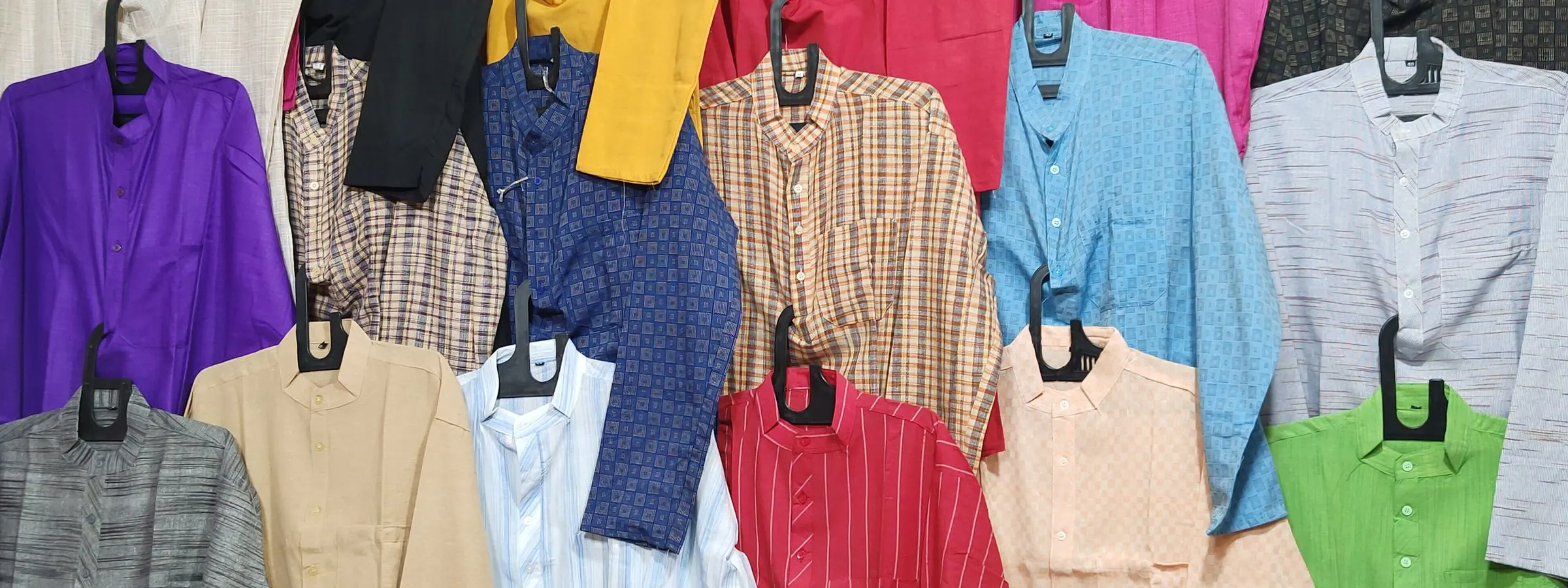
Myntra suits clothing, footwear and accessory brands with a defined style, consistent on-model photography and a price that can carry fashion returns. It suits less well loose, unbranded products sold on price alone, which belong on the generalist marketplaces.
Myntra shoppers browse by style, brand and discount as much as they search, so a new label with strong imagery can be found without a known name. The other side of that is a high bar for the catalogue and a steady flow of returns.
If your range is value-priced everyday wear, Meesho or the generalists may fit better; our page on how to sell clothes online in India sets the channels side by side.
A brand with its own identity, a trademark, a range deep enough in styles and sizes to fill a catalogue, photography to Myntra’s standards, and prices that sit where its shoppers buy. The application is judged as a brand, not product by product.
If you are building the brand from scratch, our guide on how to start a clothing brand in India covers the steps before an application, from the trademark to the first production run.
Stock can come from your own production or through our private label service, which produces garments under your brand through partner units, to the size chart you approve at sampling.
GST registration, PAN, a bank account in the business’s name, trademark documents, and, if you sell another brand’s goods, that brand’s authorisation. Keep them in matching names, along with your product details.
| Keep ready | Notes |
|---|---|
| GSTIN and PAN | In the same business name as the bank account |
| Bank account | For payouts, with proof such as a cancelled cheque |
| Trademark | Registration certificate or application for your brand name |
| Brand authorisation | Only if you sell a brand you do not own |
| Catalogue sample | Images that show your range and the standard of your photography |
| Product data | Style codes, MRP, HSN codes, GST rates, fabric and size details |
| Label photographs | Tags and packs showing the Legal Metrology declarations |
GST on clothing depends on the price per piece. Our article on GST on readymade garments explains how the rate follows the selling price, which matters when sale discounts move a price across the line.
Through the Myntra Partner Portal, where brands apply to sell. The steps as they stood at the time of writing:
Approval is Myntra’s decision and can take time. A clear range, a trademark and photography that already meets its standards make the case easier. If you are turned down, ask what would change the answer, and fix that before reapplying.
The one that matches who you want holding the stock and handling returns. Myntra offers more than one model: in some, you hold stock and pack each order for Myntra’s logistics to collect; in others, your stock moves into Myntra’s own network.
Each model changes three things: who stores, packs and ships; who receives and checks returns; and when and how you are paid. Ask for the terms of each in writing, and price for the one you accept.
If you hold stock, packing and dispatch are your team’s daily work, to Myntra’s packaging rules. We do not store, pack or ship orders; that stays with you or with Myntra’s network, and we run the account side.
On-model images to Myntra’s specification, complete style attributes, size charts in its format, and colour names from its own list. Fashion catalogues are judged on consistency, so every style should look as if it belongs to the same brand.
Built once to the stricter of the two standards, a catalogue can be adapted for Ajio and your own storefront rather than rebuilt. Our catalogue and listing service builds it from one master record and writes it out for each platform.
Through complete attributes, so they appear in filtered browsing; through freshness, because shoppers can sort for new arrivals; and through sponsored placements where the margin allows. Ratings and low returns then keep them in view.
Commission that varies by category and price band, fixed or logistics fees, return-related charges and, if you advertise, sponsored placements; the selling model changes which apply. The rate card for your category, in your agreement and the portal, is the source.
Fashion adds two costs that other categories feel less: discounts, because sale events set the price many shoppers wait for, and returns, because fit is decided after delivery. Price each style so its margin survives both.
Work it out per style: the selling price after discount, less GST, less fees, less the cost of returns spread across kept orders, less ads, less landed cost. Payouts arrive net of fees and of TCS under GST and TDS under income tax.
Read return reasons by style every week, fix the listing behind them, and claim for anything that comes back used, damaged or swapped. In fashion, returns are part of the model; the question is which ones you can prevent.

Myntra sets return and exchange terms by category, and some returns are checked at the buyer’s door before pickup. Tamper-evident tags and photographs of packed orders give your claims the evidence they need.
Our marketplace account management services run this weekly loop on Myntra and Ajio: returns logged against reasons, claims filed and followed, and listings corrected at source.
Months ahead, by size as well as by style. Myntra’s End of Reason Sale and its festive events concentrate demand into a few days, and participation, prices and stock are agreed before they start.
Our guide to festive sale planning covers the wider season across marketplaces, ads and stock.
Apply where your range fits first, then add the other once returns and margins are under control. Both are curated fashion platforms that approve brands before listing, and a catalogue built to the stricter standard serves both.
| Compared on | Myntra | Ajio |
|---|---|---|
| How you get on | Brand approval through the Partner Portal | Brand approval through its own seller onboarding |
| Catalogue | On-model imagery, style codes, Myntra’s size and colour lists | On-model imagery and attributes to Ajio’s templates |
| Selling models | More than one; decides stock, returns and payment | More than one; the same questions apply |
| Sale calendar | End of Reason Sale and festive events | Its own sale events through the year |
| Often suits | Branded western and ethnic wear, footwear, accessories | Design-led labels, ethnic and western |
Many brands sell on both. What differs in practice is the audience each platform has built, its sale calendar, and the commercial terms offered to your brand, so compare the written terms rather than reputations.
Footwear and accessories follow the same approval route on both platforms, with size problems of their own; our page on selling footwear online in India covers them.
Myntra approves the brand first. The catalogue is the brand’s application.
Most are visible before the first order, in the application or the catalogue. Each one costs either the approval or the margin later.
When the application keeps stalling, when returns outpace your ability to read them, or when a sale event needs more hands than you have. Keep the portal login, bank details and trademark in your own name, whoever does the work.
We are an operator, not an agency: we run brands of our own as well, and work from the seller’s side. For apparel brands, our garments arm can also supply the stock, through wholesale lots or private label.
Tell us about your range and where you sell today, and we will reply with what an application needs and what we would take on.
We build catalogues to each fashion platform’s standards from one master record: style codes, attributes, measured size charts, image checks and uploads.
Where a brand’s first orders should come from: what marketplaces and D2C storefronts cost, what each controls, and when to run both.
What to check before anyone runs your marketplace accounts: access and permissions, weekly reporting, settlement reconciliation, account health and exit terms.
A step-by-step guide to selling on Amazon India: documents, Seller Central registration, shipping routes, listings, fees, first orders and suspension risks.
Tell us what you sell and where. We reply with our questions and a scope, with GST on its own line.