Ecommerce services in Mysuru
Our ecommerce services in Mysuru help the city’s silk saree sellers, agarbatti makers and craft workshops sell online across India, on marketplaces and on stores of their own. We run the accounts, listings and ads remotely from Gandhi Nagar, New Delhi; stock and dispatch stay in Mysuru.
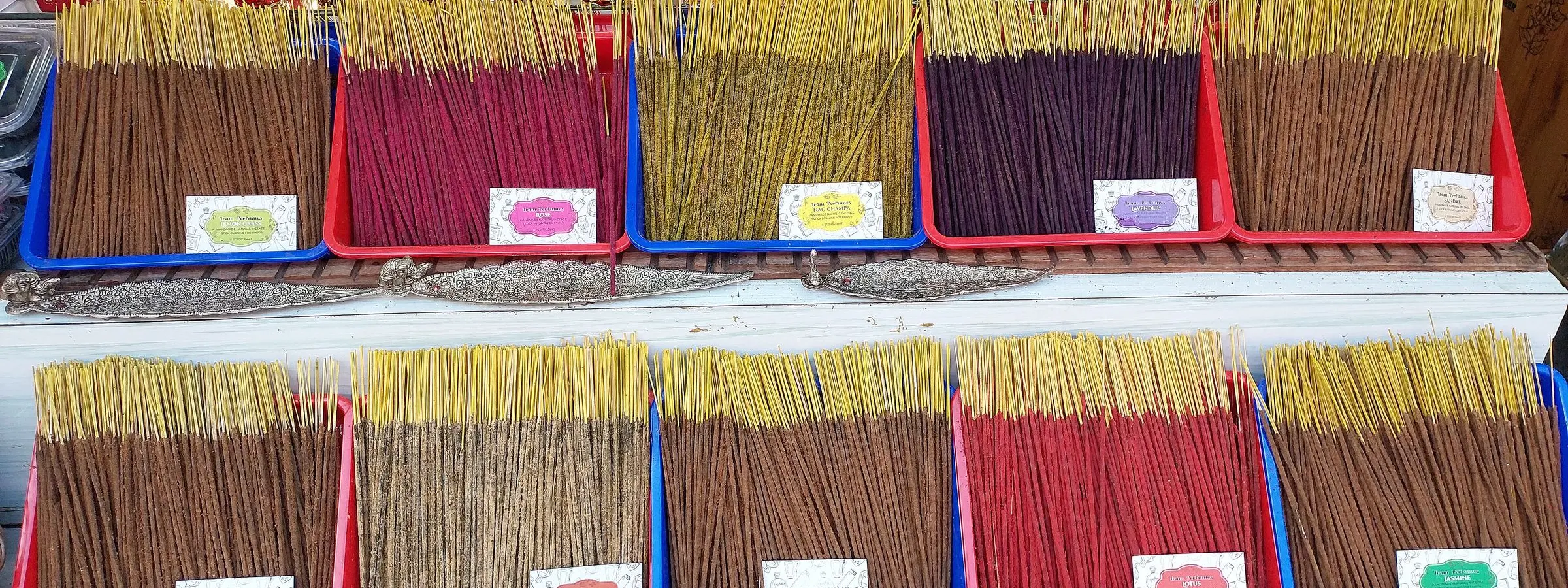
Mysuru’s trades, as they meet ecommerce
- Known for
- Silk sarees, agarbatti, sandalwood crafts, rosewood inlay
- GI names
- Mysore Silk, Agarbathi, Rosewood Inlay and more
- Demand dates
- Dasara, Varamahalakshmi, Deepavali, Sankranti, weddings
- Marketplaces to start
- Myntra, Ajio for silk; Amazon, Flipkart for incense
- Language to test
- Kannada creative for buyers in Karnataka
- How we work
- Remotely, from Gandhi Nagar, New Delhi
GI names need the product to qualify; your adviser confirms what each of your products may carry.
Silk, incense and crafts, sold online
Marketplace accounts, run weekly
Myntra, Ajio, Amazon, Flipkart and Meesho accounts run weekly: listings, prices, stock, returns, claims and settlements.
A store for your label
A Shopify or WooCommerce store for silk collections, incense refills and gift boxes, with Kannada pages where they help.
Listings that name things honestly
Silk, zari, fragrance and wood described as they are, with GI names used only where the product qualifies.
Ads for Dasara and weddings
Google, Meta and marketplace ads paced to Dasara, Varamahalakshmi and the wedding months, judged on orders kept after returns.
Garment lots from Delhi
Readymade garments sourced in Gandhi Nagar for Mysuru shops, quoted by the piece and handed to your transporter.
In short
- Ecommerce services in Mysuru help silk saree, agarbatti, sandalwood craft and rosewood inlay sellers list, price and advertise online for buyers across India.
- Mysore Silk, Mysore Agarbathi and Mysore Rosewood Inlay are registered geographical indications, so those names belong only on products entitled to them.
- Mysuru’s selling year turns on Dasara, which draws visitors from across India, with Varamahalakshmi, Deepavali and the wedding months around it.
- An agarbatti listing should state the stick count or net weight, the fragrance, whether the sticks are masala or dipped, and a measured burning time.
- We work with Mysuru sellers remotely from Gandhi Nagar, New Delhi; looms, workshops, stock and dispatch stay in Mysuru.
Our ecommerce services in Mysuru are for the city’s silk saree weavers and sellers, its agarbatti makers and its sandalwood and rosewood inlay workshops, who want to sell online to buyers across India as well as to the visitors who come to the city.
Mysuru’s trades carry its older name. Mysore Silk, Mysore Agarbathi and Mysore Rosewood Inlay are registered geographical indications, and so are Mysore Traditional Paintings and the Ganjifa cards of Mysore. The city is also known for its sandalwood crafts.
Each of those trades sells differently online. A silk saree is fashion, judged on drape and zari; incense is a small consumable bought again and again; inlay and carving are gifts and décor, heavy, fragile and priced for the hours of work in them.
We are an operator, not an agency: we run brands of our own as well. For Mysuru sellers, fees, returns and claims belong in the same review as sales. We work with Mysuru sellers remotely from Gandhi Nagar, New Delhi.
How do Mysuru’s GI names work online?
A geographical indication, once registered, links a product’s name to its place and its way of making. Mysore Silk, Mysore Agarbathi and Mysore Rosewood Inlay are on the register of geographical indications, so each name belongs to products that meet its registered description.
Only the registered proprietor and authorised users have the right to use such a name. Before Mysore Silk or Mysore Agarbathi goes into a title, ask your adviser whether your product is entitled to it, and keep the papers that show it.
- Entitled. Use the name exactly as registered, in the title and the description, and keep the evidence ready in case a marketplace or a buyer asks.
- Not entitled, or unsure. Describe the product by what it is: a pure silk saree with a zari border, hand-rolled masala incense, a rosewood panel with inlaid figures.
- Made elsewhere. A saree woven or an incense stick rolled in another city is not a Mysore product, whatever it resembles.
Shoppers buying from Mysuru often look for the place name, which is exactly why it must be used carefully. A listing that borrows a name it is not entitled to invites complaints, returns and action from the marketplace.
Which marketplaces suit Mysuru’s goods?
Silk sarees belong on Myntra and Ajio as well as Amazon and Flipkart; agarbatti and personal care sell mainly on Amazon, Flipkart and Meesho. Inlay and carving sell on Amazon and Flipkart too, and better still on your own store.
| Product | Where it starts | What to watch |
|---|---|---|
| Silk sarees | Myntra, Ajio, Amazon, Flipkart | Brand approval, silk and zari claims, wear-and-return |
| Agarbatti | Amazon, Flipkart, Meesho | Per-order fees on low prices; broken sticks |
| Sandalwood soaps and oils | Amazon, Flipkart | Cosmetics licence, claims, leaks in transit |
| Carving and inlay | Amazon, Flipkart, own store | Weight, fragility, freight both ways |
Myntra and Ajio approve brands before they list and expect consistent photography, so a silk label needs a look of its own before it applies. Our marketplace account management in Mysuru covers the weekly running of each account, from onboarding to claims.
What should a Mysore silk saree listing say?
A silk saree listing should say what the silk is, what the zari is, how the saree is woven and finished, its length and blouse piece, and how to care for it. Shoppers paying for silk check every one of those details.
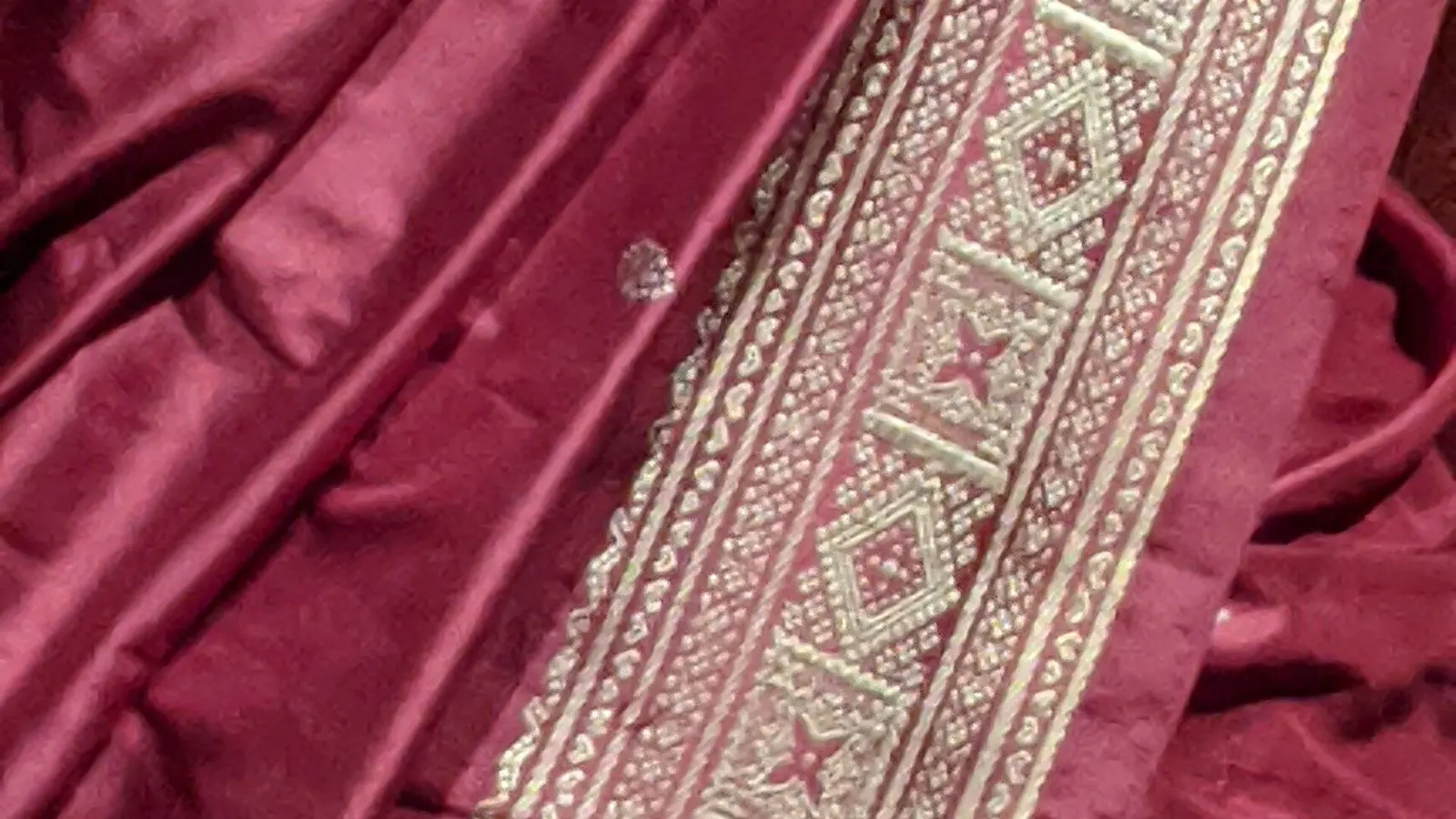
- Silk. Pure mulberry silk, a blend, or art silk, named as the weaver states it. Where your weaver supplies Silk Mark labels, show the tag in the photographs.
- Zari. What the zari is, as your supplier’s or tester’s papers describe it, and where it sits: border, pallu or body.
- Weave and weight. A light, soft drape or a heavier silk, in plain words, because weight decides how it falls and when it is worn.
- Length and blouse piece. The saree length, and whether a blouse piece is included, matching or contrasting.
- Care. Dry cleaning for zari and silk, folded storage, and how to keep the zari from tarnishing.
A Mysore silk saree is often a single colour with a zari border, so the colour has to be right on screen. Photograph the body, border and pallu in daylight, unfiltered, beside the saree draped, because a buyer orders the shade she sees.
Name the occasion in the title as buyers search for it, Varamahalakshmi, a wedding or a festival, and keep the colour name plain: maroon, mustard or bottle green, not a name only your shop uses.
Silk sarees are bought for occasions and can come back worn. Tamper-evident tags and a photograph of every packed order are the defence. Our page on how to sell clothes online in India covers fashion returns in detail.
How should agarbatti be listed and packed?
An agarbatti listing should state what is in the pack and how it burns: the stick count or net weight, the fragrance, whether the sticks are masala or dipped, the stick length and a burning time you have measured yourself.
- Masala or dipped. Masala sticks are rolled with a paste of herbs, resins and wood powder; dipped sticks are perfumed after the stick is made. Buyers who know the difference look for it.
- Fragrance. Named as it is: sandalwood, jasmine, rose or a blend, with a fragrance described as a fragrance, not as the material it imitates.
- Count and size. The number of sticks or the weight as the pack declares it, and the stick length, so a buyer can compare packs.
- Burning time. Measured on your own sticks, and stated as approximate.
Every pack carries the Legal Metrology declarations, net quantity among them, and the listing repeats them apart from the month and year.
Check whether a BIS quality control order covers your product before you list, and keep claims such as natural or chemical-free to what your papers support.
Incense breaks and its scent travels. Sticks go in a rigid pack so they arrive whole, and multipacks are sealed so the fragrance does not reach anything else in a shared parcel. We write the packing guidance; your team packs and ships.
Incense is bought again when it runs out, so it suits multipacks on marketplaces and refill offers on your own store. Kannauj, in Uttar Pradesh, is known for attar and perfumes; our page for Kannauj sellers covers that fragrance trade.
Sandalwood: what can a listing claim?
Only what the product contains. A carving is sandalwood if it is carved from sandalwood; incense or soap is sandalwood only if sandalwood is in it. A sandalwood fragrance is a fragrance, and the listing says so in those words.
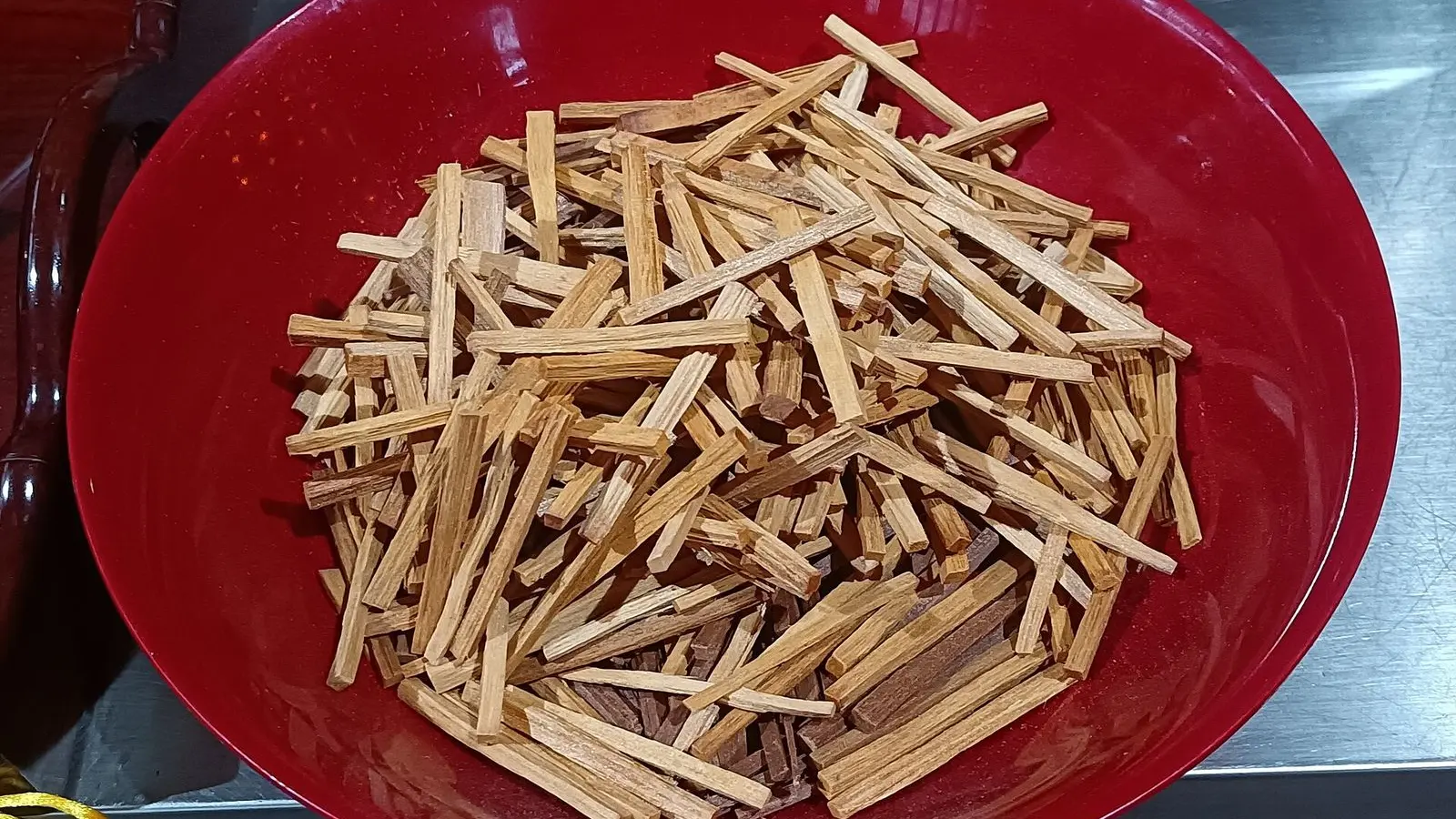
- Carvings and boxes. The wood, the size and weight, the finish, and close photographs of the carving in daylight. Hand-carved pieces vary, so say so.
- Soaps, oils and face packs. Sold as cosmetics, they need a manufacturing licence held by their maker, which marketplaces may ask for. Every claim on the pack and the listing needs evidence.
- The wood’s papers. Trade in sandalwood and rosewood is regulated, so keep the papers that show where your wood came from, and ask your adviser what your products need.
Our page on how to sell personal care products online covers cosmetics licences, claims and leaks in transit for soaps and oils.
How should rosewood inlay pieces be sold online?
As handwork: with the size, the weight, the woods used, the picture inlaid and how the piece is finished and hung. Mysore Rosewood Inlay sets pictures in lighter woods into rosewood panels, boxes and furniture, and buyers pay for the detail.
- Size and weight in centimetres and kilograms, with the piece photographed beside something familiar for scale.
- Close-ups of the inlay in daylight, so the joins and the grain show.
- Fittings: how a panel hangs, whether a box has a lock, whether a table needs assembling.
- Care: polishing, keeping the piece out of direct sun and damp, and what to do if a piece of inlay lifts.
Inlay is heavy and fragile, so freight and damage decide the margin. Corners are boarded and the piece held still in a carton, and every packed order is photographed: a large panel sent back can cost as much to move as the sale earned.
A store of your own suits inlay better than a marketplace, because it can show the making and take enquiries for commissioned pieces. Our page on how to sell home furnishings online covers décor listings and returns.
Can Mysore paintings and Ganjifa cards sell online?
Yes, to buyers who know what they are looking at, and the listing has to tell the rest. Mysore Traditional Paintings and the Ganjifa cards of Mysore are registered geographical indications, so the names follow the same rule as silk and incense.
- Original or print. Say which, in the title. A hand-painted original and a printed copy are different products at different prices.
- Materials and size. The surface, the paints and any gold leaf or gesso work, with the size framed and unframed.
- The cards. For Ganjifa, how many cards are in the set, what they are painted on, and whether the set is for play or for display.
- Packing. Framed pieces boarded at the corners with the glass protected; loose cards boxed.
These sell as gifts and to collectors more than through search, so a store of your own, with the method and the story told in full, usually does more for them than a marketplace listing.
How does Dasara shape Mysuru’s selling year?
Dasara is Mysuru’s great festival: ten days through Navaratri, the palace and the city lit, and a procession on Vijayadashami that draws visitors from across India. For sellers it opens the busiest stretch of the year, running on into Deepavali.
| When | What moves | What to have ready |
|---|---|---|
| Varamahalakshmi, August | Silk sarees, puja items, incense | Saree listings live and stocked by July |
| Gowri and Ganesha, August or September | Blouse pieces, sarees, incense, gift sets | Gift packs listed with their contents |
| Dasara, September or October | Sarees, incense, sandalwood and inlay gifts | Stock deep; visitor packs carrying your store address |
| Deepavali | Gift boxes, incense, sarees | Sale-event deals entered before the cut-off |
| Sankranti, January | Sarees and small gifts | Gift sets live in December |
Varamahalakshmi, in August, is when many women in Karnataka buy silk sarees and puja items, and at Gowri habba, before Ganesha Chaturthi, married women receive bagina, a set of gifts that can include a blouse piece and bangles. Both reward listings that are ready early.
At Sankranti, families share ellu-bella, a mix of sesame, jaggery, groundnut and coconut, often with small gifts. Ugadi opens the new year in spring, and the wedding months bring silk sarees back into demand.
The marketplaces’ festive sale events fall in the Dasara and Deepavali weeks, and their deal submissions close well before, so festival prices are agreed in August rather than in the week itself.
Can Mysuru’s visitors become online buyers?
Yes, if they can find you again. Visitors buy silk, incense and sandalwood in Mysuru, take them home, and run out or want another. A pack that carries your store’s address, or a QR code that opens it, turns a souvenir into a reorder.
- On the pack: your store address or QR code, and the product’s name as it appears on the store.
- On the store: the same products by the same names, with refill packs of incense and gift boxes ready to send.
- After the order: messages about refills or new sarees only to buyers who agreed to receive them.
A visitor who bought a saree in Mysuru may want a matching blouse piece, another colour or a gift for someone else. A store that shows the same range by the same names makes that second order easy.
Our page on ecommerce website development in Mysuru covers building that store: silk collections, incense refills, gift checkout and Kannada pages.
Why do Mysuru orders come back?
Each trade has its own return. Silk sarees come back worn after an occasion, or because the shade differed on screen; incense comes back broken, or because the fragrance was not what the listing suggested; inlay comes back damaged.
- Worn sarees. Tags that show tampering, photographs of each packed order, and claims filed within the marketplace’s time limit.
- Wrong shade. Daylight photographs without filters, and the colour named plainly.
- Broken sticks. A rigid pack that holds the sticks still.
- Disappointing fragrance. The fragrance described as it is, not as the material it imitates.
- Damaged inlay. Boarded corners, a carton with no empty space, and photographs before dispatch.
We read the return reasons every week and send each pattern to whoever can fix it: the listing, the photographs or the pack. We file the claims; your team does the packing.
What does a Mysuru order cost to sell?
Each trade carries a different cost. A silk saree carries the risk of an occasion return; a pack of incense, a per-order fee that is large against its price; an inlay panel, heavy freight both ways.
Every order also carries commission, packing, advertising and TCS, the tax collected at source under GST, which is held from each payout until you claim it.
Before any product is priced or advertised we work out its margin on each channel: landed cost, fees, freight, packing and a returns allowance from your history.
Incense earns in multipacks; inlay earns when freight and damage are priced in from the start; silk earns when its returns are claimed rather than written off.
Which language should Mysuru ads use?
Test Kannada creative for buyers in Karnataka, especially around Varamahalakshmi and Dasara, against English; for buyers elsewhere, English and Hindi usually reach further. Let orders kept after returns decide, one change at a time.
Google matches Search ads to the language they are written in, so a Kannada ad group needs ads written in Kannada, while Meta lets you choose the language a person uses in the app. A fluent writer on your side writes or checks every version.
- Silk sarees: short videos of the drape and the zari catching light, aimed at occasion buyers before the festival dates.
- Incense: marketplace ads on fragrance and pack searches, and reminders to past buyers when a pack should be running out.
- Inlay and carving: close-ups of the work, aimed at gift buyers before Deepavali and the wedding months.
We run these through our Google Ads and Meta Ads management, reporting each product line and language on orders kept after returns.
How we work with Mysuru sellers from Delhi
Remotely, from Gandhi Nagar, New Delhi. You add us as a user on your seller and ad accounts with permissions you choose; we send a weekly report, talk it through on a call and log every change.
- Read. Your range, costs, current listings and returns, with each product’s margin worked out channel by channel.
- Name. GI use settled with your adviser; silk, zari, fragrance and wood described as they are.
- Launch. A short range on the channels that suit each trade, listed before the next festival rather than during it.
- Run. Prices, stock, claims, settlements and ads, reported weekly on kept orders and margin.
Begin with daylight photographs, and ask us to confirm the arrangements before posting a saree, incense pack or sample piece for review.
If your Mysuru shop also sells readymade garments, our garments arm supplies wholesale garments from Delhi, sourced in Gandhi Nagar, quoted by the piece with GST and freight on their own lines, and handed to your transporter.
Varanasi’s silk weavers sell to many of the same buyers, from the north; our page for Varanasi sellers covers that trade.
Mistakes Mysuru sellers make online
The expensive mistakes come from letting a famous name do the work a listing should do: a GI name used without checking, a fragrance sold as the real material, a heavy piece priced before its freight, and festival stock listed after the festival has begun.
- Mysore Silk or Mysore Agarbathi in a title without checking entitlement.
- Sandalwood claimed for a sandalwood fragrance.
- Saree colours edited on screen, so the shade that arrives is not the one ordered.
- Single incense packs listed alone, each paying a full per-order fee.
- Inlay priced before freight and damage, which can take the whole margin.
- Varamahalakshmi stock listed in August rather than in July.
- No store address on the pack, so visitors cannot find you again.
- Claims never filed for sarees returned worn or panels returned damaged.
To start, send your range and the channels you sell on through our contact page, and we will reply with questions first, then a written scope.
Where Mysuru’s goods sit on our site
Questions Mysuru sellers ask us
Can I sell Mysore silk sarees online?
Is Mysore agarbatti a GI product?
How do I sell agarbatti online?
Can I call my incense sandalwood?
When should Mysuru sellers prepare for Dasara?
Do sandalwood soaps and oils need a licence to sell online?
How much do ecommerce services cost for a Mysuru business?
Can a Delhi company run our Mysuru seller accounts?
Other cities we work with
- Delhi NCR
- Mumbai
- Bengaluru
- Hyderabad
- Chennai
- Kolkata
- Pune
- Ahmedabad
- Surat
- Tiruppur
- Ludhiana
- Jaipur
- Lucknow
- Indore
- Chandigarh
- Kochi
- Coimbatore
- Panipat
- Karur
- Solapur
- Varanasi
- Bhadohi
- Moradabad
- Firozabad
- Saharanpur
- Jodhpur
- Agra
- Kanpur
- Kolhapur
- Meerut
- Jalandhar
- Channapatna
- Sivakasi
- Kannauj
- Srinagar
- Amritsar
Tell us what your Mysuru business sells.
Send your range, the channels you sell on and the season you are planning for. We reply with questions, then a written scope and a quotation.