Marketplace accounts for Lucknow chikankari
Our marketplace account management in Lucknow runs the seller panels for chikankari houses, resellers and labels on Myntra, Ajio, Amazon, Flipkart and Meesho. We work from Gandhi Nagar, New Delhi, around handwork that arrives in small batches and an Eid that moves every year.
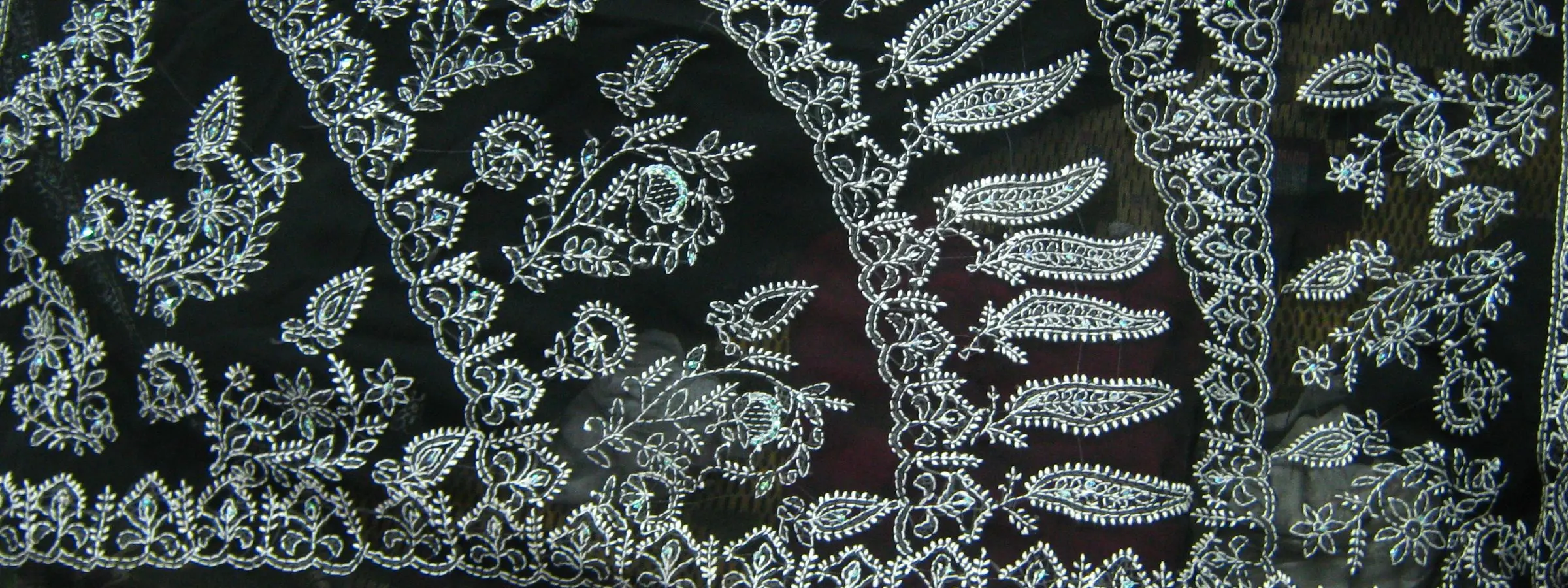
What a chikankari account must keep straight
- Marketplaces we run
- Myntra, Ajio, Amazon, Flipkart and Meesho
- Kept apart
- Hand and machine work, in every field
- Stock
- Small batches; repeatable styles flagged
- Claims to file
- Stains on white, missing inners, swaps
- Eid planning
- Rebuilt each year from the new date
- How we work
- Remotely, through permissions you control
In short
- Marketplace account management in Lucknow runs a chikankari seller’s panels weekly, while the embroidery, stock and packing stay with the seller in Lucknow.
- Hand-embroidered styles arrive in small batches and cannot be repeated quickly, so their stock, deals and ads are planned apart from machine-embroidered lines.
- White and sheer chikankari returns need photographs taken at packing, because stains, marks and missing inners are claimed only on evidence.
- Eid’s date rests on the moon sighting, so the panels’ last order dates are set a day early and adjusted once it is announced.
- We run Lucknow accounts remotely from Gandhi Nagar, New Delhi, through user permissions; the owner login and bank details stay with the seller.
Marketplace account management in Lucknow means running a chikankari seller’s panels every week: listings, prices, stock, returns, claims and payouts. We do it from Gandhi Nagar, New Delhi, for trading houses, resellers and labels whose handwork arrives in batches rather than bulk.
How chikankari should be photographed, described and advertised is the subject of our page on ecommerce services in Lucknow. This page is the panel work behind it, shaped by small batches, white cloth and an Eid that moves every year.
We run brands of our own as well, and a claim allowed to lapse costs us what it costs you.
Which Lucknow sellers need their panels run?
Three kinds, each with its own backlog: trading houses in the old city’s markets, labels built around a network of embroiderers, and resellers who buy from both and list online.
- Trading houses in Chowk and Aminabad. Long used to supplying shops across India, now listing under their own name. The catalogue runs deep, but its photographs were made for retailers, and nobody owns the panels day to day.
- Handwork labels. A defined look, pieces commissioned from embroiderers, and a fashion marketplace as the goal; the backlog is brand approval and catalogue standards, covered on our page on Myntra seller accounts.
- Resellers. Value kurtis and sets on Meesho and Flipkart, thin margins and many returns, where Meesho account management decides whether a style earns anything at all.
For all three the split is the same. Embroidery, stock, packing and the floor price of each piece stay with you; listings, offers, claims, settlements and the health of the account come to us.
How do small handwork batches change stock control?
They make every style finite. A hand-embroidered style returns from the embroiderers in small batches, and a repeat takes as long as the first, so the account must know which styles can be repeated before a deal or an ad empties one.
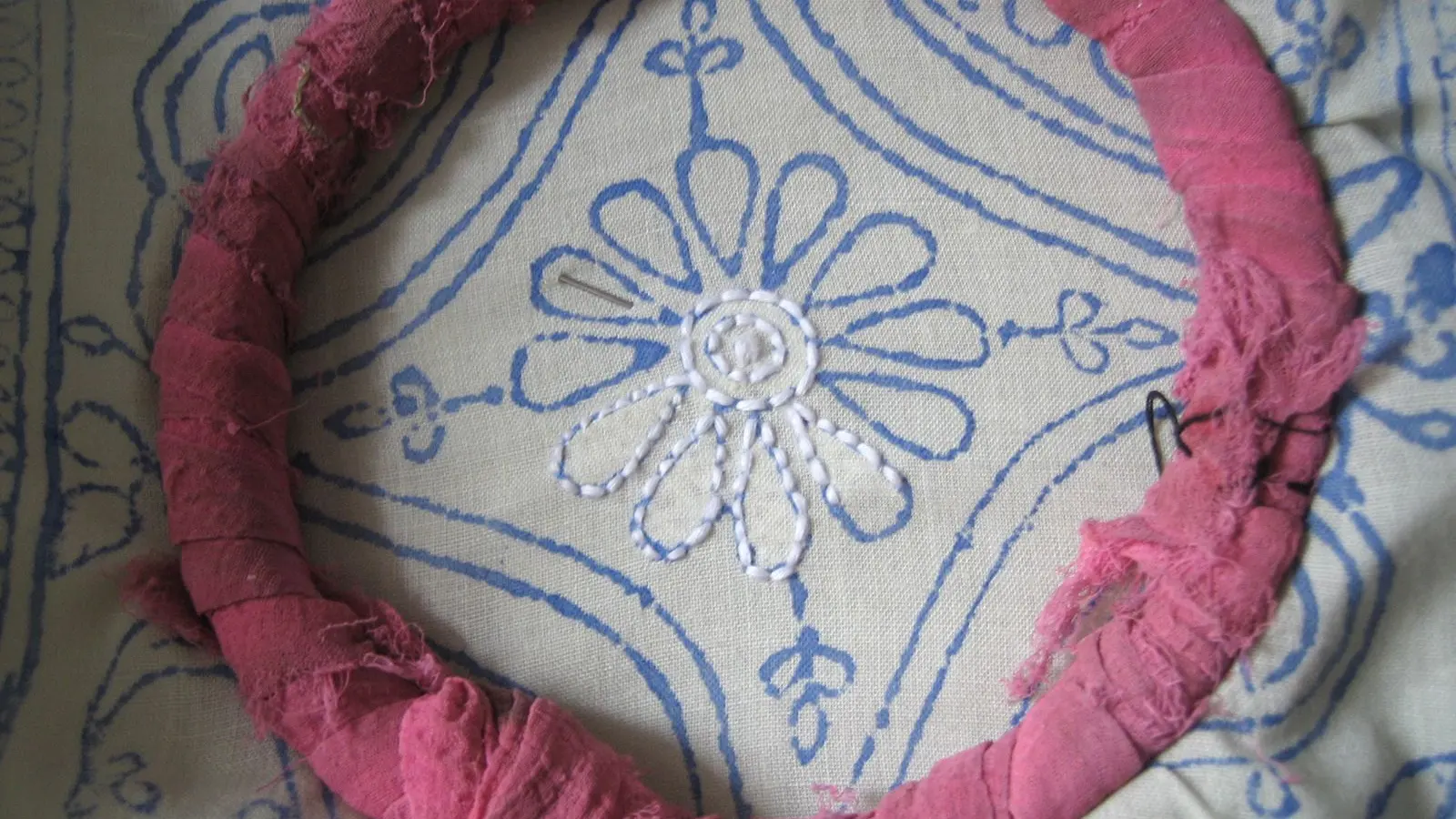
Much of the city’s embroidery is done by artisans working from home, and work comes back in batches as it is finished. So stock goes up on the panels when pieces are back and checked, never when a batch is commissioned.
| Kind of style | How stock is counted | Deals and ads |
|---|---|---|
| Machine-embroidered line | From the store room, weekly | Deals and sponsored ads where the margin holds |
| Repeatable handwork | As pieces return; a repeat commissioned at an agreed level | Ads while sizes hold; deals rarely |
| One-batch handwork | Piece by piece, as finished | No deals; the listing closes when it sells out |
The repeat level is agreed with you per style: when stock falls to it, the embroiderers get the next batch, and the panel knows how many weeks of selling remain.
A sheet of batches out and due sits beside the stock count, so nothing is listed before it exists.
Shade sets a second limit. A repeat embroidered on a new roll of white mulmul or off-white georgette may not match the first batch exactly, so each repeat is checked against a kept piece from the last before it joins the same listing.
Which listing fields keep hand and machine apart?
All of them. Hand and machine pieces go up as separate styles with separate codes, never as variations of one listing, and the method is stated in the title, the attribute fields and the description, so filters, buyers and reviewers all read the same thing.
- Method. Hand embroidered or machine embroidered, in every field a marketplace offers for it.
- Fabric. Mulmul, georgette, chiffon, linen, rayon or silk, named the same way across the range.
- Inner. Included and stitched in, included separately, or not included, with its colour.
- Set contents. Kurta, bottom and dupatta named, so a two-piece is never mistaken for a three-piece.
- Colour. White, off-white and ivory kept as distinct values, because buyers matching a dupatta notice the difference.
Origin claims follow the same rule. Chikankari from Lucknow is on the register of Geographical Indications, so a listing claims it only where your records support it. The copy behind every field comes from our product listing services, written once and mapped to each marketplace.
Why do white chikankari returns need extra evidence?
Because white shows everything, and a claim is paid on evidence alone. A kurta that comes back with a makeup mark, a perfume stain or a pulled thread can be claimed only if your records show it left clean, inside each marketplace’s time limit.
- At packing. Each piece photographed flat in daylight: the front, the embroidered panel up close, the reverse and the inner, with its tag number in the frame.
- On return. The parcel opened on video, the tag number read aloud, and the same frames shot again.
- Swaps. A machine piece sent back in place of a hand one is caught by the close-up of the reverse, where handwork shows its small irregularities.
- Missing parts. An inner or a dupatta missing from a set, claimed against the packing photograph of the full set.
We read the returns log every week and file claims from it. The reasons buyers give go back to the listings too: “too transparent” to the inner field, “colour different” to the shade name, and “smaller than expected” to the size chart.
How do the panels plan a moving Eid?
Backwards from this year’s date, with a day to spare. Eid moves earlier each year with the lunar calendar, and its exact day rests on the moon sighting, so last order dates are set a day early and adjusted once it is announced.
- Stock. Men’s kurtas and family sets in depth across the core sizes for the last fortnight of Ramadan, when Eid buying peaks.
- Delivery promises. Handling times checked daily in the final weeks, and listings changed as soon as an order could no longer arrive before Chand Raat, the night the moon is sighted.
- Deals. When Eid falls outside the marketplaces’ sale events, offers run through each panel’s own promotion tools, priced above your floor after fees.
- Eid al-Adha. A second, shorter peak later in the year, planned the same way with fresh styles.
The stock plan is rebuilt each year from the new dates rather than copied from the last, and the batches due from the embroiderers are dated back from it, so handwork commissioned for Eid is finished and listed before Ramadan’s last weeks.
Eid gifting listings, such as boxed sets and matching family sets, are covered on our page on how to sell festive gifts online.
Should resellers sell on your listings?
Decide it before they do. Many Lucknow houses supply resellers who sell online, and on Amazon several sellers can offer the same product on one listing, so a reseller of your stock can appear on yours and compete with you on price.
Elsewhere, resellers create their own listings, often with your photographs, and the same kurta then appears several times at several prices. Buyers compare, and the listing with the most reviews is not always yours.
Agree in writing, with your advisor, which marketplaces each reseller may use and whether they may use your photographs and name.
On Amazon, brand registration, which needs a trademark, gives you more control over the listing’s content; we report other sellers’ offers on your listings every week.
What do a chikankari seller’s settlements show?
Which range earns its keep. Every payout is matched to its orders, refunds, fees and deductions, each fee is checked against the current schedule for ethnic wear, and the month’s results are split by method, so hand and machine ranges are judged apart.

A machine range on Meesho can show plenty of orders and little left after returns and RTO, while a handwork range on Myntra sells fewer pieces at a margin that holds. The split shows which deserves the next batch and the next deal.
Anything short on a payout is raised with the marketplace and tracked in the weekly report until it is settled.
Each payout also has TCS, tax collected at source under GST, deducted from it, and the monthly summary by marketplace lets your accountant claim the credit. Our own fee carries GST at 18%, added as IGST since we invoice from Delhi to Uttar Pradesh.
When does marketplace account management in Lucknow start?
Months before Ramadan, so the reading and the backlog are done before Eid stock comes back from the embroiderers. Everything runs remotely, through calls, shared sheets and the panels, and your accounts stay in your name throughout.
- Access. Each marketplace gets us as a user through your own login, while the owner login, the registered mobile and the bank account remain yours.
- The audit. Listings with mixed methods, suppressed styles, open claims, unmatched payouts and return reasons, written up in order of the money involved.
- The rules. Floor prices, repeat levels per style, who photographs pieces at packing, and the sheet of batches out and due.
- The backlog. Claims inside their windows first, then hand and machine listings separated, then the Eid range.
A trading house with a deep catalogue does not move everything at once. The styles that already sell most go first, with their photographs redone for a phone screen, and the rest follow in batches as the routine settles.
Everything the service covers is listed on our marketplace account management services page, and handloom sellers facing the same hand-or-machine question are covered on our page about marketplace accounts in Varanasi.
A label that also runs its own store can sell from the same stock count; see ecommerce website development in Lucknow. To start, send your marketplaces and the batches due before Eid.
Panel work for handwork and machine lines
Seller panels, week by week
Listings, prices above your floor, stock, returns, claims and settlements on every marketplace you hand over.
Myntra for handwork labels
Brand approval, style codes, colour names and size values for hand-embroidered kurtas and sets.
Meesho for machine lines
Machine-embroidered kurtis and sets priced per piece after fees, returns and RTO, kept apart from handwork.
Fields that hold up
Embroidery method, fabric, inner and set contents written once and mapped to each marketplace’s fields.
A store for repeat buyers
A Lucknow label’s own Shopify or WooCommerce store, run from the same stock count as its panels.
Questions Lucknow sellers ask about accounts
How much does marketplace account management cost in Lucknow?
Can I sell chikankari on Myntra?
How do I list hand and machine chikankari on the same account?
What can I claim if a white kurta comes back stained?
When should Eid listings stop promising delivery?
Should chikankari go into marketplace sale events?
Can resellers sell my chikankari on my Amazon listing?
Do you need to visit our shop in Lucknow?
The same service in other cities
- Delhi NCR
- Mumbai
- Bengaluru
- Hyderabad
- Chennai
- Kolkata
- Pune
- Ahmedabad
- Panipat
- Karur
- Solapur
- Varanasi
- Bhadohi
- Moradabad
- Firozabad
- Saharanpur
- Jodhpur
- Agra
- Kanpur
- Kolhapur
- Meerut
- Jalandhar
- Channapatna
- Sivakasi
- Kannauj
- Mysuru
- Srinagar
- Amritsar
- Surat
- Tiruppur
- Kochi
- Coimbatore
- Jaipur
- Ludhiana
- Indore
- Marketplace accounts across India
Tell us what sells and what is coming.
Send your marketplaces, your styles and the batches due back from the embroiderers before Eid. We reply with our questions, then a plan for the panels and a quotation.