Ecommerce services in Agra
Our ecommerce services in Agra help the city’s shoemakers and footwear traders sell their own pairs online, through marketplace accounts, size charts, listings and ads. We work remotely from Gandhi Nagar, New Delhi; your stock, packing and dispatch stay in Agra.
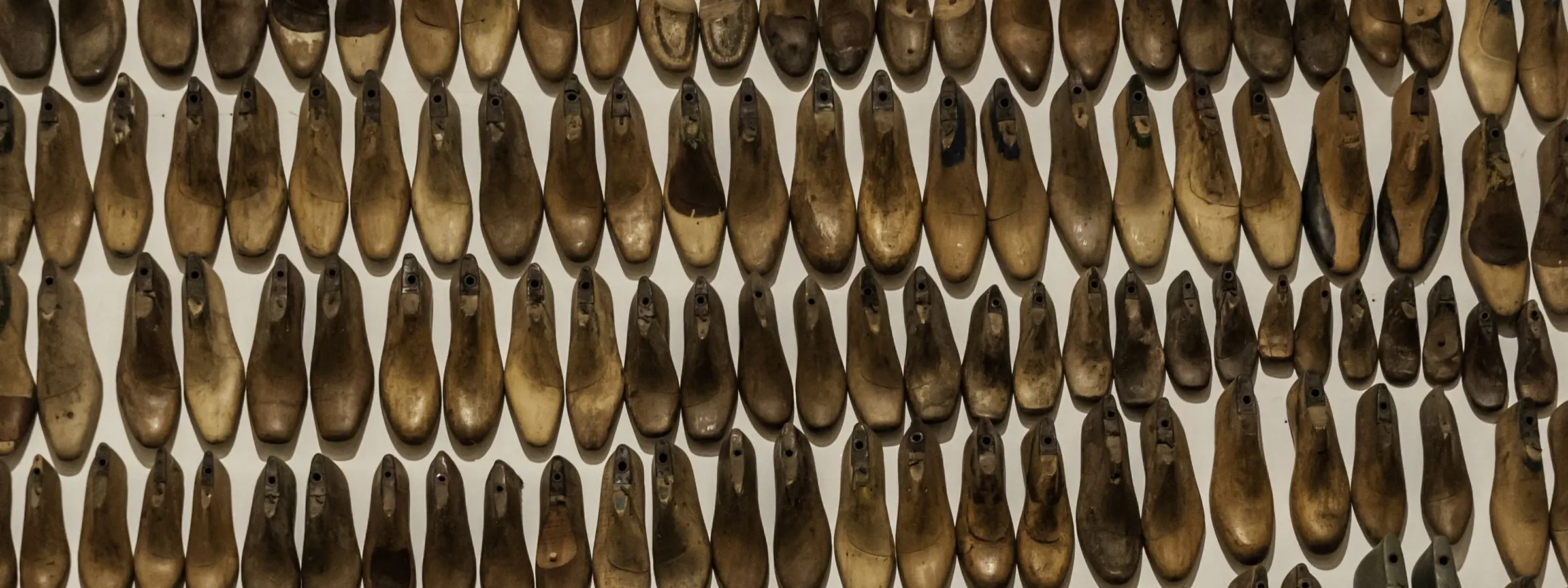
Agra’s trades, as they meet ecommerce
- Known for
- Leather and non-leather footwear, stone inlay, durries
- Registered GIs
- Agra Leather Footwear, Agra Stone Inlay Work
- Marketplaces to start
- Amazon, Flipkart, Meesho; Myntra and Ajio for labels
- Compliance to check
- BIS QCO coverage; Legal Metrology on the box
- Busy seasons
- Weddings, Diwali, school reopening, monsoon, winter
- How we work
- Remotely, from Gandhi Nagar, New Delhi
Which quality control order covers a style depends on its materials and type; your compliance adviser confirms it.
Work we take on for Agra footwear
Marketplace accounts
Amazon, Flipkart, Meesho, Myntra and Ajio run weekly: size-wise stock, pricing, exchanges, claims and settlement checks.
Size charts per last
Foot length in centimetres mapped to UK sizes for each last, so the chart matches the pair that arrives.
Footwear listings
Upper, lining, sole and construction named plainly, with shot lists that show the sole, the heel and the fit.
Season-paced footwear ads
Budgets set from margin after returns, moved with the seasons and stopped when core sizes run short.
A storefront for your label
A Shopify or WooCommerce store for an Agra label, with size exchanges, COD rules and repeat-buyer messages.
Inlay and gift lines
Stone inlay coasters, boxes and plates listed with sizes, care notes and packing guidance for parcels that must not crack.
In short
- Ecommerce services in Agra cover what a footwear maker needs to sell pairs online: marketplace accounts, size charts per last, listings, compliance checks and ads.
- Formal leather shoes usually start on Amazon and Flipkart, value sandals on Meesho, and design-led footwear labels on Myntra and Ajio.
- Footwear is among the products under BIS quality control orders, so check whether a QCO covers each style before listing it.
- Agra Leather Footwear and Agra Stone Inlay Work are registered geographical indications, so those names belong only to goods that meet their definitions.
- We work with Agra sellers remotely from Gandhi Nagar, New Delhi; making, stock, packing and dispatch stay with the seller in Agra.
Our ecommerce services in Agra are for shoemakers, footwear traders and the city’s inlay workshops that want their own goods selling online, under their own name. The panels, listings and ads become our work; making, stock and dispatch remain yours.
Agra is known for footwear. Leather and non-leather shoes are made across the city, in household workshops and in larger units, for shops in India and for buyers abroad. Its wholesale footwear markets, Hing Ki Mandi among them, supply retailers across the north.
Two of the city’s trades are registered geographical indications: Agra Leather Footwear, and Agra Stone Inlay Work, the marble inlay also called pietra dura. Both names carry legal weight on a listing, which this page comes back to.
An operator, not an agency: we run brands of our own as well. For Agra sellers, the work on this page begins with commissions, return costs and ad spend.
We have one office, in Gandhi Nagar, New Delhi, and Agra sellers work with us from where they are. Logins you create for us open your seller and ad accounts; reports and calls do the rest, and your pairs never pass through our hands.
How Agra’s footwear reaches online buyers
Agra’s footwear reaches online shoppers by three routes: through traders and resellers who list other people’s pairs, through a maker’s own marketplace accounts, and through a label’s own storefront. Most makers start with the first and move towards the other two.
The wholesale route was built on lots: a style made in a size set, sold to a shop that takes the range and settles faults by phone. Online, the unit is one pair, chosen by a stranger who can send it back.
That changes what matters. A shop buyer judges leather in the hand; an online buyer judges a photograph, a size chart and the reviews. A maker who controls those keeps a trader’s margin, and carries the returns a trader absorbed.
Units that make for export already work to specifications, size grades and inspections, and that discipline transfers well. The buyers differ, though: an overseas order arrives as one purchase order, while marketplace orders arrive a pair at a time, in whatever size was clicked.
Which marketplaces suit Agra-made shoes?
Formal and everyday leather shoes usually start on Amazon and Flipkart, where buyers search by type, size and price. Value sandals, slippers and bellies suit Meesho. Labels with their own designs and on-model photography add Myntra and Ajio, then a storefront.
| Channel | Suits from Agra | Watch for |
|---|---|---|
| Amazon | Men’s formal shoes, loafers, school shoes | Size variations and leather claims |
| Flipkart | Everyday leather and PU shoes, festive buying | Sale-event prices on full size runs |
| Meesho | Value sandals, slippers and bellies | Margin after returns and freight |
| Myntra | Design-led labels, women’s heels and flats | Brand approval and image standards |
| Ajio | Labels with a defined look | Catalogue templates and return terms |
| Own storefront | A label with repeat buyers | Paid traffic, COD and RTO |
Amazon and Flipkart reward complete attributes. A buyer filters by size, colour, material and closure, so a blank field is a filter your pair drops out of. Both also let several sellers share one product page, which matters when your designs are copied.
Meesho is bought on price and the first image. It suits the value end of Agra’s range, but only where the landed cost leaves room for return freight, because one pair that comes back on a thin margin wipes out several sales.
Myntra and Ajio look for brands rather than loose stock. They expect on-model photography, style codes and complete size charts, and they approve a brand before it lists. For a maker with designs of its own, they are where a name gets built.
Our page on how to sell footwear online in India compares the channels category by category, from sneakers and sandals to school shoes.
How should a size chart follow my lasts?
Build it from the lasts, not from a generic table. Every last gives its own fit, so measure finished pairs in each size, record foot length in centimetres beside the UK size, and publish one chart for each last you use.
Export units know the problem from the other side: an order may arrive in EU or US sizes, graded on another scale. Most buyers in India think in UK sizes, so convert once, carefully, and list the size printed inside the shoe.
- Foot length first. Tell buyers to measure from heel to longest toe in centimetres, and map that length to each size on each last.
- Width in words. Narrow, regular or wide, judged against your usual last, because width causes as many returns as length.
- A between-sizes rule. Say whether to size up or down for each style, and repeat it in the listing text.
- Half sizes honestly. If a style comes only in whole sizes, say so on the chart rather than leaving buyers to guess.
Our catalogue and listing work builds these charts from your last records and revisits them whenever return reasons point at a size.
What an Agra shoe listing has to say
A shoe listing has to name every material, say how the shoe is made and how it fits, and show the sole. Shoppers cannot flex the leather or press the insole, so the words and the photographs do that work for them.
- Upper. The leather and its finish as your tannery’s papers describe them, or the synthetic by name: PU, PVC or textile.
- Lining and insole. Leather, synthetic or fabric, and whether the insole is cushioned or removable.
- Sole. Rubber, PU, TPR, EVA or leather, with the heel height and whether the sole is stitched or cemented.
- Construction. Hand-lasted, stitched or moulded, in plain words, only where it is true of every pair.
- Fit and use. Office, wedding, school or daily wear, and the fit note from your last.
Photographs follow the buyer’s questions: the pair from the side and the front, the sole, the heel, the inside and a close view of the stitching. Shoot in daylight, because tan and oxblood shift under tube light and come back as “not as shown”.
Kanpur, also in Uttar Pradesh, is known for tanning and for leather goods such as saddlery, belts and bags. Our page for Kanpur sellers covers that side of the state’s leather trade.
Can I call my shoes Agra leather footwear?
Only if they meet the registered definition. Agra Leather Footwear is a registered geographical indication, and a GI name is a claim about where and how a product is made, not a description of its style.
Ask your adviser whether your pairs qualify, and whether you should register as an authorised user, before the name goes into a title. Until then, describe the shoe by its leather, sole and construction, which is what a buyer filters on anyway.
- Leather only for leather. “Genuine leather” on a PU upper brings returns, complaints and action from the marketplace.
- No borrowed brands. Pairs made against an export order may carry a buyer’s design; that buyer’s name never appears in your title or photographs.
- Export claims with care. “Export quality” tells a buyer nothing measurable; say what the shoe is made of instead.
Kolhapuri chappals are a registered geographical indication too, for parts of Maharashtra and Karnataka, and their makers face the same questions about names and sizes. Our page for Kolhapur sellers covers that trade.
Sizes, colours and broken size runs
Online, a style sells by size, and it stops selling when its middle sizes run out, long before the shelf is empty. Stock has to be counted pair by pair and size by size, on every channel at once.
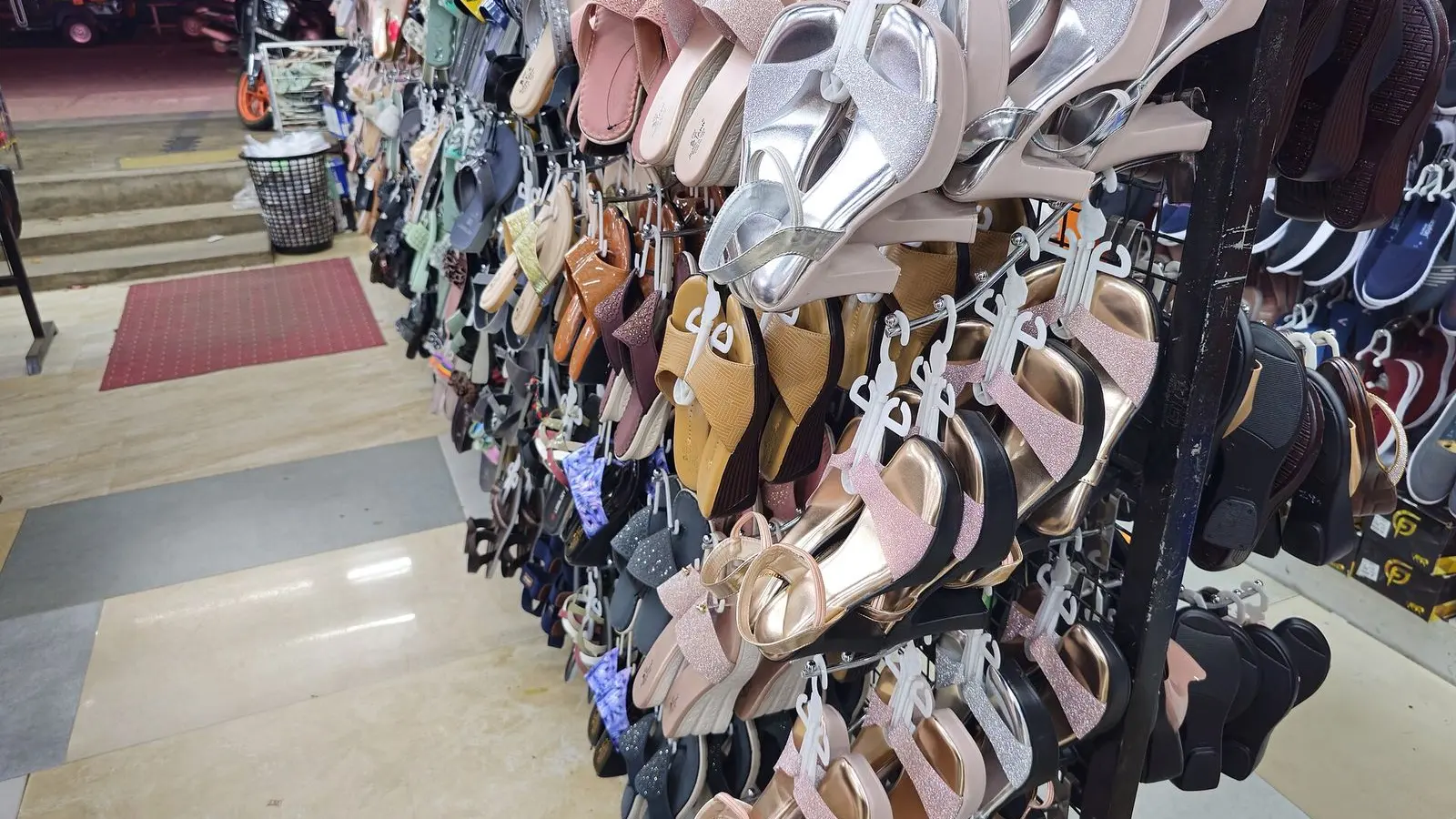
One product page should carry every size and colour of a style, built to each marketplace’s variation rules, so reviews gather in one place. Separate pages for each colour split the reviews and confuse buyers who arrive from a search.
When a style’s core sizes sell out, we pause its ads and stop new sale-event offers until a refill lands. A broken run left on promotion pays for clicks from buyers who cannot find their size.
Production then follows sell-through by size, not the ratio you cut for wholesale. Our marketplace account management for Agra sellers keeps that count across every panel you use.
What a pair costs you after it sells
Beyond its making cost, a pair sold online pays commission and fees, packaging, return freight in both directions, sale-event discounts you fund, ads, and the pairs that cannot be resold. Returns turn each of those into a cost paid twice.
- Volume. A shoebox is light for its size, so couriers and marketplaces often charge it on volumetric weight. Use the smallest box that protects the pair.
- Size returns. The commonest reason in footwear; an exchange keeps the sale where a refund loses it.
- Worn returns. Soles scuffed outdoors, or a different pair sent back. Photographs of the packed pair and its soles support a claim.
- RTO. Return to origin: orders refused at the door or undeliverable, gathered around cash-on-delivery orders.
- TCS. The tax collected at source that every marketplace keeps back from a payout, recovered later through your GST returns.
Before a style is priced or advertised, it gets a margin sheet: what the pair costs to make, what each channel takes, how many come back on your own history, and what is left.
We do not pack or ship. We write the packing guidance your staff follow, and we file the claims.
BIS, labels and GST for Agra footwear
Three checks come before any listing goes live. Footwear is among the products under BIS quality control orders, so check whether an order covers each style; where one does, the pair needs a BIS licence and the Standard Mark.
Boxed footwear carries Legal Metrology declarations on the pack, including MRP, net quantity as a number of pairs, the name and address of whoever made or packed it, and a consumer-care contact. The listing repeats them apart from the month and year.
GST on footwear follows the HSN code, and the rate can also depend on the sale value per pair, so a discount can move a style across a line. Your tax adviser confirms each code and rate; marketplaces collect TCS on your payouts.
When Agra footwear sells across India
Agra’s pairs travel to buyers across India, so the selling calendar follows the country’s weather and festivals, not only the city’s. Each season pulls a different part of the range, in a different region, at a different time.
| Season | What sells | Where it starts |
|---|---|---|
| Wedding months | Formal shoes, juttis, heels, embellished sandals | North India, through the winter |
| Diwali and the festive sales | Formal and casual pairs, gift buying | Across India |
| School reopening | Black school shoes and white canvas shoes | State by state, board by board |
| Monsoon | Sandals, floaters, waterproof pairs | The west and south, then the north |
| Winter | Closed shoes, boots, loafers | The north and the hills |
The big autumn sale events on Flipkart and Amazon usually run in September and October. New styles need stock and a few ratings before then, so festive pairs should be live and counted well ahead of them.
School shoes need more than one date in the plan, because schools on different boards reopen at different times. Our page on performance marketing for Agra footwear brands sets budgets against the same calendar.
Advertising shoes without paying for returns
Advertise styles whose sizes are in stock and whose margin survives returns, aimed at the regions in season, and judge each campaign on pairs kept, not pairs sold. A footwear campaign that wins on orders can lose money once exchanges and refunds are counted.
- Marketplace ads on searches such as “leather formal shoes for men”, with bids paused on styles short of core sizes.
- Meta for discovery: short videos of a shoe flexing, walking and being laced, things a photograph misses.
- Google Shopping for a storefront, with size and colour in the product feed so sold-out variants drop out.
- Language. If your buyers read Hindi, test Hindi creative against English before each season.
ROAS, return on ad spend, is counted at the moment of purchase, before any pair comes back.
We put it next to revenue after returns and the margin left after ad costs, and the margin figure is the one that keeps a campaign alive or ends it.
When an Agra label needs its own storefront
An Agra label needs its own storefront when buyers come back for the same last, the same leather and the same fit, and when the range is deep enough to browse. Until then, the marketplaces find buyers more cheaply than paid traffic can.
- Collections by occasion: office, wedding, school and daily wear, so buyers browse the way they shop.
- Size exchanges built in, started from the order page rather than by phone.
- A fit finder that asks for foot length in centimetres and suggests a size on each last.
- Cash on delivery, limited: a ceiling on order value, pincodes where it is off, and a message to confirm before packing.
- Tax invoices that show your GSTIN and each style’s HSN code, as your adviser confirms it.
Our D2C storefront service builds and looks after Shopify and WooCommerce stores, from checkout to monthly upkeep. Packing and dispatch stay with you, linked through the shipping app you already use.
Stone inlay, durries and Agra’s gift trade
Agra’s marble inlay sells as gifts: coasters, boxes, plates, tabletops and small figures set with cut stone in the manner of the Taj Mahal’s decoration. Much of it has long sold to visitors; online, it reaches buyers who will never visit.
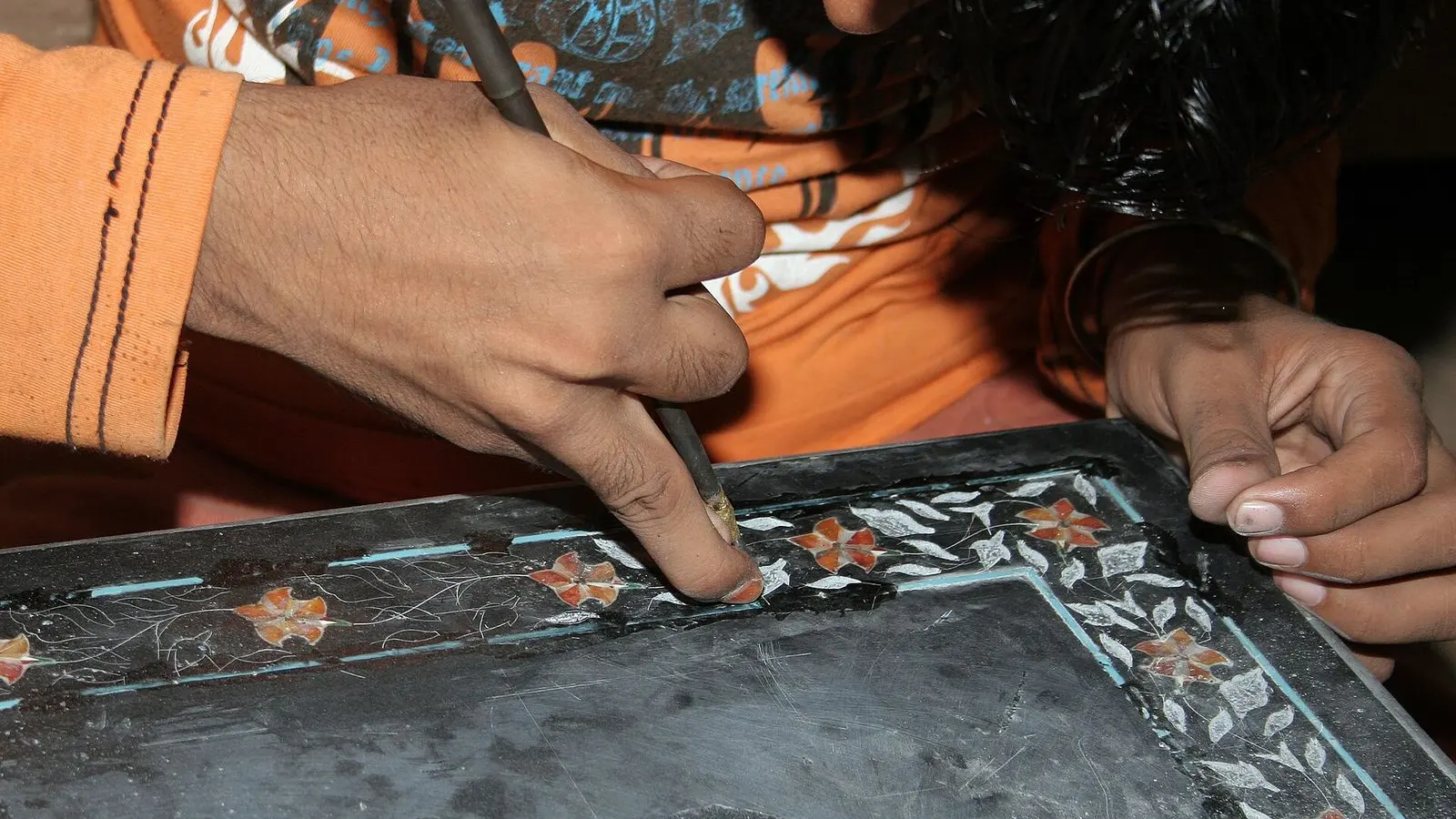
Inlay needs a different listing: dimensions and weight, the stone used for the base, the number of pieces in a set, and care advice. Close photographs should show the joints, because buyers judge inlay on how cleanly the pieces meet.
It also needs packing that survives long transit by road. Marble chips and cracks, so the guidance we write asks for each piece to be wrapped and boxed on its own, with the packed parcel photographed before it leaves.
Agra’s durries, registered as the Agra Durrie geographical indication, sell with home furnishings, where size, weave and backing decide returns. Diwali and the wedding months drive both trades, and our festive and gifting page sets out the gift calendar.
What our ecommerce services in Agra cover
For a size-led product the work is specific: catalogues that carry every size and colour, stock counted pair by pair, exchanges and claims worked weekly, settlements checked against orders, and ads paced against the sizes on your shelf.
None of it needs a visit. You decide what each of our logins can touch, a report arrives every week with a short call to go through it, and a change log records every edit we make. Making, stock, packing and dispatch stay in Agra.
- Read. Listings, size charts, return reasons, claims, settlements and the margin each style made, channel by channel.
- Rebuild. Variation families merged, materials described plainly, charts rebuilt per last and shot lists written for your photographer.
- Count. Stock by size from your figures, with buffers before sale events and a pause rule for broken runs.
- Run. Uploads, pricing, exchanges, claims, sale events and ads, reported weekly on pairs kept and margin.
From you we need account access, a style sheet with materials, lasts and sizes, cost sheets, and one person who decides prices and discounts.
When you compare agencies for this work, ask each one what it does with a pair that comes back with a scuffed sole.
Mistakes that cost Agra footwear sellers
The costly mistakes for an Agra maker moving online are mostly about size and truth: charts copied from somewhere else, leather claimed for a synthetic upper, and stock counted by style instead of by size. Each one shows up first in the return reasons.
- One size chart for every last, though each last fits differently.
- “Genuine leather” on PU, or a GI name on pairs that do not qualify.
- Each colour on its own page, splitting reviews and stock.
- Ads running on broken size runs, paying for clicks that cannot convert.
- A shoebox bigger than it needs to be, billed on volume in both directions.
- Festive styles live after the sale events start, with no ratings to compete.
- Claims never filed for pairs returned worn or swapped.
- An export buyer’s name in a title, inviting a complaint the account cannot afford.
Send your styles, the panels you sell on and the return reasons that worry you through our contact page, and we will come back with questions before we quote.
Agra’s footwear and crafts, by category
Questions Agra footwear sellers ask us
Which marketplace is good for selling Agra shoes online?
Do I need BIS certification to sell footwear online?
Can I sell export surplus shoes from Agra online?
Can I call my shoes Agra leather footwear?
How do I stop size returns on shoes sold online?
What is the GST on footwear sold online?
How much do ecommerce services cost for an Agra footwear brand?
Can an ecommerce agency in Delhi run my Agra seller account?
Other cities we work with
- Delhi NCR
- Mumbai
- Bengaluru
- Hyderabad
- Chennai
- Kolkata
- Pune
- Ahmedabad
- Surat
- Tiruppur
- Ludhiana
- Jaipur
- Lucknow
- Indore
- Chandigarh
- Kochi
- Coimbatore
- Panipat
- Karur
- Solapur
- Varanasi
- Bhadohi
- Moradabad
- Firozabad
- Saharanpur
- Jodhpur
- Kanpur
- Kolhapur
- Meerut
- Jalandhar
- Channapatna
- Sivakasi
- Kannauj
- Mysuru
- Srinagar
- Amritsar
Tell us what you make in Agra.
Send your styles, the marketplaces you sell on and where returns hurt most. We read your accounts first and come back with questions before any quotation.