Ecommerce · 16 Oct 2026
Marketplace or D2C: where to start
Where a brand’s first orders should come from: what marketplaces and D2C storefronts cost, what each controls, and when to run both.
In short
How to sell on Meesho is less about registration, which is quick, than about economics: catalogues that read clearly on a phone, prices that survive returns and RTO, and orders packed on time for Meesho’s logistics to collect.
Meesho calls its sellers suppliers, and its buyers shop on price first. That shapes everything below. Its rules, fees and programmes change often, so confirm each one in the Supplier Panel before you rely on it.
Meesho suits low-priced everyday products that sell on the photograph and the price: kurtis, sarees, nightwear, kidswear, home décor, kitchen basics and accessories. It suits less well a product whose margin is thin before returns, or one that needs a brand story to sell.
Value clothing is one of its main categories. Everyday kurtis, sarees and kidswear sell there on image and price, provided the size charts are honest and the colours match the photographs.
Signs Meesho should be on your list:
If your range is branded and mid-priced, the fashion marketplaces may suit it better; our page on how to sell clothes online in India compares the channels.
A GSTIN for most sellers, a PAN, a bank account and a pickup address in matching names, plus a mobile number and email address. Meesho has also offered a route for some small sellers without a GSTIN; its conditions change, so check them.
| Keep ready | Notes |
|---|---|
| GSTIN | For most sellers; if you rely on an exemption or enrolment route, confirm with your accountant that it covers how and where you sell |
| PAN | The business’s, or the proprietor’s for a sole proprietorship |
| Bank account | In the same name; payouts arrive here |
| Pickup address | Where Meesho’s logistics collect; on your GST registration |
| Mobile and email | Held by the owner of the business |
| Product documents | Label photographs with Legal Metrology declarations; BIS certification where your category needs it |
Exemption routes usually come with limits, such as selling only within your own state, and the rules for small online sellers are changing. Ask your accountant whether one suits a business that plans to grow, before you register on it.
Registration on the Meesho Supplier Panel is quick when the documents match. The steps as they stood at the time of writing:
Expect questions if your names differ across documents, or if your pickup address is not on your registration. Fix those before uploading anything.
You do. Meesho’s logistics partners collect each order from your pickup address, but the packing, labelling and handover are yours, every day orders arrive. Meesho sets a dispatch deadline for each order, and missing it counts against you.
Pack for a low-cost parcel network. Products that can break, crease or leak need packing that survives handling, because damage comes back as a return. Print the label from the panel, pack, and keep a record of each packed order.
We do not store, pack or ship anyone’s orders. That work stays with you; we run the account side, from catalogue uploads to claims for returns that come back wrong or damaged.
Upload products as catalogues, groups of related designs in one category, with images that read on a small phone screen, honest attributes and a price for each. Meesho checks each upload before it goes live and rejects what breaks its rules.
Our product listing services build one product record and write it out for each marketplace, including Meesho’s catalogue format.
From the bottom up, not from a competitor’s number. Work out what reaches you per order after every deduction, allow for the share of orders that come back, and only then decide whether Meesho’s going price works for you.
Meesho’s fee model has differed from Amazon’s and Flipkart’s and has changed over time. Read the current terms in the Supplier Panel: platform charges, how shipping is charged, return and RTO charges, penalties, and ads.
Payouts arrive on Meesho’s cycle, after delivery and net of deductions, including TCS under GST and TDS under income tax. Both are credits; our guide to GST for online sellers explains how they are claimed.
By describing products exactly, packing so nothing arrives damaged, and watching which products draw refusals at the door. RTO, return to origin, is an order that never reaches the buyer.
On a marketplace where cash on delivery is common, RTO needs as much attention as customer returns. It costs shipping both ways and earns nothing, and it gathers around impulse buys, unclear listings and slow delivery.
Customer returns follow a pattern you can read. Group them weekly by product and reason: “size too small” is a size chart, “colour different” is a photograph, “damaged” is packing. Fix the listing or the pack, and the next week’s returns show whether it worked.
When a return arrives damaged, used or swapped, record the opening on video and raise a claim through Meesho’s support process within its time limit. Claims are judged on evidence, so a return opened off camera is hard to claim for.
Our article on how to reduce RTO covers the undelivered side in detail.
A fixed daily routine and a weekly one. The daily work keeps the account in good standing; the weekly work keeps the money right.
| When | What | Why |
|---|---|---|
| Every day orders arrive | Accept orders, update stock, pack, label and hand over before the deadline | Late dispatch and cancellations count against you |
| Every day returns arrive | Open each return on camera and log the reason | Claims need evidence and have time limits |
| Every week | Group returns by product and reason; fix listings and packing | Return reasons point to the fix |
| Every week | Check ratings and quality complaints by catalogue | Low-rated catalogues can be blocked |
| Every payout | Match each payment to its orders, returns, charges and penalties | Wrong charges are disputed while there is still time |
| Every month | Send TCS and TDS figures to your accountant | Both are credits only once claimed |
The payout check is the step most often skipped. Download the payment report, match every line to an order or a return, and question any penalty or charge that does not match what happened. Errors raised promptly are easier to recover.
From wherever your landed cost is lowest for the quality buyers accept: your own production, a nearby cluster, or wholesale lots. For clothing, wholesale lots are a common route, bought in markets such as Gandhi Nagar, the readymade-garments wholesale market in East Delhi.
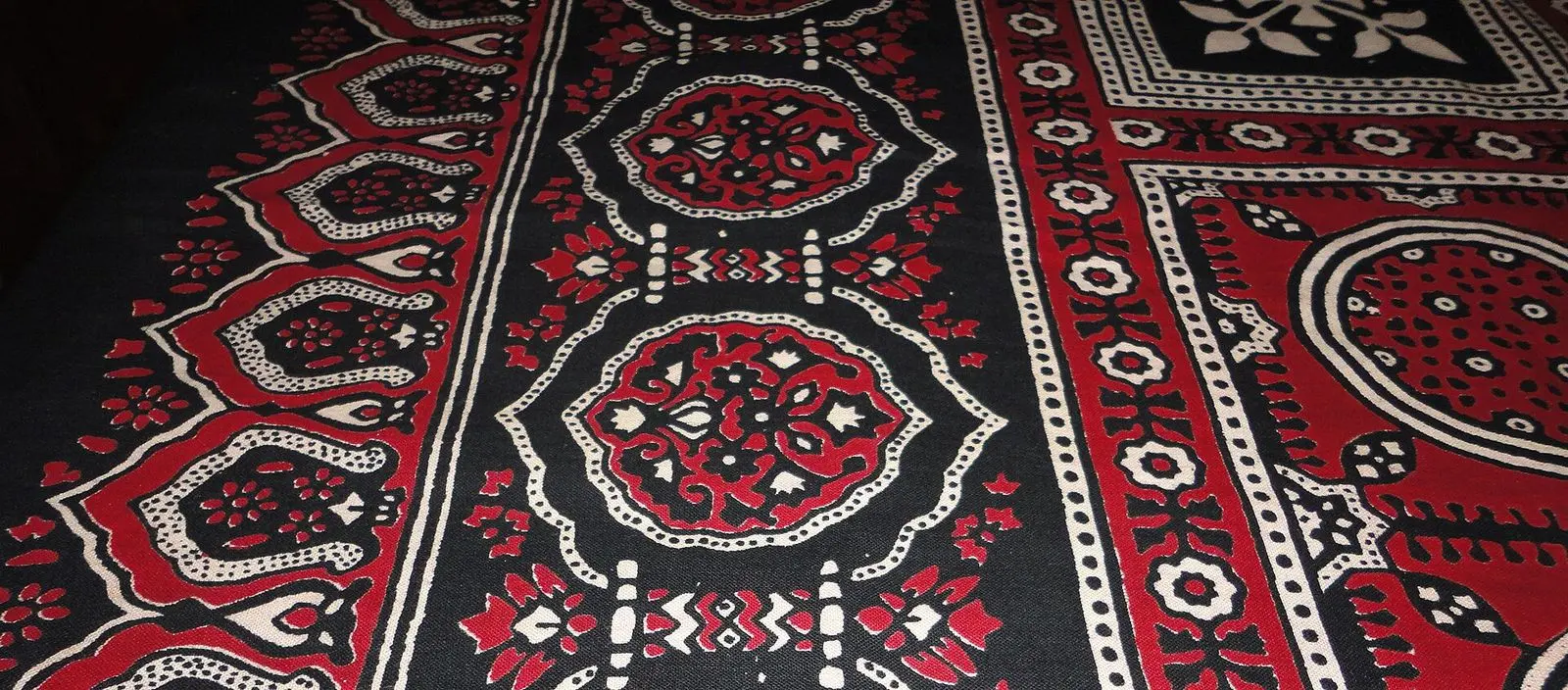
Our garments arm sources lots from manufacturers in Gandhi Nagar and supplies them by the lot, packed and handed to your transporter. Each style is quoted by the piece, with GST and freight on their own lines.
If you buy in person, our checklist for the Gandhi Nagar garment market covers size ratios, fabric checks and samples. Sellers near other clusters, such as Surat for sarees and synthetic fabrics, will find their trade covered on our page for ecommerce services in Surat.
Whatever the source, measure every style before it is listed. A lot whose sizes run inconsistent is a returns problem bought in advance.
With a price that holds its own in the product grid, a main image that stops the scroll, and enough stock to fill every order. A new catalogue with no ratings has to win on those three alone.
Late dispatch, cancellations, wrong or damaged products, copied images, and persistent quality complaints. Meesho tracks each supplier’s record and can penalise individual orders, block catalogues or restrict the account when the pattern continues.
When a penalty or block arrives, read the reason in the panel, fix the cause, and raise a ticket with evidence if you think it is wrong. Decisions rest with Meesho; a precise, prompt response is the part you control.
On Meesho, the margin is made at the packing table and lost at the door.
When catalogues, claims and payouts take more hours than you have, when penalties arrive faster than you can trace them, or when you are adding Meesho to other marketplaces with the same small team.
We are an operator, not an agency: we run brands of our own as well, and work from the seller’s side. Our marketplace account management services cover catalogue uploads, pricing, stock counts, returns and claims, penalties and payout reconciliation.
Packing and shipping stay with you. If you also need stock, our garments arm can supply wholesale lots. Tell us what you sell and where you sell it, and we will reply with what we would take on first.
We run Meesho Supplier Panel accounts through the access you grant: catalogue uploads, pricing, stock counts, returns and claims, and payouts.
Where a brand’s first orders should come from: what marketplaces and D2C storefronts cost, what each controls, and when to run both.
What to check before anyone runs your marketplace accounts: access and permissions, weekly reporting, settlement reconciliation, account health and exit terms.
A step-by-step guide to selling on Amazon India: documents, Seller Central registration, shipping routes, listings, fees, first orders and suspension risks.
Tell us what you sell and where. We reply with our questions and a scope, with GST on its own line.