Ecommerce services in Jalandhar
Our ecommerce services in Jalandhar help the city’s makers of balls, hockey sticks, sportswear and hand tools sell online under their own name, to players and to teams. Accounts, listings and ads are handled remotely from Gandhi Nagar, New Delhi; making, stock and dispatch stay in Jalandhar.
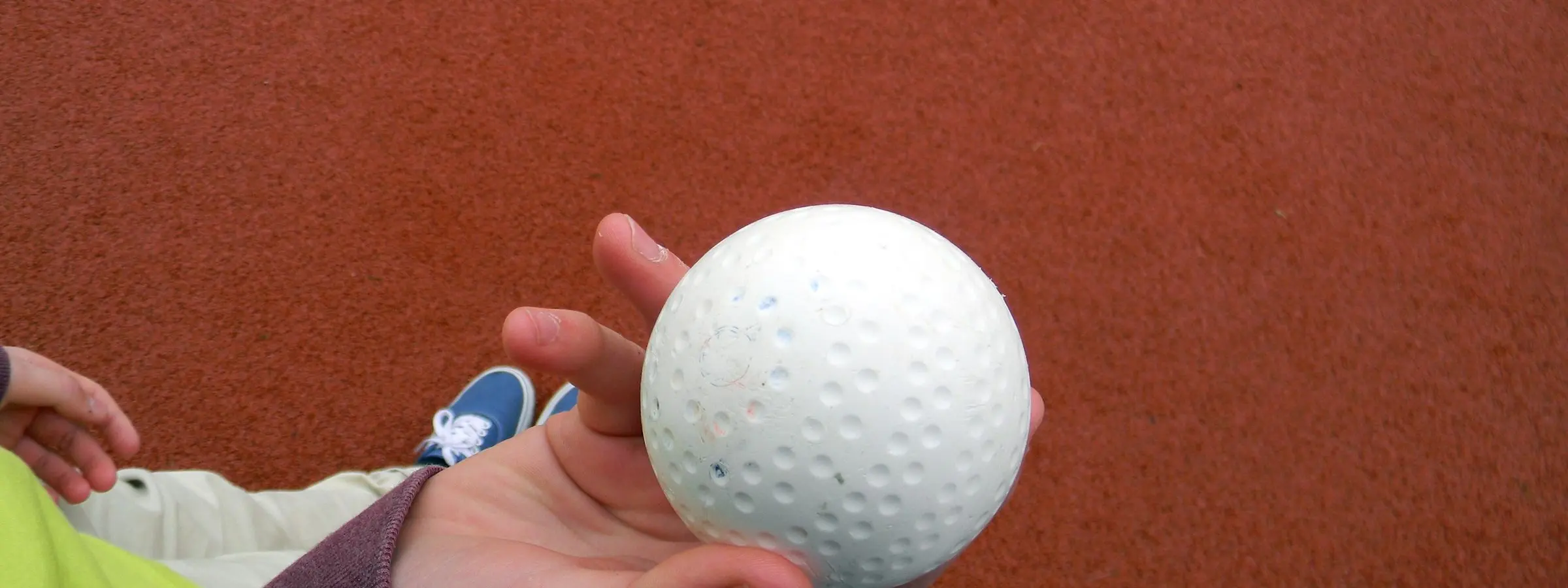
Jalandhar’s trades and their buyers
- Known for
- Balls, hockey sticks, sportswear, sports gear, hand tools
- Buyers
- Players, schools, academies, clubs, sports shops
- Marketplaces to start
- Amazon, Flipkart, Meesho; Myntra and Ajio for sportswear
- Regional demand
- Football in Kerala, Bengal, Goa, North-East
- GST to confirm
- By HSN; sportswear follows the garment rate
- How we work
- Remotely, from Gandhi Nagar, New Delhi
Regional demand shifts with tournaments and seasons; read your own sales by state before setting budgets.
Work for balls, sticks and kits
Marketplace accounts
Amazon, Flipkart, Meesho, Myntra and Ajio run weekly: size grids, deflated-shipping notes, puncture claims and settlement checks.
Ball and stick listings
Size, construction, bladder, surface, length, bow and weight written plainly, with photographs of seams and grips.
Team kit storefronts
Shopify or WooCommerce stores that take team orders: player size lists, name and number proofs, school price lists.
Region-led advertising
Budgets split by state, so football ads run where football is played and hockey ads where hockey is.
Sportswear listings
Track suits, jerseys and shorts with fabric, fit and size charts built for Myntra, Ajio and the generalists.
In short
- Ecommerce services in Jalandhar help sports goods makers sell footballs, volleyballs, hockey sticks, team kits and track suits online to players, schools and clubs.
- A football listing should state the size by age group, the construction, the bladder, the surface it suits and whether it ships deflated.
- Football is especially popular in Kerala, West Bengal, Goa and the North-East, so ball sellers should set ad budgets state by state.
- Team kits with names and numbers are personalised orders, which need proofs, a size list per player and clear terms before production starts.
- Jalandhar makers can work with us remotely from Gandhi Nagar, New Delhi, through logins they control; production, stock and dispatch stay with them.
Our ecommerce services in Jalandhar are for makers of balls, hockey sticks, sportswear, protective gear and hand tools who want to sell online under their own name. We take on the accounts, listings and ads; production and dispatch remain in Jalandhar.
Jalandhar is known for sports goods. Its units make footballs, volleyballs and other balls, hockey sticks, team sportswear, track suits and protective gear, for sports shops and institutions across India and for buyers abroad. The city is also known for hand tools.
Hockey runs deep in the district: Sansarpur, by Jalandhar Cantonment, is known for the many players it has given Indian hockey. That tradition shapes local demand, but online, Jalandhar’s goods are bought all over the country.
Running brands of our own as well is what makes us an operator rather than an agency. From Gandhi Nagar, New Delhi, we work inside the accounts a Jalandhar maker opens to us, report every week and talk things through on calls.
How Jalandhar’s sports goods reach buyers online
Jalandhar’s goods reach buyers by four routes: sports shops that buy ranges in bulk, schools, academies and clubs that order kits in quantity, export buyers, and online shoppers who buy one ball or one stick at a time.
The first three are trade, priced by quotation and settled by invoice. The fourth is retail: one player, one size, judged on a listing and returnable. Many Jalandhar makers serve all four and need to keep their prices apart.
Online selling also changes what a ball must survive. A trade buyer checks a carton of balls on arrival; an online buyer inflates one ball at home, and if it loses air in a week, writes the review the next buyer reads.
The makers who do well online keep the trade and add retail beside it: a marketplace account for searched products, a storefront for team orders, and trade prices for the shops and institutions that come back.
Which marketplaces suit Jalandhar balls and kits?
Amazon and Flipkart carry most searches for balls, sticks and equipment, Meesho suits value balls and practice packs, and Myntra and Ajio suit branded sportswear. A storefront suits team orders, which marketplace listings are not built for.
| Product | Where it usually starts | Watch for |
|---|---|---|
| Footballs and volleyballs | Amazon, Flipkart, Meesho | Size by age, deflated shipping |
| Hockey sticks | Amazon, Flipkart, own storefront | Length, bow, long-parcel freight |
| Track suits and jerseys | Myntra, Ajio, Amazon, Flipkart | Size charts, fabric claims |
| Team kits with names | Own storefront | Proofs, size lists, return terms |
| Protective gear | Amazon, Flipkart | Sizes by age, safety claims |
| Hand tools | Amazon, Flipkart | Sizes in millimetres, set contents |
Amazon and Flipkart work on search. Shoppers type “football size 5”, “hockey stick 36 inch” or “volleyball for outdoor” and filter by size, material and price, so every blank attribute hides the product from a filter.
On Meesho, the price and the first photograph decide most sales. Practice balls and value packs fit there, but one puncture return on a thin margin erases several sales, so price after freight and returns.
Myntra and Ajio approve brands and want sportswear catalogues built to their templates. They suit a Jalandhar label with designs of its own, not stock sold under many names.
Through marketplace account management for Jalandhar sellers we run these panels week by week, from size grids to puncture claims.
What a football or volleyball listing must state
A ball listing must state the size and the age group it suits, how the ball is made, what the bladder is, which surface it is for and how it arrives. Buyers compare balls on exactly those points.
- Size. Size 3 for young children, 4 for juniors and 5 for teenagers and adults in football; volleyballs and other balls by their own sizes.
- Construction. Hand-stitched, machine-stitched or thermo-bonded, named honestly, with the cover material: PU, PVC, TPU or rubber.
- Bladder. Latex or butyl, because buyers who know the difference choose on it: butyl holds air longer, latex feels softer.
- Surface. Grass, artificial turf, hard ground, indoor or sand, and whether the ball suits match play or practice.
- Arrival. Inflated or deflated, with a needle in the box or advice on a pump, and the recommended pressure.
Quality marks need care. Federation and quality-programme marks are licensed to balls that pass their tests; never print or claim one your ball does not hold, and never call a ball the match ball of a league that has not chosen it.
Photographs should show the panels and seams close up, the valve, the ball on the surface it suits, and the ball beside a measure for scale. These fields are what our catalogue and listing work fills in, panel by panel.
Hockey sticks: length, bow and weight
Hockey sticks sell on length, bow, weight and material. A buyer needs the length in inches against player height, the bow profile, a weight class, wood or composite, and the grip, with photographs of the toe and of the bow from the side.
Hockey is especially popular in Punjab, Odisha and Jharkhand, where schools and academies buy sticks and balls in quantity, so a stick seller’s budget leans towards those states rather than spreading across the country.
Junior sticks need a size guide of their own, and a stick is a long parcel, charged on its volumetric weight. Pack it with the toe protected, because a cracked toe is a complaint no listing can answer.
Our page on selling fitness products online covers long and bulky parcels across the category.
Pads, guards and helmets
Protective gear sells on fit and on what it protects. Shin guards, pads, gloves and helmets need sizes by age or by measurement, the materials of the shell and the padding, and a plain account of what each piece is designed for.
Safety claims are where these listings go wrong. Name a standard only where the maker’s test documents support it, and check whether a BIS quality control order covers the product before it is listed.
Photographs should show the inside as well as the outside, the straps and fastenings, and the piece being worn, so a parent buying for a child can judge the size against something familiar.
Selling to schools, academies and clubs
Schools, academies and clubs buy differently from players. Orders come in quantity, a quotation comes before any payment, and the invoice must show the institution’s GSTIN for its accounts.
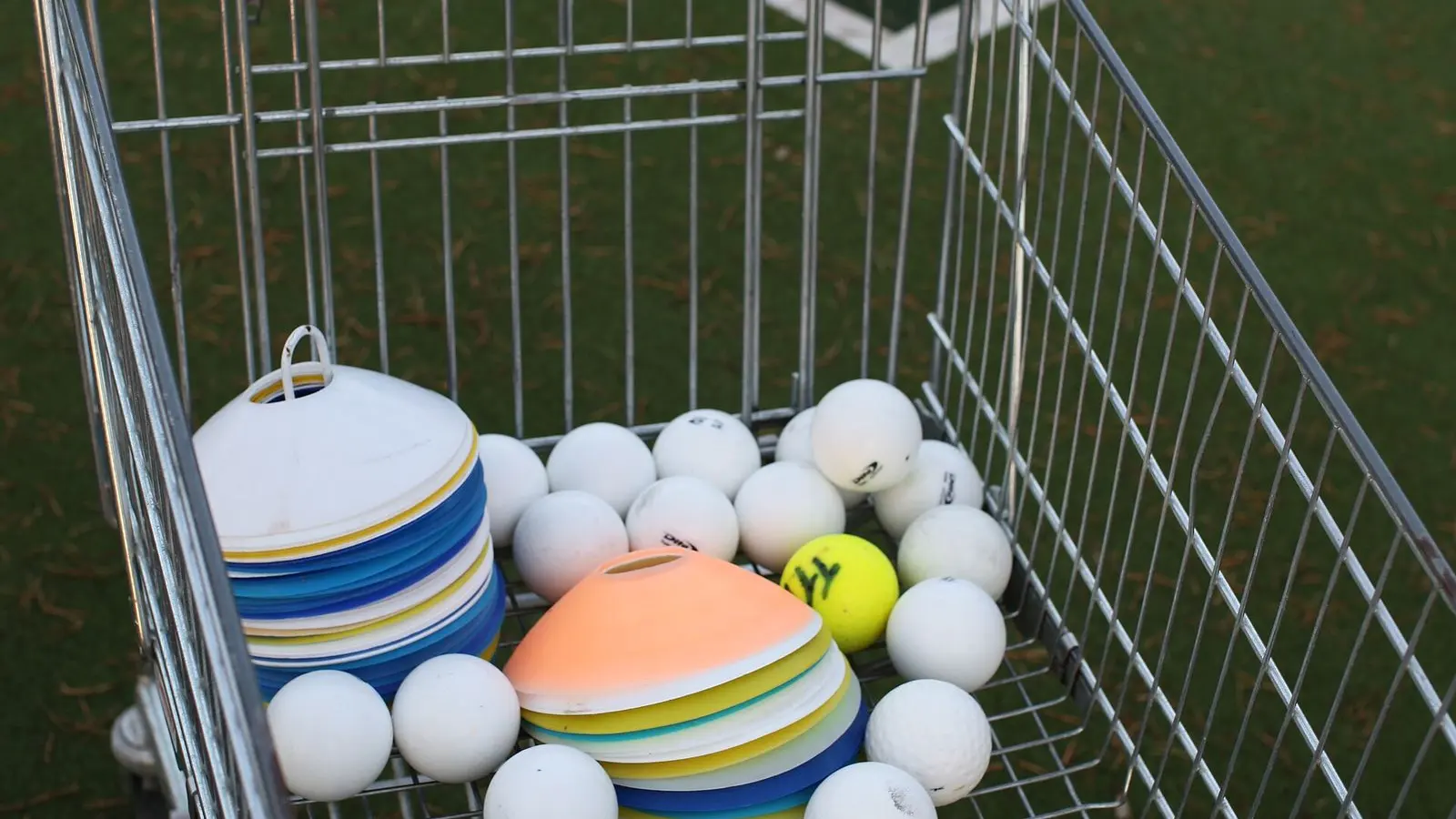
On a storefront they get a login, their own price list, an order form that takes sizes and quantities, and agreed payment terms once they are regular. The marketplaces’ business options, which issue a tax invoice when a GSTIN is entered, suit smaller repeat orders.
Institutional orders stay out of the retail figures; otherwise a single school order in a quiet month makes the ads look better than they are.
Export work, private label and your own brand
Many Jalandhar units make balls and kit for overseas buyers under those buyers’ names. That work builds skill and discipline, but the designs, the marks and the brand belong to the buyer, and none of them can follow the goods onto your own listings.
Selling online starts with a brand of your own: a name, a mark registered as a trademark, and designs that are yours. A registered trademark also lets you use the marketplaces’ brand protection tools when someone copies your photographs or joins your product pages.
Keep export stock and retail stock apart. Balls made against an export order are promised to that buyer, and counting them as available online turns a marketplace order into a cancellation.
Team kits with names and numbers
Team kits are personalised orders, so they need a process of their own: a size list for every player, a proof of names and numbers approved in writing, a production cut-off, and clear terms on returns before anyone pays.
- Size lists. Each player’s size from a measured chart, collected on one form rather than a message thread.
- Proofs. Names, numbers, fonts and colours shown on a mock-up and approved before printing starts.
- Rights. The team’s own name and badge only; never a professional club’s or league’s crest, name or logo without a licence.
- Terms. Personalised kit is usually not returnable; say so before the order, and in writing.
Most marketplace listings are not built for that workflow, which is why team kits suit a storefront. Our D2C storefronts page covers the build: order forms, trade logins and invoices.
Where Jalandhar’s football and hockey buyers are
Football is especially popular in Kerala, West Bengal, Goa and the North-East, and hockey in Punjab, Odisha and Jharkhand. A ball or stick campaign aimed at all of India pays for clicks in states where the game is played less.
So budgets go state by state: football ads where football is played, hockey ads where hockey is. We read your sales by state each week and move budget towards the places where orders are kept.
Distance matters too. A ball bought in Kerala or the North-East travels far from Punjab, so delivery promises there follow your carrier’s transit times, and cash-on-delivery limits follow its refusal reports, state by state.
Language matters in those states. Meta lets you reach people by the language they use in its apps, and Google matches Search ads to the language they are written in, so test Malayalam or Bengali creative if your buyers read them.
Our Google Ads and Meta Ads management runs those campaigns, with budgets split by region and stop rules tied to stock.
The selling year for balls, sticks and kits
Demand for Jalandhar’s goods follows school terms, regional seasons and the weather, so the plan runs by product and by region rather than one calendar for the country.
| Period | What moves | Where to look first |
|---|---|---|
| Before school terms begin | Balls, sticks and kits for school teams | State by state, by school calendar |
| Monsoon | Indoor and futsal balls; outdoor play slows | Where the rains have arrived |
| Autumn sale events | Balls, sets and sportswear | Across India |
| North Indian winter | Track suits and warm-up wear | Punjab and the north |
| New year | Fitness gear and training balls | Across India |
Ask your trade buyers when their seasons start, because their orders move before retail does. Your own sales by state then show where each line is bought, and the budget follows that rather than a guess.
Track suits and sportswear from Jalandhar
Track suits, jerseys and shorts sell as clothing, with clothing’s rules: fabric named plainly, a size chart measured from finished pieces, fit notes, and photographs on a model. They also follow clothing’s seasons.
Track suits sell through the north’s winter, and jerseys and shorts in the warm months, so a Jalandhar sportswear label has two seasons to plan. Ludhiana’s knitwear units make track suits and sportswear too; our page for Ludhiana sellers covers that side.
At the time of writing, readymade garments carry GST at 5% where the sale value is up to ₹ 2,500 a piece and 18% above it, under the GST Council’s September 2025 rate changes; your adviser confirms the rate for each product.
Our page on selling clothes online in India covers size charts and returns in depth. If your sports shop also sells everyday clothing, our garments arm supplies readymade garments by the lot from Gandhi Nagar, quoted by the piece and handed to your transporter.
Jalandhar’s hand tools on the marketplaces
Jalandhar’s hand tools, spanners, wrenches and pliers among them, sell online in sets and singles to workshops and households. They are not one of the twelve categories we write about in depth, but the account work is the same.

A tool listing has to give sizes in millimetres, the set’s contents piece by piece, the steel and the finish, and the jobs it suits. A claim about the steel needs the maker’s documents behind it, like any other material claim.
Tools are heavy for their size, and a set in a case can be charged on either weight. Business buyers often want GST invoices, which the marketplaces’ business options provide where a buyer enters a GSTIN.
Packs, sets and the declarations on them
Practice balls sell in packs, and coaches buy them that way: several balls with a pump and a carry bag for a training session. A pack carries a low price per ball, so it earns where a single cheap ball cannot pay its own fees.
A pack declares its net quantity as a number of pieces, with the other Legal Metrology declarations printed on the pack, and the listing shows the same declarations apart from the month and year.
A set is in stock only while every piece in it is. When pumps run out, the sets that include one come off sale until the refill arrives, rather than collecting orders that cannot be filled.
Why balls come back, and what prevents it
Balls come back for a few reasons, and each one points at the listing, the box or the workshop. Reading return reasons by model every week shows which.
| Why it came back | What the listing should say | What the workshop checks |
|---|---|---|
| Arrived flat | Ships deflated; needle and pressure | A needle in every box |
| Loses air | Bladder type, stated honestly | Each ball inflated and timed before packing |
| Wrong size for the player | Age band beside every size | — |
| Too hard or too light | Surface and use: match, practice, indoor | — |
| Seam opened | — | Stitching checked against the sample |
| A used ball sent back | — | Photographs of each packed ball |
We read the reasons and file the claims; the packing, the dispatch and the fixes in the workshop stay with you.
What a ball order costs you to sell
Inflated, a ball needs a big box and is often billed on volume; deflated, it ships small. Added to that are the marketplace’s commission and fees, freight out and back on returns, any sale-event discount you fund, advertising, and punctured balls that cannot be resold.
- Punctures and leaks. A ball that loses air after a week; evidence of how it left you decides the claim.
- Swapped returns. A used ball sent back in place of a new one; photographs of the packed ball support the claim.
- Fixed fees. On a low-priced practice ball, per-order fees can take most of the margin, so packs often earn where singles do not.
- TCS. The marketplace withholds tax collected at source from each payout; it is reclaimed through your GST returns.
Before a price is set, each ball, stick or kit gets its own sum: what it costs to make, what every channel charges, the freight for its box, how many come back, and the lowest price it can take in a sale.
How our ecommerce services in Jalandhar run
For a Jalandhar maker, the work covers listings and size guides built before each season, stock and pricing through the peaks, claims and settlements weekly, team-order storefronts, and ads split by state. All of it runs from Gandhi Nagar, New Delhi.
- Audit. Every listing, size grid and return reason, with open claims and unmatched settlements, product by product.
- Repair. Sizes, construction and materials filled in, team-kit terms written, and any quality mark you do not hold taken off.
- Separate. Retail, institutional and export sales kept in their own columns, each with its own prices.
- Operate. New listings, prices, claims, sale events and ads every week, with one report on kept orders and margin.
We need from you logins to each panel, a product sheet with sizes and materials, your costs, stock counted by size, and one person with the final say on prices.
Meerut makes the cricket side of north India’s sports trade; our page for Meerut sellers covers bats and balls.
Mistakes that cost Jalandhar sellers
The costly mistakes are about honesty and geography: quality marks a ball does not hold, inflated balls in oversized boxes, ads aimed at the whole country, and team kits sold without proofs or terms.
- A quality or federation mark printed on a ball that does not hold it.
- Balls shipped inflated in boxes billed on volume.
- No note that a ball arrives deflated, then flat-ball returns.
- Football ads across India from the first day.
- Team kits printed before the proof is approved.
- A professional club’s crest on a replica jersey.
- School orders counted in the retail ad results.
- Hockey sticks listed without length against player height.
Tell us what you make and who buys it on our contact page; reading your accounts comes first, and our questions and a scope follow.
Jalandhar’s goods, by category
Questions Jalandhar sports sellers ask us
Which marketplace is good for selling footballs online?
Should footballs be shipped deflated?
What size football should a child use?
Can I print team names and numbers on jerseys I sell online?
How do I sell hockey sticks online?
Do you handle bulk orders from schools and academies?
What do ecommerce services cost a Jalandhar sports brand?
Can you manage our hand tools listings as well as sports goods?
Other cities we work with
- Delhi NCR
- Mumbai
- Bengaluru
- Hyderabad
- Chennai
- Kolkata
- Pune
- Ahmedabad
- Surat
- Tiruppur
- Ludhiana
- Jaipur
- Lucknow
- Indore
- Chandigarh
- Kochi
- Coimbatore
- Panipat
- Karur
- Solapur
- Varanasi
- Bhadohi
- Moradabad
- Firozabad
- Saharanpur
- Jodhpur
- Agra
- Kanpur
- Kolhapur
- Meerut
- Channapatna
- Sivakasi
- Kannauj
- Mysuru
- Srinagar
- Amritsar
Tell us what your Jalandhar unit makes.
Send your products, the channels you sell on and who buys from you: players, teams or shops. We come back with questions, then a scope and a quotation.