Marketplace accounts for Agra shoemakers
Our marketplace account management in Agra runs the seller panels of footwear makers who sell their own pairs: size-run catalogues, stock by size, exchanges, claims and settlements. The work happens remotely from Gandhi Nagar, New Delhi, and your pairs never leave your hands.
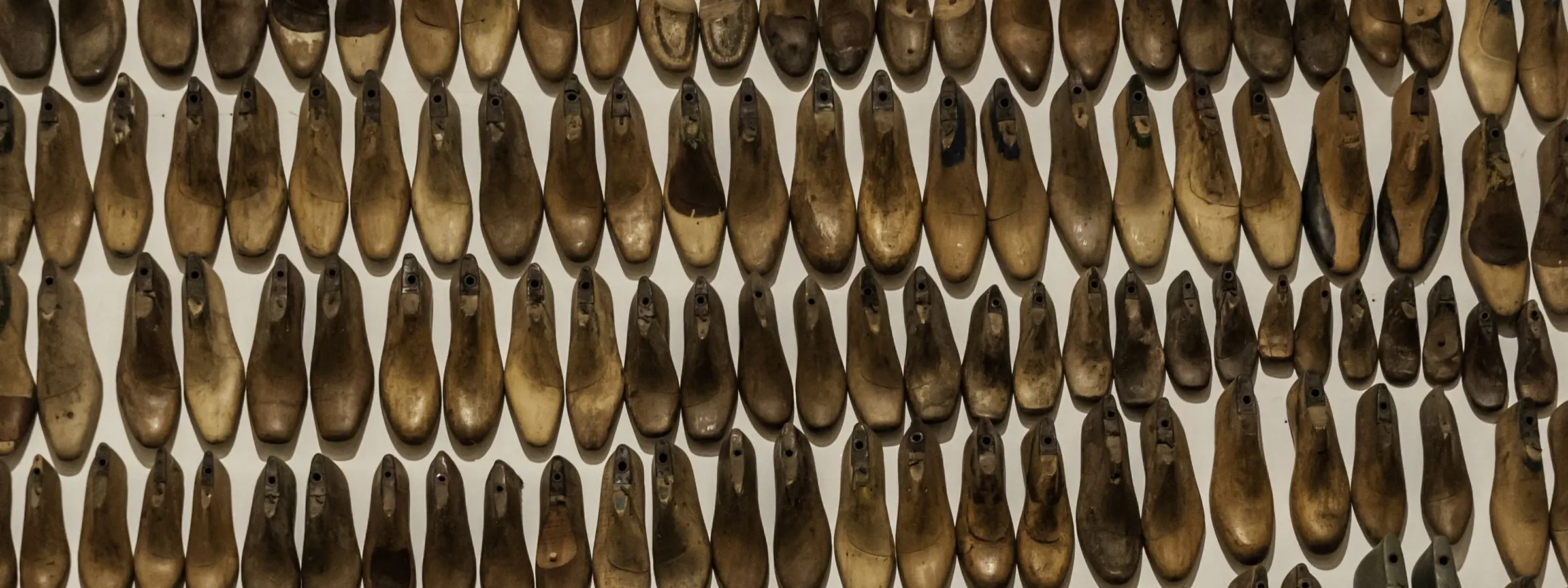
What shapes an Agra footwear account
- Marketplaces we run
- Amazon, Flipkart, Meesho, Myntra and Ajio
- Catalogue unit
- One style, every size and colour
- Stock counted
- Pair by pair, size by size
- Documents to keep
- BIS licence details, label photographs
- Claims evidence
- Opening videos, sole photographs
- Run from
- Gandhi Nagar, New Delhi, without visits
In short
- Marketplace account management for an Agra shoemaker means the seller panels are run weekly, size by size, while the maker keeps production, stock and dispatch.
- A footwear catalogue should keep every size and colour of a style on one product page, built to each marketplace’s variation rules.
- Returns of worn or swapped pairs can be claimed only with evidence recorded when the parcel is opened, inside each marketplace’s time limit.
- Where a BIS quality control order covers a style, marketplaces can ask for the licence details before the listing goes live.
- We run Agra sellers’ accounts remotely from Gandhi Nagar, New Delhi, through user permissions; the owner login and bank details stay with the seller.
Our marketplace account management in Agra is for footwear makers who sell their own pairs on Amazon, Flipkart, Meesho, Myntra and Ajio, and whose panels have outgrown the person running them. We take over the weekly work from Gandhi Nagar, New Delhi.
We run brands of our own as well. For an Agra footwear account, size questions, exchanges and returned pairs shape the panel work. The making, the stock and the packing stay in Agra; the panels become our job.
Why footwear accounts need their own routine
A footwear account multiplies every task by size. Each style in each colour carries a full run of sizes, and each size has its own stock count, its own returns and its own place in a variation family.
That is why Agra makers who list well still fall behind. The listing goes up once; the size-level work arrives every day, from an oversold size to an exchange that needs logging and a pair that comes back worn.
Our marketplace account management service describes the routine in general. This page covers what changes when the product comes in sizes and the seller is an Agra workshop.
Which panel suits each Agra style family
Each part of an Agra range asks something different of the account, so the weekly work is planned by style family as well as by marketplace.
| Style family | Panels | What the account watches weekly |
|---|---|---|
| Men’s formal leather shoes | Amazon, Flipkart, Myntra | Width complaints, colour returns, wedding-season stock |
| Casual shoes and loafers | Amazon, Flipkart, Ajio | Size exchanges, copied listings |
| Women’s heels and flats | Myntra, Ajio, Flipkart | Heel-height accuracy, fit refunds |
| Value sandals and slippers | Meesho, Flipkart | Margin after fixed fees, worn returns |
| School shoes | Amazon, Flipkart | Stock before each reopening, child-size exchanges |
The table changes as your sales do. If heels start returning more on one panel than another, the listing on that panel gets read first, because its size chart or photographs usually explain the gap.
Building size-run catalogues on each panel
Every size and colour of a style should sit on one product page, built to that marketplace’s variation rules. Reviews then gather in one place, and a buyer who lands on the wrong size can switch without searching again.
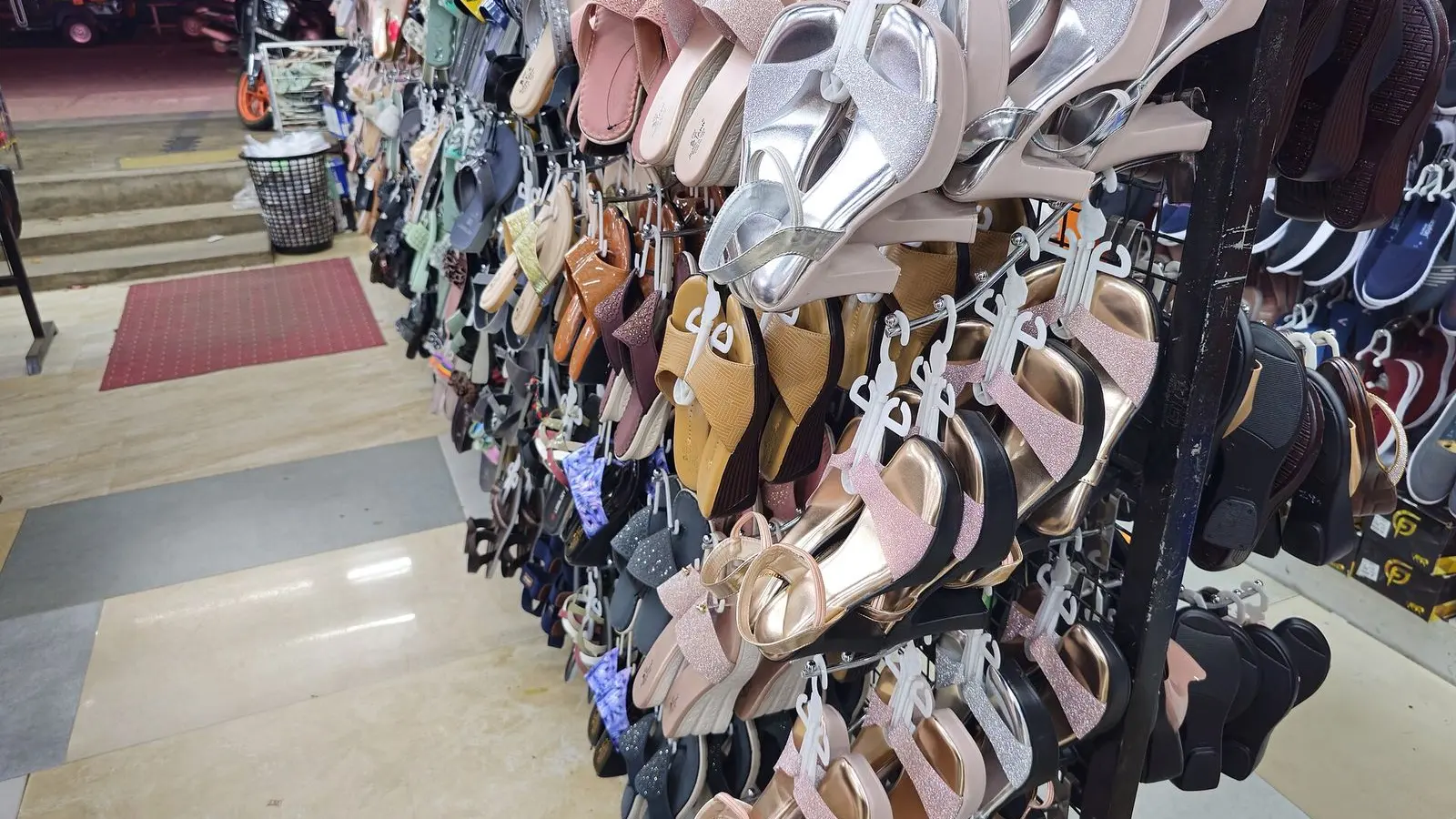
- Amazon groups sizes and colours under a parent product and lets other sellers offer the same product, so we watch who else appears on your pages.
- Flipkart checks size, colour and material against its own templates, and a mismatch keeps a variation from going live.
- Meesho is judged on a phone screen, so the first image of each style has to show the shoe clearly at a small size.
- Myntra and Ajio want style codes, colour names and a size chart in their own format before a style goes live.
The common mistake is grouping things that are not one style to borrow reviews. Marketplaces restrict variation families to products that differ only in attributes such as size and colour, and act on families that break the rule.
Counting stock by size across five panels
One count drives every panel: yours, from the workshop or the stockroom, updated on a schedule we agree. Each marketplace then shows only the sizes you hold, with a small buffer per size before sale events.
An oversold size turns into a seller cancellation, and marketplaces count cancellations against account health. In footwear one size runs out long before the style does, so the buffer is held size by size rather than style by style.
When the middle sizes of a style go, we pause its sponsored ads and sale-event offers and tell you which sizes to refill first. A broken run on promotion collects clicks from buyers who cannot find their size.
Our page on performance marketing for Agra footwear brands applies the same rule to ads off the marketplaces, so a style short of sizes stops everywhere at once.
Wedding-season styles need the earliest counts. Formal shoes and embellished pairs for the winter weddings should be live and counted before the autumn sale events, so ratings exist when the season’s buying starts.
Exchanges, worn soles and swapped pairs
Footwear returns come in three kinds, and the account handles each differently: a size exchange, a refund for fit or comfort, and a pair that comes back worn or is not the pair you sent.
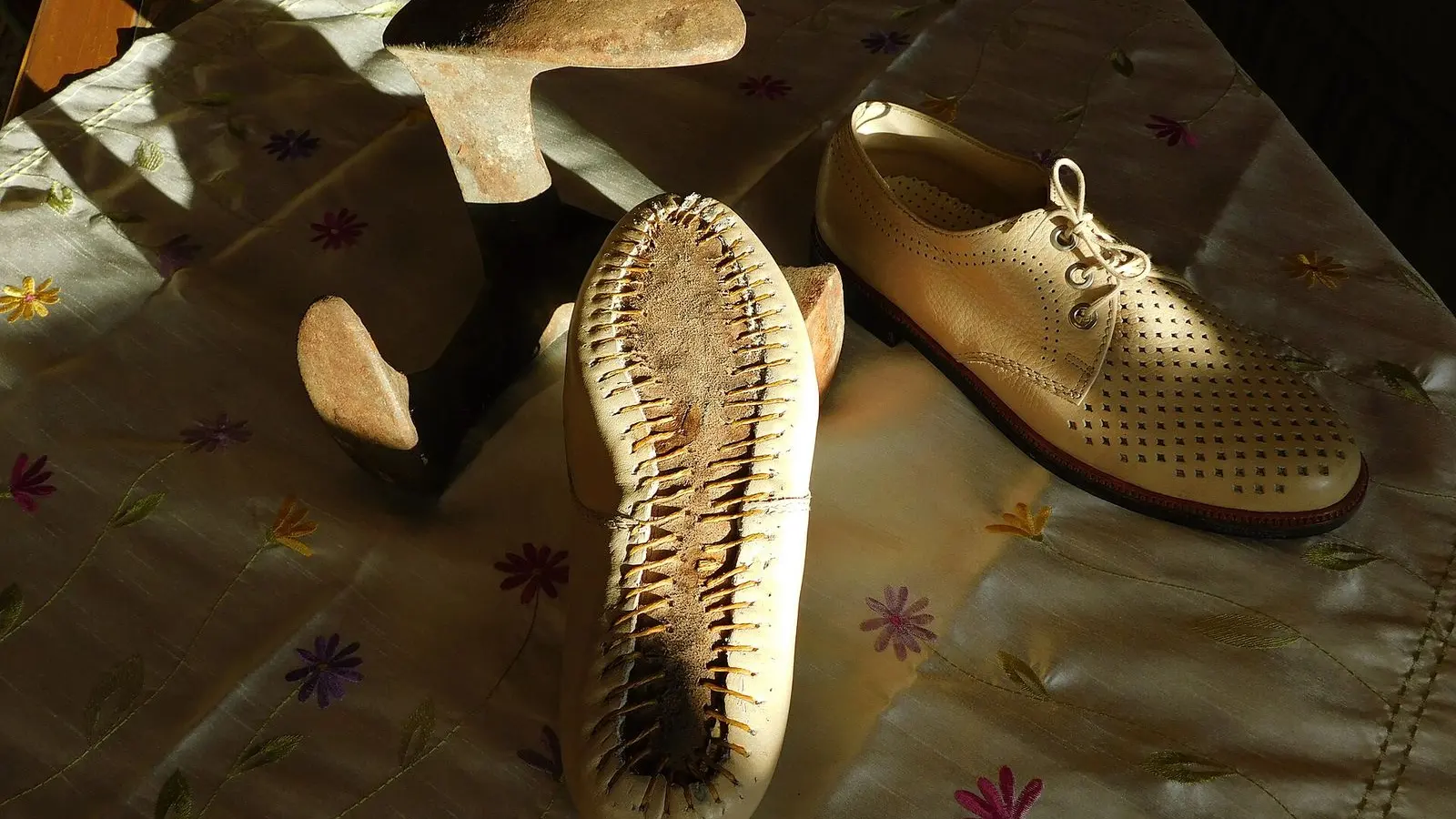
- Exchanges. Where a marketplace offers them for your category, we switch them on and log each one, because an exchange keeps the sale.
- Fit refunds. Grouped by style and size every month, and sent back to the size chart and your last records.
- Worn or swapped pairs. Claimed with your opening video and sole photographs, inside the marketplace’s time limit.
Your staff record each returned parcel being opened, label in view, and photograph the soles. We file the claim, attach the evidence and follow it to a decision or an appeal; the parcels themselves never come to us.
RTO, return to origin, is tracked apart: orders refused at the door or undeliverable. A cluster of RTO from one area becomes a question about cash on delivery there, not a returns problem.
Sale events and wedding months on the panels
Sale events ask for commitments before they start: event prices, deal submissions and the stock you promise to hold.
For a footwear account the promise is made size by size, because a deal that runs out of its middle sizes on the first day still counts as a deal you offered.
Before each autumn event we send you a plan per style: the price, the sizes and quantities it assumes, and the margin left after fees and an allowance for returns. The purchase and production decisions stay with you.
The wedding months then bring their own timing. Delivery promises on formal shoes and embellished pairs are checked against your handling time, so a pair bought for a wedding is promised for a date it can meet.
Reviews, size complaints and account health
Reviews on a footwear page talk about size more than anything else. We read them every week by style, and when “runs small” or “too narrow” starts to repeat, the size chart and the fit note change before the next order arrives.
Reviews are never bought, swapped or rewarded; marketplaces ban that and act on it. Where a marketplace lets a seller reply, the reply is factual: the size advice, the care instructions, the exchange route.
- Cancellations from oversold sizes, the measure stock buffers protect.
- Late dispatch, which sits with your staff; we bring them the order detail.
- Listing complaints about material, usually a leather claim on a synthetic upper.
- Rights notices, such as a complaint that a design belongs to an export buyer.
Each measure is checked daily against the marketplace’s threshold, and a slipping measure comes with a written plan.
Documents the panels ask Agra sellers for
Footwear brings documents into the account. Where a BIS quality control order covers a style, marketplaces can ask for the licence details on the listing and block listings without them; your compliance adviser confirms which styles are covered.
Label photographs come next. Marketplaces ask to see the Legal Metrology declarations on your boxes, including MRP and net quantity as a number of pairs, and the listing carries the same declarations apart from the month and year.
Fashion marketplaces add a brand approval step; our page on Myntra seller account management covers it. Amazon’s brand registration, which needs a trademark, gives a registered brand more control over its pages. We keep every document current in each panel and diary renewals.
Settlements, fees and low-priced sandals
Every payout is matched to its orders, refunds, fees and deductions, including TCS, tax collected at source under GST. Footwear adds two checks: the fees charged on returned and exchanged pairs, and shipping fees worked out on a shoebox’s volumetric weight.
Low-priced sandals and slippers need a third. Fixed fees per order take a large share of a low price, so each style’s margin after fees is checked every month, and styles that only keep the account busy are flagged.
Before the wedding months and the autumn sales, we also show you when the payouts for the busiest weeks are due, so leather, soles and boxes for the next run are bought against money that has arrived, not money promised.
Short payments are raised with the marketplace as tickets and tracked in a shared sheet until they close. Your accountant receives a monthly TCS summary for each marketplace.
The first month, run from Gandhi Nagar
Nothing changes on your accounts until we have read them. The work happens inside the panels, so no one travels in either direction; the first month is reading, agreeing and clearing what has piled up.
- Access. You add us as a user on each panel; we list suppressed styles, broken variation families, open claims and unmatched payouts.
- Agreement. Floor prices per style, who approves sale-event offers, the stock schedule and who records returns.
- Backlog. Claims inside their time limits first, then unpaid orders, then catalogue repairs, in order of the money involved.
- Routine. Daily checks, a weekly report and call, and a monthly review timed to the next season: weddings, Diwali or school reopening.
From you we need user access, a style sheet with sizes, colours, materials and floor prices, your stock export, and opening videos of returns. One person decides prices and offers.
Our fee carries GST at 18% on its own line; commissions and ad spend go to the platforms. Everything else we run for the city is on our page about ecommerce services in Agra, and you can send us your panels and size problems.
Account work for Agra footwear
Amazon seller accounts
Variation families, size-wise stock, exchanges and claims on Amazon, with BIS details kept current where an order applies.
Flipkart and Meesho panels
Flipkart sale-event offers on full size runs, and Meesho kept to value sandals that hold margin after returns.
Myntra and Ajio catalogues
Brand approval, style codes, size charts and colour names for Agra labels selling design-led footwear.
Exchanges and claims
Size exchanges logged, and worn or swapped pairs claimed with evidence inside each marketplace’s time limit.
Everything else in Agra
Size charts, listings, storefronts and ads for Agra footwear brands, on our page about the city.
Questions Agra sellers ask about accounts
How much does marketplace account management cost for a footwear brand in Agra?
Should every shoe size be a separate listing on Amazon?
Can I offer size exchanges instead of refunds on Flipkart?
How do I claim for shoes returned worn or a different pair?
Will Amazon ask for a BIS licence for footwear?
What happens to my listings when a size sells out?
Can you run only Myntra and Ajio for my footwear label?
Does an Agra seller have to visit Delhi to hand over the accounts?
The same service in other cities
- Delhi NCR
- Mumbai
- Bengaluru
- Hyderabad
- Chennai
- Kolkata
- Pune
- Ahmedabad
- Panipat
- Karur
- Solapur
- Varanasi
- Bhadohi
- Moradabad
- Firozabad
- Saharanpur
- Jodhpur
- Kanpur
- Kolhapur
- Meerut
- Jalandhar
- Channapatna
- Sivakasi
- Kannauj
- Mysuru
- Srinagar
- Amritsar
- Surat
- Tiruppur
- Kochi
- Coimbatore
- Jaipur
- Lucknow
- Ludhiana
- Indore
- Marketplace accounts across India
Send us your panels and size problems.
List the marketplaces you sell on, roughly how many styles and sizes you carry, and where returns pile up. We read the panels, then send a written scope with the backlog we found.