Ecommerce websites for Surat labels
Our ecommerce website development in Surat builds Shopify and WooCommerce stores for saree, lehenga and dress-material labels, and catalogue sites for the resellers they supply. We build and look after them remotely from Gandhi Nagar, New Delhi; packing and dispatch stay in Surat.
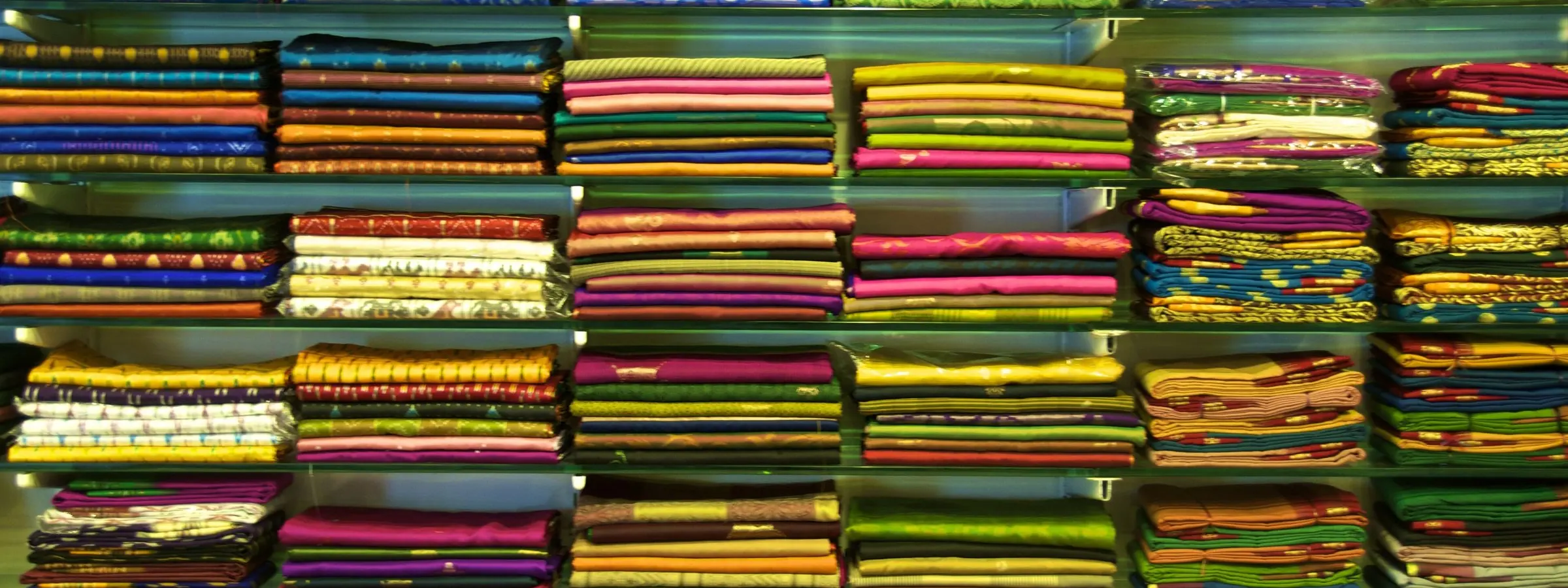
What a Surat label’s store must handle
- Platforms
- Shopify or WooCommerce
- Buyers served
- Shoppers, and resellers with a login
- Product fields
- Fabric, work, length, blouse piece, occasion
- Pages to keep quick
- Saree pages with many photographs
- Invoices
- IGST beyond Gujarat, CGST and SGST within
- Built from
- Gandhi Nagar, New Delhi, remotely
In short
- Ecommerce website development for a Surat label means a store that carries photo-heavy saree pages quickly, takes UPI and cash orders, and issues GST invoices.
- A Surat trader that shares catalogue photographs with resellers can move that catalogue onto a reseller login, with trade prices and downloadable images.
- Fabric, work, length and blouse-piece details stored as product fields drive a saree store’s filters and the product feeds Google and Meta read.
- Occasion wear needs a returns flow that asks for photographs and an intact tag before a pickup is booked, under a policy the label writes.
- We build Surat stores remotely from Gandhi Nagar, New Delhi, and connect them to the label’s shipping app; packing and dispatch stay with the label.
Ecommerce website development in Surat usually starts from a catalogue that already sells: designs photographed for resellers and listed on marketplaces, with no home of their own. We build Shopify and WooCommerce stores for Surat labels and traders from Gandhi Nagar, New Delhi.
The store, the domain and the payment gateway are registered to your business, and your staff in Surat pack and send every order. We run brands of our own as well, so we judge a store by the orders it keeps, not its looks.
Does a Surat label need its own website?
A Surat business needs its own website when marketplaces and reseller groups no longer carry everything it wants to show or sell. Three kinds of business tend to reach that point first, each for a different reason.
- Labels with their own designs, whose sarees and lehengas are copied or undercut on marketplaces, and who need one place where the original lives.
- Catalogue houses with many resellers, who send each new catalogue to a long list of phones and want reseller orders to arrive complete.
- Makers of occasion wear, whose heavy pieces need more photographs, more detail and more care at checkout than a marketplace template allows.
A value catalogue sold mainly on price is usually better served by the marketplaces for now, and we say so before quoting. For that route, our marketplace account management in Surat is the better first step.
Putting your reseller catalogue on the website
Many Surat traders launch a catalogue by sending its photographs to resellers over messaging apps. A website can do the same job with fewer mistakes: each catalogue becomes a page, and each approved reseller logs in to see it at the prices you set.
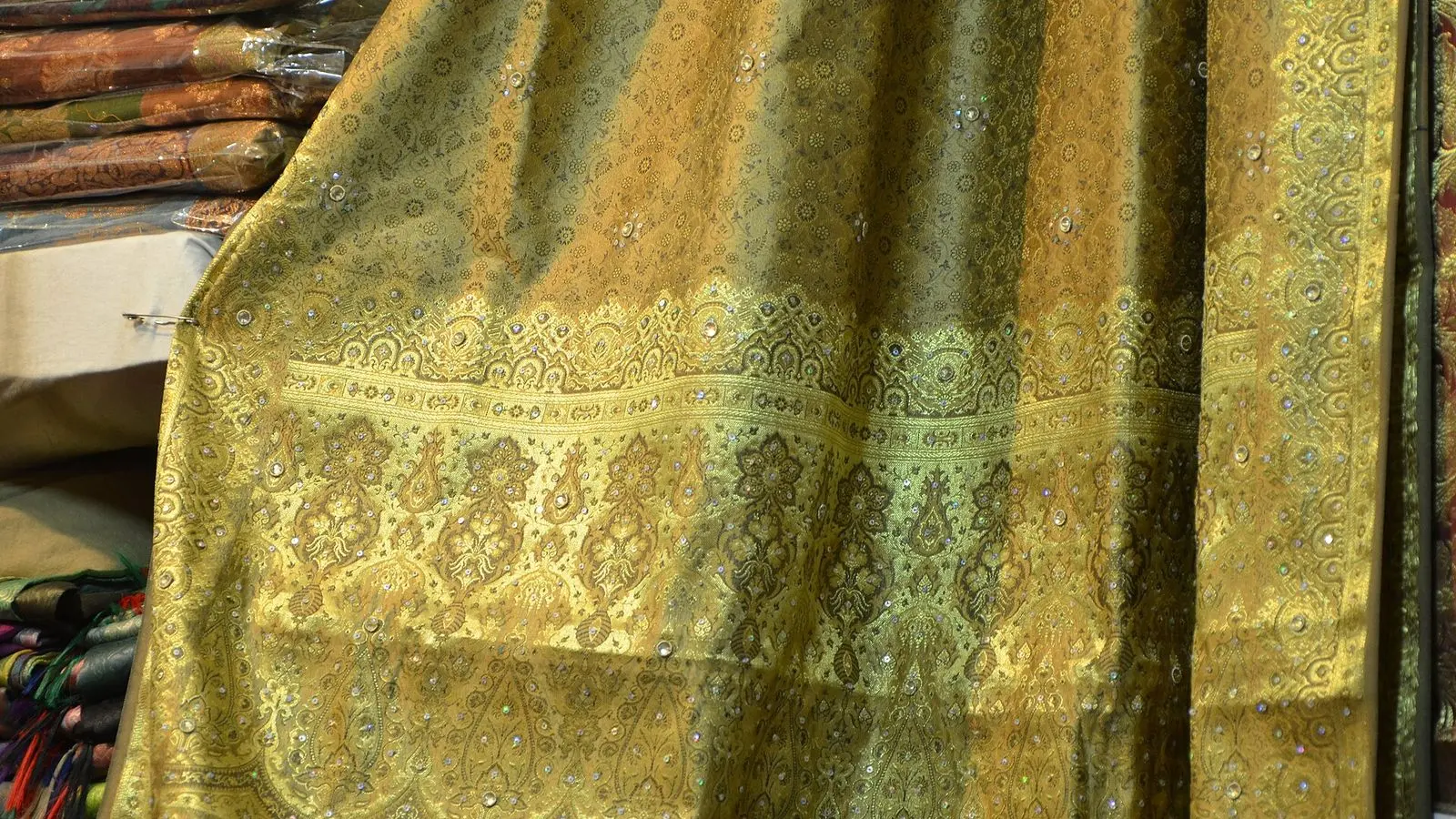
- Approved logins. A reseller applies with a phone number and a GSTIN if registered, and you approve each one before trade prices appear.
- Downloads. Full-size photographs of every design, ready to forward, so a reseller’s pictures match the piece you send.
- Whole sets or single pieces. A reseller can order a catalogue as a full set, which draws stock from each design inside it, or pick single designs.
- Catalogue alerts. Resellers who agreed to hear from you get a message when a catalogue goes live, linking straight to its page.
If you already send single pieces to your resellers’ customers, the store can take those orders: the customer’s address, a packing slip without prices, and your shipping app booking it. We suggest prepaid only, so no cash is collected on a reseller’s behalf.
Retail shoppers never see any of it. They browse the same catalogues as collections at retail prices, and both sides draw on one stock count, so a design that sells out to a reseller leaves the retail pages as well.
Saree pages heavy with photographs, and still quick
A saree page carries more photographs than most products: the drape from front and back, the pallu spread out, the border and blouse piece close up, and often a video of the fabric moving. Each one slows the page unless it is handled with care.
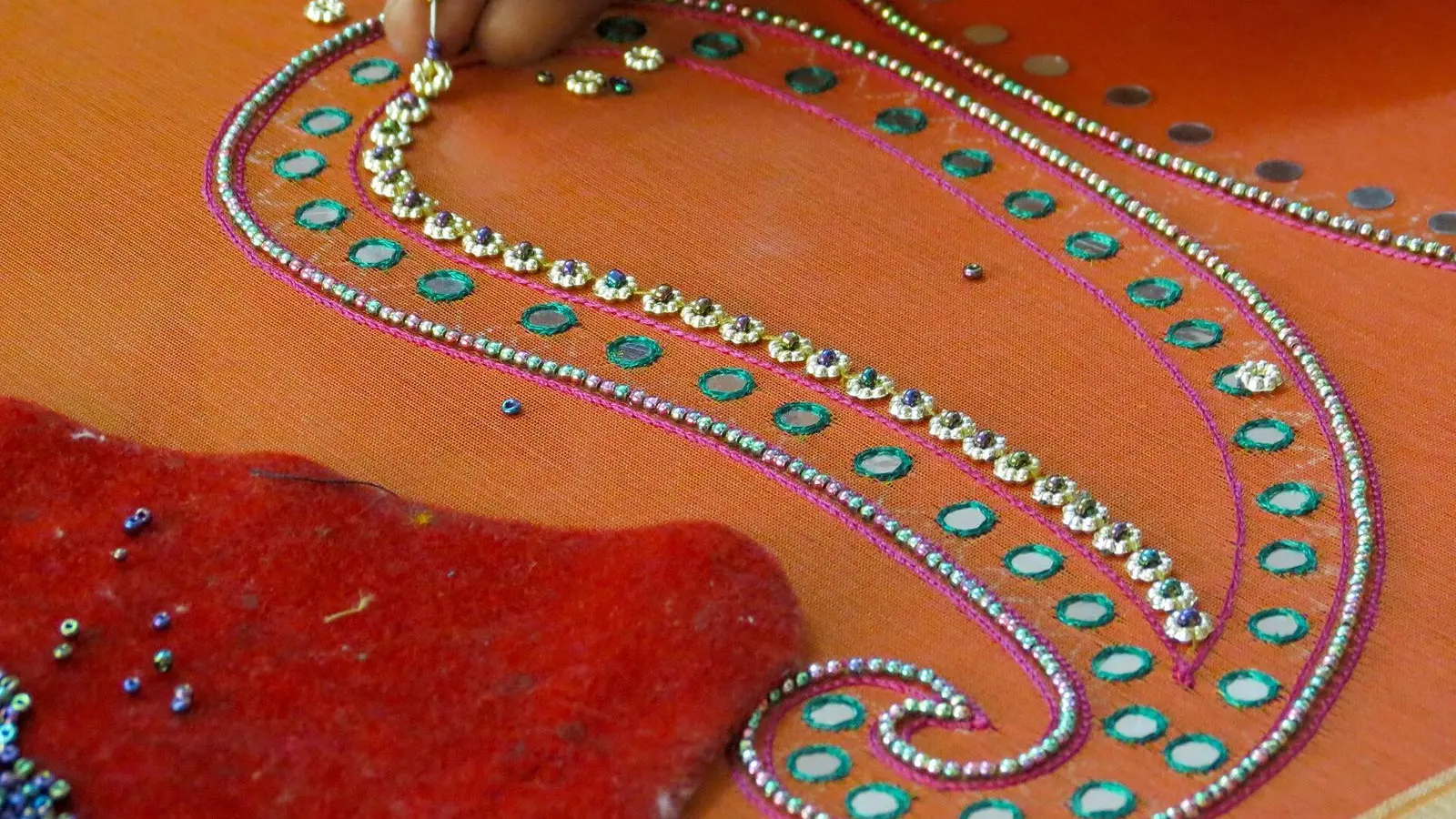
- Images sized to the screen. Photographs resized to the width they display at and served in modern formats, instead of at the camera’s full size.
- Video on tap. The drape video loads when a buyer taps it, not with the page, so the first photograph appears at once.
- Zoom when asked for. A close view of zari and stone work for buyers who want it, loaded only when they ask.
- Swatches from the cloth. Each colour option shows a photograph of that colour’s fabric, not a flat block of colour.
Speed is measured on a phone, using Google’s Core Web Vitals, before launch and after every change. A saree label adds photographs every week, so the image rules are written into the upload routine rather than fixed once and forgotten.
Fabric, work and length as filters and feeds
A buyer looking for a georgette saree with zari work for a wedding should find it in a couple of taps. That happens only when fabric, work, occasion, length and blouse piece are stored as fields on every product, not written loosely into a description.
The same fields then do three jobs:
- Filters on collection pages, so a buyer can narrow to chiffon, sequin work or festive wear.
- Search that understands the words buyers type, from georgette to net to art silk.
- Feeds to Google and Meta, which read colour, material and pattern from the product data rather than guessing from a title.
In the material field, a polyester georgette is a polyester georgette, and art silk, a man-made fabric made to look like silk, is named by its fibre. A store that calls polyester silk invites the returns its filters were built to prevent.
The catalogue sheet you already keep, with design numbers and piece details, becomes the import file. A new catalogue then goes live in one batch with every field complete, instead of design by design over a week.
Festival collections that follow the buyer’s region
A Surat label sells into several festivals in one autumn, each in its own region. The store carries a collection for each, switched on and off by date: Navratri wear, Puja sarees, red sarees for Karva Chauth, then Diwali and the wedding months.
Order-by dates are worked out from the buyer’s pincode rather than printed once for everyone, because a parcel to Gujarat and a parcel to the North-East arrive on different days. Each buyer sees the last safe date for their own address before paying.
Every collection page is ready weeks ahead, so the ads pointing to it have somewhere to land, and it comes down once its last date passes rather than collecting orders that will arrive after the festival.
A returns flow built for occasion wear
Lehengas and heavy sarees bought for one function are the pieces that come back worn. The store cannot stop that, but it can make every return pass a few checks before a pickup is booked.
- A return request form asking for the order number, the reason and photographs of the piece with its tag still attached.
- Tamper-evident tags mentioned on the product page and in the order confirmation, so buyers know before delivery that the tag must stay on.
- Exchanges offered first for size and colour, where your policy allows, before a refund.
- Return windows that you set, shown before payment rather than discovered after delivery.
The policy itself is yours, or your advisor’s, to write; we build it into the store. Cash-on-delivery rules sit beside it: a cap on order value, pincodes where cash is switched off, and a confirmation message before a heavy piece is packed.
A refused lehenga costs freight both ways and a festive season’s selling time, which is why the cash rules tighten before Navratri and the wedding months. Our guide on how to reduce RTO covers the rest of what a store can do.
Shipping heavy lehengas and boxed sarees
A boxed lehenga is charged on its size as well as its weight, so the store’s shipping rates should come from the packed parcel, not the garment. We set them from your shipping partner’s rates, each box size checked with the volumetric weight calculator.
Every order passes to your shipping app, which books the pickup and sends the tracking number back. Your staff in Surat pack it, so the guidance for heavy work, folded with tissue and boxed rather than bagged, goes to them.
Free shipping, if you offer it, is set above an order value a single value saree rarely reaches, so it nudges a buyer towards a second piece instead of eating the margin on the first.
Invoices for orders that leave Gujarat
A Surat store sells to every state, and its invoices follow the parcel. An order delivered outside Gujarat generally carries IGST; one delivered within Gujarat carries CGST and SGST. The store works it out from the delivery address.
Every product carries the HSN code and rate your accountant confirms, which can differ between an unstitched saree and a stitched lehenga, and every return produces a credit note. Shopify’s India tax settings are a starting point, not the finished set-up.
Reseller orders carry the reseller’s GSTIN on the invoice where they have one, and orders shipped to a reseller’s customer raise their own place-of-supply question, which your accountant settles before we set the rule.
A sale on your own store carries no marketplace commission and no TCS deducted by a marketplace; the gateway takes its own charges and pays out on its own schedule.
Before launch we test three orders, one to a Surat address, one to another state and one from a reseller, and your accountant checks each invoice.
How ecommerce website development in Surat runs remotely
We work inside your platform admin and on a staging copy of the store, sharing sheets and taking each decision on a call; nobody travels between Surat and Delhi. Four stages take the store from your catalogue sheet to its first real order.
- Scope. Shoppers only, or shoppers and resellers; the platform, the product fields, the tax settings and the shipping app, agreed in writing.
- Build. On staging, with one full catalogue imported and checked on phones.
- Test. Retail, reseller and cash-on-delivery orders through every payment method, refunds and credit notes included.
- Launch. In a quiet stretch, never between the fortnight before Navratri and Diwali, followed by monthly upkeep.
For a saree label, photographs set the date more than the build does, so the shoot starts first. If screen and cloth colours disagree, compare them in daylight; confirm any physical sample review with us before posting a piece.
The service is set out in full on our D2C storefronts page, and our Surat page covers the rest of our work for the city.
Size charts and returns for kurtis and lehengas are covered on our page about selling clothes online. When you know who the store is for, tell us who buys your designs.
Stores for Surat labels and traders
Shopify stores for labels
Shopify builds for saree and lehenga labels, with collections by fabric, work and occasion, and pages that stay quick on phones.
WooCommerce for large catalogues
WordPress stores for houses with many catalogues, reseller logins and tax set product by product, maintained month to month.
Reseller catalogue logins
Each catalogue as a page approved resellers can browse, download and order from at the trade prices you set.
Saree data written once
Design numbers, fabric, work and blouse-piece details written once and used on the store and every marketplace.
Marketplaces on one count
One stock count shared by the store and the marketplaces, updated as designs sell out in either place.
Traffic planned from margin
Budgets for the new store set from your margin and paced through Navratri, Durga Puja, Diwali and the wedding months.
Questions Surat labels ask about websites
How much does ecommerce website development cost in Surat?
Can my resellers order from my website at wholesale prices?
Can my website send a reseller’s order straight to their customer?
Why is my saree website slow on mobile?
Shopify or WooCommerce for a Surat saree business?
Can customers return a saree they bought for a wedding?
Do I charge IGST on website orders from Surat to other states?
Can you build my store without coming to Surat?
More of our work in this city
Tell us who buys your designs.
Say whether you sell to shoppers, to resellers or both, and where you sell now. We reply with the questions that decide the platform, then a written scope and a quote.