Marketplace accounts for Chennai sellers
Our marketplace account management in Chennai runs the seller side of Amazon, Flipkart, Meesho, Myntra and Ajio for silk, footwear, export garment and linen sellers. We work remotely from Gandhi Nagar, New Delhi, inside accounts that stay in your name.
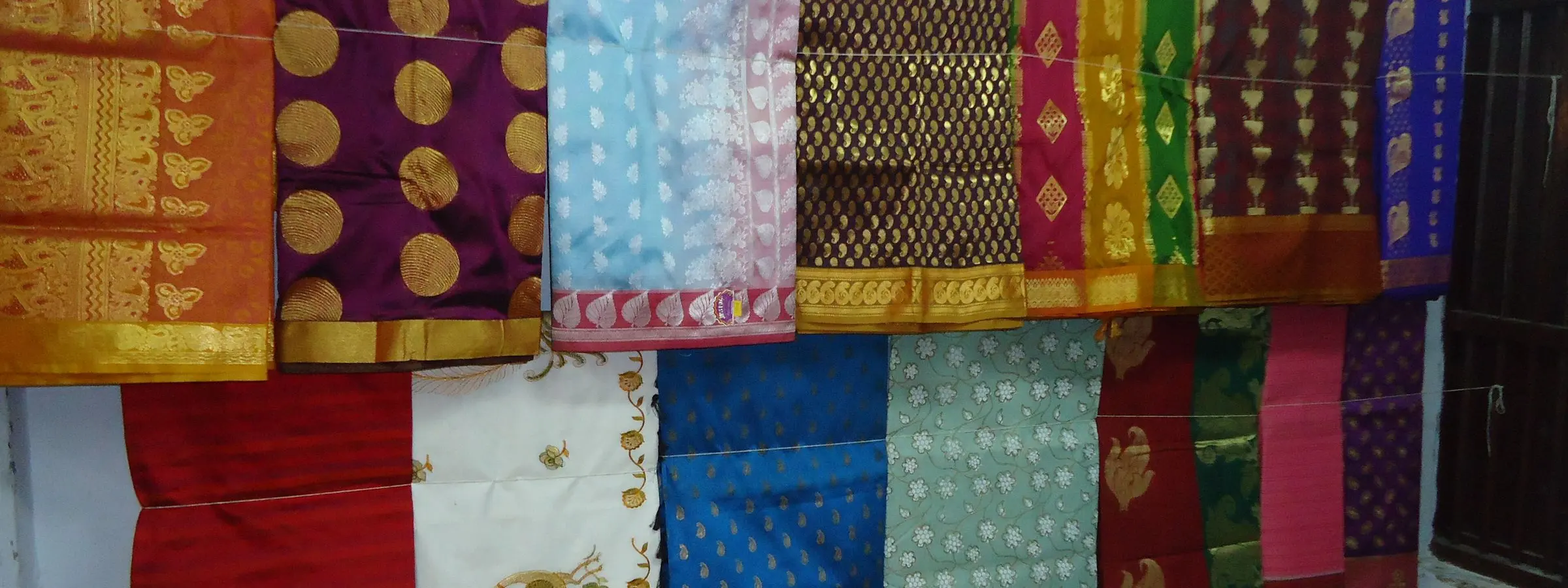
What shapes a Chennai seller’s week
- Marketplaces
- Amazon, Flipkart, Meesho, Myntra and Ajio
- Hardest stock to run
- One-off silk sarees and sized footwear
- Discount month
- Aadi, mid-July to mid-August
- Busiest panel weeks
- Pongal, Navaratri and Deepavali
- Weather to plan for
- North-east monsoon, October to December
- Packing and dispatch
- Stay with you or your provider
In short
- Marketplace account management in Chennai covers listings, prices, stock, returns, claims and settlements on Amazon, Flipkart, Meesho, Myntra and Ajio, run week by week.
- A one-off silk saree should be listed as its own product with a stock of one, and zeroed on every marketplace once it sells.
- Aadi discounts, from mid-July to mid-August, need a floor price for every line and a fixed end date, so festive ranges start at full price.
- During the north-east monsoon, lengthening handling times protects a self-shipping seller’s account health better than cancelling orders that cannot leave on time.
- We run Chennai accounts from Gandhi Nagar, New Delhi, through user permissions; packing, dispatch and receiving returns stay with the seller.
Marketplace account management in Chennai is the weekly running of Amazon, Flipkart, Meesho, Myntra and Ajio for stock that is rarely uniform: one-off silk sarees, export-cut garments, pairs from the leather towns, linen sets. We run it from Gandhi Nagar, New Delhi.
Your accounts stay registered to your business. We work through the user permissions you grant and report every week, while packing, dispatch and the receiving of returns stay with your own people. What follows is how the work bends around Chennai’s stock and Chennai’s year.
What we watch hardest on Chennai accounts
The weekly routine is the same on every account; where it bites depends on what you sell. A Chennai catalogue often mixes two or three of the stock types below, and each presses on a different part of the seller panel.
| Stock | Where the account work bites | Why |
|---|---|---|
| Kanchipuram and other silk sarees | One listing per piece, returns, claims | Each saree is close to unique and costly, so one wrongly accepted return can cost the whole margin |
| Export surplus and own-label garments | Size mapping, stock by size | Export grading has to be matched to each marketplace’s size values |
| Footwear from Ambur, Vaniyambadi and Ranipet | Category approval, returns on fit | Pairs come back on size, and some footwear needs compliance papers before it can be listed |
| Bedsheets and towels from Karur and Erode | Set contents, net quantity | A set listed without its piece count invites complaints and returns |
| Veshtis and pattu pavadai | Seasonal listings | Demand gathers around Pongal and weddings, and the listings sleep in between |
The scope we agree names the rows that apply to you and who in your business answers for each. The person who prices silk is rarely the person who counts towels, and the weekly call needs both.
Listing sarees that exist only once
A saree that exists once fits awkwardly into tools built for identical units. Variation listings assume many pieces differing only in size or colour, yet two Kanchipuram sarees sold as “red” can differ in border, motif and weight.
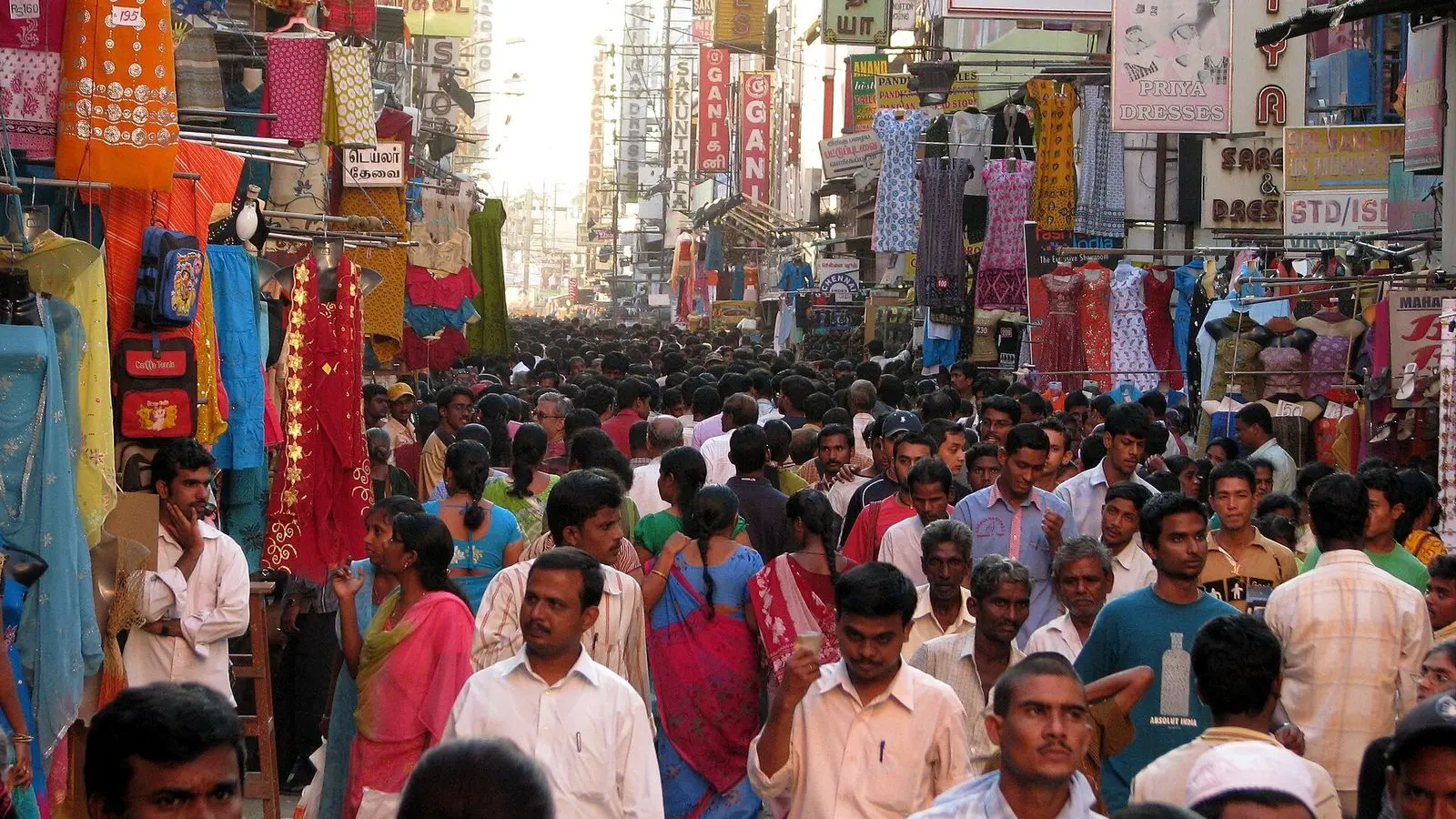
So each piece becomes its own product, with its own SKU, a stock of one and photographs of that piece, not of a sister saree from the same loom. Similar pieces are linked through the listing text and your brand page.
The real risk for a Chennai silk house is the double sale. One saree can sell across your counter and on a marketplace within the same hour, and the second buyer receives a cancellation. Seller cancellations count against account health on the marketplaces.
The fix is a rule, agreed in writing. Pieces on the shop floor reach the marketplaces only after that day’s count, or are held back entirely in the weeks the counter is busiest: the run-up to Deepavali and the Thai wedding month from mid-January.
On Amazon and Myntra, where catalogue rules are strictest, one-off listings also need consistent style codes and colour names, so a buyer looking for a mustard saree with a maroon border finds every piece that matches.
Setting Aadi prices on five marketplaces
Aadi, the Tamil month from mid-July to mid-August, is when Tamil Nadu shoppers expect textile discounts, so Chennai sellers cut prices online while the shops do. The account work is keeping five panels in step without any price slipping below what you approved.
- Choose the lines. Last season’s colours, slow sizes and stock that has sat too long go in; new festive ranges stay out.
- Set floors first. Every line gets a floor price from your cost sheet before the first coupon is created, and nothing goes below it without your written approval.
- Pick the mechanism. A coupon, a price cut and a marketplace deal can leave different amounts after fees, so we work each one out before choosing.
- Fix the end date. Sale prices come off on an agreed day, from a checklist, so August does not begin at Aadi prices.
The end date matters more than it looks. Some marketplaces judge a deal price against the prices a product sold at recently, so a deep Aadi discount left running can make the same product harder to enter into the festive events around Navaratri and Deepavali.
Aadi is also the moment to clear units that have sat for months in a marketplace’s own fulfilment programme, before storage charges outgrow their margin. We list the units that qualify from the inventory reports; you decide what to discount and what to recall.
On Flipkart, where festive event submissions close well ahead of the events, Aadi pricing and festive planning overlap, so we plan the two together in July.
What happens when a silk saree comes back
A returned silk saree is checked the day it arrives, by someone at your end, against photographs taken at packing. We file the claims, but the evidence comes from whoever opens the parcel, so the checks are agreed before the first return.
- The security tag you fixed at packing: present, and unbroken.
- Signs of wear: pleat creases at the waist, a fall or pico stitched on by the buyer, perfume, turmeric or kumkum marks, a blouse piece that has been cut.
- The zari: pulled threads or snags along the border and pallu.
- The same piece: border and pallu compared with your packing photograph, because a swapped saree can look right at a glance.
- The Silk Mark label, where your saree carried one.
Each finding becomes a claim, filed with the unboxing video and photographs inside the marketplace’s time limit, or a note that the return was fair and the saree can be sold again. Either way it stays in the weekly report until it closes.
Return reasons are read every month, by piece and by colour. When buyers keep saying a saree looked brighter online, the fault is the photograph, and the listing is corrected at its source rather than argued over one return at a time.
Footwear accounts for the leather towns
Footwear sellers from Ambur, Vaniyambadi and Ranipet usually meet the marketplaces at category approval, then spend the season fighting returns on fit. Both are account work, and both are handled inside the panels.
Approval comes first. Marketplaces ask for business, brand and sometimes compliance documents before footwear can be listed. Some footwear falls under BIS quality control orders, so we check the product against the BIS list of products under compulsory certification before an application goes in.
Then sizes. Each size is a variation with its own stock count, and a listing whose middle sizes have run out keeps drawing buyers it cannot serve. We sync stock by size from your figures and flag the sizes to reorder before they reach zero.
Returns are logged by reason and by size. A cluster of “too tight” at one size changes the size note on the listing; pairs that come back worn, mismatched or in the wrong box become claims, with photographs of the soles and the box label.
Leather bags, belts and wallets from the same towns run on the same pattern, with dimensions and material in place of size. Our footwear page covers listings and size charts for the category across India.
Keeping account health steady through the monsoon
Chennai’s north-east monsoon, from October to December, lands on the busiest selling weeks of the year. If you ship your own orders, heavy rain can hold up dispatch, and late dispatch and seller cancellations are among the measures marketplaces score you on.

We protect the account before the weather does its damage, not after:
- handling times lengthened on self-shipped listings ahead of heavy-rain forecasts, and shortened again once they pass;
- stock set to zero on lines your packer cannot reach, rather than orders taken and then cancelled;
- a named person at your end who tells us the day dispatch stops, so the panels change that same day;
- listings stocked through a marketplace’s fulfilment programme kept live, since their dispatch does not depend on your packing room.
The monsoon also lengthens the claims queue. Deepavali returns arrive through November and December, some of them damp, so we work the backlog every week in those months to keep each claim inside its time limit.
What the panels need before Pongal and Deepavali
Each festival needs its listings live, stocked and priced before buyers start looking, and on the marketplaces that means panel work weeks earlier than a shop would need it.
- Pongal, mid-January. Veshtis, veshti-and-shirt sets and sarees that slept since last year are reactivated, checked for suppression and restocked by the end of December.
- Navaratri. Small return-gift packs for Golu, such as blouse-piece sets, go up as combo listings, with the piece count declared as their net quantity.
- Deepavali and the festive events. Deal prices and stock commitments are submitted in advance, from the stock you can promise rather than the stock you hope to have.
From Pongal into the Thai wedding month, silk sells for weddings, and a wedding order cannot arrive late, so stock counts and delivery promises on those listings are checked weekly through January and February.
The first month, run from Gandhi Nagar
The handover starts with access and ends with a routine, and none of it needs anyone to travel. You add us as a user on each marketplace; the owner login, the bank details and the registered mobile stay with you.
- The read. Listings, account health, open claims, unmatched payouts and recent returns, with the claims nearest their time limits first.
- The rules. Floor prices, the counter-and-online rule for one-off pieces, and who receives returns.
- The backlog. Suppressed listings, lapsing claims and short payments, worked in order of the money involved.
- The routine. A weekly report and call, and a monthly settlement check.
If a listing and the real piece disagree, we ask to see the piece; a saree or a pair posted to Gandhi Nagar settles colour and size questions that a call cannot. A handover in November or December puts Deepavali returns first in the read.
A Chennai hire, or an outside operator?
A local hire and an outside operator need not compete. A person in your shop can photograph returns and count stock; an operator brings the reconciliation routine and a view across five marketplaces. The split we suggest keeps both.
Keep receiving, unboxing videos and stock counts with someone in Chennai who sits beside the goods. Give us the panels: prices, listings, claims, settlements and account health. Our guide on hiring a marketplace account manager sets out what either role should cover.
If you are comparing account management agencies in Chennai, ask each one how it would stop a one-off saree selling twice, and what happens to an Aadi price on the day Aadi ends.
The wider service is set out on our marketplace account management page, and everything else we run for the city is on our Chennai page. When you are ready, send us your marketplaces and what is slipping.
Account work built around Chennai stock
Aadi and festive pricing
Floor prices per line, coupons and deal submissions kept in step across five marketplaces, with every change logged.
Amazon seller accounts
One-off saree listings, offers, return claims and settlement checks on Amazon, worked through user permissions.
Flipkart seller accounts
Seller Hub run week to week, with festive event submissions planned around Navaratri and Deepavali.
Saree and footwear listings
Records for one-off sarees, UK size charts for pairs and set contents for linen, written once for every marketplace.
Ads that follow stock
Sponsored and Google ads paused when a one-off piece sells or a size runs out, run by our campaign desk.
Questions Chennai sellers ask about accounts
How much does marketplace account management cost in Chennai?
Can you run Amazon and Flipkart for my silk saree shop?
Is Meesho worth it for Kanchipuram sarees?
How do I claim for a used saree returned on Flipkart?
What should I do with marketplace prices during Aadi?
Can heavy rain in Chennai hurt my seller rating?
Do you have a Chennai office?
How long does it take to hand over my seller accounts?
More of our work in this city
Tell us what is slipping on your accounts.
List the marketplaces, the kinds of stock and whether you also sell across a counter. We read the accounts, then send a scope with GST at 18% on its own line.