Marketplace accounts for Varanasi weavers
Our marketplace account management in Varanasi runs the seller panels behind Banarasi saree ranges: uploads, prices, returns, claims and settlements on Amazon, Flipkart, Myntra, Ajio and Meesho. We work remotely from Gandhi Nagar, New Delhi; your sarees and dispatch stay with you.

What shapes a Varanasi seller account
- Marketplaces we run
- Amazon, Flipkart, Myntra, Ajio and Meesho
- Peak stretch
- Durga Puja, Diwali, then the wedding months
- Stock to manage
- Single handloom pieces beside repeat designs
- Claims to watch
- Swapped, worn or damaged returns
- Your access
- User permissions; you keep the owner login
- Run from
- Gandhi Nagar, New Delhi, without visits
In short
- Marketplace account management for a Varanasi saree seller means the panels are run weekly while the weaver or trader keeps the looms, stock and dispatch.
- A Banarasi saree returned in place of the one sent is a claim, won with photographs of the border, pallu and reverse taken before dispatch.
- Wedding and Puja designs should be uploaded, priced and rated before the autumn sale events, because late listings compete with no reviews.
- A handloom saree is often a single piece, so it needs its own listing, with a stock of one that comes down everywhere once sold.
- We run Varanasi accounts remotely from Gandhi Nagar, New Delhi, through user permissions; the owner login and bank details stay with the seller.
Our marketplace account management in Varanasi takes the seller panels off the desks of saree weavers, gaddidars and labels. We run Amazon, Flipkart, Myntra, Ajio and Meesho weekly from Gandhi Nagar, New Delhi; sarees, stock and dispatch stay with you.
We run brands of our own as well, and we read a settlement the way a seller does: as money owed until it reaches the bank.
Gaddidars, weavers and labels on the panels
Three kinds of Varanasi business hand us their panels, and each needs something different from the account. The work is the same in outline: listings, prices, returns, claims and settlements, run to a weekly routine.
- A gaddidar with a wide range. Many designs from many looms, uploaded in batches as they arrive; the account work is mostly catalogue discipline and stock that matches the shelves.
- A weaver family or cooperative. Fewer designs, often single pieces, and nobody with time for the panel; the work is uploads, claims and settlements, done for them.
- A label with its own designs. Myntra and Ajio as well as Amazon and Flipkart, brand approval, style codes, and a storefront whose stock the panels must follow.
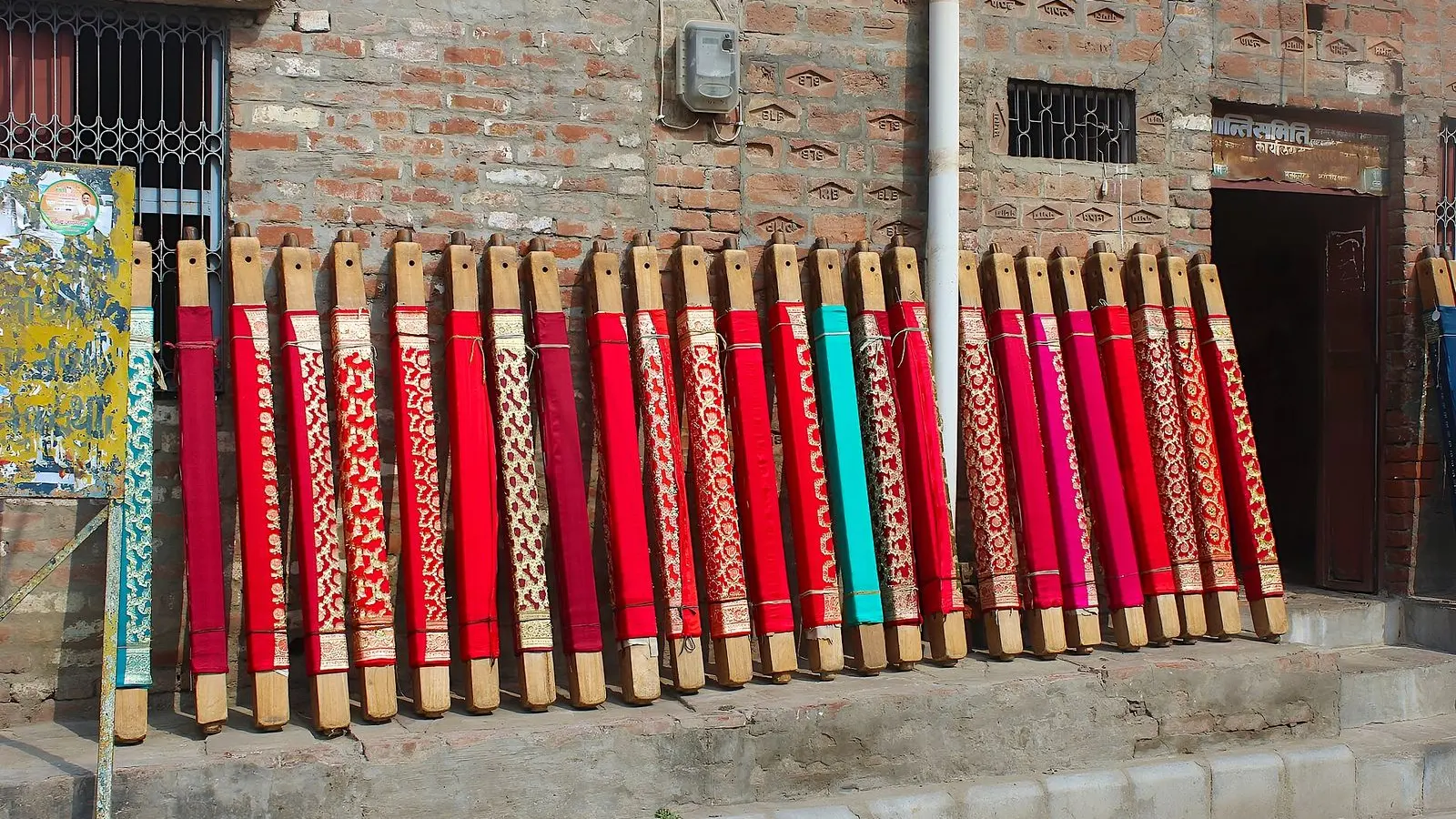
Photography is often where a Varanasi account starts weak. A shot list for each design, covering drape, pallu, border, blouse piece and reverse, lets your photographer shoot once for every marketplace, and our catalogue and listing work turns that shoot into listings.
The line between us is written down. Designs, stock, packing and a floor price for every saree stay with you; listings, offers above the floor, returns, claims, settlement checks and account health move to us, as our marketplace account management page sets out.
Single pieces and repeat designs on one account
A Varanasi account usually holds two kinds of stock at once: handloom sarees that exist once, and designs the looms weave again, often on powerlooms. They need opposite set-ups, and mixing them up is how accounts oversell or go out of stock without reason.
| Stock type | How it is listed | What the account watches |
|---|---|---|
| Handloom single piece | Its own product, a stock of one, its own photographs | Taken down everywhere the moment it sells |
| Repeat design | One product, colours as variations, real stock | Reorders before the count runs low |
| Design woven to order | Listed only where the panel allows a longer handling time | Promised dates the looms can keep |
All three follow one stock sheet that every panel reads on a schedule we agree. Before the Puja and the wedding months we check single pieces daily, because a saree sold twice becomes a seller cancellation, and cancellations count against account health.
Wide ranges add one more check: the same design can arrive from two looms in slightly different shades. We list those as separate colourways, photographed from the actual pieces, rather than one listing that ships whichever saree comes to hand.
Loom, silk and zari: attributes that hold up
A saree listing stays visible when its fields are complete and its claims can be backed. Banarasi listings that get suppressed or complained about usually fail on one of four things: the loom, the silk, the zari or the name.
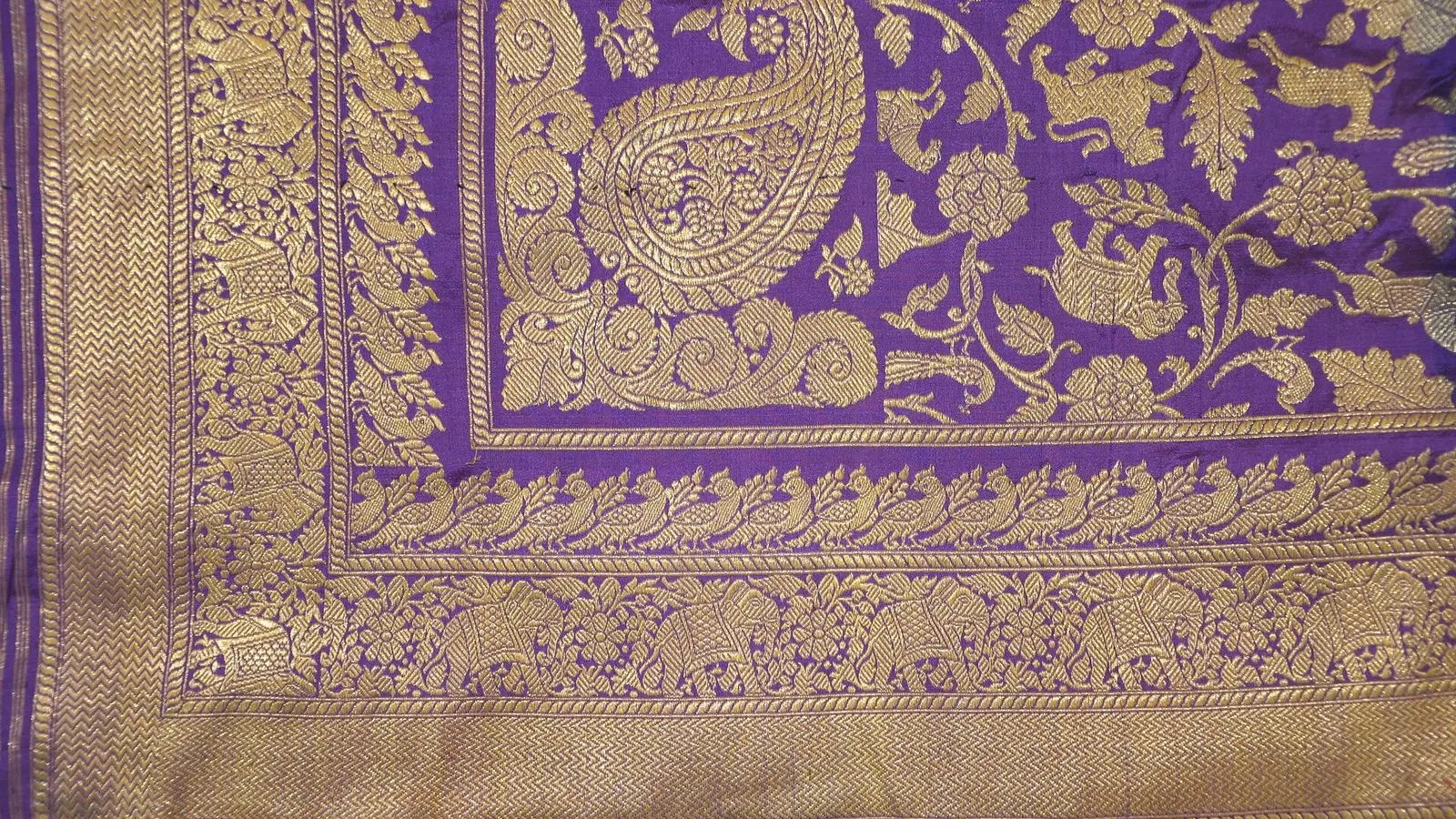
- The loom. Handloom or powerloom in the title and in its field, because buyers filter on it and complain when it is wrong.
- The silk. Pure silk only with the Silk Mark label or a test behind it, kept ready to upload if a marketplace or a buyer asks.
- The zari. Real, tested or metallic, in the words of the zari supplier’s invoice.
- The name. Banarasi only on sarees entitled to it, and never stacked with other regional names in one title to catch extra searches.
Bengali buyers often search for the Benarasi spelling. Where a panel offers search terms behind the listing, we add that spelling for eligible sarees rather than forcing it into the title.
Myntra and Ajio add brand approval and their own templates, from on-model photographs to style codes and colour names drawn from their lists. Our page on Myntra seller account management covers that approval in detail.
Returns, swaps and the evidence they need
Two returns cost a Varanasi seller most: a different, cheaper saree sent back in place of a handloom piece, and a wedding saree worn once and returned. Both are claims, and both turn on evidence your staff record before dispatch and on arrival.
- At dispatch. The tag number, the border, the pallu and the reverse of one motif photographed, then the sealed parcel.
- On arrival. The return opened on video, outer packaging in view, and the saree compared with the dispatch photographs that day.
- The claim. Filed by us inside the marketplace’s time limit, with both sets of evidence, and followed until it is paid or refused.
- The appeal. Where a refusal ignores the evidence, one written appeal citing what the photographs show.
Amazon describes its route for sellers who ship their own orders in a guide to SAFE-T claims; other marketplaces run their own, each with its own deadline. That is why claims go in during the week the return arrives.
A powerloom saree returned in place of a handloom one is easiest to prove from the reverse: a kadhua motif finished on the handloom looks different from the back of a machine-woven copy. That photograph, taken before dispatch, is worth more than any description.
Wedding and Puja weeks on Varanasi panels
A Varanasi account’s year is decided before the big autumn events, the Big Billion Days on Flipkart and the Great Indian Festival on Amazon, which usually run in September and October. Wedding and Puja designs have to be live, stocked and rated before them.
- Deals. Submitted only for designs whose margin survives the discount, the fees and a return allowance; heavy silk usually stays out.
- Floor prices. Set by you per design and never crossed without your written say-so.
- Bengal first. Benarasi listings stocked and live before the Puja days, which usually fall in September or October.
- The north next. Bridal reds and heavy sarees ready for the wedding months that open after Dev Uthani Ekadashi in November.
Returns from the season arrive late and in clusters. We read them against the season’s orders before the next is planned; our page on ecommerce services in Varanasi covers the wider calendar, Karva Chauth and Diwali included.
Meesho for powerloom lines only
Meesho suits the value end of a Varanasi range: powerloom sarees, dupattas and dress materials bought on the first image and the price. Handloom silk rarely belongs there, because one return or one swap can wipe out the margin of several sales.
Where Meesho is in scope, we price each design on the supplier panel after its fees, packing and a return allowance from your own history, and keep images readable on a small phone screen. Our page on Meesho account management covers the panel in detail.
Settlements, TCS and the money behind a saree
Every payout is matched to its orders, refunds, fees and deductions, and anything short is raised as a ticket. On costly sarees, one unpaid order or one fee charged at the wrong rate is worth chasing, and across a season they add up.
- Refunds. Each checked against the saree that actually came back, and the condition it came back in.
- Fees. Commission and fixed fees checked against each marketplace’s current schedule for the category and price.
- Reimbursements. Approved claims followed until the money shows in a payout, not only in an email.
- TCS. Tax collected at source under GST, summarised monthly for your accountant to claim.
Tax filing and advice stay with your accountant; the monthly summary gives them reconciled figures to work from. Our fee carries GST at 18% on its own line, and commissions are paid by you to the platforms.
What the weekly report shows you
The report is built from the marketplaces’ own downloads and opens with one figure: what the panels paid against what the orders say they should have. Below it, in the same order every week, sits what a saree seller needs to decide on.
- Sales by design. Orders, units and net sales after cancellations and returns, with single pieces sold and taken down.
- Returns and swaps. Each return’s stated reason, and every suspected swap with its claim status.
- Claims. Filed, paid, refused and under appeal, with amounts.
- Account health. Each measure against the marketplace’s threshold, and any notice received.
- Decisions for you. New designs waiting for floor prices, deals to approve, and stock to reorder.
The call that follows takes as long as the decisions need. In a quiet week the report stands on its own; in the fortnight before the Puja, the call is where deal prices and stock are settled.
From handover to a weekly routine
The first month is spent reading before acting, over calls and shared sheets. No one from our side comes to Varanasi, and your staff never need to visit Delhi.
- Access. A user login for us on each panel; the owner login, registered mobile and bank details stay with you.
- The read. Suppressed listings, open claims, unmatched payouts, health warnings, and single pieces still live after they sold.
- The agreement. Floor prices, who approves offers, the stock sheet every panel follows, and who opens returns on video.
- The routine. Daily checks, a weekly report and call, and a monthly review timed to the next peak.
From you we need user access, a design sheet giving fabric, zari, loom and weight for each saree, its cost and floor price, and dispatch photographs and return videos as they happen.
The ads that run alongside these accounts, from sponsored listings to Meta, are planned by our performance marketing services in Varanasi. If the account work fits how you sell, send us your marketplaces and what keeps going wrong.
Account work for Varanasi sellers
Amazon saree listings
Loom, silk and zari attributes filled, offers kept above your floor prices, and claims for swapped returns filed.
Flipkart festive deals
Sale-event prices and stock committed against what your looms can deliver, with fees checked on every settlement.
Myntra and Ajio catalogues
Brand approval, style codes and colour names built to each catalogue template for labels with their own designs.
Returns and swap claims
Each return matched to the photographs taken before dispatch, and claimed inside the marketplace’s time limit.
Ads paced to the season
Sponsored and Meta budgets planned around the wedding months and the Puja, judged on sarees kept.
Questions Varanasi sellers ask about accounts
How much does marketplace account management cost in Varanasi?
Can I list one handloom saree on Amazon and Flipkart at the same time?
What do I do if a customer returns a different saree?
Do I need GST registration to sell Banarasi sarees on Flipkart?
Can you get my saree label approved on Myntra?
Which marketplace should a Varanasi weaver start on?
Will you upload my new designs every week?
Do I have to come to Delhi to hand over my seller account?
The same service in other cities
- Delhi NCR
- Mumbai
- Bengaluru
- Hyderabad
- Chennai
- Kolkata
- Pune
- Ahmedabad
- Panipat
- Karur
- Solapur
- Bhadohi
- Moradabad
- Firozabad
- Saharanpur
- Jodhpur
- Agra
- Kanpur
- Kolhapur
- Meerut
- Jalandhar
- Channapatna
- Sivakasi
- Kannauj
- Mysuru
- Srinagar
- Amritsar
- Surat
- Tiruppur
- Kochi
- Coimbatore
- Jaipur
- Lucknow
- Ludhiana
- Indore
- Marketplace accounts across India
Tell us which Varanasi accounts need help.
List your marketplaces, roughly how many designs you sell and what keeps going wrong. We read the panels, then send a written scope with the backlog we found and a quote.