Marketplace accounts for Kochi sellers
Our marketplace account management in Kochi runs Amazon, Flipkart, Meesho, Myntra and Ajio for spice brands, coir makers and Kerala handloom labels, sometimes all three on one account. We work remotely from Gandhi Nagar, New Delhi; packing and dispatch stay with you.

What shapes a Kochi seller’s week
- Marketplaces
- Amazon, Flipkart, Meesho, Myntra and Ajio
- Approval to hold
- FSSAI licence for the food categories
- Stock to date
- Spice batches by packing and use-by date
- Fees to check
- Shipping on bulky coir parcels
- Busiest weeks
- Onam, then Christmas and the year-end
- Packing and dispatch
- Stay with you
In short
- Marketplace account management in Kochi runs spice, coir and handloom accounts weekly: approvals, listings, prices, batch-dated stock, claims and settlements.
- Spice listings go live only once the marketplace has approved the FSSAI licence and the label, and each batch’s dates are tracked against shelf-life rules.
- Malabar pepper and Alleppey green cardamom are registered Geographical Indications, so a listing uses those names only for spice that qualifies.
- Coir ships heavy and bulky for its price, so the parcel size declared for each mat and every shipping fee in the settlement are checked.
- We run Kochi accounts from Gandhi Nagar, New Delhi, through user permissions; packing, dispatch and receiving returns stay with the seller.
Marketplace account management in Kochi often means one seller account carrying three different trades: packaged spices that the marketplace treats as food, coir mats that ship heavy, and Kerala handloom sold as fashion. We run such accounts from Gandhi Nagar, New Delhi.
Each trade sits in its own category, with its own approvals, commission, return rules and pressure points. The accounts stay in your business’s name, packing and dispatch stay with your people, and the panel work comes to us.
We run brands of our own as well, so a payout that does not match its orders is the first thing we look for, on any account.
What do spice listings need before going live?
An approved food category, a licence the marketplace has checked, and a label it can read. Packaged spices are food in law, so the business needs FSSAI registration or a licence, and marketplaces approve food sellers category by category before any listing goes up.
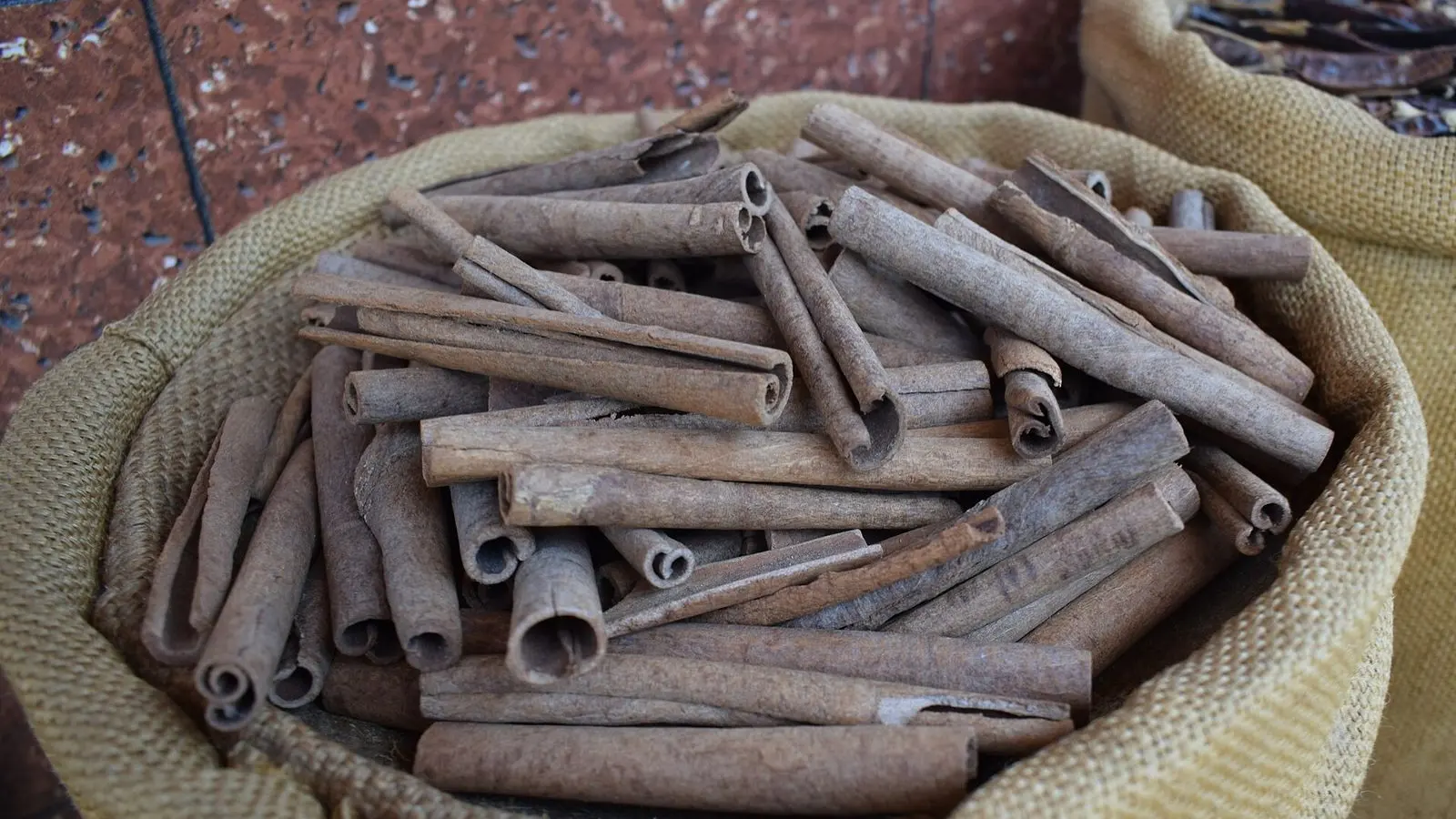
- The licence: its number, the business name on it matching the seller account, and its validity date on our renewal list.
- Label images: front and back of each pouch, with the FSSAI logo and licence number, ingredients, the vegetarian symbol and the use-by date readable.
- The Legal Metrology declarations: MRP, net quantity, the packer’s name and address and consumer-care details, repeated in the listing.
- Category approval on each marketplace, including any sample images or documents it asks for along the way.
Approval is not permanent. Marketplaces can ask for papers again, and a licence that lapses can take every spice listing down at once, so its renewal date is watched as closely as any sales figure.
FSSAI rules on licences and labels are revised from time to time. We keep the listings in line with what your adviser confirms and leave questions of food law to them; our guide to Legal Metrology rules for online sellers covers the pack declarations.
How is batch-dated stock run on the panels?
Batch by batch, with dates beside every count. A spice pouch carries a packing date and a use-by date, and each marketplace sets its own minimum remaining shelf life, both for stock sent into its fulfilment programme and for orders delivered to buyers.
- A batch sheet from your team: batch number, packing date, use-by date and units, for each spice and pack size.
- Ground before whole: powders and blends lose their aroma sooner, so their batches are sold through first and sent to the marketplace in smaller lots.
- Recall or offer in time: a batch nearing the marketplace’s limit is recalled from its fulfilment programme or moved with an offer above your floor price.
- Dates on the listing kept true: where a listing shows a packing or use-by date, it changes when the batch does.
Self-shipped stock follows the same sheet. The oldest batch leaves first, because pepper that reaches a buyer close to its date earns the kind of review that stays on a listing for good.
Can a listing say Malabar or Alleppey?
Only for spice that qualifies. Malabar pepper and Alleppey green cardamom are on India’s register of Geographical Indications, and a listing that uses either name for spice outside the registration invites complaints that can reach your account health.
So a title names a GI only where you can show the spice meets it, and describes the rest by what can be proved: where it was grown, the grade or pod size, how it was dried and when it was packed.
Coir has a name of its own on the same register: Alleppey Coir. A coir title uses it only for mats and rugs that qualify, and describes the rest by fibre, weave and size.
Hidden search terms, which some marketplaces let sellers add, follow the same rule. Origin complaints arrive as notices on the account rather than as returns; we answer each with the evidence you hold and change the listing where a claim cannot be backed.
What happens when a spice parcel arrives damaged?
Your dispatch photographs decide it. Food is often non-returnable once opened, but a burst pouch, a crushed jar or a parcel that arrives damp is refunded or replaced under each marketplace’s current terms, and the cost falls on you unless a claim recovers it.
- At dispatch, a photograph of each packed order, seal and outer pack visible, tied to the order number.
- When a complaint comes in, we match it to that photograph and to the delivery record before anything is accepted.
- The claim, where the damage happened in transit or in the marketplace’s care, is filed with that evidence inside the time limit and followed until it closes.
Complaints are grouped by spice, pack and month. The south-west monsoon, from June, overlaps the run-up to Onam, and a cluster of damp complaints in those weeks goes back to whoever writes your packing guidance before the next batch is sealed.
Why do coir mats need settlement checks?
Because a coir mat ships heavy and bulky for its price, so its shipping fee takes a large share of each order. Marketplaces charge on the greater of actual and dimensional weight, so a size declared wrongly once is charged wrongly on every order after.
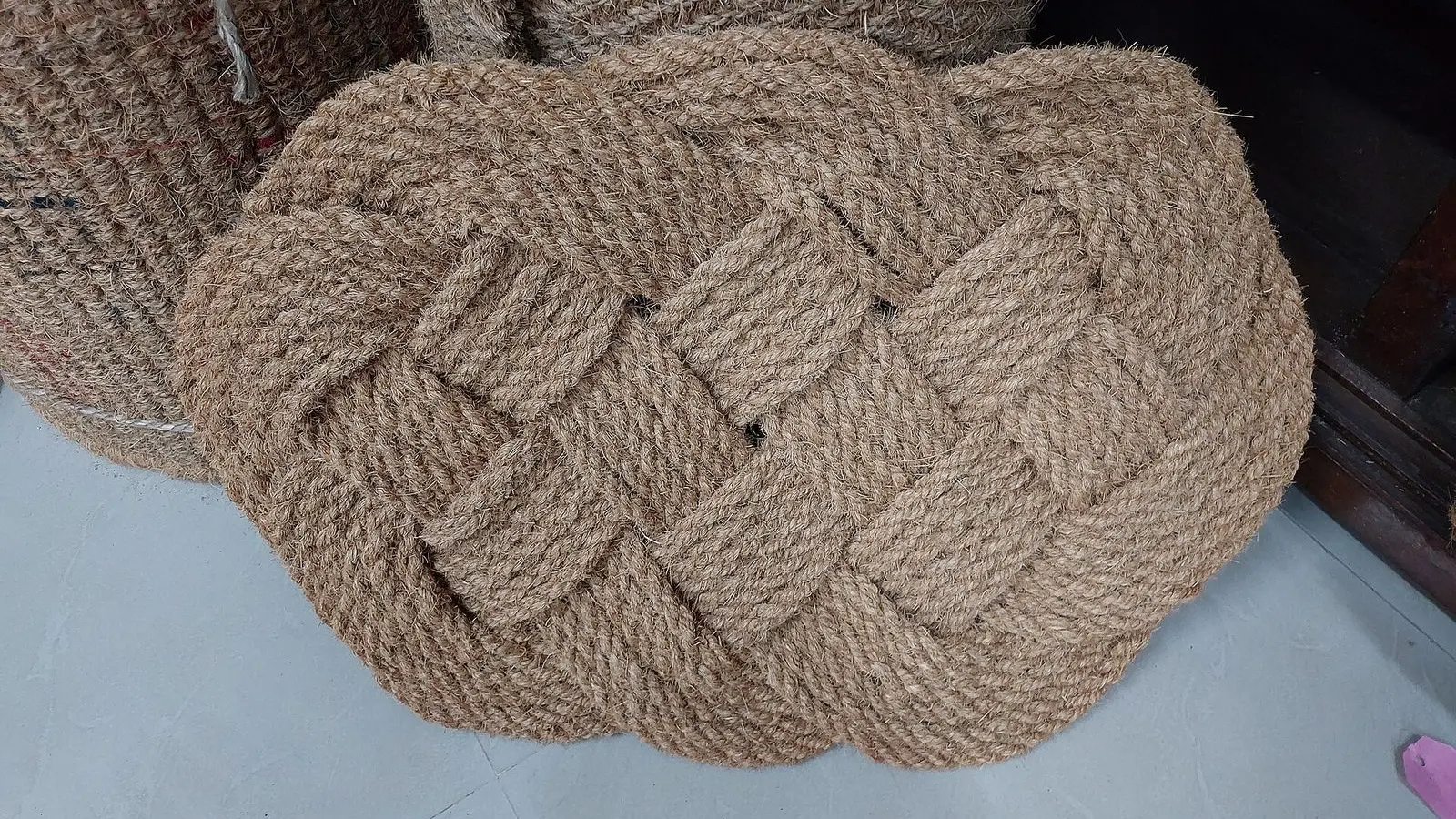
| Coir product | How it usually ships | What the settlement check watches |
|---|---|---|
| Doormats | Flat, singly or in packs | The weight charged for each pack size |
| Runners and rugs | Rolled, long for their weight | Dimensional weight against the declared roll |
| Rubber-backed mats | Flat, heavier than plain coir | Actual weight, which the backing raises |
| Coir mattresses | Large and bulky | Freight both ways on any return |
Each size is measured as it actually ships, rolled or flat, and declared that way in the panel. Every shipping charge is then compared with that figure, and a ticket goes in with photographs of the packed parcel wherever the two disagree.
Return freight is read as closely as forward freight, since a coir return is charged again on the way back.
Reviews carry their own warnings. Shedding, colour that varies between batches and prints that fade in the sun are normal for the fibre; a listing that says so draws fewer complaints, and we answer buyer questions with the same facts.
Coir mats and rugs sell as home furnishings, and our page on how to sell home furnishings online covers the category. Rug sellers in Bhadohi meet the same freight arithmetic with rolled rugs; see our page on marketplace accounts for Bhadohi rug sellers.
How do handloom listings get ready for Onam?
Early, because a fashion listing has to pass review before it can sell. Kasavu sarees, set-mundu and mundu are bought in the weeks before Onam, in August or September, and a style still in catalogue review in festival week has missed it.
- Approval first: Myntra and Ajio approve a label before it lists, so a new label applies well ahead of the season.
- Each piece as itself: handwoven pieces vary in border and weave, so each is listed with its own photographs, or grouped only where pieces match exactly.
- Handwoven or powerloom, real or tested zari: stated in the attributes as well as the description, since filters and comparisons read from the attributes.
- Delivery promises checked weekly as Thiruvonam nears, with listings paused for areas where an order would arrive after the day.
Returns after Onam need the care any festive fashion does: your team checks each piece against its packing photographs, and pieces that come back worn become claims, not stock. Our guide on how to sell on Myntra covers the approval route.
How are spice gift boxes listed?
As products of their own, with their own listing, label and stock count. A box of pepper, cardamom, cloves and cinnamon for Onam or the year-end is not four listings added together; it is one product, with one label that declares what is inside.
- The contents named item by item, each with its net quantity, on the label and in the listing.
- The date that counts: the earliest use-by date of anything in the box, since the box can only be sold while every item is in date.
- Stock drawn from the batches inside: a box made up from a batch near its limit inherits that limit.
- A price that carries the box, its packing and its heavier parcel, checked after fees before it goes into any sale event.
Boxes are seasonal, so their listings are reactivated and checked for suppression before Onam and again before Christmas, then set to zero stock afterwards rather than deleted, which keeps their reviews for the next season.
Marketplace account management in Kochi: the first weeks
The first weeks go on reading, papers and a written scope, and nothing on the account changes until they are done. You add us as a user on each marketplace and keep the owner login, the bank details and the registered mobile to yourself.
- The read: approvals and their dates, listings, account health, open claims, unmatched payouts and recent complaints, category by category.
- The papers: the FSSAI licence, label files, evidence for any GI name in use, and the brand approval for a handloom label.
- The scope: floor prices for every spice pack, mat size and saree, the batch sheet’s schedule, and who at your end receives returns.
- The routine: daily checks, a weekly report and call, and a monthly settlement check that reads each category on its own.
TCS, the tax collected at source under GST, is withheld from payouts in all three categories. The monthly check lists it by marketplace, so your accountant can claim it against your GST liability.
From you we need user access to each panel, the FSSAI licence and label files, the batch sheet on an agreed day each week, and one named person who approves prices, offers and recalls.
The service in full is on our marketplace account management page, and our Kochi page covers listings, stores and ads for the city’s trades. When you are ready, send us your marketplaces and categories.
Account work for spices, coir and handloom
Amazon seller accounts
Grocery approval, spice listings, batch-dated stock in Amazon’s fulfilment programme, claims and settlement checks.
Myntra for handloom labels
Brand approval, style codes and on-model images for kasavu sarees, set-mundu and mundu, ready before Onam.
One record per product
Spice, coir and handloom details written once, with FSSAI and Legal Metrology fields complete, then used on every marketplace.
Settlements read line by line
Commission by category, shipping fees on coir and refunds on damaged pouches checked against each order.
Sponsored ads that follow batches
Marketplace and Meta budgets set from each product’s margin, paused when a batch nears its date or runs low.
What Kochi sellers ask about their accounts
How much does marketplace account management cost in Kochi?
What does Flipkart need before I can list spices?
Can I write Malabar pepper in my listing title?
What happens to spice stock close to its use-by date?
Are spices returnable on Amazon and Flipkart?
Why am I charged so much to ship coir mats?
Can you get our Onam collection live on Myntra?
Do you have a Kochi office?
The same service in other cities
- Delhi NCR
- Mumbai
- Bengaluru
- Hyderabad
- Chennai
- Kolkata
- Pune
- Ahmedabad
- Panipat
- Karur
- Solapur
- Varanasi
- Bhadohi
- Moradabad
- Firozabad
- Saharanpur
- Jodhpur
- Agra
- Kanpur
- Kolhapur
- Meerut
- Jalandhar
- Channapatna
- Sivakasi
- Kannauj
- Mysuru
- Srinagar
- Amritsar
- Surat
- Tiruppur
- Coimbatore
- Jaipur
- Lucknow
- Ludhiana
- Indore
- Marketplace accounts across India
Send us your marketplaces and products.
Tell us which categories you sell in and what keeps going wrong. We read the accounts first, then send a written scope with GST at 18% shown separately.