Marketplace account management in Mumbai
We provide marketplace account management in Mumbai remotely, from our office in Gandhi Nagar, New Delhi, for the city’s fashion labels, beauty brands and leather makers. The weekly work runs inside your own seller panels on Myntra, Ajio, Amazon, Flipkart and Meesho.
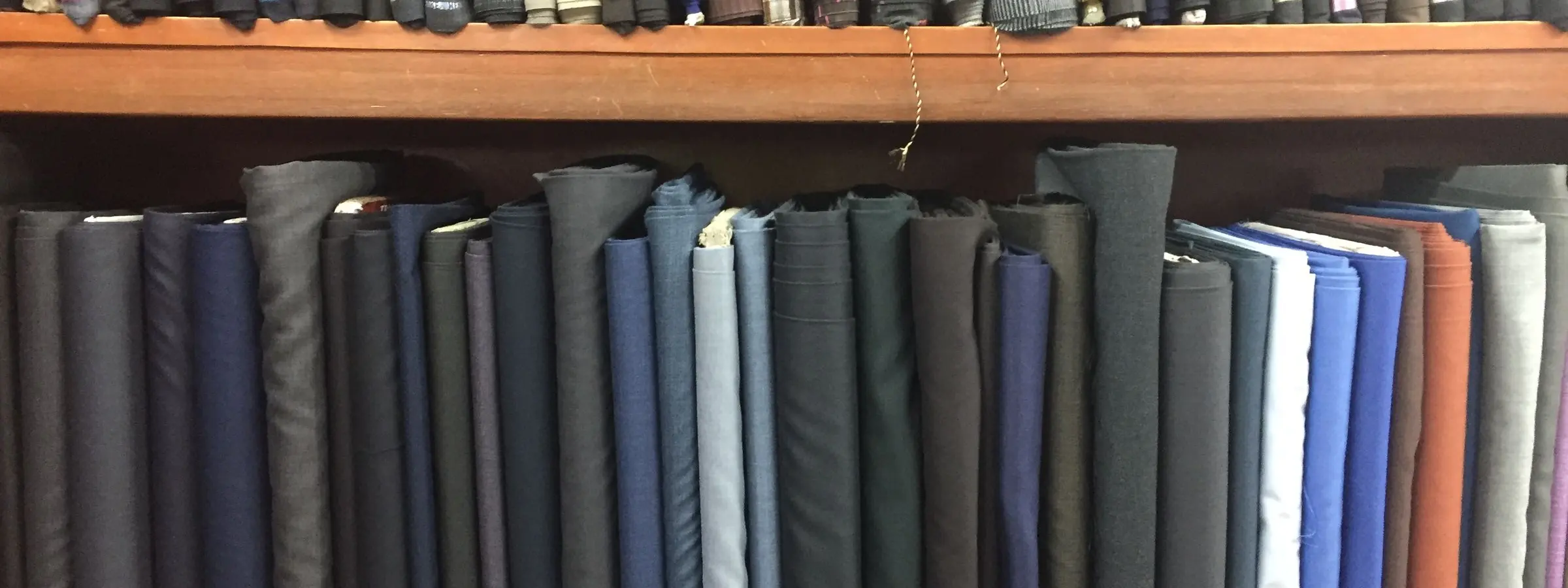
How we run Mumbai seller accounts
- How we work
- Remotely, from Gandhi Nagar, New Delhi
- Marketplaces
- Myntra, Ajio, Amazon, Flipkart and Meesho
- Busiest stretch
- Ganesh Chaturthi through Navratri to Diwali
- Monsoon returns
- Photographed on opening, damp or not
- Beauty documents
- Licences and label photographs kept current
- GST on our fee
- 18%, charged as IGST
In short
- Marketplace account management in Mumbai is the weekly running of a brand’s seller accounts: listings, prices, stock, returns, claims, settlements and account health.
- For Mumbai fashion labels on Myntra and Ajio, returns take much of the account work: reasons read by style and size, and worn pieces claimed.
- Mumbai beauty brands keep licences, label photographs and batch expiry dates current in every marketplace panel, and update them when a contract manufacturer changes.
- Celebrity-led Mumbai brands draw other sellers and lookalike listings after launch, so their Amazon listings are watched daily in the launch weeks.
- Kavita Enterprises manages these accounts from its only office, in Gandhi Nagar, New Delhi, through user access, a weekly report and a weekly call.
Marketplace account management in Mumbai runs on returns, documents and launches: labels whose pieces come back by size, beauty brands whose licences must be on file, and celebrity names whose listings draw other sellers. We run that work remotely, from Gandhi Nagar, New Delhi.
We have one office, in Gandhi Nagar, and say so at the start. The work happens inside your seller panels, through user access you grant, with a weekly report and a weekly call; a shared screen does what a meeting room would.
We run brands of our own as well, so we read return rules, claim windows and settlement lines as a seller does.
What do Mumbai brands need from account management?
Each of the city’s trades brings a different weekly load. Fashion labels need returns read and claimed, beauty brands need documents and batches kept straight, leather and footwear makers need material and size disputes settled, and value denim needs its margin watched per piece.
Fashion labels on Myntra and Ajio
A Mumbai label usually arrives with strong photography and a range the marketplace has approved. The account work that follows is dominated by returns: which styles come back, in which sizes, for what reason, and whether the marketplace owes you for any.
Our pages on Myntra seller account management and Ajio seller account management cover each platform’s panel; this page covers what a Mumbai label meets on them.
Leather and footwear from Dharavi
Dharavi’s bags, belts, wallets and shoes sell on what they are made of, and the account problems follow from that: listing complaints when a buyer disputes the leather, and returns for size on shoes mapped wrongly to a marketplace’s own size values.

We answer material complaints with the maker’s description of the upper, lining and sole, and fix the listing so the next buyer reads the same thing.
Footwear also falls under BIS quality control orders, so check the BIS list of products under compulsory certification before a new style goes live.
Size mapping and footwear returns are dealt with in depth on our page on how to sell footwear online in India.
Value denim from Ulhasnagar
Ulhasnagar’s jeans sell on Meesho and Flipkart at value prices, where a few rupees of fees or one extra return decides the margin. The weekly work is per-piece pricing after commission and expected returns, and size charts measured at the waist, inseam and rise.
Denim also needs its wash and stretch named plainly. A listing that calls a mid-blue wash dark, or leaves out the stretch in the fabric, invites returns no size chart can prevent, so we take both from the maker’s specification.
How are returns run for Mumbai fashion labels?
Every week, by style and size. We group the marketplace’s return reasons for each style, separate the fixable from the unavoidable, and claim for anything the marketplace owes you, with photographs from whoever opens the returns.
Three patterns recur on Mumbai labels’ accounts:
- Colour not as shown. Styled studio light can shift a colour on screen. These returns go back to the photographer with the piece, and the listing’s main image is reshot or corrected.
- Party wear after the party. Dresses and occasion pieces bought for Christmas and New Year parties come back in early January. Claims for worn pieces need close photographs of seams, underarms and tags.
- One size wrong across a style. When one size carries most of a style’s returns, the size chart is checked against a measured piece before anything else is changed.
Return reasons feed the listing every month, so the same fault is not paid for twice. A label running its own store as well can apply the same corrections there; our page on ecommerce website development in Mumbai covers that side.
Labels built on Kalbadevi fabric
Labels that buy fabric by the bolt around Kalbadevi and have it stitched meet a quieter problem: shade. Two bolts of the same fabric rarely match exactly, so a reorder cut from a new bolt can look different from the listing photographed on the first.
When a style is restocked from a new fabric lot, we ask for a daylight photograph of a new piece beside an old one. If the shade has moved, the images are reshot or the lot becomes a new colour variant before buyers return it.
What does the monsoon do to Mumbai returns?
It adds water to them. From June to September, returns can arrive damp, stained or with soaked outer packs, and a claim for water damage only succeeds with photographs taken before anything is dried, refolded or put back in stock.
We ask whoever opens returns in the monsoon to photograph the outer pack, the inner bag and the piece in that order. Damp returns are also kept apart from saleable stock until they are inspected, because one damp piece can mark a stack.
The packing that leaves your premises matters too. A polybag inside the carton keeps a garment dry through a wet doorstep, and fewer buyers return a piece for a water stain they never had to see.
What documents do Mumbai beauty brands keep current?
The ones each marketplace asks for before a beauty listing goes live. A cosmetic made in India is produced under its maker’s licence, which may be your contract manufacturer’s, and an imported one is registered before import, as the CDSCO’s cosmetics pages explain.
Many Mumbai beauty brands use contract manufacturers, which brings a recurring account task. When the maker changes, the manufacturer’s details on the label change, and every listing, label photograph and licence copy in every panel has to change with it.
Batches need the same care. Each batch has its own expiry date, and marketplace fulfilment programmes set their own rules on the shelf life remaining when stock arrives, so we track expiry by batch and plan what is sent in.
Batch numbers also matter when something goes wrong. If a buyer reports a reaction or a faulty pump, the batch tells you which stock to pull from every marketplace at once, instead of pausing the whole product.
Opened beauty products usually cannot be sent back, for hygiene reasons, which shifts the weekly work from claims to complaints about damage in transit. Our page on how to sell personal care products online covers the category.
How are celebrity-led brands protected on Amazon?
By watching the listings daily in the launch weeks and acting on evidence. A brand that becomes famous overnight draws other sellers onto its listings and lookalike products onto its search results, and a buyer who receives a fake blames the brand.
Brand registration, which needs a trademark, gives the owner tools to report infringing sellers and counterfeit offers. We file those reports with the evidence the marketplace asks for, including a test purchase where a seller’s goods need checking.
The launch weeks also strain the ordinary work: stock runs out by size, cancellations threaten account health, and ratings arrive faster than replies. Our Amazon account management page sets out the panel work behind all of it.
How does Mumbai’s festive run change account work?
It stacks three festivals so close that their deadlines overlap. Ganesh Chaturthi, Navratri and Diwali follow one another within weeks, and each brings its own deal submissions, stock commitments and returns.
- Ganesh Chaturthi. Ethnic wear and gifting orders, whose returns arrive while Navratri deals are being submitted.
- Navratri. Garba wear bought in the two weeks before the dancing starts and sometimes returned after the last night, so claims for worn pieces cluster in the weeks after it.
- Diwali. The marketplaces’ festive sale events, with stock committed by size while Navratri returns are still being logged.
We run one calendar across all three, with each deadline, approval and claim window marked, so a return from one festival does not miss its claim window while the next is being prepared.

Gudi Padwa, in spring, is the year’s other fixed date for Maharashtrian buyers. Paithani and nauvari sarees and festive kurtas sell before it, so their listings are checked and switched on a month ahead.
What does the first month look like?
For a Mumbai brand, the first month runs entirely on shared screens. It starts with a read of every panel alongside you and ends with the first monthly reconciliation of what each marketplace paid.
- The read. Listings, return reasons, open claims, unmatched payouts and account health, gone through on a shared screen with your team.
- Documents. For beauty brands, every licence copy and label photograph checked in every panel; for footwear, the size mapping on every style.
- The backlog. Claims still inside their time limits first, especially returns from the last festival or the monsoon.
- The routine. Weekly report and call, daily health checks, and a listing watch where a launch is recent.
How do we run Mumbai accounts from Delhi?
Through the same panels you use, with your approval at each step that spends money. You add us as a user on each marketplace; the owner login, registered mobile and bank details stay with you, and every change we make is logged with its reason.
When a return reason points at a product rather than a listing, we ask to see the piece on a video call. Your people receive stock and returns, count them and send us the figures; we never store, pack or ship anything.
The full service is described on our marketplace account management page, and how Mumbai brands sell more widely on our page for ecommerce services in Mumbai. To begin, send us your marketplaces and what keeps going wrong.
Seller accounts, run week by week
Myntra for fashion labels
Catalogue uploads, style codes, return reasons by size and claims for pieces sent back worn or swapped.
Ajio beside Myntra
A second fashion marketplace run from the same product records, prices and stock as the first.
Amazon for beauty and leather
Category documents, batch expiry dates, listing watch after a launch and claims for damaged returns.
Flipkart for value denim
Value jeans and ethnic wear priced per piece after fees and fit returns, with measured size charts.
Listings that cut returns
True-colour images, measured size values and material names, fixed at the source record.
Ads that follow stock
Marketplace and Meta ads paused when a size sells out and raised for each festival in turn.
Questions Mumbai brands ask about accounts
What does marketplace account management cost in Mumbai?
Who handles returns for my Mumbai brand’s Myntra orders?
Can you remove other sellers from my brand’s Amazon listing?
What documents do marketplaces ask for before listing beauty products?
Can I claim for returns that arrive wet in the monsoon?
Can you manage Ulhasnagar denim on Meesho and Flipkart?
Do you have anyone in Mumbai to check our stock?
How do Ganesh Chaturthi and Navratri affect my seller account?
More of our work in this city
Show us your seller panels.
Send the marketplaces you sell on, roughly how many styles you run and what keeps going wrong. We reply with our questions and a time for a shared-screen read of your accounts.