Marketplace accounts for Pune brands
Our marketplace account management in Pune takes the seller panels off a founder’s desk: Amazon, Flipkart, Meesho, Myntra and Ajio, run week to week beside the brand’s own store. We work remotely from Gandhi Nagar, New Delhi, and plan each account around Ganeshotsav, the monsoon and the school year.
What shapes a Pune seller account
- Marketplaces we run
- Amazon, Flipkart, Meesho, Myntra and Ajio
- Festive stretch
- Raksha Bandhan, Ganeshotsav, Navratri, then Diwali
- School-year dates
- April, June and the February board exams
- Monsoon months
- Late, damp returns; claims filed promptly
- Your access
- User permissions; you keep the owner login
- Run from
- Gandhi Nagar, New Delhi, without visits
In short
- Marketplace account management for a Pune brand means the seller panels are run weekly while the founder keeps product, store and stock.
- Ganeshotsav decorations should be listed, stocked and rated on the marketplaces weeks before Chaturthi, because orders that arrive after it usually come back.
- Pune stationery listings need stock and bundle prices set twice, before CBSE schools start in April and before state board schools reopen in June.
- Monsoon parcels to and from Pune can arrive wet or late, so returns need recording on receipt to support claims within each marketplace’s time limit.
- We run Pune sellers’ marketplace accounts remotely from Gandhi Nagar, New Delhi, through user permissions, while packing and dispatch stay with the brand.
Our marketplace account management in Pune is for founder-led brands whose seller panels have fallen behind the business. We run Amazon, Flipkart, Meesho, Myntra and Ajio accounts weekly from Gandhi Nagar, New Delhi; you keep the product, the store and the stock.
We run brands of our own as well, so we know what a lapsed claim or a short settlement costs a seller. That is the habit we bring to a Pune account: every rupee the panel owes you, followed until it arrives.
Why Pune founders hand over their seller panels
A typical Pune brand opens its own store first and adds Amazon or Flipkart later, often in a rush before one festive season. The store remains the founder’s project, and the seller panels become a second job that nobody quite owns.
The signs are familiar. Claims for damaged returns pass their deadline, settlement reports sit unread, a policy warning goes unanswered for a week, and stock on Flipkart still shows units that sold on the store last night.
A founder who came from software or engineering usually wants the numbers behind every change, and the work suits that. What is missing is time inside each panel. We take that time and report weekly from the marketplaces’ own downloads, not screenshots.
The split is plain. Product, stock, the store and the floor price for each item stay with you; listings, offers above that floor, claims, settlements and account health move to us. Our marketplace account management service sets out that scope in full.
Which marketplace suits each Pune category?
Start each category where its buyers already search. For the light, repeatable products Pune brands favour, that usually means Amazon and Flipkart first, with Meesho for value packs, and Myntra or Ajio for fashion-led labels.
| Category | Where it usually starts | What the account work watches |
|---|---|---|
| Skincare and haircare | Amazon, Flipkart | Expiry dates, category documents, claims made on the listing |
| Fitness gear and trek kit | Amazon, Flipkart | Shipping fees on size and weight, damaged returns |
| Stationery and school kits | Amazon, Flipkart, Meesho | Fixed fees on low prices, bundle stock before term |
| Festive decorations and gifts | Amazon, Flipkart | Delivery promises before Chaturthi and Diwali |
| Kurtas and festive wear | Myntra, Ajio, Meesho | Size charts, return reasons, used-item claims |
Personal care carries the most paperwork. Products with a shelf life need expiry dates recorded on the listing and on stock sent in, and some beauty categories ask for the cosmetics licence first. We keep those documents current in each panel.
Fitness equipment and stationery go wrong in opposite ways. A weight bench is charged heavily for its size and weight, while a low-priced pen pays fixed fees that can swallow its margin.
So we price both from Amazon’s published seller fees and each marketplace’s current schedule, never from the selling price alone. Our pages on Amazon account management and Flipkart account management go through each panel in depth.
How the accounts handle Ganeshotsav
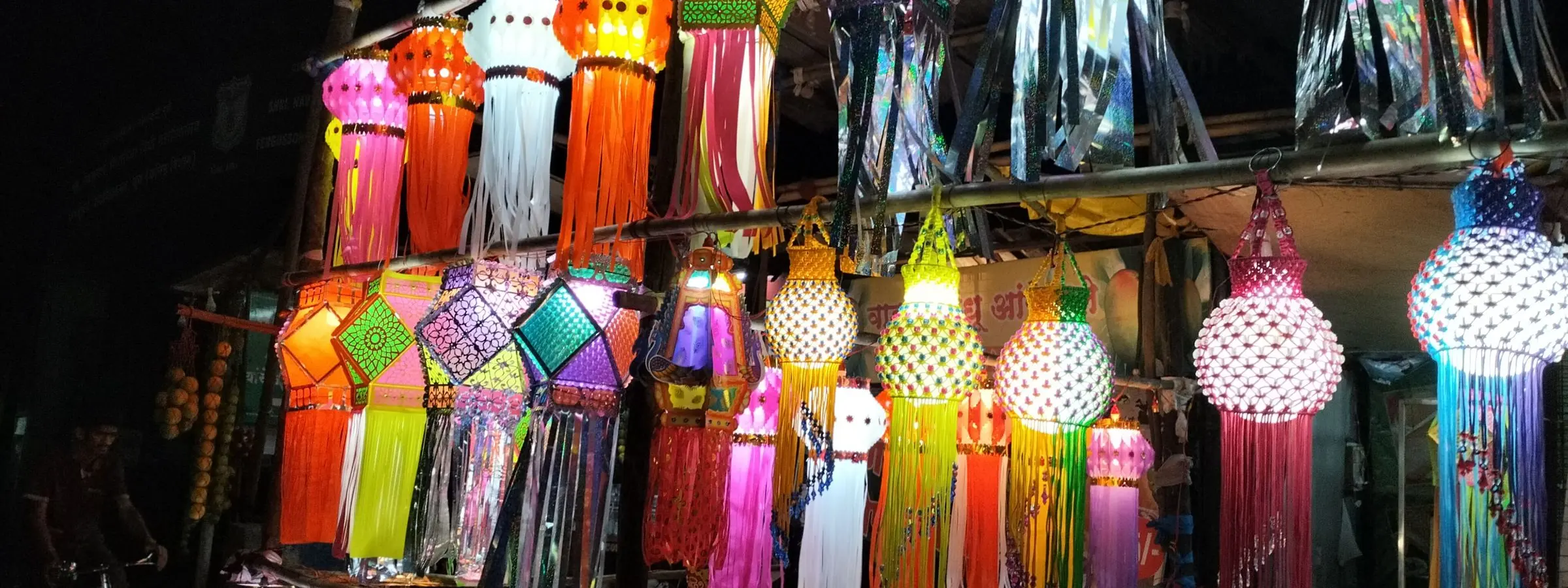
For a Pune seller, Ganeshotsav is an account problem before it is an advertising one. Decorations, puja items and festive wear must be live, in stock and carrying ratings weeks before Chaturthi, with delivery promises the courier can keep.
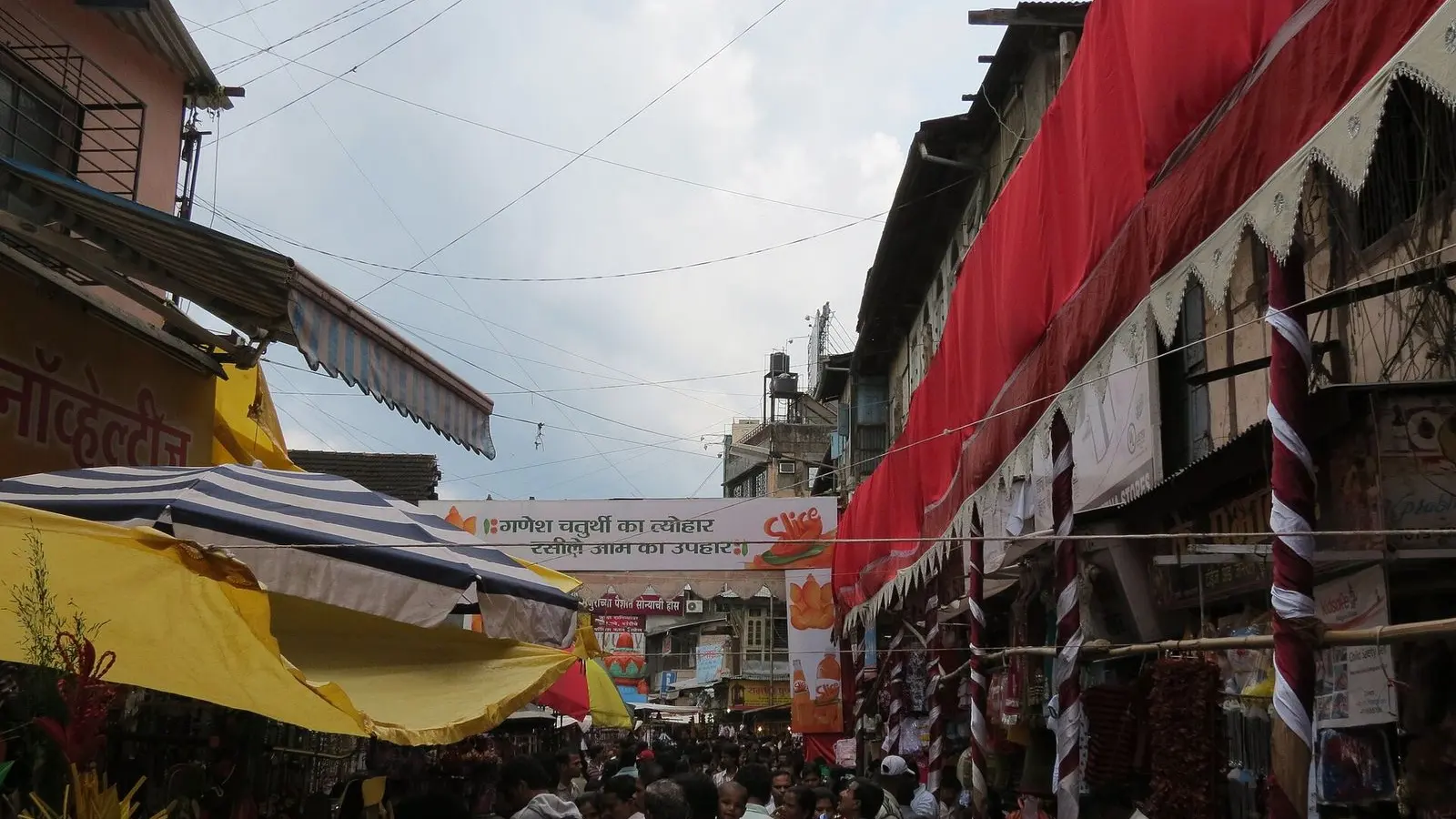
The work runs to a calendar we agree with you in July, while the monsoon is still at its height:
- List early. New decoration and festive lines go live a month or more before Chaturthi, so reviews can build before the rush.
- Set honest promises. Handling times and stock levels are set so the promised date lands before Chaturthi, and checked again as it approaches.
- Close the window. Once a parcel can no longer arrive in time, decoration listings are paused or set to zero stock, rather than left to collect orders that will come back.
- Hold the price. Festival prices are set with the big sale events in view, such as Amazon’s Great Indian Festival, which usually follow around Navratri and Diwali.
- Read the returns. Decoration returns arrive after the immersion days; each is checked against your inspection notes and claimed where the marketplace owes you.
Processions close the old city’s roads for long hours on the main days, Anant Chaturdashi above all. In that final stretch we add handling time and stop offering decorations that cannot arrive, so the late-delivery measure on your account stays clean.
Monsoon parcels, returns and claims in Pune
From June to September, the monsoon adds a second returns season to a Pune account. Parcels crossing the ghats can arrive late, damp or crushed, and an order that misses its delivery window is easily refused at the door.

The account side of that season follows a fixed routine:
- Evidence on arrival. Whoever receives returns at your end records each one being opened, outer packaging in frame, because a water-damage claim without that video rarely succeeds.
- Claims inside the window. We file in the same week, since each marketplace sets its own time limit and the rain does not pause it.
- Refusals read by area. Returns to origin are grouped by pincode, so a pattern around one locality becomes a decision about delivery promises, not a mystery.
- Packing advice back to you. Inner polybags for textiles and paper goods, sealed cartons for anything that spoils when damp. We write the guidance; your team packs.
The palkhi processions on their way to Pandharpur also pass through Pune in June or July, with roads closed while they halt. We watch delivery promises on those days, which fall in the first heavy rains.
Our note on how to reduce RTO explains the causes a seller controls; the monsoon only makes each of them costlier.
One stock count across store and marketplaces
A Pune brand with its own Shopify or WooCommerce store usually sells the same units on Amazon and Flipkart, from one shelf. The stock count is the first thing we fix, because overselling on one channel turns into cancellations that the marketplace scores against you.
- One source of truth. Your store or inventory tool holds the count, and the marketplaces follow it on a schedule we agree.
- Buffers before peaks. A small reserve per channel before Ganeshotsav, Diwali and the June reopening, when a run of orders can empty a SKU in an afternoon.
- Prices that agree. Store discount codes, marketplace coupons and sale-event deals are checked together, so no channel quietly undercuts another.
- Bundles kept honest. A stationery kit or a skincare set counts as in stock only while every item inside it is.
If the store itself needs work, our page on ecommerce website development in Pune covers the build side. The two are often handed over together, and one stock schedule then serves both.
School terms and exams on the marketplaces
For a stationery account in Pune, the year has three dates that decide stock: April for CBSE schools, June for state board schools, and the run-up to the February board exams. Each needs listings refreshed and stock counted before it arrives, not during.
School kits are where accounts slip. A kit listed by class has to match the lists parents are holding, the bundle must declare its net quantity, and the whole kit goes out of stock the moment one item runs short.
Low prices make every fee visible. A single notebook can lose money after fixed fees and shipping, while a kit of the same notebooks earns. Before each term we check every listing’s margin after fees and retire the ones that only keep the account busy.
Diwali then brings office orders for diaries and planners. Our page on selling stationery online covers bundles, gifting and the school season across India.
Sankranti and Gudi Padwa on the panels
Two smaller Maharashtrian dates deserve their own entries in a Pune account’s calendar. Makar Sankranti in January and Gudi Padwa in March or April each move a few specific products, and both are easy to miss in a plan built around Diwali.
- Sankranti. Black clothes for children and the newly married, and small vaan gifts for haldi-kumkum gatherings, listed in December with the pack quantity stated on each listing.
- Gudi Padwa. Nauvari and Paithani sarees, kurtas and home goods bought on an auspicious day, so stock and offers are set the week before, not on the morning itself.
Ready-to-wear nauvari sarees reach Myntra and Ajio only after brand approval, and need a size chart written for the drape. Our page on Myntra seller account management covers that approval and the catalogue rules behind it.
Festive outfits sent back after the occasion need the same opening video as monsoon damage. A piece that comes back worn is a claim to file, not stock to resell, and the evidence decides which way the marketplace rules.
The first month, run from Gandhi Nagar
Nothing on your accounts changes until we have read them. The first month is mostly reading and agreeing, over calls and shared sheets; nobody from our side visits Pune, and nobody from yours needs to come to Delhi.
- Access and the read. You add us as a user on each panel; we list suppressed listings, open claims, unmatched payouts and health warnings.
- The scope. Floor prices, who approves offers, the stock schedule from your store, and who at your end opens returns.
- The backlog. Claims still inside their time limits first, then unpaid orders, then listing fixes, in order of the money involved.
- The routine. Daily checks, a weekly report and call, and a monthly review timed against the next Pune date: Ganeshotsav, Diwali or the new term.
From you we need the user access, a product sheet with cost and floor price for every SKU, your store’s stock export, and video of returns as they are opened. One person decides prices and offers; the rest can be done by message.
Our fee carries GST at 18% on its own line, and commissions and ad spend are paid to the platforms. If this fits how your brand runs, send us your marketplaces and what is going wrong.
Everything else we run for the city, from tracking to festive ads, is on our page about ecommerce services in Pune.
Account work for Pune sellers
Amazon seller accounts
Listings, offers, stock, claims and settlements on Amazon, with expiry dates and category documents kept current for personal care ranges.
Flipkart and Meesho panels
Flipkart’s fees checked against every settlement, and Meesho kept to the value packs that hold their margin after returns.
Returns and monsoon claims
Returns matched to your opening videos and claimed inside each marketplace’s time limit, through the wet months and after festivals.
Seasonal listings
Ganeshotsav, Diwali and school-term listings prepared ahead, with titles, attributes and bundle quantities checked before each peak.
The store beside them
Shopify or WooCommerce stock and prices kept in step with the marketplaces, or the store itself built and run.
Questions Pune sellers ask about accounts
How much does marketplace account management cost for a Pune brand?
When should I list Ganpati decorations on Amazon and Flipkart?
Can I sell on Amazon and Flipkart and still run my own Shopify store?
How do I claim for returns damaged in the monsoon?
Which marketplace is right for a skincare brand from Pune?
Will Ganpati visarjan days delay my marketplace orders in Pune?
Can you handle only claims and settlement reconciliation for my brand?
Do I have to give a Delhi company my Seller Central password?
More of our work in this city
Tell us which Pune accounts need help.
List your marketplaces, roughly how many SKUs you sell and what keeps going wrong. We read the panels, then send a written scope with the backlog we found and a quote.