Marketplace accounts for Saharanpur woodcraft
Our marketplace account management in Saharanpur runs the seller panels for wood carvers, furniture makers and handicraft exporters selling in India: listings, prices, stock, returns, damage claims and settlements. We work remotely from Gandhi Nagar, New Delhi.
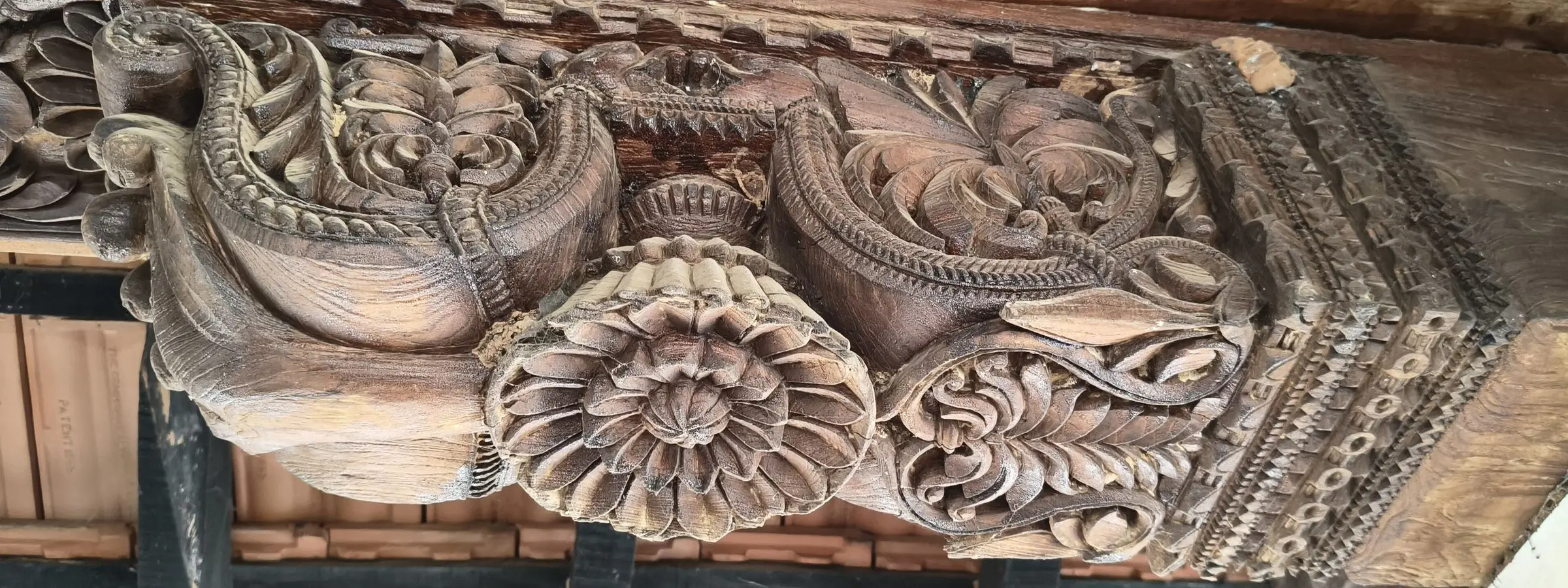
What shapes a Saharanpur seller account
- Marketplaces we run
- Amazon, Flipkart, Meesho, Myntra and Ajio
- Attributes that matter
- Wood species, solid or veneer, finish
- Costs to watch
- Fees and freight on packed size
- Claims to file
- Broken carving, cracks, transit damage
- Busiest weeks
- Diwali, weddings and the sale events
- Run from
- Gandhi Nagar, New Delhi, without visits
In short
- Marketplace account management for a Saharanpur woodcraft seller is weekly panel work while carving, finishing, stock and dispatch stay in the workshop.
- A wood listing must name the species, solid or veneer, the finish and the carving method, or returns and complaints follow.
- Furniture and large carved pieces pay fees and freight on size and weight, so every price is checked against the packed dimensions first.
- Transit damage on carved edges and legs is claimed on evidence: photographs of the packed piece before dispatch and video of each return being opened.
- We run Saharanpur accounts remotely through user permissions, with the owner login, registered mobile and bank details kept by the seller.
Our marketplace account management in Saharanpur is for wood carvers, furniture workshops and handicraft exporters whose pieces are heavy, bulky and easy to chip in transit. We run their seller panels every week from Gandhi Nagar, New Delhi, while carving and dispatch stay in Saharanpur.
We run brands of our own as well, which is why a freight charge on the wrong size or a damage claim left unfiled reads to us as money owed.
What wood sellers lose on unattended panels
An unattended woodcraft account leaks money in quiet ways: fees charged on the wrong size band, damage claims that pass their window, listings suppressed for a missing attribute, and made-to-order pieces sold faster than the workshop can make them.
- Size and weight charges. A carved piece in a large carton is charged on its packed size, and a wrong measurement repeats on every order.
- Lapsed claims. A broken leg or a chipped edge claimed after the window closes is money gone.
- Suppressed listings. Missing wood, finish or dimension fields that a category requires.
- Cancellations. Pieces listed as in stock that are, in fact, still on the bench.
The workshop keeps the carving, the stock, the packing and a floor price for each piece. We take the panel work, from listings and offers above that floor to claims, payouts and account health, as described on our marketplace account management page.
Wood, finish and carving: attributes that hold
A woodcraft listing stays live and keeps its buyers when the panel’s fields say exactly what the piece is. Wood and carving claims are where complaints start, and where marketplaces can act on a listing.
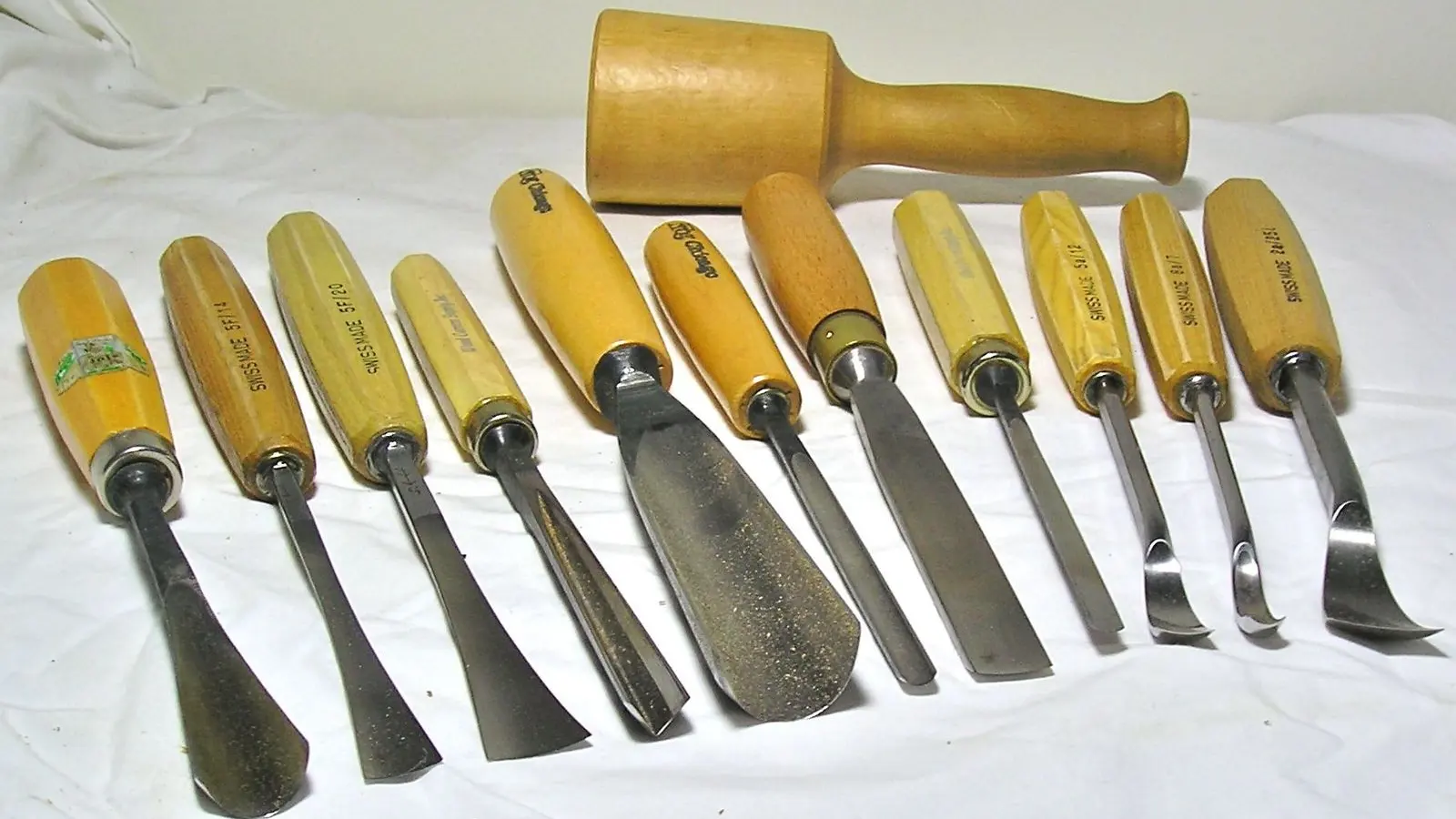
- Wood. The species, sheesham, mango or another, and whether the piece is solid wood or veneer over a board.
- Carving method. Hand-carved, machine-cut and hand-finished, or machine-cut, said plainly.
- Finish. Wax, oil, lacquer or polyurethane, which decides care and how the colour ages.
- Dimensions and weight. Of the piece, and of the packed parcel, from real measurements.
- Assembly. Fully assembled, legs to fix, or flat-packed, with the tools needed.
The same design often comes in more than one wood or finish. Each combination needs its own variation, photographs and weight, or a buyer who chose dark sheesham receives a lighter wood and sends it back.
The registered name Saharanpur Wood Craft belongs only on work that meets its definition. Our catalogue and listing work writes these records once and maps them to each marketplace’s fields.
Photographs that pass the panels
Woodcraft photographs fail marketplace checks when the main image shows a room instead of the background the category requires, when carving detail is lost in flat light, or when there is nothing to judge size against. Every set is checked against each marketplace’s rules first.
- Main image. The whole piece on the required background, square on.
- Detail. Carving close in light from one side, so the depth shows.
- Scale. The piece in a room or beside a familiar object.
- Grain and finish. In daylight, with a line saying grain and colour vary from piece to piece.
Bulky pieces, fees and freight
Size decides a woodcraft account’s margin. Fees and freight follow the packed size and weight, and each marketplace sets its own rules for bulky items, from how they are delivered to what a return costs, so each piece is priced on its packed dimensions.
- Measure the packed piece. Length, width, height and weight of the carton or crate as it ships.
- Price after fees. From the current schedule, such as Amazon’s published seller fees, by category, price and size.
- Check each charge. The size and weight each order was billed at, against your record.
- Raise the wrong ones. With your measurements and photographs of the packed piece.
Our volumetric weight calculator works out each piece before it is listed. Large furniture whose freight leaves no margin is better sold from your own store, with delivery quoted by destination.
Broken carving, cracks and claims
Carved wood comes back damaged in three ways: broken in transit at an edge or a leg, cracked after delivery as the wood dries, or scratched in the finish. Each is a different claim, and each needs evidence from your workshop.

- Before packing. The piece photographed from every side, close on carved edges and legs, with its order number.
- Packed. The carton or crate photographed, corner guards and padding in view, before collection.
- On return. Opened on video with the outer pack in view, and the damage photographed close.
- Cracks. Dated photographs and the care note on the listing, since a crack weeks after delivery points to drying, not transit.
We file each claim inside the marketplace’s time limit and follow it to a decision. Patterns go to the source: a leg that keeps breaking needs better protection in the pack, and a run of cracks needs a word with your timber supplier.
Meesho and Myntra for the right pieces
Not every Saharanpur piece belongs on every marketplace. Meesho suits light, low-priced woodcraft bought on price and the first image, while Myntra and Ajio suit design-led home brands with consistent room photography and approval to list.
- Meesho. Coasters, small boxes, key holders and wall hangings, priced per piece with fees, packing and returns counted.
- Myntra and Ajio. Carved decor and small furniture from approved brands, built to each catalogue’s template.
- Amazon and Flipkart. Most of the range, from trays to side tables, searched by object, wood and size.
Heavy furniture rarely suits Meesho, where one return can cost more than the sale earned. Our Meesho account management page covers that panel; approval on Myntra and Ajio is the marketplace’s decision, and we prepare what it asks for.
Made-to-order pieces on a marketplace
Some Saharanpur pieces are made only when ordered, and a marketplace listing has to tell the truth about that. Where a panel allows a longer handling time, the listing carries it; where it does not, the piece is listed only once it exists.
- Handling time. Set to the real making time, so the promised date is one the workshop can keep.
- Stock. Finished pieces counted as stock; pieces still on the bench are not.
- Custom sizes. Kept off the marketplaces and handled by quotation on your own store.
A seller cancellation counts against account health, so a made-to-order piece that cannot be finished in time costs more than the lost sale.
Diwali, weddings and Saharanpur’s sale weeks
Boxes, trays, photo frames and small decor sell as gifts before Diwali and through the wedding months, and the account plans for both. Gift pieces need stock and ratings before the autumn sale events, usually held in September and October.
- Gift-ready listings. The box a piece comes in and gift wrapping where you offer it, in the details and the photographs.
- Deals. Entered only for pieces whose margin survives the discount, the fees and the freight.
- Cut-off. Gift listings paused once a parcel can no longer arrive before Diwali.
- Corporate orders. Kept off the panels and quoted directly, with engraving proofs and GST invoices.
Returns from gift orders arrive after the festival, and we read them against the season’s orders before next year’s listings are planned.
Our page on selling home furnishings online covers decor and furniture through the rest of the year, and our page on ecommerce services in Saharanpur covers the city’s trade beyond the panels.
Account health with bulky orders
Bulky orders strain the measures marketplaces score sellers on. Crating a cabinet takes longer than boxing a tray, a piece listed before it was finished becomes a cancellation, and a complaint about wood or carving method can bring a warning.
- Late dispatch. Handling times set per piece, longer for crated furniture than for boxed decor.
- Cancellations. Avoided by listing only finished stock, counted on one sheet.
- Material complaints. Answered with the timber supplier’s papers and photographs of the grain and joinery.
We watch these daily and draft any response the marketplace asks for from your records. Reinstating a suspended account remains the marketplace’s decision.
Export designs and listing rights
Workshops that make for importers often hold designs the importer paid for. Before such a piece goes on an Indian marketplace, check your agreement: a design that belongs to an overseas buyer can bring an intellectual property complaint against your account.
A domestic range built from your own designs avoids the problem, and suits Indian homes better too, with smaller tables, lighter screens and finishes chosen for humid months.
Payouts, TCS and size charges
Every payout is reconciled with its order lines, refunds, fees and deductions. On a woodcraft account, the findings are mostly about size: freight billed on the wrong dimensions, reimbursements for damaged pieces approved but not paid, and fees on prices changed during a sale.
The TCS withheld under GST appears in a monthly summary for your accountant to claim. We invoice our fee with GST at 18% on a separate line; commissions, freight and ad spend you pay to the platforms.
Handover and routine, run remotely
The account changes only after we have read it, and the reading happens over calls and shared sheets, with no visits to Saharanpur.
- Access. A user login on each panel; the owner login, registered mobile and bank account stay with the workshop.
- The read. Suppressed listings, size charges, open claims, unmatched payouts and pieces listed but not yet made.
- The sheet. Every piece with its wood, finish, dimensions, packed size, weight, cost and floor price.
- The routine. Daily checks, a weekly report and call, and a monthly review before the festive weeks.
From you we need the user access, that sheet, and photographs of packed pieces and opened returns as they happen. If that is the help your workshop needs, send us your marketplaces and what keeps going wrong.
Account work for Saharanpur sellers
Amazon furniture and decor
Wood, finish and dimension attributes kept complete, with fees checked against each packed size.
Flipkart sale events
Deals for boxes, trays and small furniture entered only where freight and fees leave a margin.
Damage and crack claims
Broken carving and cracked pieces claimed with your packing photographs inside each time limit.
Woodcraft listings
Species, construction, finish and care written plainly, with hand or machine carving named.
Freight in every price
Volumetric weight worked out for each packed piece before it is priced or offered in a sale.
Questions Saharanpur workshops ask about accounts
How much does marketplace account management cost in Saharanpur?
Can I sell sheesham furniture on Amazon?
Should I write hand-carved if the design was cut by machine?
How do I claim for a carved piece broken in transit?
Why do wooden items crack after delivery?
Is Meesho good for wooden handicrafts?
Do wooden toys or kitchen items need certification?
Can you run my Saharanpur accounts without visiting the workshop?
The same service in other cities
- Delhi NCR
- Mumbai
- Bengaluru
- Hyderabad
- Chennai
- Kolkata
- Pune
- Ahmedabad
- Panipat
- Karur
- Solapur
- Varanasi
- Bhadohi
- Moradabad
- Firozabad
- Jodhpur
- Agra
- Kanpur
- Kolhapur
- Meerut
- Jalandhar
- Channapatna
- Sivakasi
- Kannauj
- Mysuru
- Srinagar
- Amritsar
- Surat
- Tiruppur
- Kochi
- Coimbatore
- Jaipur
- Lucknow
- Ludhiana
- Indore
- Marketplace accounts across India
Tell us what your workshop sells online.
List the marketplaces, your main pieces and what keeps going wrong. We read the panels, then send a written scope with the backlog we found and a quote.