Performance marketing for Surat sellers
Our performance marketing services in Surat decide what a saree or lehenga can afford in ads, then move the budget across India as Navratri, Durga Puja, Karva Chauth, Diwali and the wedding months arrive. We plan remotely from Gandhi Nagar, New Delhi, and report one number a week.
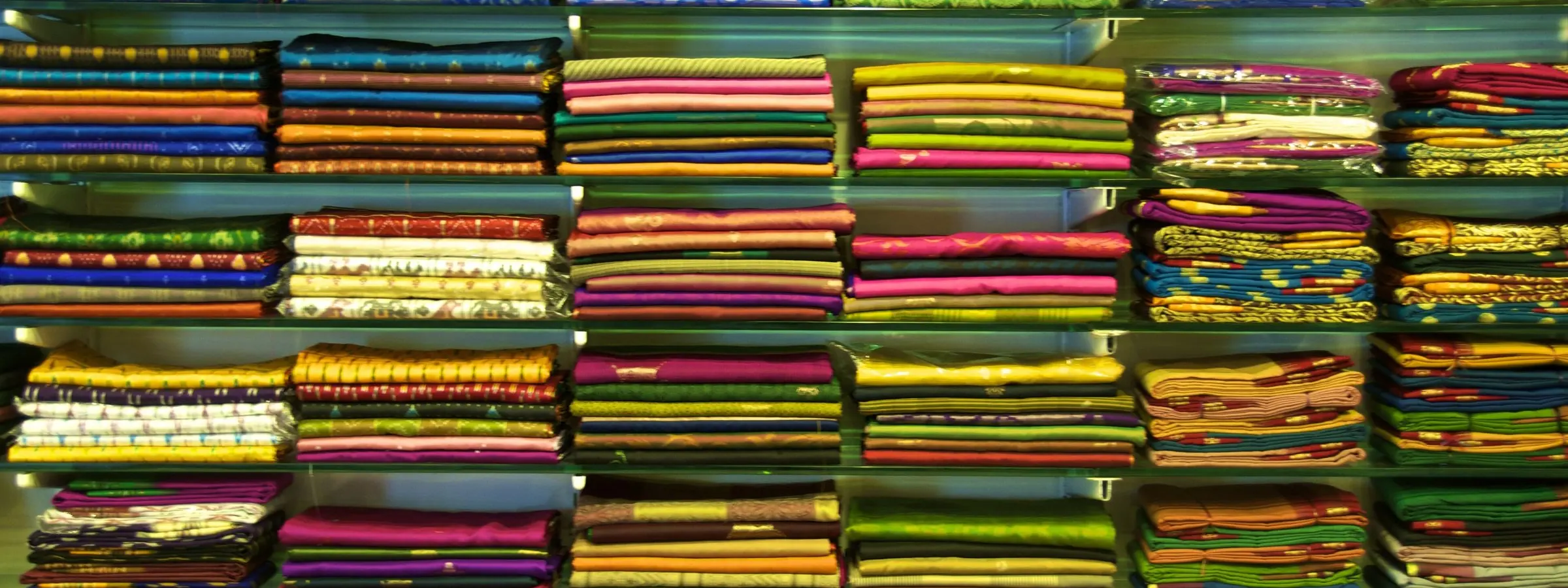
What a Surat media plan works around
- Target set by
- Design margin after commission, freight, returns
- Designs to advertise
- Ones your resellers do not carry
- Festive sequence
- Navratri, Durga Puja, Karva Chauth, Diwali
- Wedding months
- Planned by region, not nationally
- Feeds
- Colour, material and pattern from the store
- Planned from
- Gandhi Nagar, New Delhi, remotely
In short
- Performance marketing for a Surat seller sets ad targets from each design’s margin after commission, freight and returns, then paces spend week by week.
- Advertising a design that resellers also sell can send buyers to a cheaper copy, so campaigns should carry designs sold only through your own channels.
- Saree budgets move across India through the festive months: Gujarat before Navratri, the east before Durga Puja, the north before Karva Chauth.
- Saree ads should name the fibre plainly, because a polyester georgette advertised as silk misleads buyers and comes back as a return.
- We plan Surat sellers’ ad budgets remotely from Gandhi Nagar, New Delhi; media spend is billed by Google, Meta and the marketplaces, not by us.
Our performance marketing services in Surat set what a saree, lehenga or dress material can afford in ads, then move the budget across India as each festival arrives. We plan remotely from Gandhi Nagar, New Delhi, and report one number a week.
We run brands of our own as well, so a margin sheet comes before any campaign we plan. For a Surat seller that sheet has an unusual first line: which designs are yours alone, and which your resellers sell too.
Should you advertise designs your resellers also sell?
Usually not. Surat’s catalogues reach resellers with their photographs, and a buyer who sees your ad can often find the same picture at a lower price from someone else. Your spend then pays for a reseller’s sale.
So the plan starts by sorting designs into two groups. Designs and colourways kept for your own store and marketplace accounts can carry ads; designs shared with resellers are left to organic search and the marketplaces’ own traffic.
No pixel sees a buyer who clicks your ad and then orders from a reseller. MER, all online revenue divided by all marketing spend, shows whether the rule holds: if spend rises while MER falls, look first at the shared designs.
Our page on marketplace account management in Surat covers how designs are kept apart on the seller panels, so the ad plan and the accounts work from one list.
What can a Surat design afford in ads?
A design can afford what is left of its price after product cost, commission or gateway charges, freight both ways, packing and the returns it attracts. That remainder is break-even; the target sits above it by the profit you need.
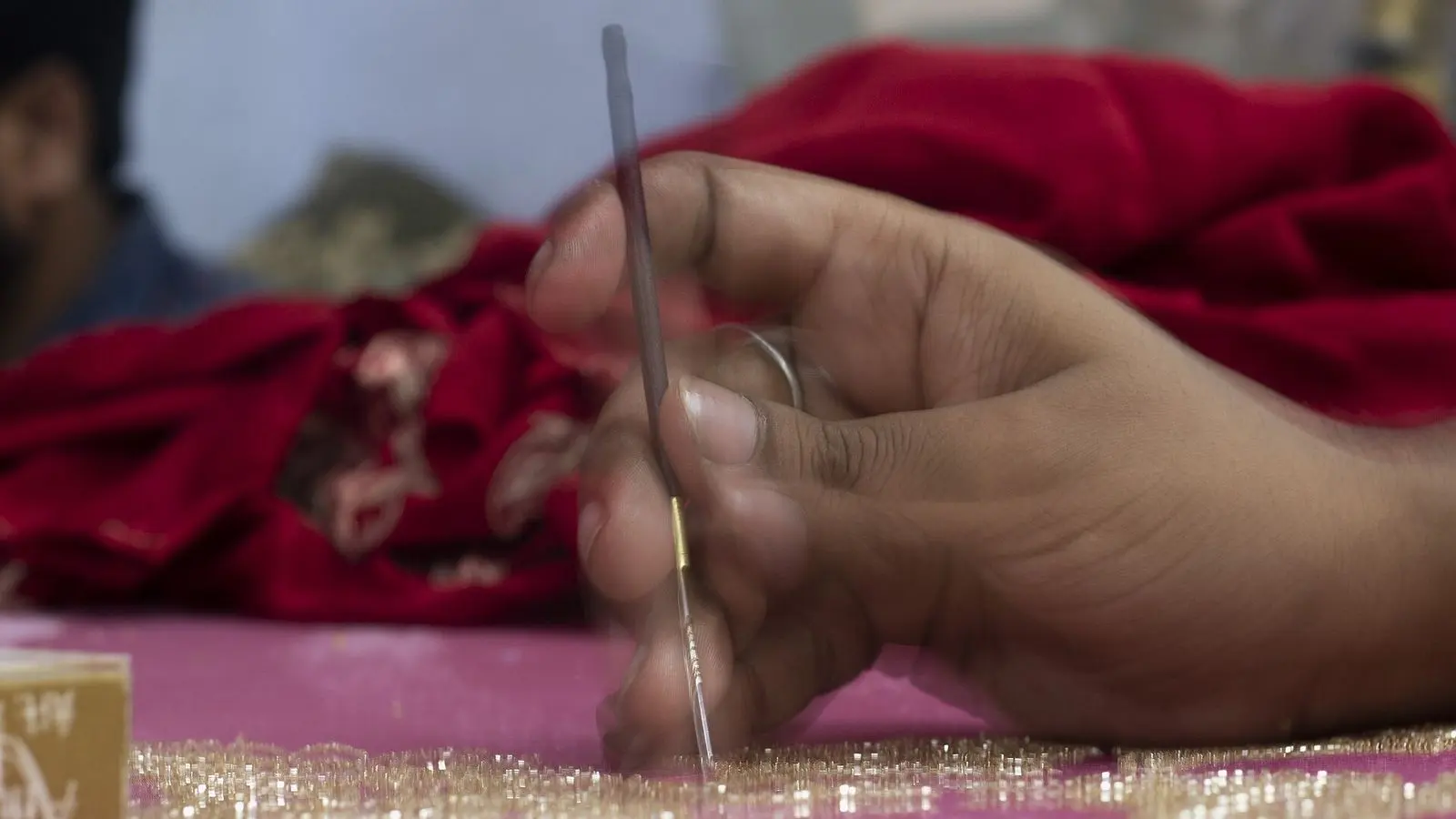
Value printed sarees show the problem plainly. Once commission, freight out and freight back on returns are paid, little is left for a click, and marketplace search sells them better than paid prospecting. Their budget is usually small or nil.
Handwork moves the other way. A saree with hand embroidery or heavy zari usually carries a higher price and a wider margin, so it can pay for prospecting on Meta, provided the transit damage such work invites sits in the return allowance.
Lehengas and occasion sets carry the highest order values and the slowest verdict, because worn returns arrive after the function. Their targets are judged on orders kept, weeks later. Readymade kurtis are judged per fit, since size returns decide whether a style pays.
Dress materials sit between them: a three-piece set carries more price than a value saree, but also more pieces that can go missing on a return, so its target allows for incomplete returns as well as ordinary ones.
Moving the budget across India, festival by festival
Sarees from Surat sell in every region, and each region buys for its own festival. The budget therefore moves through the season as a sequence, weighted towards the states where the next festival falls, rather than spread evenly across India for three months.
| Occasion | Where spend is weighted | When spend on it stops |
|---|---|---|
| Navratri | Gujarat, and Gujarati speakers elsewhere | When a parcel can no longer arrive before the first night |
| Durga Puja | Bengal and the east | When it can no longer arrive before Shashthi |
| Karva Chauth | Punjab, Delhi and the north | When it can no longer arrive before the fast |
| Diwali | Across India | As each region’s last delivery date passes |
| Wedding months | Region by region, as dates approach | Set per region, never all at once |
Location targets on Meta and Google set the weight, and the creative carries the occasion. Meta can also reach people by the language they use in the app, which is how Gujarati or Bengali creative finds its readers outside their home states.
On Google, Search ads are matched to the language they are written in, so reaching buyers who search in Hindi before Karva Chauth means ads written in Hindi, checked by a fluent speaker on your side.
Spend rises in steps as each region’s date approaches, because large budget changes can send automated bidding back into learning just as that region’s buyers arrive.
Planning the wedding months, region by region
Heavy work sarees and lehengas from Surat sell to weddings across India, and wedding dates cluster differently by region and community. The plan gives them a budget line of their own, separate from the festive run, and moves it as each region’s dates approach.
Wedding buyers often decide slowly. A family may come back to a lehenga several times before ordering, so retargeting runs longer than it would for a festive saree, and the creative moves from the full look to close detail of the work.
The measure changes too. A wedding order is judged on cost per kept order, not on clicks or carts, and only once the function has passed and any return has landed. A design that sells well but comes back worn loses its place next season.
Feeds that keep up with a weekly catalogue
A Surat label adds designs faster than anyone can build ads by hand, so the ads read from a product feed. Catalogue ads on Meta and Shopping on Google then pick up each design as it goes live, and drop it once it sells out.
The feed is only as good as its fields. Google’s product data specification has places for colour, material and pattern, and filling them with georgette, zari or floral buti, rather than leaving them blank, decides which searches a saree can appear in.
Feeds also carry the rules. Designs held back from resellers get a label in the feed, so only they enter prospecting, and designs below a stock level drop out on their own, so no rupee goes on a saree that is nearly gone.
The feed comes from your store, which is why its product fields matter as much as its pages; our page on ecommerce website development in Surat covers how those fields are built.
Sponsored ads inside Meesho, Flipkart and Amazon
For a Surat seller whose online business runs mostly through the marketplaces, a share of the budget goes to their own sponsored ads. Each marketplace reports its own ratio, and we convert them to one basis before they reach the weekly report.
Marketplace ads follow the online reserve. Only designs with stock set aside in every colour, ratings already earned and margin left after commission get a bid, and a design’s ads stop before its reserve runs out, so the account is not left with cancellations.
Sale events change the arithmetic. A deal price shrinks the margin the ad is paid from, so during the festive events bids are set from the deal price, not the everyday one, and each event is read again once its returns land.
Saree creative that shows the work honestly
Saree creative has to do what a shop counter does: show the drape, then the detail. The tests we plan for Surat sellers set those against each other, one question at a time, each with a fixed budget and a written result.
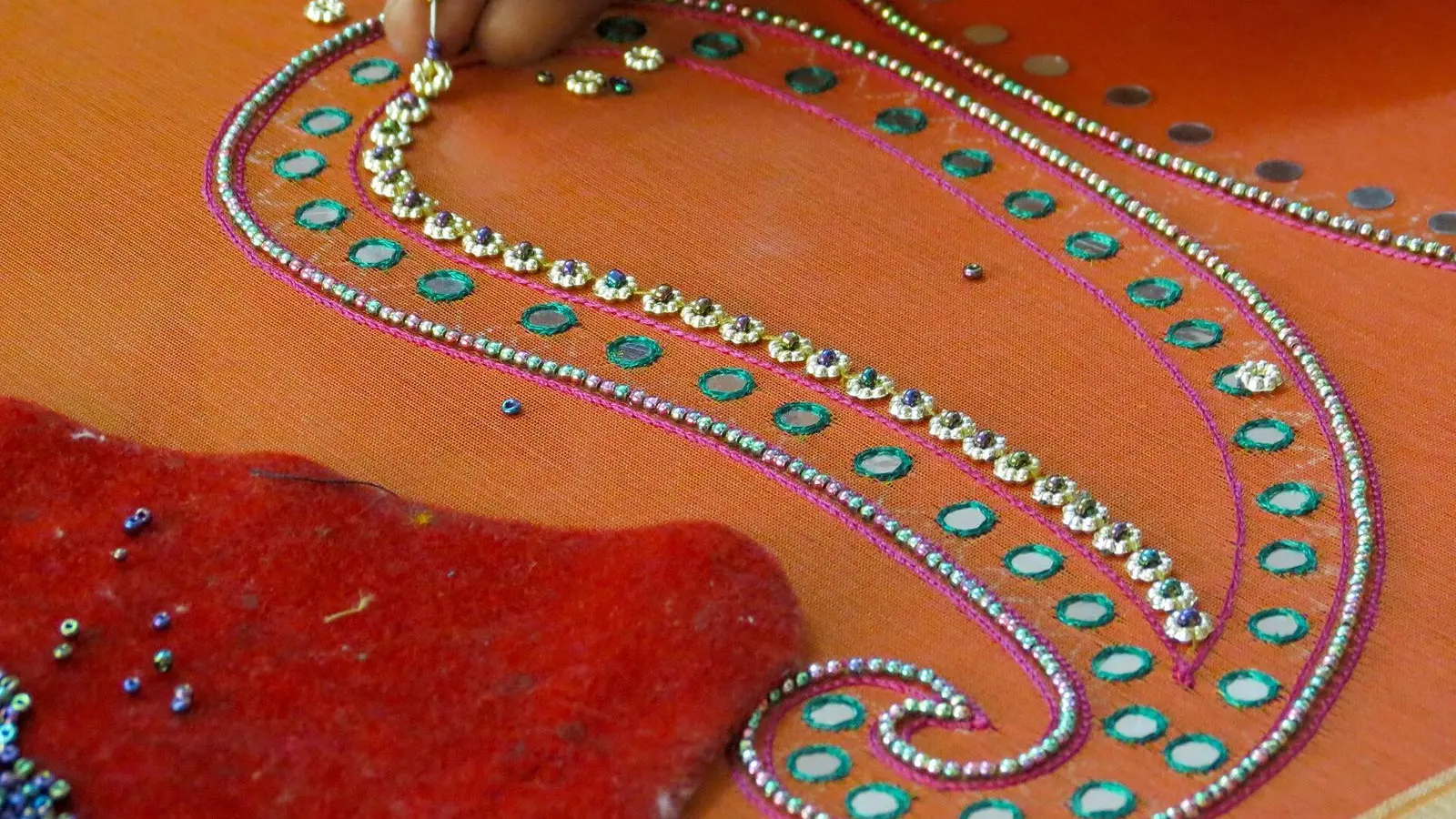
- Drape against detail. The saree moving on a model, against a close-up of zari, sequins or mirror work.
- Price shown or held back. A price in the first frame, against a first frame that shows only the piece.
- Occasion first. Garba, Puja or wedding styling in the opening shot, against the same piece on a plain ground.
- Hindi against English. For buyers in the north before Karva Chauth, measured on orders kept.
Every test names the fabric plainly. An ad that calls a polyester georgette silk misleads the buyer, runs against the ASCI code on honest claims, and comes back as a return. Describe the look in your own words; name the fibre as it is.
Judging saree campaigns on kept orders
A festive saree campaign looks strongest the week it runs and weakest a month later, once worn, refused and swapped pieces have come back. We report both readings, label which is which, and set next season’s budget from the second.
Results are also read region by region. Orders from far states travel longer and, on cash on delivery, can be refused more often, so a region whose kept orders fall below target loses budget at the next festival, even if its placed orders looked healthy.
Clean purchase data makes this possible; our tracking and attribution work checks store and ad figures against delivered orders before the first plan is signed off.
How performance marketing services in Surat are planned
The planning runs from Gandhi Nagar, New Delhi, on your ad accounts, store reports and marketplace downloads, with a call each week. Nobody travels to Surat; what we need is your figures:
- cost per design group, including packing for heavy pieces;
- which designs and colourways are kept from resellers;
- last season’s orders, returns and refusals by state;
- read access to every ad account and marketplace ads console in scope;
- your festive catalogue dates, so creative is ready before the budget is.
Each week opens with one number, online revenue after returns or contribution after ad spend, against target, followed by spend by region, what we paused and why, and the decisions we need. Wholesale and reseller sales stay off the ad results.
Our fee carries GST at 18% on a line of its own, and the platforms bill media spend to you. The method is set out on our performance marketing services page, and our Surat page covers everything else we run for the city.
Size and return questions for ethnic wear are covered on our page about selling clothes online. To start, send us your margins by design group and your ad account names.
From margin sheet to festive budget
Targets per design group
Break-even and target figures for value sarees, heavy work sarees, lehengas and kurtis, worked from your own costs.
Campaigns built to the plan
Google, Shopping and Meta campaigns run against the targets, with drape video and close-ups of the work.
Purchases counted once
Store and ad figures reconciled with delivered orders, so refused cash parcels and returns never inflate a result.
Marketplace ads in step
Sponsored ads on Meesho, Flipkart and Amazon paced with your online reserve and each sale event.
A store that converts
Saree pages quick on phones and a checkout with cash rules, so paid visitors become kept orders.
Questions Surat sellers ask about ad spend
How much do performance marketing services cost in Surat?
Should I run ads for designs my resellers also sell?
When should saree ads start before Navratri and Durga Puja?
Do catalogue ads work for a saree business with new designs every week?
Can I advertise art silk sarees as silk?
How do I know if my saree ads make money after returns?
Should a Surat seller advertise outside Gujarat?
Can you plan my ads without visiting Surat?
Send us your margins by design group.
List the channels you sell through, your ad accounts and last season’s festive results. We come back with the cost questions that decide your targets.