Garments · 16 Oct 2026
Buying wholesale in Gandhi Nagar
A buyer’s checklist for readymade garments bought wholesale in Gandhi Nagar: lot spec, size ratios, fabric checks, samples, invoices and handover.
In short
How to start a clothing brand in India is mostly a question of order: customer and price first, then a short range, samples, labels and GST, a first lot, and only then channels. You do not need a factory.
Who buys, at what price, through which channel, and the few styles you will start with. Work back from the price your customer will pay to the cost per piece you can afford, after GST, channel fees, returns and advertising, before you choose a fabric.
Categories that sell on fit, such as jeans, kurtas and fitted shirts, need more sampling and bring more returns than those that sell on print or price, such as T-shirts and loungewear. Put that difference in the plan from the start.
Through private label: a garment unit that already makes your kind of garment produces it to your approved sample, under your labels. You own the specification and the brand; the unit owns the machines. No factory or production team is needed.
There are four starting points, each giving you more control and asking more of you:
| Starting point | What you control | What you approve | Suits |
|---|---|---|---|
| Ready stock, resold | Selection and price | A piece from the lot | Testing demand before a label |
| White label | Labels, tags and packing | Label artwork and a finished piece | The shortest route to a branded range |
| Adapted style | Fabric, colour, print and measurements | Fit sample, size set and pre-production sample | Brands with a clear fit in mind |
| Your own design | Everything, from pattern to finish | Every sampling round | Brands whose design is the reason to buy |
White label means a maker’s standard garment with your label sewn in; private label, in the full sense, means fabric, fit and finish decided by you. We produce private label clothing through partner units and do not own a factory.
Not to start selling, but apply for one before you spend on labels, tags and packaging. A trademark application in your own name starts protecting the name you are building, and marketplace brand programmes generally ask for one before granting brand controls.
Search the trademark register for similar marks in clothing before you choose, and check the marketplaces for brands already selling under the name. File in the business’s name, never a designer’s or a consultant’s, and take filing advice from a trademark attorney.
In approved stages: fabric and colour, then a fit sample, then a size set, then a pre-production sample with real labels and trims, and only then bulk. Each approval is written, against a numbered version of your tech pack.
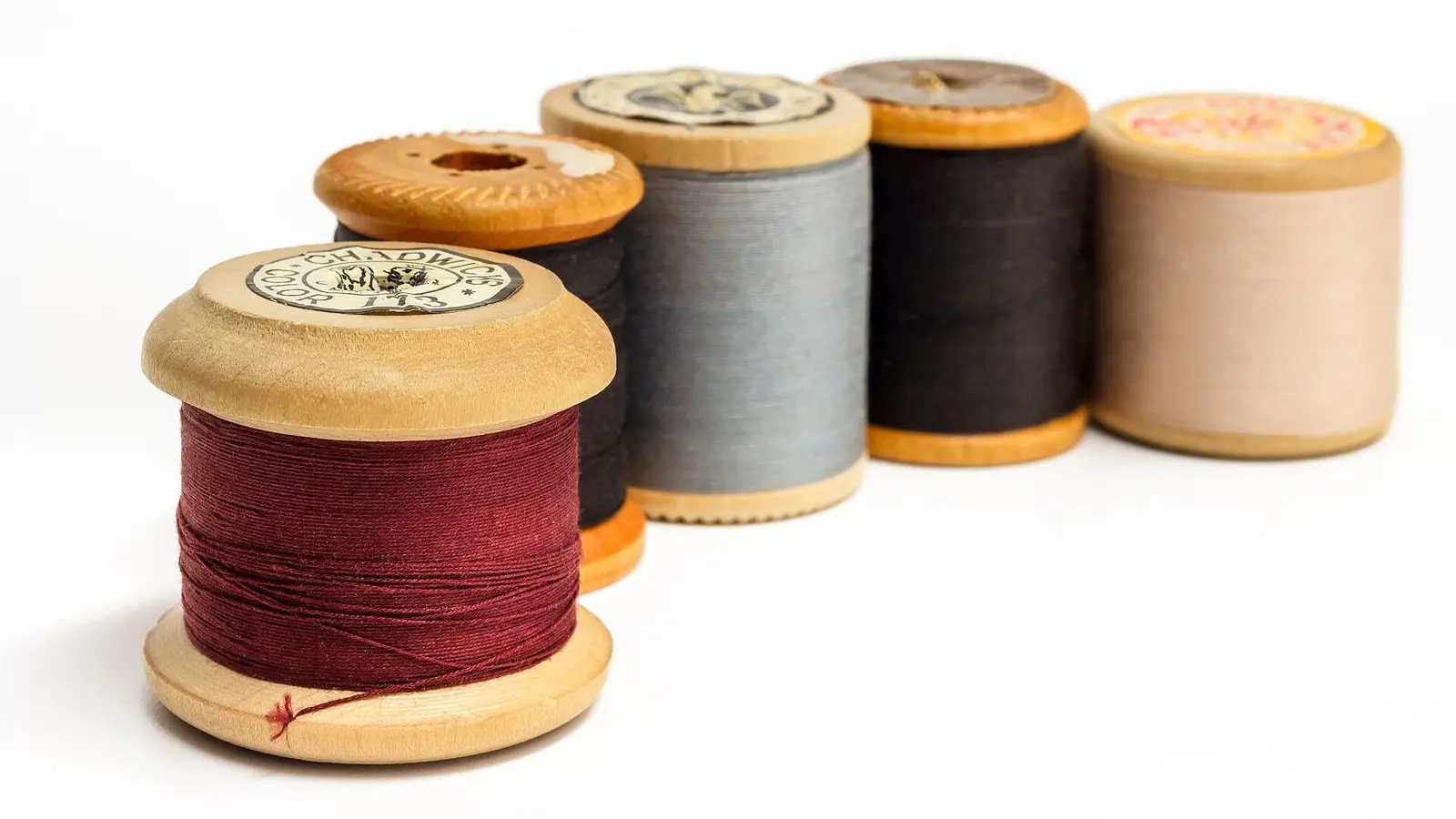
A tech pack is the written specification a garment is made from: sketches, a measurement chart with tolerances, fabric, trims, artwork, labels and packing. If you have no patterns, a garment whose fit you like can be measured to start the chart.
Expect to pay for samples, and ask whether sample charges are adjusted against the bulk order. Budget for at least one revision on a new style: a first sample that needs nothing changed is the exception.
Our guide to a first private label order walks through each approval, and our garment sourcing in Delhi runs samples against your reference.
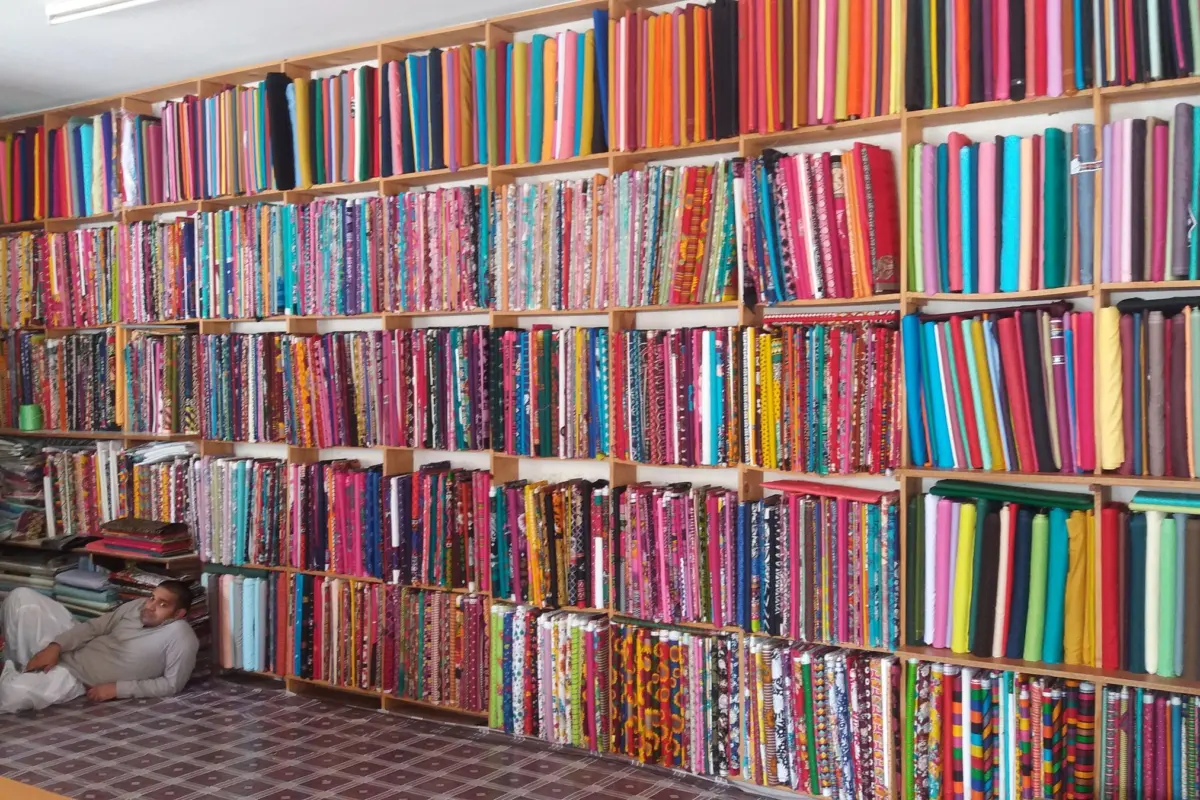
Because Gandhi Nagar is the readymade-garments wholesale market in East Delhi: garments sold in quantity, by the set and by the lot. A new label can see fabrics, compare makes and buy test lots in one market rather than from photographs.
Buy with a written specification and an approved sample, not on looks. Our checklist for the Gandhi Nagar garment market covers the visit, from the specification to the transporter.
Other clusters specialise too, such as knitwear and T-shirts in Tiruppur, hosiery and woollens in Ludhiana, and sarees and synthetic fabrics in Surat. A unit’s speciality matters more than its city: match your garment’s construction to a unit that makes it every day.
At the time of writing, readymade garments carry GST at 5% where the sale value is up to ₹ 2,500 a piece and 18% above it, from 22 Sep 2025. Set your price points with that line in view.
A rate set by price means a discount can move a piece across the line. Our article on GST on readymade garments works through the split on a quote and an invoice, line by line.
Our guide to GST for online sellers covers registration, invoices and TCS in general terms. On any lot we supply, the rate is confirmed on the quotation.
A brand label, a size label, a care label with fibre content and washing instructions, and a hangtag or pack carrying the declarations your channel requires. Order them early: a finished lot cannot be packed until they arrive.
Packaged garments must carry Legal Metrology declarations on the tag or pack, and marketplaces ask for the same on the listing apart from the month and year:
Decide with your adviser whose name and address go on that declaration, yours, the unit’s or both, before tags are printed. Our guide to Legal Metrology rules for online sellers shows where each declaration goes.
Use the same size names on the label, the hangtag, the size chart and the listing, and give every style a code that matches its SKU on each channel. Add barcodes where a channel requires them.
Large enough to meet the minimums and to learn from, across a few styles rather than many. There is no right number: minimums for fabric, labels and production set the floor, and your cash sets the ceiling.
Ask for every cost on the quotation: samples, fabric minimums, label and tag runs, packing, inspection, GST and freight. Then request our wholesale garment rate card to compare like with like.

Where your customer already shops, and on one channel before several. Value ranges tend to start on Meesho, Amazon or Flipkart; labels with a defined style look to Myntra and Ajio; and a brand with a story or a following builds its own storefront alongside.
| Channel | Suits | What it asks of you |
|---|---|---|
| Meesho | Value everyday wear, price-led buyers | A low landed cost, a simple catalogue, a close watch on RTO |
| Amazon and Flipkart | Basics, staples and wide size runs | Complete listings, size mapping, ads from launch |
| Myntra and Ajio | Labels with a defined style | Brand onboarding, styled imagery, catalogue to their templates |
| Your own storefront | Full collections, drops and repeat buyers | Traffic you bring, payments and customer service |
| Wholesale to retailers | Ranges with steady reorders | Sets, size ratios and credit terms |
Marketplaces ask for tax details at registration, a catalogue in their own format, size charts and a plan for returns, which fashion sees more of than most categories. Our page on how to sell clothes online in India compares the fashion marketplaces in detail.
Plan for RTO, return to origin, as well: orders that come back undelivered, which in fashion gather around cash-on-delivery impulse buys. A measured size chart and a confirmation message before shipping cut both returns and RTO.
Longer than the sewing. Sampling rounds, fabric and trim availability, label and tag runs, marketplace onboarding and brand approval, photography and catalogue work each take their own time, and several cannot start until the one before is signed off.
Run the selling work alongside production rather than after it: apply to marketplaces, file the trademark, photograph the pre-production sample for listings and build the catalogue while the lot is being made.
Work back from the season or sale date you are aiming at, such as Diwali or the wedding season, and leave room for a second sampling round.
More than the per-piece price. Sampling, fabric minimums, labels, packing, photography, catalogue work, trademark filing, accounting, channel fees, returns and advertising all come before or alongside the first sale.
Cash is the other cost. You pay for the lot before it sells; marketplaces settle on a cycle, net of fees, returns and deductions such as TCS. Plan working capital for that gap, including a reorder placed before the first lot has paid for itself.
Prove a style in a small lot before you put your name in its neck.
We source and supply garments; we do not own a factory or a production line. Ready lots are sourced from manufacturers in Delhi, and private label is produced through partner units, with sampling and sourcing handled in the same conversation.
Beyond the lot, our ecommerce and marketing arms can take on the listings, a storefront and the advertising. Tell us what you want to make, for whom and at what price, and we will come back with the questions that shape the first sample.
The terms used here, from RTO to TCS, are defined in plain English in our ecommerce glossary.
We produce private label clothing through partner units: we write the brief, run the samples, source labels and check the finished lot before handover.
A buyer’s checklist for readymade garments bought wholesale in Gandhi Nagar: lot spec, size ratios, fabric checks, samples, invoices and handover.
Planning a first private label order: tech pack basics, labels and hangtags, approvals in sequence, quality checks and the reorder.
GST for online sellers: registration, the GST invoice, TCS on marketplace payouts, input tax credit and monthly reconciliation.
Tell us what you sell and where. We reply with our questions and a scope, with GST on its own line.