Ecommerce services in Panipat
Our ecommerce services in Panipat help the city’s blanket, rug, durrie and furnishing makers sell under their own names on marketplaces and storefronts. We run the accounts, listings and ads remotely from Gandhi Nagar, New Delhi, while production, stock and dispatch stay in Panipat.
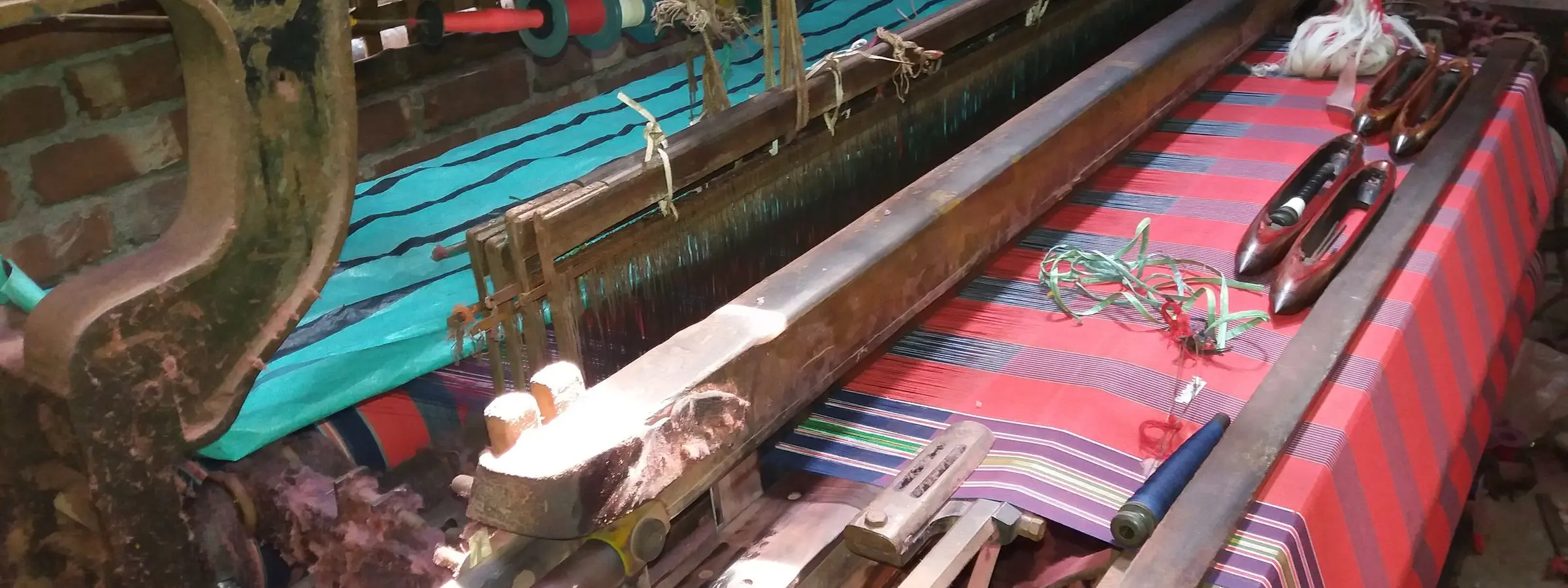
Panipat’s furnishing trade, as it meets ecommerce
- Known for
- Blankets, rugs, durries, bedcovers, cushion covers
- Also known for
- Yarn spun from recycled textile waste
- Busy seasons
- Winter, Diwali and the wedding months
- Marketplaces to start
- Amazon, Flipkart, Meesho; Myntra for design-led ranges
- Freight to plan for
- Charged on packed size as well as weight
- How we work
- Remotely, from Gandhi Nagar, New Delhi
Freight, commission and GST depend on each product and marketplace; check them against your own figures before pricing.
The selling side of a furnishing business
Marketplace accounts
Amazon, Flipkart, Meesho and Myntra run weekly: size variations, freight-aware pricing, damage claims and settlement checks.
Size-true listings
Blanket, rug and durrie listings with dimensions, weight, fibre blend and method stated, and shot lists that show scale.
A storefront for your brand
A Shopify or WooCommerce store with size guides, swatch orders and trade enquiries from hotels and retailers.
Season-led advertising
Google and Meta campaigns opened for winter blankets and pre-Diwali furnishings, judged on orders kept after returns.
Tracking you can trust
GA4, Tag Manager, Meta Pixel and Conversions API set up so storefront sales are counted once.
In short
- Ecommerce services in Panipat help home furnishing makers sell blankets, rugs, durries, bedcovers and cushion covers online under their own brand.
- Blankets and rugs are charged freight on packed size, so the price must carry it and the pack should be as compact as possible.
- A furnishing listing should name the method, handloom, powerloom or tufted, and the fibre blend, including any recycled yarn, as the supplier’s documents state it.
- Panipat sellers plan around winter for blankets, the weeks before Diwali for durries, rugs and cushion covers, and the wedding months for bedding sets.
- We work with Panipat sellers remotely from Gandhi Nagar, New Delhi; packing and dispatch stay with the seller.
Our ecommerce services in Panipat are for the makers behind the city’s blankets, rugs, durries, bedcovers and cushion covers who want to sell online under their own name. We run the accounts, listings and ads; looms, stock and dispatch stay with you.
Panipat, in Haryana, is known for home furnishings woven on handlooms and powerlooms: blankets, rugs, durries, bedcovers, cushion covers, curtains and bath mats, much of it made for export buyers. The city is also known for spinning yarn from recycled textile waste.
That trade grew around the bulk order: a buyer’s specification, many pieces of one design, and someone else’s label sewn on. Online selling turns it around: one blanket at a time, your own name, and a shopper who can send it back.
We run brands of our own as well. For Panipat sellers, commission, freight and returns decide what remains from a blanket or furnishing sale. We are an operator, not an agency.
Our only office is in Gandhi Nagar, New Delhi, down the highway from Panipat. The work itself runs remotely: you add us as a user on your seller and ad accounts, we report every week and talk on calls, and nobody needs to travel.
How do Panipat’s furnishings reach online buyers?
Panipat’s furnishings reach online buyers three ways: through traders who list them under their own names, through the maker’s own marketplace accounts, and through a brand’s own storefront. Each step down that list keeps more of the margin and the customer.
Much of what Panipat weaves leaves as export orders and wholesale lots, and those buyers carry the retail risk: they pick the designs, hold the stock and absorb the returns. Selling online takes that risk back, with the margin that came with it.
The change is bigger than it looks. An export buyer approves a sample and orders in bulk; an online shopper orders one double blanket, checks it against the photograph and the stated weight, and returns it if either disappoints.
Indian homes also buy to different sizes, weights and colours from export markets. A range designed for a foreign buyer’s season may need editing, in size, weight or colour, before it suits a winter bed in north India.
So the first job is rarely advertising. It is choosing which designs and sizes to sell, writing listings that state size, weight and fibre plainly, and pricing each piece after freight, commission and an allowance for returns.
Which marketplaces suit blankets, rugs and durries?
Amazon and Flipkart suit blankets, rugs and bedcovers that shoppers search by size, fibre and price; Meesho suits value polyester blankets, cotton durries and cushion-cover sets; Myntra’s home section suits design-led ranges with styled photographs. Start with the channel that fits your price band.
| Channel | Suits from Panipat | Watch for |
|---|---|---|
| Amazon | Blankets, rugs and bedcovers searched by size and fibre | Variation set-up and fees on bulky parcels |
| Flipkart | Value and mid-priced blankets, festive furnishing sets | Sale-event pricing and stock depth in winter |
| Meesho | Polyester blankets, cotton durries, cushion-cover sets | Thin margins once freight and returns are counted |
| Myntra | Design-led rugs, throws and cushion covers | Brand approval and styled image standards |
| Own storefront | Full ranges, custom sizes, trade enquiries | Paid traffic, and COD on bulky orders |
Amazon and Flipkart work on search, and furnishing searches carry sizes: “double bed blanket”, “5×7 rug”, “cotton durrie for living room”. Each size should sit as a variation of one listing, with every attribute filled, so the design appears when a shopper filters.
Meesho shoppers decide on price and the first image, which suits Panipat’s value polyester blankets and cotton durries. The margin is thin, and a bulky parcel that comes back costs freight twice, so work out the return cost of each design before you list it.
Myntra looks for brands rather than loose products, with styled room photographs and a consistent catalogue. A Panipat maker with designs of its own in rugs, throws and cushion covers can build a name there once the range and the photography are ready.
Our pages on selling home textiles online and selling home furnishings online compare the channels for bed linen, rugs and covers in more depth.
Selling export stock under your own name
Sell export overruns and surplus only under your own brand, with every buyer’s label removed. A blanket still carrying another company’s name, swing tag or care label invites an intellectual property complaint, and a marketplace can remove the listing or restrict the account.
Surplus also varies. A lot cleared from an export order can mix first quality with rejected pieces, so grade it before listing, sell seconds as seconds at their own price, and keep the two apart in the catalogue.
- Labels. Remove every label, tag and printed mark that names the export buyer, care labels and carton marks included.
- Designs. A design the buyer commissioned may not be yours to sell; ask before it goes into a listing.
- Sizes. Sizes named for export markets, such as queen or king, may not match the beds your buyers own, so state exact dimensions.
- Packs. Repack with your own Legal Metrology declarations, because the export pack carries the buyer’s details, not yours.
Your own brand is what the marketplaces protect. A registered trademark lets you apply to their brand programmes, which give more control over listing content and a way to report sellers who copy it. Your attorney files the trademark; we prepare the marketplace side.
Handloom, powerloom or tufted: what to call it
Name the method that made the piece, because shoppers pay more for handloom and hand-tufted work and send back goods that turn out otherwise. Panipat weaves on both handlooms and powerlooms, and a listing should say which, in the title and again in the description.
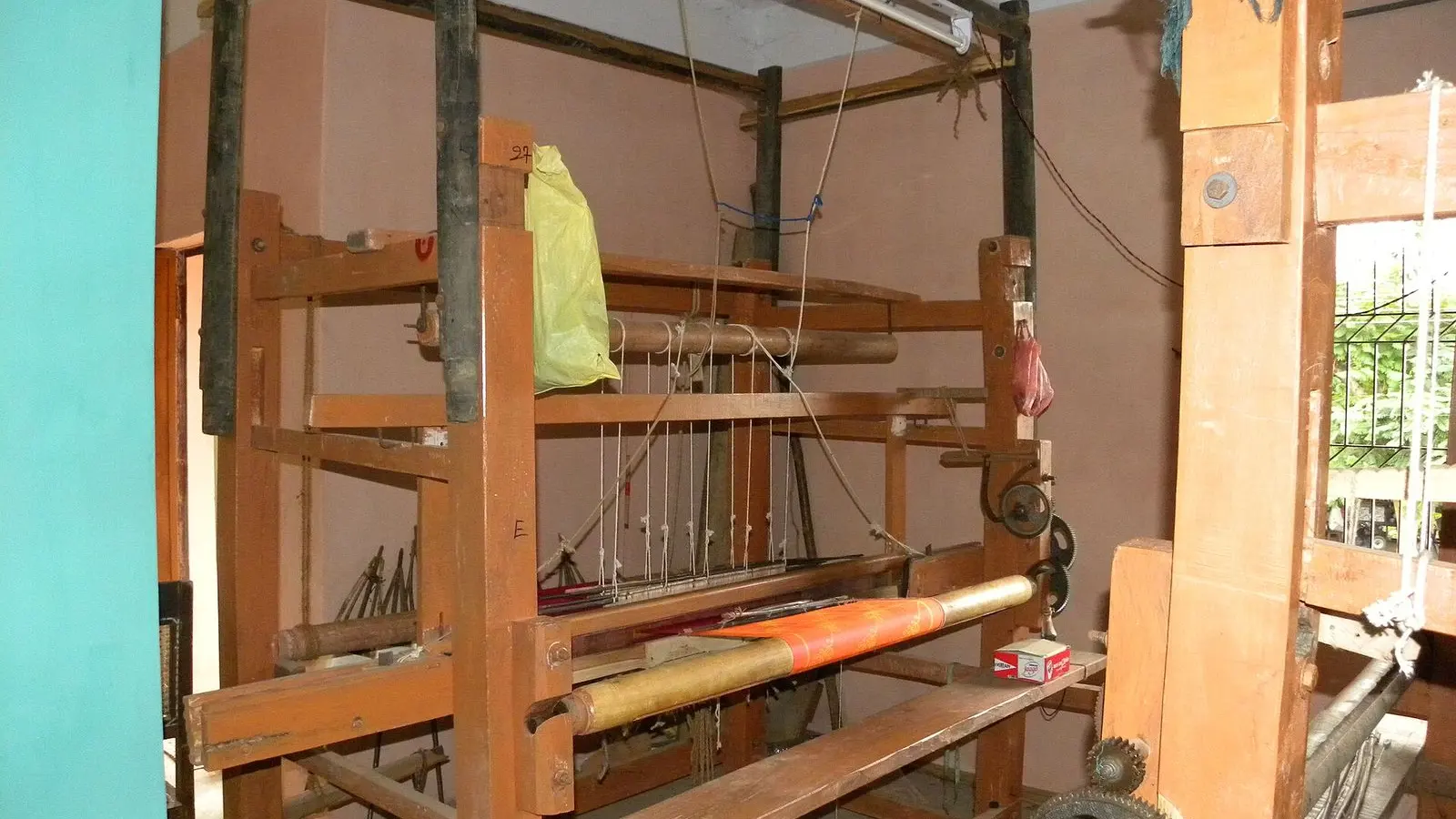
- Handloom. Woven on a loom worked by hand. Only genuine handloom goods should carry the word, and goods registered under the Handloom Mark can show it.
- Powerloom. Woven on a mechanised loom. There is nothing to hide: describe the weave, the fibre and the finish, and price it for what it is.
- Hand-tufted. Yarn punched through a backing cloth with a tufting gun, then sheared and backed. It is not hand-knotted and should never be sold as such.
- Flatweave. Durries and similar rugs woven without a pile, often reversible; say whether yours are, and show both faces.
The difference shows in the price, so it shows in the returns. A shopper who paid for handloom and receives a powerloom bedcover feels misled, and a marketplace can act on a listing whose description does not match the product.
Photographs carry the proof: the reverse of a durrie, the backing of a tufted rug, the selvedge of a handloom bedcover. Show them close up in daylight, and keep the weaver’s or supplier’s documents for every claim you make.
What may a recycled-yarn listing claim?
A recycled-yarn listing may claim what the spinner’s documents support, and no more. Panipat spins yarn from textile waste and weaves it into blankets, rugs and durries; say so plainly, with the blend, rather than reaching for broad words like eco-friendly.
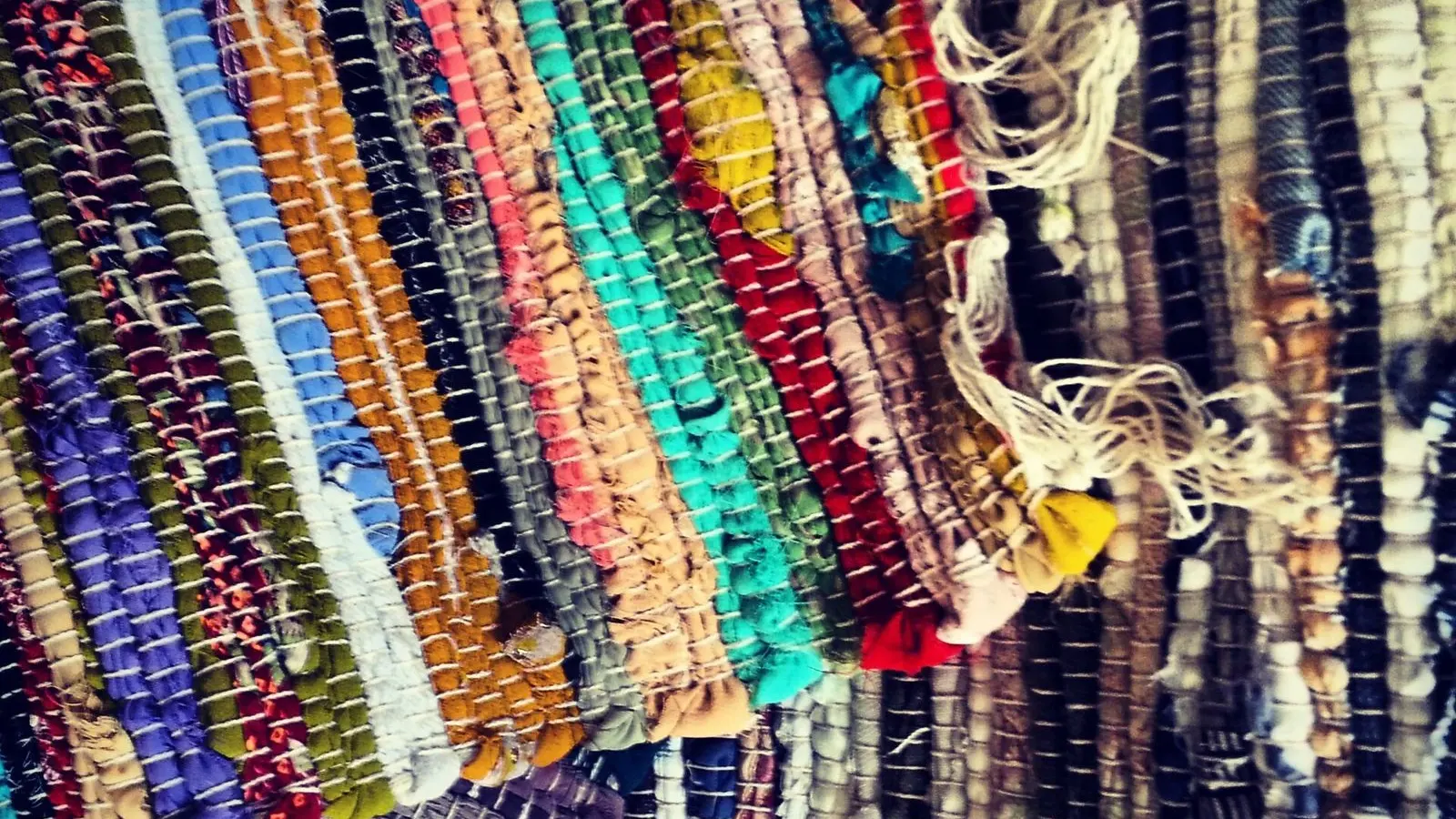
India’s Central Consumer Protection Authority has issued guidelines against misleading environmental claims, and a marketplace can remove a claim you cannot support. The safe course is a specific statement, kept on file: what the yarn is made from, and what else is blended in.
- Say what was recycled. Waste fibre spun into new yarn, as your spinner describes it, rather than recycled in general.
- Give the blend. Recycled yarn is often blended with acrylic or polyester for strength; name each fibre the label carries.
- Keep the papers. The spinner’s declaration for each lot, so a claim can be shown when a buyer or a marketplace asks.
- Drop the halo words. Green, natural and planet-friendly give a buyer nothing to check, and invite a complaint.
Blankets bring one more naming trap. Trade names such as mink describe a soft polyester pile, not the fur, so a listing should lead with the fibre and leave the trade name to the description, where it cannot be read as a material.
What a blanket or rug listing must state
A blanket or rug listing has to state the exact size, the weight, the fibre, the method and the care, then show the piece at a scale a shopper recognises. Buyers measure their bed or floor first and return what does not fit.
Blankets
Give the size in centimetres and inches, and say whether it suits a single or a double bed. State the weight, because buyers judge warmth by it, and say plainly whether a blanket is meant for winter nights or for air-conditioned rooms in summer.
Rugs and durries
Give the size in feet and centimetres, the pile height or flatweave, the backing, and whether the rug needs an underlay to stay put. Durries are often reversible and washable; say so if yours are.
Bedcovers and cushion covers
Bedcovers need their dimensions set against bed sizes and the number of pillow covers in the set. Cushion covers need the size in inches, the closure, the pack count and a clear line on whether fillers are included.
Bath mats and doormats
Bath mats sell on absorbency, backing and size. Say whether the back is anti-skid, how the mat should be washed and whether the colour runs in the first wash, because a mat that slides on wet tiles or bleeds comes back with a complaint.
Photographs follow the buyer’s questions: the piece on a made bed or a real floor, a fold showing its thickness, the weave in daylight, and the label. Our catalogue and listing work writes these fields and your photographer’s shot list.
Freight, packing and returns on bulky parcels
Bulky parcels are charged on their packed size as well as their weight, so blankets, quilts and rugs often cost more to ship than their weight suggests. Price each design on its own parcel, and make that parcel as small as the product allows.
- Volumetric weight. Couriers and marketplaces charge on the larger of actual and volumetric weight; our volumetric weight calculator shows which applies to a carton.
- Compression. Vacuum-packing blankets and fillers shrinks the parcel, provided the product recovers its loft when opened.
- Rolling. Rugs travel rolled around a core and wrapped against damp, not folded into creases.
- Returns. A bulky return costs freight twice and may need cleaning before resale, so the listing should prevent every return it can.
- Evidence. A photograph of every packed parcel, with its measurements, supports a claim when a marketplace disputes the size or a return arrives used.
We do not pack or ship. Our part is written packing guidance for your dispatch staff, a weekly read of the return reasons, and claims wherever a marketplace owes you, including disputes over the weight or size it charged.
A blanket sells on its weight and ships on its size.
How does the Panipat selling year run?
The Panipat selling year has three peaks: winter for blankets, the weeks before Diwali for durries, rugs, curtains and cushion covers, and the wedding months for bedding sets bought as gifts and for new homes. Summer belongs to cotton durries and light blankets.
| Period | What sells | On the account |
|---|---|---|
| Before the festive sales | Durries, rugs, cushion covers, curtains | Listings refreshed, stock deep in proven sizes |
| Diwali | Home refresh and gifting sets | Event prices checked against margin |
| Winter | Blankets, quilts and heavy throws | Stock watched by size as demand moves |
| Wedding months | Bedding sets and blankets as gifts | Gift sets photographed and in stock |
| January | Clearance sale events | Late winter stock cleared where margin allows |
| Summer | Cotton durries, light blankets | Lighter ranges listed before the heat |
| Monsoon | Bath mats, doormats, quick-drying rugs | Packs bagged against damp |
The marketplaces’ festive sale events usually fall in September and October, before Diwali, so furnishings need ratings and stock in place before then. Late uploads compete with no reviews against designs that have had a month to gather them.
Blanket demand follows the cold: it starts in the hill states and the north-west and spreads across the northern plains, while much of the south buys little heavy bedding. Blanket ads should open region by region, not across India.
Weddings bring a different buyer. Families buy blankets, bedcovers and dohar sets to give or to furnish a new home, often several at once, so a gift set needs its contents listed piece by piece and its packaging photographed.
Advertising furnishings by season and by size
Advertise to shoppers already searching for the size and the season, and judge every campaign on orders kept after returns. In furnishings, a campaign that sells a colour or size buyers send back can look profitable until the returns arrive.
- Search by size. Build campaigns around the sizes you stock, such as a double-bed blanket or a five-by-seven rug, and exclude the ones you do not.
- Room-led creative. Meta ads that show a durrie on a living-room floor or a blanket on a made bed sell the look; flat product shots rarely do.
- Catalogue ads. A product feed with true colours, sizes and pack counts lets each shopper see again the design they viewed.
- Language. If your buyers read Hindi, test Hindi creative against English, particularly for winter blankets in the north.
ROAS, return on ad spend, divides revenue by ad cost at the moment of purchase. For bulky goods we report it beside margin after freight and returns, because a rug that sells well and comes back often can lose money on every order.
The campaigns run through our Google Ads and Meta Ads management, with the season’s budget agreed before it starts.
When a Panipat brand needs its own store
A Panipat brand needs its own store when it has designs worth browsing as a collection, buyers who come back, or trade customers such as hotels and interior designers who want a quotation rather than a cart. Before that, the marketplaces do the finding.
- Size guides for beds and rooms, so a buyer chooses the right blanket or rug without a call.
- Swatch orders for rugs and bedcovers, with the swatch price credited against the order that follows.
- Trade enquiries from hotels, interior designers and retailers, taken through a form rather than the consumer checkout.
- Prepaid nudges on bulky orders, because a refused cash-on-delivery rug costs freight both ways.
Hotels and guest houses buy blankets, bedcovers and bath mats in quantity, and ask for a sample, a quotation and a GST invoice in their own name. A trade page keeps those orders apart from the shop and in front of your sales staff.
Our page on ecommerce website development in Panipat covers the build: platform, checkout, freight rules and trade pricing. Dispatch stays in Panipat, and the store hands each order to whichever shipping app you use now.
How our ecommerce services in Panipat run
Our ecommerce services in Panipat run the selling side of a furnishing business from New Delhi: listings built before each season, prices set after freight and fees, returns and claims worked weekly, settlements checked, and ads opened and closed with demand.
- Read. Your current listings, return reasons, claims, settlements and the margin on each design after freight.
- Rebuild. Sizes, weights, fibre and method stated plainly; variations merged; shot lists written for your photographer.
- Price. A margin sheet for each design and size, with freight from the packed parcel and a return allowance from your history.
- Run. Uploads, pricing, sale events, claims and ads, reported every week on kept orders and margin.
From you we need account access, design sheets with sizes, weights and blends, cost sheets, the packed dimensions of each parcel, and one person who decides prices and stock. Our page on marketplace account management in Panipat sets out the weekly account work.
When you compare ecommerce agencies for a Panipat business, two answers tell you most: how they would price a rolled rug against its freight, and whether they sell on the marketplaces with money of their own at stake.
Other home-textile centres sell on similar rules: Karur’s bed and kitchen linen, covered on our page for Karur sellers, and Solapur’s chaddars and towels, on our page for Solapur sellers.
Mistakes that cost Panipat makers money
The costly mistakes for a Panipat maker moving online come from carrying export habits into retail: listing every design at once, pricing before freight, leaving buyer labels on surplus, and describing the method or the fibre more kindly than it deserves.
- Prices set before freight, so heavy blankets and large rugs lose money on every order.
- Buyer labels left on surplus stock, which invites a complaint against the account.
- Handloom on powerloom goods, or hand-knotted on a tufted rug.
- Eco-friendly with no papers to show what the recycled yarn is.
- Sizes named, not measured, so a queen-size cover reaches a double bed.
- Blankets listed after the cold arrives, with no ratings when demand peaks.
- Every colour of every design uploaded at once, so none builds ratings or stock depth.
- Returns read as bad luck, when the reasons point to size, weight or colour.
To start, send your range, your sizes and the channels you sell on through our contact page. We come back with our questions, and then with a scope and a quotation in writing.
The categories Panipat weaves for
What Panipat makers ask before selling online
Can I sell export surplus home furnishings online from Panipat?
Is Meesho good for selling blankets and durries?
How do I cut shipping costs on rugs and blankets sold online?
Can I call a recycled-yarn blanket eco-friendly?
What GST rate applies to blankets and bedcovers sold online?
Can a Delhi company manage my Panipat seller accounts?
How much do ecommerce services cost for a Panipat business?
When should winter blankets be listed online?
Other cities we work with
- Delhi NCR
- Mumbai
- Bengaluru
- Hyderabad
- Chennai
- Kolkata
- Pune
- Ahmedabad
- Surat
- Tiruppur
- Ludhiana
- Jaipur
- Lucknow
- Indore
- Chandigarh
- Kochi
- Coimbatore
- Karur
- Solapur
- Varanasi
- Bhadohi
- Moradabad
- Firozabad
- Saharanpur
- Jodhpur
- Agra
- Kanpur
- Kolhapur
- Meerut
- Jalandhar
- Channapatna
- Sivakasi
- Kannauj
- Mysuru
- Srinagar
- Amritsar
Tell us what your Panipat looms make.
Send your range, your sizes and the channels you sell on today. We reply with our questions first, then send a scope and a quote in writing.