Ecommerce services in Kanpur
Our ecommerce services in Kanpur help the city’s leather goods and saddlery makers sell belts, wallets, bags and riding gear online under their own name. Accounts, listings and ads are handled remotely from Gandhi Nagar, New Delhi, while cutting, stitching and dispatch stay in Kanpur.

What Kanpur makes, and where it sells
- Known for
- Tanning, saddlery, leather footwear, bags, belts, wallets
- Registered GI
- Kanpur Saddlery
- Marketplaces to start
- Amazon, Flipkart; Myntra and Ajio for accessories
- Gifting peaks
- Raksha Bandhan, Diwali, the wedding months
- Monsoon watch
- Mould on stored leather; dry, breathable storage
- How we work
- Remotely, from Gandhi Nagar, New Delhi
Name each hide and finish as your tannery’s papers state them; marketplaces act on material claims that do not match.
Leather goods work we take on
Marketplace accounts
Amazon, Flipkart, Myntra and Ajio run weekly: listings, gift-set stock, returns, claims and settlement checks for leather goods.
Material-true listings
Hide, finish, lining, hardware and stitching written per marketplace, with shot lists that show grain, edges and inside pockets.
A storefront for saddlery
A Shopify or WooCommerce store for riding gear, belts and bags, with fit guides, trade prices and gift wrapping.
Gifting ads, paced
Rakhi, Diwali and wedding campaigns planned from margin, with corporate enquiries tracked apart from shop orders.
Bags and travel goods
Laptop bags, duffels and travel goods listed with capacity, dimensions and weight, and priced for volumetric freight.
In short
- Ecommerce services in Kanpur help leather goods makers list, price and advertise belts, wallets, bags and saddlery online, with every material described exactly.
- Belts, wallets and office bags usually start on Amazon and Flipkart; handbags and accessories from a defined label suit Myntra and Ajio after brand approval.
- A leather listing should name the hide, the grain and the lining as the tannery’s papers state them, and call PU or PVC by name.
- Kanpur Saddlery is a registered geographical indication, and saddlery suits a specialist storefront, where riders find fit details a marketplace page has no room for.
- Kanpur sellers can work with us from where they are, through logins they control; making, stock and dispatch never leave the workshop.
Our ecommerce services in Kanpur are for the makers of the city’s leather goods, from saddlery and harness to belts, wallets, bags and shoes, who want to sell online under their own name. Cutting, stitching and stock stay in Kanpur; the selling becomes our work.
Kanpur is known for leather. The tanneries of Jajmau, on the Ganga, finish hides for the city’s workshops, which make saddlery and harness for riders abroad as well as leather footwear, bags, belts and wallets. Kanpur Saddlery is a registered geographical indication.
Much of that trade was built for other people’s names: export orders, private label and wholesale lots. Selling online under your own brand asks for different work, a belt or a bag at a time, judged on a photograph and returnable.
An operator rather than an agency, we run brands of our own as well. Kanpur workshops work with us from where they are, through logins they create and control, a weekly report and calls with our office in Gandhi Nagar, New Delhi.
How Kanpur’s leather goods reach online buyers
Kanpur’s leather goods reach online buyers three ways: a trader lists them among many brands, the maker runs its own marketplace accounts, or a label sells through its own storefront. The first is easiest to start; the other two keep the margin and the customer.
Export and private-label work trains a workshop well: specifications, approved samples, inspections and consistent finishing. What it does not build is a name buyers search for, or the habit of reading return reasons, writing size guides and answering reviews.
The shift is in who decides. An export buyer specifies the product and takes the lot; an online shopper picks one colour of one wallet, compares it with three others on the same screen, and sends it back if the photograph flattered it.
That is why the listing matters more online than the sample did in wholesale. It is the only sample the shopper ever sees, and the reviews under it decide what the next shopper believes.
Which marketplaces suit Kanpur leather goods?
Belts, wallets and office bags usually start on Amazon and Flipkart, where shoppers search by material, size and price. Handbags and accessories from a label with a defined look suit Myntra and Ajio. Saddlery and riding gear sell better from a specialist storefront.
| Product | Where it usually starts | Watch for |
|---|---|---|
| Belts and wallets | Amazon, Flipkart; Myntra and Ajio for brands | Material claims, gift-set stock |
| Office and laptop bags | Amazon, Flipkart | Laptop size, volumetric freight |
| Handbags and clutches | Myntra, Ajio | Brand approval, colour accuracy |
| Leather shoes | Amazon, Flipkart, Myntra | Size charts, BIS QCO coverage |
| Dog collars and leads | Amazon, Flipkart | Sizes by neck girth, hardware |
| Saddlery and harness | Your own storefront | Fit advice, trade buyers |
Amazon and Flipkart work on search and filters. A shopper types “leather belt for men” or “laptop bag for 15.6 inch laptop” and narrows by size, colour and material, so attributes decide visibility as much as the main image does.
Myntra and Ajio look for brands. They approve a label before it lists, then hold every style to their templates: styled photography, colour names from their lists and complete attributes. For a Kanpur maker with its own designs, accessories become a brand there.
Meesho suits few leather goods. A price-led shopper rarely pays for real leather, and the margin leaves no room for return freight; PU goods sold there must be described as PU.
Through marketplace account management for Kanpur sellers we run the panels week to week, from listings and gift-set stock to returns, claims and settlement checks.
Can Kanpur saddlery sell online?
It can, mostly through a storefront of your own rather than a general marketplace. A rider buying a saddle wants tree width, seat size, flap length and fit advice, and a marketplace product page has little room for any of it.
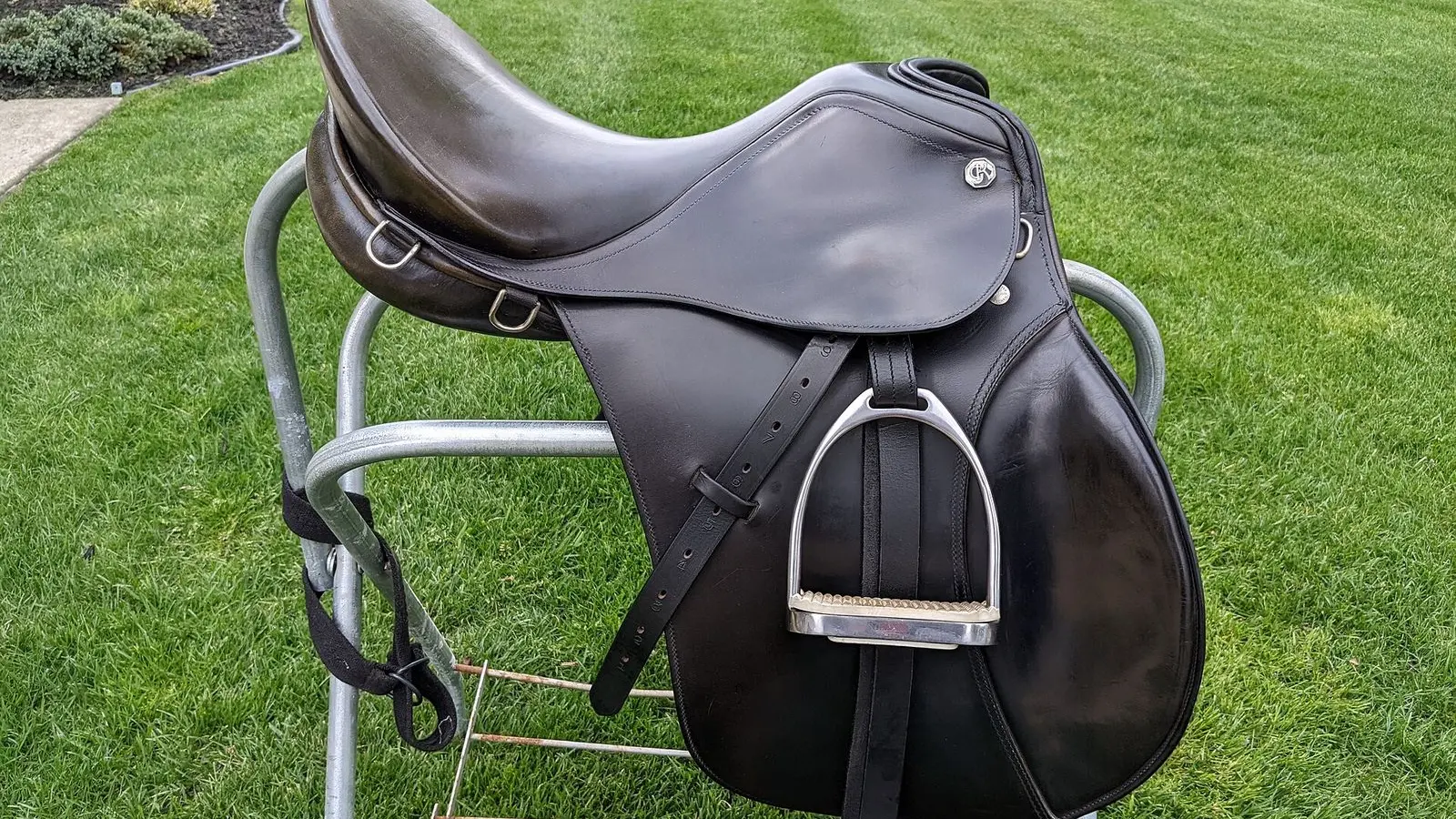
Kanpur Saddlery is a registered geographical indication, so the name belongs to goods that meet its definition. Ask your adviser whether yours qualify, and whether to register as an authorised user, before the name goes into a title or an ad.
Riding schools, clubs and individual riders buy differently. Clubs reorder the same items in quantity and want a GST invoice carrying their GSTIN; a rider buying once needs guidance. A storefront with trade logins beside retail prices serves both; see our D2C storefront service.
The same workshops cut straps, set buckles and finish stitched edges every day. Belts, dog collars and leads use those skills and suit marketplaces better than a saddle does; our page on selling pet products online covers collars and leads.
Leather shoes and safety footwear from Kanpur
Kanpur’s shoemakers sell into two different markets online: leather formal and casual shoes for shoppers, and safety footwear for workplaces that buy by the dozen. Each needs its own listings, its own buyers and its own checks.
Shoppers need a size chart built from the last, with foot length in centimetres beside the UK size, and photographs of the sole, the heel and the inside. Width causes as many returns as length, so a fit note per style earns its place.
Safety footwear is bought on specification: toe protection, sole resistance and the standard each claim rests on. State only what the maker’s test reports support, and check whether a BIS quality control order covers the product before it is listed.
Workplace buyers often want a quotation, a GST invoice with their GSTIN and sizes for a whole team, so those orders are better handled outside marketplace retail, at trade prices you set.
Naming the leather honestly
Name the grain and the finish as your tannery’s papers state them, and describe the feel separately. A corrected-grain belt with a glossy finish is corrected-grain leather; calling it full-grain invites a return and a complaint that stays on the page.
- The hide. Name the animal only where the tannery’s documents state it.
- The grain. Full-grain, corrected-grain, split or suede, each a different product at a different price.
- The tanning. Vegetable-tanned or chrome-tanned only where the tannery confirms it, because buyers who pay for vegetable tanning ask.
- Synthetics. PU and PVC called PU and PVC; “vegan leather” still has to say which material it is.
- Bonded leather. Named as bonded leather, because a buyer who reads “leather” expects a hide.
Marketplaces can remove or restrict listings whose material claims do not match the product, and a review saying “not real leather” follows a product for as long as it sells.
Kanpur finishes leather and makes goods from it; Agra, also in Uttar Pradesh, is known for the shoes. Our page for Agra sellers covers footwear sizing and the Agra Leather Footwear name.
What a leather goods listing must show
A leather listing has to show the grain, the edges, the stitching, the hardware and the inside, because those are what a shopper checks with their hands in a shop. It also has to give exact sizes, in centimetres and in inches.
- Belts. Width, length, the waist sizes it fits, whether it can be cut to size, and the buckle’s metal and finish.
- Wallets. Card slots, note sections, coin pocket and closed size, with any RFID-blocking claim only where a test supports it.
- Bags. Outer dimensions, the laptop size the sleeve takes, compartments, strap drop, empty weight and the lining.
- Footwear. Upper, lining and sole materials, with a size chart built from the last.
- Care. How to clean, condition and store the piece, and what water does to it.
Natural leather varies in shade and grain from hide to hide. Say so in the listing and show it in the photographs, so the variation arrives as character rather than as a fault.
Our catalogue and listing work writes these fields for each marketplace from your style sheets, along with the shot list your photographer follows.
Belts, wallets and the gifting calendar
Belts and wallets are common gifts, so much of their online demand follows the gifting calendar: Raksha Bandhan in August, Diwali in the autumn, and the wedding months through the winter. Stock, listings and ads are planned back from those dates.
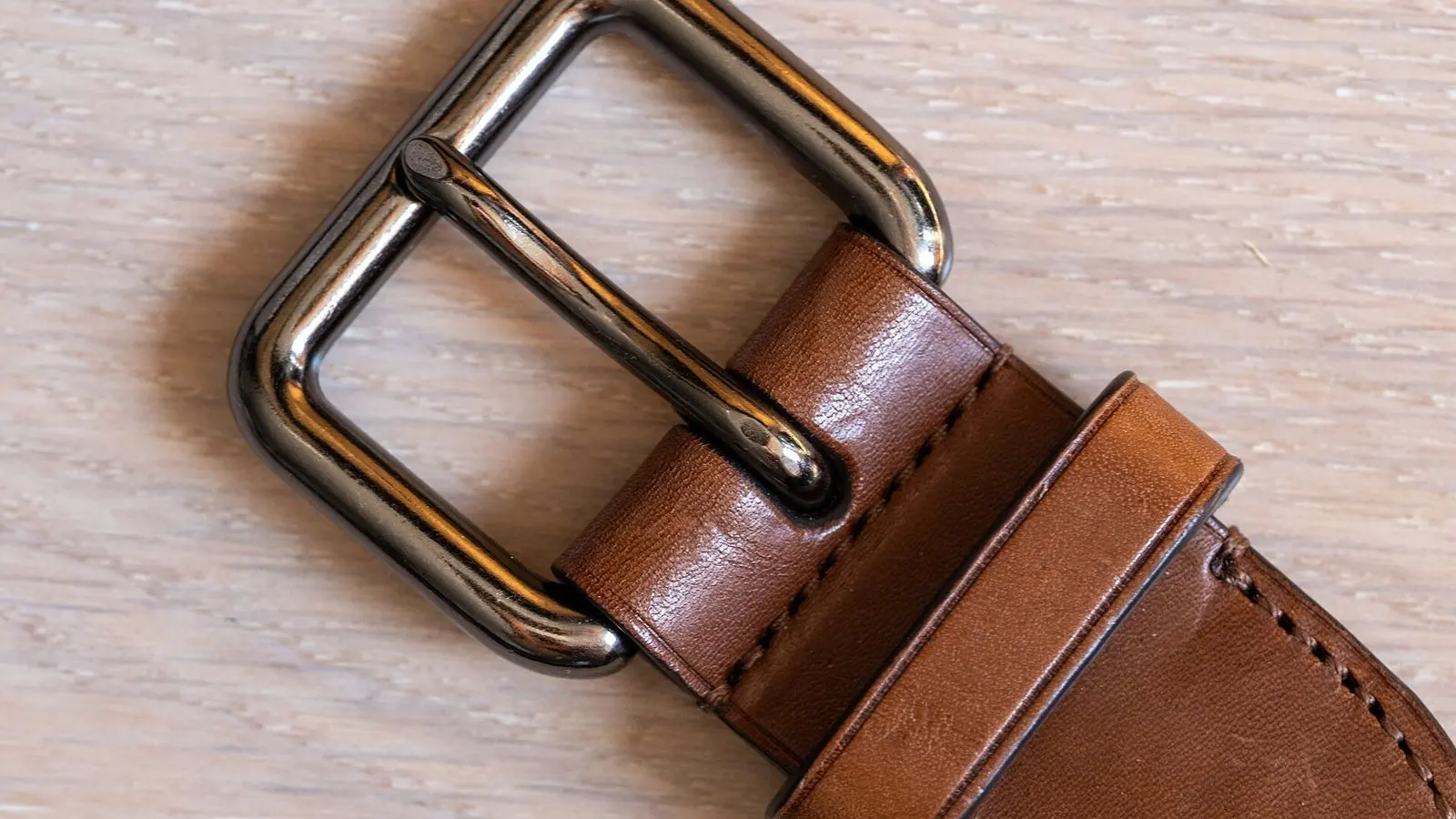
Gift sets need listings of their own, naming every piece and its size, with a photograph of the box as it arrives. A set is in stock only while every item in it is, so its count follows the piece you hold least of.
Corporate gifting brings a second buyer: a company ordering the same wallet in quantity before Diwali, often with a logo. Those orders want a quotation, a GST invoice carrying the company’s GSTIN and a delivery date, and they sit better outside marketplace retail.
Our festive and gifting page sets out these windows in detail, including the marketplace sale events that run before Rakhi and before Diwali.
Bags and travel goods from Kanpur
Laptop bags, duffels and travel goods sell on dimensions and capacity. A shopper wants to know whether the laptop fits, whether the duffel meets a cabin allowance, and what the bag weighs before anything goes in it.
Bags are light for their size, so couriers and marketplaces often charge them on volumetric weight. Pack each one flat where its shape allows, with stuffing that holds the form without bulk, and declare the packed size accurately.
Travel bags follow the travel calendar: summer holidays, the wedding season, and students leaving to study, often in the middle of the year. Our page on selling luggage online covers capacity, warranty and dimensional weight in full.
Leather through the monsoon: mould and returns
The monsoon months are humid in Uttar Pradesh, and leather stored through them can grow mould. A belt that left the workshop clean can reach a buyer spotted if it sat in a damp stockroom or a sealed plastic bag.
- Dry storage. Finished goods kept off the floor and away from walls, in a room that is aired.
- Breathable bags. Paper or cloth with a moisture absorber, not sealed plastic, for anything held in stock.
- A look before packing. Each piece checked and wiped before it is packed in the wet months.
- A care card. Storage advice for the buyer, printed and repeated in the listing.
We write this guidance for your staff and file the claims when a return comes back damaged; the packing and dispatch remain yours. A mouldy return is hard to win as a claim, so prevention does more than paperwork.
The evidence a leather claim needs
A claim for a damaged, used or swapped return is decided on evidence, inside each marketplace’s time limit. For leather goods the evidence has to come from both ends of the parcel’s trip, because the buyer’s account and yours will differ.
- Before packing. A photograph of each piece, front and back, with the order number on a slip beside it.
- On return. A recording of the parcel being opened, label in view, before anything inside is moved.
- The same week. Claims filed while the time limit still runs, then followed until the marketplace decides or an appeal closes.
Patterns go back to the workshop. If one wallet keeps returning with a split seam, the stitching is the question, not the buyer, and the listing stays paused until it is answered.
Keeping export, wholesale and retail apart
Most Kanpur workshops that start selling online keep their export and wholesale work, and that is sensible. The three need separate prices, separate stock and separate numbers, or each starts undercutting the others.
- Prices. Retail online carries commission, freight and returns that a wholesale price never had to cover, so it cannot be the trade price plus a margin.
- Stock. Pieces promised to an export order must not be counted as available online, or a marketplace order becomes a cancellation.
- Designs. Styles made to an overseas buyer’s design stay with that buyer, and their brand never appears on your listings.
- Your own trade buyers online. Shops that buy from you may list the same goods; a registered trademark lets you control your own product pages.
The weekly report shows retail on its own, so you can see whether selling under your own name is paying for itself.
What a leather order costs you to sell
Past the making cost, a leather order carries commission and fees, return freight both ways, gift packaging, sale-event discounts you fund, ads, and the pieces that cannot be sold again. Each of these is worked out per product before a price is set.
- Returns over feel and colour. A shade that photographed warmer, or a texture the buyer did not expect.
- Used or swapped returns. A belt worn and sent back, or a cheaper one returned in its place; photographs of the packed piece support the claim.
- Fixed fees. On a low-priced wallet, per-order fees can take most of the margin, so sets often earn where singles do not.
- TCS. Tax collected at source under GST, held back from each payout and credited against your GST later.
Every product gets a margin sheet: making cost, the fee schedule of each channel, a return allowance drawn from your own history, and the floor price below which it stays out of sale events.
Labels, BIS checks and GST for leather goods
Packaged leather goods carry Legal Metrology declarations on the pack, including MRP, net quantity, who made or packed the goods and where, and a consumer-care contact. The listing repeats those declarations apart from the month and year.
Some product categories fall under BIS quality control orders, footwear among them. If you make shoes, safety footwear or anything else that might be covered, check whether an order applies before listing.
GST follows each product’s HSN code, which your tax adviser confirms; leather goods, footwear and saddlery may sit under different codes and rates. Our own fee for this work carries GST at 18% as a separate line.
Advertising leather goods by occasion
Advertise the pieces that keep their margin after returns, timed to the occasion they are bought for, and judge each campaign on orders kept. Leather goods sell on occasion more than on impulse, so a calendar does more than a bigger budget.
- Marketplace ads on searches such as “leather wallet for men”, with bids paused on colours about to sell out.
- Meta for gift buyers before Rakhi and Diwali: short videos of the grain, the stitching and the box being opened.
- Google Shopping for a storefront, with material and colour carried in the product feed.
- Language. If your buyers read Hindi, test Hindi creative against English before each gifting window.
Corporate gifting enquiries are counted apart from shop orders, so one large company order cannot flatter the ads. Our performance marketing services set targets and the calendar before any money is spent.
How our ecommerce services in Kanpur run
For a Kanpur workshop, the work runs to the gifting year: listings and size guides prepared before each window, pricing and stock through the peaks, returns, claims and settlements every week, and the storefront and ads alongside.
Access comes through logins you create, with permissions you choose. You receive one report a week and a log of every change, and before each gifting window the plan is agreed on a call.
- Read. Listings, material descriptions, return reasons, claims, settlements and margin by product, channel by channel.
- Correct. Material names, dimensions, variation families and gift sets rebuilt, and shot lists written for your photographer.
- Plan. The gifting calendar, stock for each set, the monsoon storage routine and a floor price for every piece.
- Run. New pieces listed, prices kept above their floors, claims filed and gifting ads paced, with kept orders and margin reported each week.
From you we need account access, style sheets with materials and sizes, cost sheets and one person who signs off prices. Photography stays with your photographer in Kanpur, working to our shot lists.
Kolkata has a leather goods trade of its own, making bags, belts and wallets; our page for Kolkata sellers covers how that city’s labels sell online.
Mistakes that cost Kanpur leather sellers
The expensive mistakes are about material truth and timing: a synthetic sold as leather, a gift set listed after the gifting window, stock left to sweat through the monsoon, and saddlery forced onto a marketplace that cannot explain it.
- “Full-grain” on corrected-grain, or “leather” on PU.
- Gift sets live after Rakhi or Diwali buying has begun, with no ratings.
- Sets left in stock after one of their pieces ran out.
- Bags priced without their volumetric freight.
- Stock stored in sealed plastic through the monsoon.
- Kanpur Saddlery in a title without checking the GI definition.
- Corporate orders mixed into the ad results.
- Claims never filed for worn or swapped returns.
To begin, tell us what your workshop makes and where it sells through our contact page. We start by reading your accounts and listings, and our questions come before any quotation.
Kanpur’s leather goods, by category
Questions Kanpur leather sellers ask us
Can I sell leather belts and wallets on Myntra?
How should I describe leather in an online listing?
Can saddlery be sold on Amazon or Flipkart?
When should I list leather gifts for Rakhi and Diwali?
Why do leather bags get returned online?
How do I stop leather goods getting mould in the monsoon?
What do ecommerce services cost a Kanpur leather brand?
Do you work with Kanpur sellers without visiting?
Other cities we work with
- Delhi NCR
- Mumbai
- Bengaluru
- Hyderabad
- Chennai
- Kolkata
- Pune
- Ahmedabad
- Surat
- Tiruppur
- Ludhiana
- Jaipur
- Lucknow
- Indore
- Chandigarh
- Kochi
- Coimbatore
- Panipat
- Karur
- Solapur
- Varanasi
- Bhadohi
- Moradabad
- Firozabad
- Saharanpur
- Jodhpur
- Agra
- Kolhapur
- Meerut
- Jalandhar
- Channapatna
- Sivakasi
- Kannauj
- Mysuru
- Srinagar
- Amritsar
Tell us what your Kanpur workshop makes.
List your products, the channels you sell on and the materials you use. We come back with questions first, and a scope and quotation after that.