Marketplace accounts for Jaipur makers
Our marketplace account management in Jaipur runs Amazon, Flipkart, Meesho, Myntra and Ajio panels for workshops that print, glaze, set stones and stitch, often all on one account. We work from Gandhi Nagar, New Delhi; your workshop, stock and dispatch stay in Jaipur.
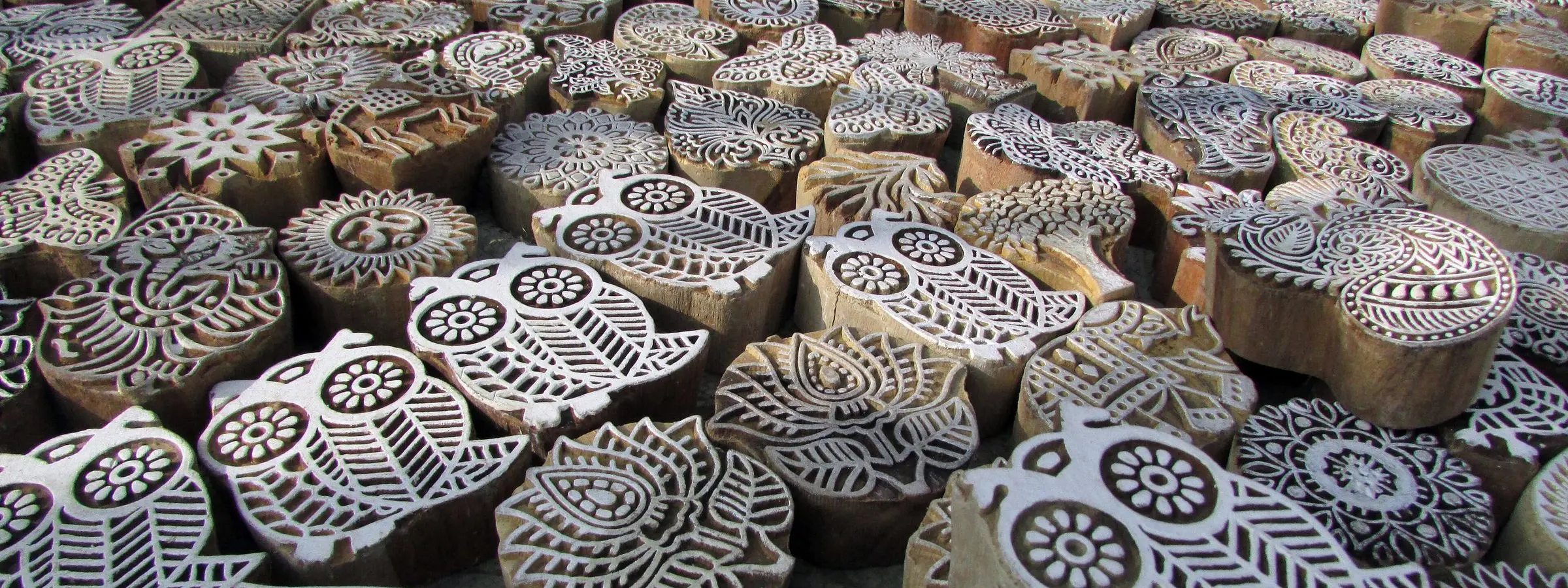
What shapes a Jaipur seller account
- Categories on one account
- Home, fashion, kitchen, jewellery and gifts
- Claims to expect
- Breakage, colour returns, swapped jewellery
- Approvals to check
- Silver, gold, fine jewellery and gemstones
- Seasonal switches
- Quilts for winter, dohars for summer
- Names to respect
- Sanganeri, Bagru, blue pottery of Jaipur
- Run from
- Gandhi Nagar, New Delhi, remotely
In short
- Marketplace account management for a Jaipur workshop runs several categories on one seller account, each with its own fees, return windows, approvals and claims.
- Breakage claims for blue pottery are won on evidence: a photograph of each packed order and a video of the return being opened.
- Seasonal lines such as Jaipuri quilts should be paused at zero stock out of season, not deleted, so their ratings are there when winter returns.
- Hand block prints and tie-dye need handmade variation shown across several pieces, or the variation arrives as a “not as described” return.
- We run Jaipur sellers’ marketplace accounts remotely from Gandhi Nagar, New Delhi, through user permissions; making, packing and dispatch stay with the workshop.
Our marketplace account management in Jaipur is for workshops that sell several crafts at once: block-printed bedsheets in home, kurtis in fashion, blue pottery in kitchen and decor, jewellery in its own category. We run those panels weekly from Gandhi Nagar, New Delhi.
We run brands of our own as well. For Jaipur sellers, broken parcels and lapsed claims need to be read alongside sales. In a Jaipur account such costs hide differently in each craft, and finding them is most of the work.
Why a Jaipur craft account is several accounts
One seller account can carry many categories, but each category runs on its own rules. A Jaipur workshop selling bedsheets, kurtis, pottery and earrings is managing four sets of fees, return windows, approvals and buyer expectations under one login.
- Home. Bedsheets, quilts and dohars, where returns come from size and colour, and stock follows the seasons.
- Fashion. Printed kurtis and kurta sets, where size charts and used returns decide the margin.
- Kitchen and decor. Blue pottery and brass, where fees follow weight and size, and breakage claims are routine.
- Jewellery. Earrings, bangles and silver, where approvals, metal descriptions and swapped returns need watching.
A pottery bowl filed under the wrong category can be charged the wrong commission, miss the filters its buyers use, and sit under return rules meant for something else, so we check where every product sits before its first sale event.
If you sell under more than one brand name, the account keeps each brand’s listings, claims and reports apart, so you can see which craft pays for itself and which only keeps the panel busy.
Breakage claims for pottery, glass and brass
A broken blue-pottery bowl costs the bowl, freight both ways and often a poor review, and the claim is all you can recover. Claims are paid on evidence, inside each marketplace’s time limit, so the routine at your workshop decides most of the outcome.
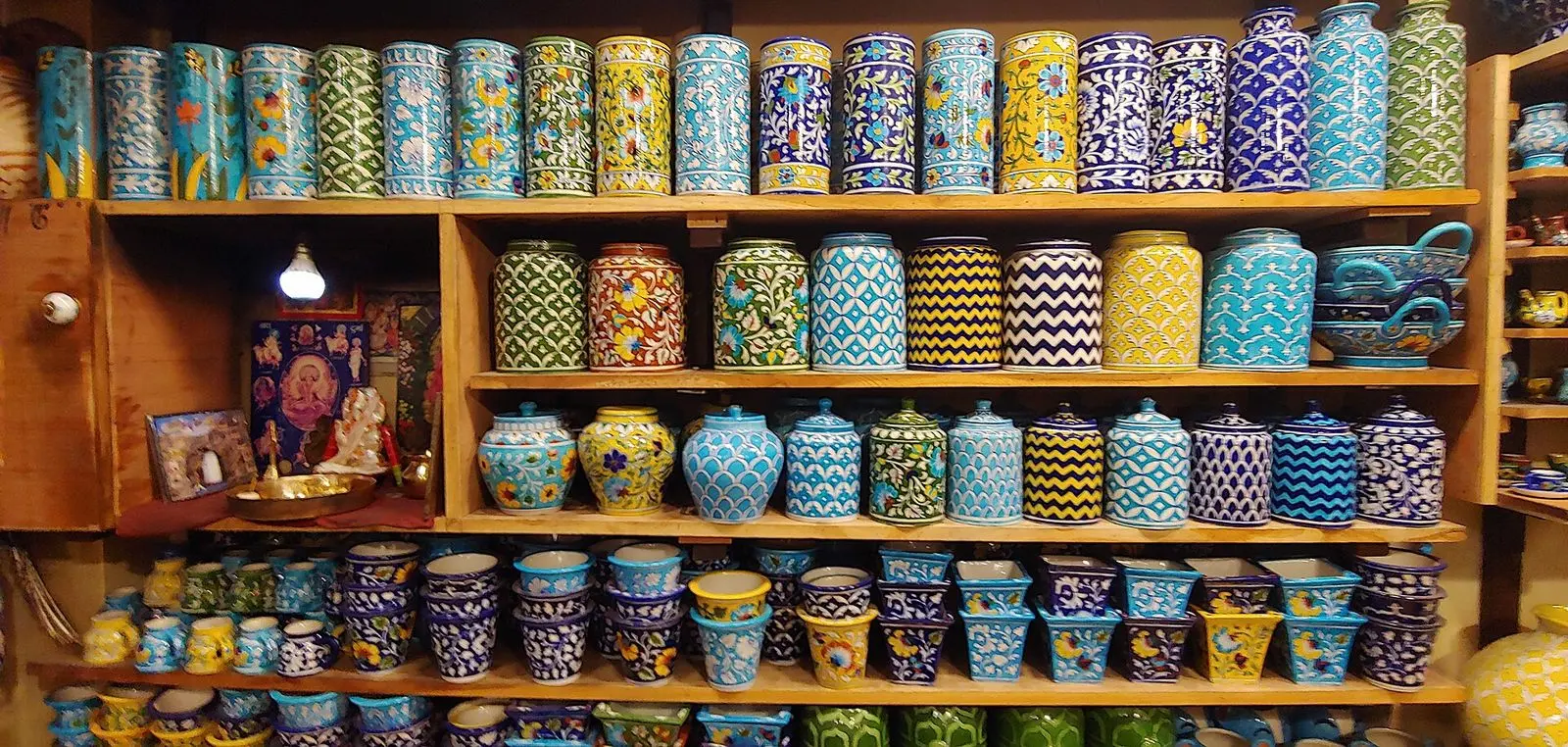
- Packed-order photographs. The piece wrapped, the carton filled and the label on, photographed before the parcel leaves the workshop.
- An opening video. Whoever receives a return films it being opened, outer carton in view, and sends it to us that day.
- The right route. Amazon’s SAFE-T claims on seller-shipped orders, Flipkart’s Seller Protection Fund, and each other marketplace’s own process.
- Appeals on the evidence. A rejection that ignores the photographs is appealed, not accepted.
- Patterns fed back. Breakage clustered on one product or one pack goes to whoever designs your packing.
A piece broken in the buyer’s hands and one that arrived broken are different cases to a marketplace, so each claim is filed under the reason its evidence supports. We do not pack or ship; your packers get guidance drawn from the patterns.
Heavy brass and boxed pottery are charged on size as well as weight, so every settlement is checked against the fee each parcel should have attracted, starting from Amazon’s published fees and each marketplace’s own schedule.
Handmade variation, ratings and “not as described” returns
Hand block prints and tie-dye differ from piece to piece, and a buyer who expected the exact piece in the photograph may send it back as not as described. Those returns count against the listing, so the account work starts inside the listing itself.

- Several pieces shown. Photographs of a few pieces from the same batch, so the range of variation is visible before purchase.
- Variation stated where it is read. In the bullet points and the description, in plain words: alignment and shade differ slightly on each piece.
- Colour shot in daylight. Indigo, madder and ochre photographed as they are, never edited towards a brighter screen.
- Return reasons read weekly. A cluster of “colour different” or “not as shown” goes back to the photographs before it reaches account health.
Complaints about listings feed account health, the marketplace’s running score of you as a seller. A workshop whose return reasons are answered every week is far less likely to lose listings in the weeks around Teej, Raksha Bandhan and Diwali, when it needs them most.
Printed kurtis, shrinkage and size returns
Jaipur’s printed cotton kurtis sell on Myntra and Ajio as well as the generalists. Both fashion marketplaces approve brands before onboarding and expect catalogues built to their templates: style codes, colour names, size charts and model photographs.
Cotton brings a return reason other lines rarely see. A kurti that shrinks in its first wash turns into a size complaint and a poor rating, so the listing says whether the fabric is pre-washed and takes its size chart from washed pieces.
A kurti that comes back washed or worn, without your tag, goes to a claim with its packing photograph and opening video. Our page on Myntra seller account management covers that marketplace’s approvals and catalogue rules.
Keeping quilts and dohars rated between seasons
Jaipuri quilts sell before the cold and dohars through the warmer months, so a Jaipur account switches whole lines on and off each year. Deleting a listing at the end of its season throws away the ratings it earned; pausing it keeps them.
- Pause, never delete. Out of season, stock is set to zero or the listing paused, so its page, ratings and history wait for next year.
- Return ahead of the weather. Quilts come back with stock and prices checked before the first cold weeks; dohars before the heat.
- Read the rules again. Category rules, fees and size values can change between seasons, so each returning listing is checked before it goes live.
- Carry the lessons. Last season’s return reasons, such as a quilt thinner than buyers expected, are fixed in the listing before it returns.
Leheriya pieces follow Teej in the monsoon, and gift lines follow Raksha Bandhan and Diwali, so the same pause-and-return rhythm runs through the year. Our page on selling home textiles online covers bed sizes and sets for the home lines.
Craft names, trademarks and listing complaints
Three of the city’s craft names are registered geographical indications: Sanganeri and Bagru hand block printing, and the blue pottery of Jaipur, all listed in the GI registry. Using them for goods outside their definitions invites complaints the account then has to answer.
A trademark does a different job. Registered as a brand on a marketplace, it gives you control over your listings’ content, but it protects your name rather than your motif; protecting a print design is a separate question for your lawyer.
When a complaint or policy notice arrives, we read it the same day, find the listing it disputes, and answer with evidence: the dyer’s documents, the printing method or a corrected listing. Unanswered notices are how small problems become removed listings.
Export pieces need Indian declarations first
Many Jaipur workshops make for export buyers, and export pieces often carry no MRP or Indian maker’s details. Before such stock goes on a marketplace, each pack needs the Legal Metrology declarations, such as MRP, net quantity and the maker’s or packer’s name and address.
The listing repeats those declarations apart from the month and year, and marketplaces can ask for label photographs to check them. Export sizes change too: a sheet cut for a foreign mattress is listed by its dimensions and the Indian bed it fits.
Jewellery accounts: approvals, metals and swapped returns
Jaipur’s jewellery sells online in two different ways. Fashion jewellery in brass, copper or alloy lists like any accessory; silver, gold, fine jewellery and gemstones need category approvals and, for precious metals, hallmarking rules checked first.
Swapped returns are the jewellery account’s particular risk: a cheaper piece sent back in place of the one bought. Each piece is photographed against its tag before packing, and returns are opened on video, so a swap can be proved and claimed.
Metal, plating and stones are written exactly as your supplier’s documents state, because a buyer who finds plating where the listing implied silver returns it, and says so in a review that stays on the listing.
Marketplace account management in Jaipur, run remotely
Everything happens inside the seller panels, through user access you grant from Jaipur and can withdraw at any time. The owner login, registered mobile and bank account stay with you, and your workshop keeps making, packing and dispatching.
The first month reads before it changes anything. We go through category placement, open claims, unmatched payouts, account health and return reasons craft by craft, then agree floor prices, approvals to apply for, seasonal switch dates and who films returns at the workshop.
The backlog comes next, breakage claims still inside their windows first, then short payouts, then listing fixes. After that the routine runs: daily checks, a weekly report and call, and a monthly settlement close.
GST is part of that close: a bedsheet, a kurti, a bowl and a pair of earrings can each carry a different HSN code and rate. We enter what your advisor confirms, check each marketplace applies it, and send your accountant a TCS summary.
Our fee is quoted once the panels have been read, with GST at 18% on its own line; commission and ad spend stay between you and the platforms. The method in full is on our marketplace account management services page.
Pieces too individual for a marketplace grid often sell better on a store of your own; our page on ecommerce website development in Jaipur covers that build. Our Jaipur page covers everything else we run for the city.
Tableware has rules of its own, set out on our page about selling kitchenware online. To start, send us your categories and the claims that keep going wrong.
Panels for Jaipur workshops, run weekly
Amazon seller accounts
Home, kitchen and jewellery listings, SAFE-T claims for broken or swapped returns, and settlements checked against Amazon’s fees.
Flipkart and Meesho panels
Bedsheets, kurtis and fashion jewellery priced after commission and returns, with damaged returns claimed inside each window.
Myntra and Ajio for labels
Printed kurtis and kurta sets listed to each marketplace’s catalogue rules, with size charts taken from finished pieces.
Craft listings that hold up
Printing method, dye and material claims written so every word can be backed by a document or the piece itself.
A store for one-off pieces
A Shopify or WooCommerce store for one-off pieces, gift sets and visitors who want to reorder, on one stock count.
Questions Jaipur sellers ask about accounts
How much does marketplace account management cost for a Jaipur business?
How do I claim for blue pottery that arrives broken?
Can I sell silver jewellery from Jaipur on Amazon?
Should I delete my quilt listings after winter?
Why do my tie-dye dupattas get returned as not as described?
Do I need separate seller accounts for bedsheets and jewellery?
How are settlements checked when products carry different GST rates?
Do you need to visit my workshop in Jaipur?
The same service in other cities
- Delhi NCR
- Mumbai
- Bengaluru
- Hyderabad
- Chennai
- Kolkata
- Pune
- Ahmedabad
- Panipat
- Karur
- Solapur
- Varanasi
- Bhadohi
- Moradabad
- Firozabad
- Saharanpur
- Jodhpur
- Agra
- Kanpur
- Kolhapur
- Meerut
- Jalandhar
- Channapatna
- Sivakasi
- Kannauj
- Mysuru
- Srinagar
- Amritsar
- Surat
- Tiruppur
- Kochi
- Coimbatore
- Lucknow
- Ludhiana
- Indore
- Marketplace accounts across India
Tell us which crafts you sell online.
List your categories, the marketplaces you sell on and which lines are fragile or need approvals. We read the panels first, then send our questions, the backlog we found and a quote.