Marketplace accounts for Tiruppur knitwear
Our marketplace account management in Tiruppur runs the seller panels for knitwear units selling T-shirts, innerwear, loungewear and activewear under their own labels. We work remotely from Gandhi Nagar, New Delhi; knitting, stock and dispatch stay with the unit.
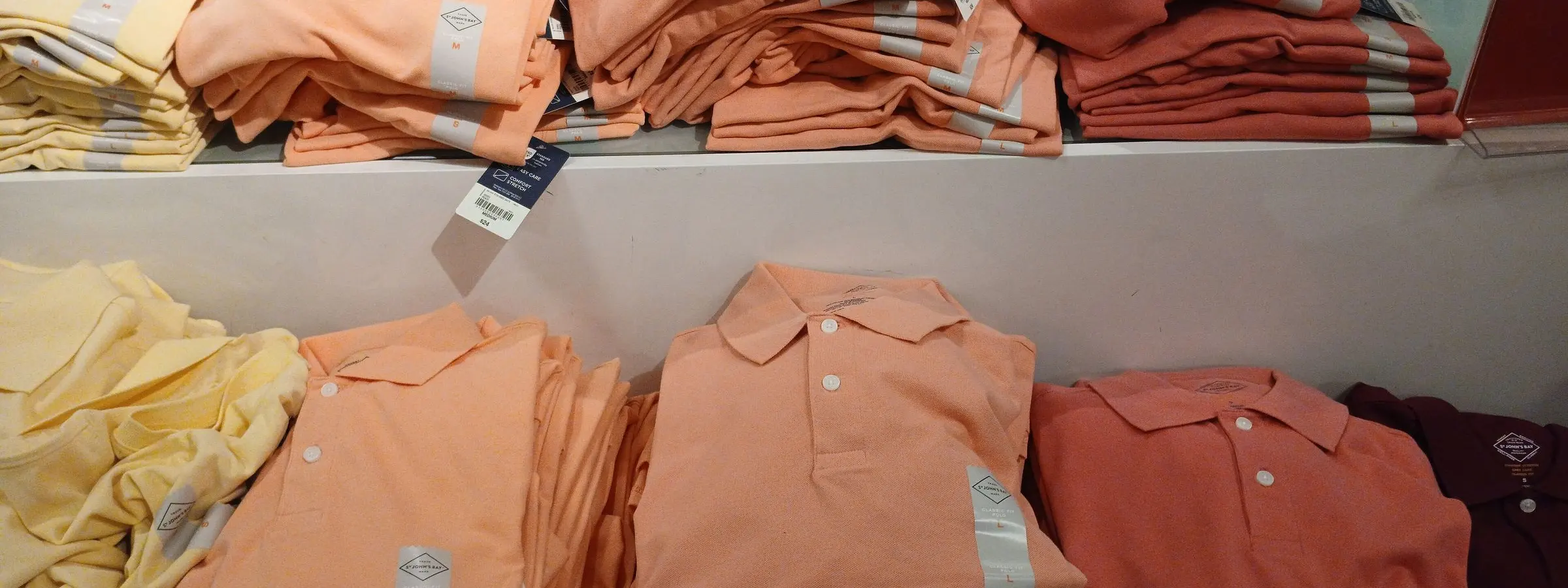
What shapes a knitwear seller’s week
- Marketplaces
- Amazon, Flipkart, Meesho, Myntra and Ajio
- Hardest count to keep
- Every colour in every size
- Returns to read
- Size, shrinkage, fading, thin fabric
- Season switches
- Summer cottons; fleece for northern winters
- Tamil Nadu dates
- Pongal, Aadi and Deepavali
- Stays with the unit
- Knitting, stock, packing and dispatch
In short
- Marketplace account management in Tiruppur runs a knitwear label’s Amazon, Flipkart, Meesho, Myntra and Ajio accounts weekly: catalogue, prices, stock by size, returns and settlements.
- One T-shirt style in many colours and sizes is dozens of stock counts, and each marketplace groups colours and sizes its own way.
- Marketplace sales and returns by size can set the next cutting ratio, so production follows Indian demand rather than an export buyer’s size set.
- Returns that mention shrinkage, twisted seams, fading or pilling point to a process such as compacting or dyeing, not to the listing.
- We run Tiruppur accounts from Gandhi Nagar, New Delhi, through user permissions; knitting, packing, dispatch and receiving returns stay with the unit.
Marketplace account management in Tiruppur follows the way knitwear is made there: one style in many colours, cut in many sizes, made again when it sells. We run Amazon, Flipkart, Meesho, Myntra and Ajio for such units from Gandhi Nagar, New Delhi.
The accounts stay registered to your business, and we work inside them through the permissions you grant. Knitting, stock counts, packing, dispatch and the receiving of returns stay at the unit; listings, prices, claims, settlements and account health come to us.
We run brands of our own as well. A Tiruppur account needs checks for fees charged in the wrong category and claims approaching their time limits.
What does a new Tiruppur label need first?
Papers and a catalogue, before any push for volume. A unit that has made garments for export buyers often reaches the marketplaces with deep production skill and no selling history: no reviews, no brand approvals, no record a marketplace can read.
- Registration on each marketplace with your GSTIN and a bank account in the business’s name, set up so the owner login stays with you.
- A trademark application, filed by your attorney, because Amazon’s brand registration needs one, and Myntra and Ajio usually ask for trademark papers before approving a label.
- Labels made for India, carrying MRP and the Legal Metrology declarations, photographed for the listing, since packs made for an overseas buyer do not carry them.
- A first range kept narrow: the styles you can hold in every core size, rather than the whole export sample room.
Reviews arrive slowly for a new name, and we neither buy nor reward them. What brings them sooner is a size chart that holds, stock in the sizes people order, and prompt answers to the questions buyers post on the listing.
On the fashion marketplaces, approval of the label comes first and review of the catalogue second. Our Myntra account management prepares the style codes, colour names, size charts and on-model images that the review looks for.
How should colours and sizes be catalogued?
As each marketplace expects to see them, which is not the same everywhere. Amazon can hold every colour and size of a style under one parent listing; Myntra and Ajio usually catalogue each colour as a separate style, with its sizes beneath it.
Illustration: one round-neck style in 8 colours and 6 sizes is 48 stock counts, and across five marketplaces, 240. Each of them can run out on its own, and each one that runs out turns a buyer away.
So a Tiruppur catalogue starts from one master sheet: style, colour, size, SKU, garment measurements, GSM and knit. Every marketplace is built from it, and a new colour goes there first, so no panel ends up with a child the others lack.
Dye lots and the colour on the page
A reorder dyed in a fresh lot can come out a shade away from the first. When the difference shows, the lot is photographed again or listed as a separate colour, so “colour not as shown” returns stay off a listing that was right.
Can marketplace sales set our next cutting ratio?
They can, once a few weeks of orders and returns are in. An export order arrives with the buyer’s own size ratio; online, demand by size is whatever shoppers make it, and it often differs between marketplaces and between styles.
Each month we send a table by style and size: pieces sold, pieces returned for size, pieces kept, and the stock left on each marketplace. Kept pieces count for more than orders, because a size that sells and comes back is not demand.
- The sizes that run out first are cut deeper in the next lot, so a listing does not lose its middle sizes in a sale week.
- The sizes that sit are cut thinner, or offered where they do sell.
- A style whose returns cluster on one size gets its size note or chart corrected before more of that size is cut.
This is where account work reaches back into the unit. The panels show what shoppers kept; the cutting table decides what there is to sell next month.
When is a return a production problem?
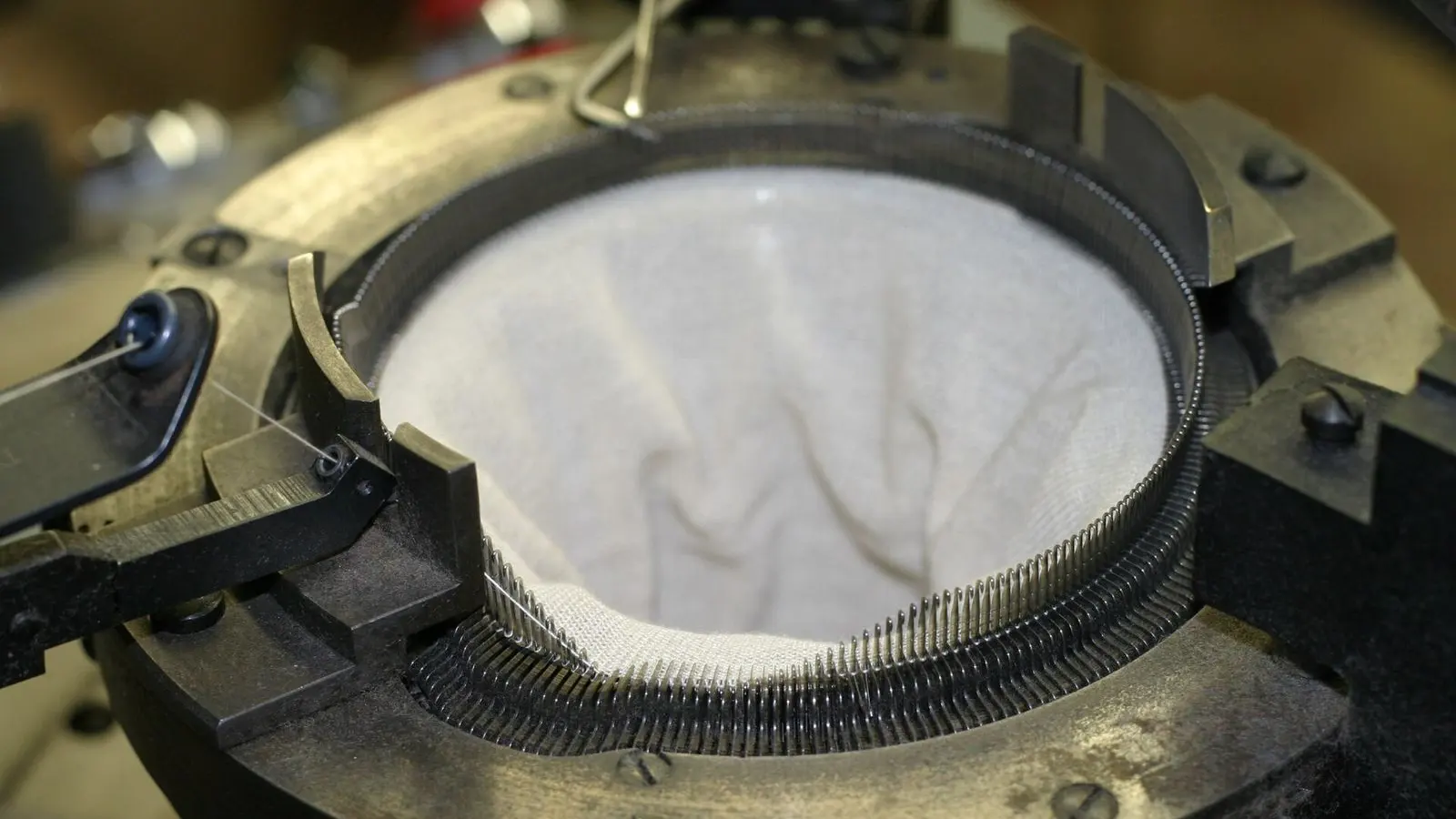
When the reason given is about the fabric rather than the fit. Knitwear returns that mention shrinking, twisting, fading or pilling usually trace back to a process done before stitching, and no change to the listing will stop them.
| What the buyer says | What it usually points to | Where the fix sits |
|---|---|---|
| Shrank after one wash | Fabric not compacted or pre-shrunk enough, or a chart measured on unwashed pieces | Processing first, then the size chart |
| Side seams twisted | Spirality in the knit, which shows after washing | Fabric and cutting |
| Colour ran or faded | Dye fastness in that lot | The dyeing job work |
| Thin or see-through | A lower GSM than stated, or a pale shade on single jersey | The stated GSM, or the fabric choice |
| Bobbles after a few wears | Pilling from the yarn | Yarn for the next lot |
| Print cracked or peeled | Curing, or the print method | The printing job work |
In Tiruppur, dyeing, compacting and printing are often given out as job work. So the monthly return report names the process and the dye lot, not only the style, and goes to whoever deals with the job workers.
Some returns are not feedback at all. Pieces that come back worn, washed, without tags or swapped for an older garment become claims, filed with your unboxing video inside the time limit each marketplace sets, and followed until they close.
Should basics go into a marketplace’s fulfilment programme?
Often for the fast sellers, rarely for the rest. Plain T-shirts and innerwear packs in core sizes can earn quicker delivery promises when the marketplace holds the stock, while slow sizes and out-of-season styles gather storage charges there.
- Shipments planned by size from the sales table, so the stock sent in matches what that marketplace actually sells.
- Storage read monthly, with a list of units to recall or clear before their charges outgrow their margin; fleece is the usual candidate once winter ends.
- Receipts reconciled against what the marketplace says it received, and claims filed through its reimbursement process for units lost or damaged in its care.
Your unit still packs and sends the stock in; we do the panel side of the arrangement. Self-shipped and marketplace-held stock of the same style are counted apart, so neither pool is sold twice.
How are summer and winter ranges switched?
On dates agreed in advance, because a knitwear range turns with the weather and the panels must turn with it. Cotton basics need to be live and rated before the heat; fleece sells only where winter is cold, for a few months.
- Before summer: summer styles reactivated, checked for suppression and restocked in core sizes, with last year’s images and size notes reviewed.
- Aadi, mid-July to mid-August: offers for buyers in Tamil Nadu on last season’s colours and slow sizes, each above its floor price, with festive stock kept out.
- The festive events and Deepavali: deal prices and stock commitments submitted before each cut-off, for the sizes your unit can actually supply.
- Northern winter: sweatshirts, hoodies and fleece joggers live from autumn and wound down after January, with marketplace-held stock reviewed before storage charges climb.
- Pongal, mid-January: new clothes for families in Tamil Nadu, with kidswear and family sets stocked in depth.
Multipacks run through every season and need stock rules of their own. Our page on account management for Kolkata’s hosiery sellers sets out how packs draw on a single count of pieces.
Which category should a knitwear style sit in?
The one shoppers browse for it, checked against what that category costs. On every marketplace the category sets the commission, the attributes asked for and often the return rules, so the same T-shirt can earn differently depending on where it is filed.
- Activewear can sit under sports and fitness on some marketplaces, with attribute sets for fabric and fit; our page on selling fitness products online covers that category.
- Innerwear, nightwear and loungewear are separate categories with different return terms, which we read before a style is priced.
- Kidswear is filed by age band, and a set sold as one product needs every piece named.
Settlements show whether the filing was right. Each month we check the commission charged on every order against the fee schedule for its category and price band, and raise a ticket wherever a style was charged as something it is not.
How apparel sells across the channels, from size charts to return terms, is covered on our page about selling clothes online in India.
What does the weekly report show a unit?
The selling side, in the terms a production office uses: styles, colours, sizes and lots. It opens with what the marketplaces paid against what the orders say they should have paid, then lists the decisions we need from you.
- Pieces sold, returned and kept, by style and size, on each marketplace.
- Stock cover by size, with the sizes due to run out before the next lot is ready.
- Return reasons that point to a process, with order IDs and the dye lot.
- Claims filed, paid, rejected and pending, with amounts.
- Prices, offers and listing changes made that week, each with its reason.
The monthly review adds contribution by style after fees, freight, returns and ads. A style that has stopped paying its way is named in the first line, with what we would change, or a recommendation to stop selling it.
Marketplace account management in Tiruppur: the first month
The first month is reading and agreeing, and none of it needs anyone to travel. You add us as a user on each marketplace, while the owner login, the bank details and the registered mobile number stay with you.
- The read. Listings, broken variations, account health, open claims, unmatched payouts and recent returns, with claims nearest their time limits first.
- The master sheet. Styles, colours, sizes, SKUs, measurements and a floor price for every style and pack, agreed with whoever prices at the unit.
- The backlog. Suppressed listings first, then claims close to their deadlines and payouts that came up short, cleared in order of the sums at stake.
- The routine. Daily checks, the weekly report and call, and a monthly review timed to the next season switch.
For fabric complaints, start with measurements and wash-test records; confirm any physical sample review with us before posting. The service in full is on our marketplace account management page, and the rest of our work for the town is on our Tiruppur page.
If you are comparing account management agencies for a Tiruppur label, ask each one how it would read a shrinkage return, and who would tell your unit about it. When you are ready, send us your marketplaces and your range.
Panel work built around knitwear stock
Weekly account running
Listings, prices, stock by size, returns, claims and settlements on all five marketplaces, with every change logged.
Myntra for a new label
Brand approval, style codes, colour names and on-model images prepared so a Tiruppur label passes catalogue review.
Meesho for value basics
Plain basics and multipacks priced after shipping and returns, and kept off the panel where the margin cannot carry them.
Size charts and attributes
Washed-piece measurements, GSM and knit entered once and mapped to each marketplace’s own size values.
Ads that follow stock
Sponsored ads paused when a core size runs short, with targets set from the margin on each style family.
What Tiruppur units ask about their accounts
How much does marketplace account management cost in Tiruppur?
Can you run our marketplaces while we run production?
How should T-shirts in many colours be listed on Amazon?
Is Meesho worth it for a Tiruppur basics brand?
Why are my T-shirts being returned for shrinkage?
Should we send basics into Amazon’s or Flipkart’s fulfilment programme?
Do we need a trademark to sell our label on Myntra?
Do you have a Tiruppur office?
More of our work in this city
The same service in other cities
- Delhi NCR
- Mumbai
- Bengaluru
- Hyderabad
- Chennai
- Kolkata
- Pune
- Ahmedabad
- Panipat
- Karur
- Solapur
- Varanasi
- Bhadohi
- Moradabad
- Firozabad
- Saharanpur
- Jodhpur
- Agra
- Kanpur
- Kolhapur
- Meerut
- Jalandhar
- Channapatna
- Sivakasi
- Kannauj
- Mysuru
- Srinagar
- Amritsar
- Surat
- Kochi
- Coimbatore
- Jaipur
- Lucknow
- Ludhiana
- Indore
- Marketplace accounts across India
Tell us which panels are falling behind.
List your marketplaces, your styles and what keeps going wrong. We go through the accounts first, then send a written scope and a quotation with GST at 18% shown apart.