kavıtaThe Kavita Brands Start an enquiry
Garments

Buying wholesale in Gandhi Nagar

Published16 Oct 2026Reading time9 minutesWritten byThe Kavita Brands
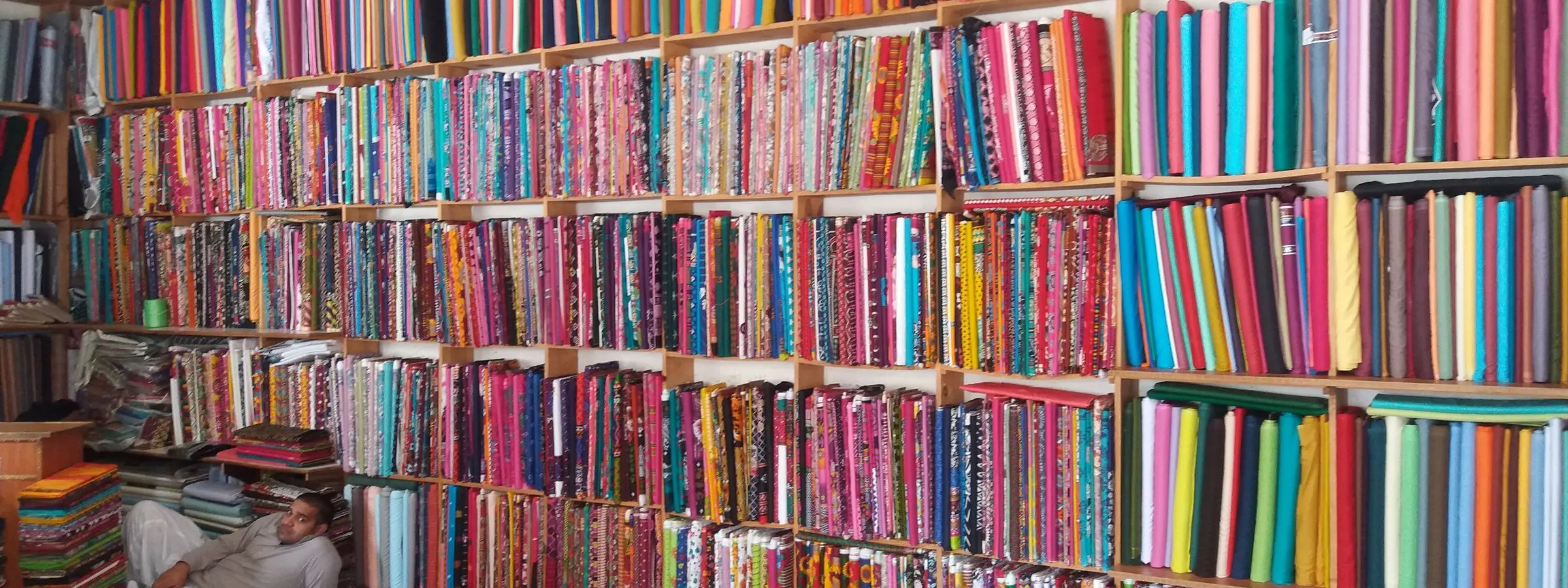
Bolts of cloth in many colours stacked floor to ceiling on a shop's shelves
Bolts of cloth stacked on a shop's shelves

In short

  • The Gandhi Nagar garment market in East Delhi sells readymade garments wholesale, by the set and by the lot, to retailers and resellers.
  • Write a one-page lot specification before any supplier quotes: style, fabric, size ratio, colours, quantity per style, labels, packing, delivery date and transporter.
  • Approve a sample before buying a garment lot, because the signed sample is the reference every fabric, fit and finish check is made against.
  • Take a GST tax invoice from every supplier, a packing list matching the bales, an e-way bill where required, and the transporter’s lorry receipt.
  • Buyers outside Delhi can buy repeat lots against an approved sample, a written specification and video of the packed lot before it leaves.

The Gandhi Nagar garment market in East Delhi sells readymade garments wholesale, by the lot, to retailers and resellers. This checklist covers what to specify, what to check and what to take away, so the lot that arrives is the lot you agreed.

How does the Gandhi Nagar market work?

It is a wholesale market: traders sell readymade garments in quantity, by the set and by the lot, to buyers who sell them on. It suits buyers who arrive knowing what they want, and it rewards a written specification over a browse.

Expect to buy in sets, one piece in each size of a size run, and in assorted colours unless you ask otherwise. Traders tend to specialise by product, so a mixed lot can mean several suppliers, several invoices and bundles to combine before handover.

Gandhi Nagar’s trade is readymade garments. If your range leans on sarees or synthetic fabrics, Surat is known for both, and our page for sellers in Surat covers that trade.

We are based in Gandhi Nagar and source from manufacturers in Delhi for buyers anywhere in India. The checklist applies whether you buy in person, through us, or through anyone else; our wholesale garments page explains how we supply lots.

What should you specify before buying?

Write the lot down before anyone quotes for it. A one-page specification lets two suppliers quote for the same thing, and gives you something to check the delivery against.

  • Product and style. What it is, the fit, and the details that matter: “men’s slim-fit five-pocket jeans, mid-rise”, not “jeans”.
  • Fabric. Composition, weight and finish: all cotton or a blend, the weight for knits, the wash for denim.
  • Sizes and ratio. The size run and how many of each, as set out in the next section.
  • Colours. Named colours, or assorted, and how many of each.
  • Quantity. Per style and per colour, not only a total.
  • Labels and tags. Plain, the supplier’s own, or yours, and what the tags must declare.
  • Packing. Folded or hung, individual polybags, pieces per pack, and how bales or cartons are marked.
  • Delivery. The date you need it, your transporter, and the destination.

If the pieces will be sold online, the packs and tags need the declarations required under Legal Metrology rules, and the listings must repeat them. Ask early what will be printed, because adding a sticker to every piece after packing costs time and money.

Those declarations are the MRP, the net quantity, the name and address of the manufacturer, packer or importer, the month and year of manufacture or import, consumer-care details, and the country of origin for imports.

The listing carries all of them except the month and year.

Once the specification is written, request our wholesale garment rate card to price it against.

How do you choose a size ratio?

From your own sales, not from the supplier’s standard set. A standard set suits the seller’s stock; your ratio should follow what sold through in your shop or on your listings, and what came back.

Illustration: a ratio of S:M:L:XL at 1:2:2:1 means six pieces in every set: one small, two medium, two large and one extra large. On a lot of 600 pieces, that is 100 small, 200 medium, 200 large and 100 extra large.

  • Ask whether sizes can be split from sets, or whether only full sets are sold.
  • For children’s wear, sizes run by age; set the ratio by the age bands your customers buy.
  • For online sales, a wrong size costs shipping both ways: measure pieces in each size against your size chart before you list them.
  • Ask for a size-wise breakup on the packing list, bale by bale.

How should you plan a buying visit?

Arrive with the specification, a reference piece for each style, and the means to check what you are shown. A visit without them turns into a browse, and a browse is how lots end up bought on looks alone.

  • The written specification, printed, one copy for each supplier.
  • A reference piece or clear photographs for each style.
  • A measuring tape, your size chart and swatches of fabrics you already approve of.
  • Your billing name, address and GSTIN exactly as registered, for every invoice.
  • Your transporter’s name and booking office.

At each supplier, write down their name, GSTIN and contact, the samples you took and what was agreed, before you leave the shop.

Agree payment terms, the delivery date and what happens to faulty pieces before you pay anything, and confirm them in writing, even if only as a message.

From anywhere in Delhi NCR, the market is close enough to visit for every new style, and you can meet us in Gandhi Nagar while you are there. From further away, plan one visit for the first lot and buy repeats at a distance.

Which fabric and finish checks matter?

The checks that catch problems before your customers do: fabric against what was agreed, measurements against the size chart, and workmanship piece by piece, on pieces drawn from across the lot rather than the first bundle to hand.

Fabric

  • Composition and feel against the agreed fabric or the approved sample.
  • Weight: for knits, a GSM reading (grams per square metre) against the specification.
  • Shrinkage: wash one piece as your customer would, then measure it again.
  • Colour fastness: rub a damp white cloth on dark fabric and see what transfers.
  • Shade: compare pieces from different bundles side by side in daylight.

Finish

  • Seams straight and secure, with no open seams, skipped stitches or puckering.
  • Loose threads trimmed; no stains, holes or press marks.
  • Buttons, zips, rivets and elastic secure and working.
  • Prints and embroidery placed consistently, and prints that do not crack when stretched.
  • Measurements in each size within the tolerance you agreed: chest, length, waist, inseam.
  • Labels and tags correct, with size labels that match the piece.
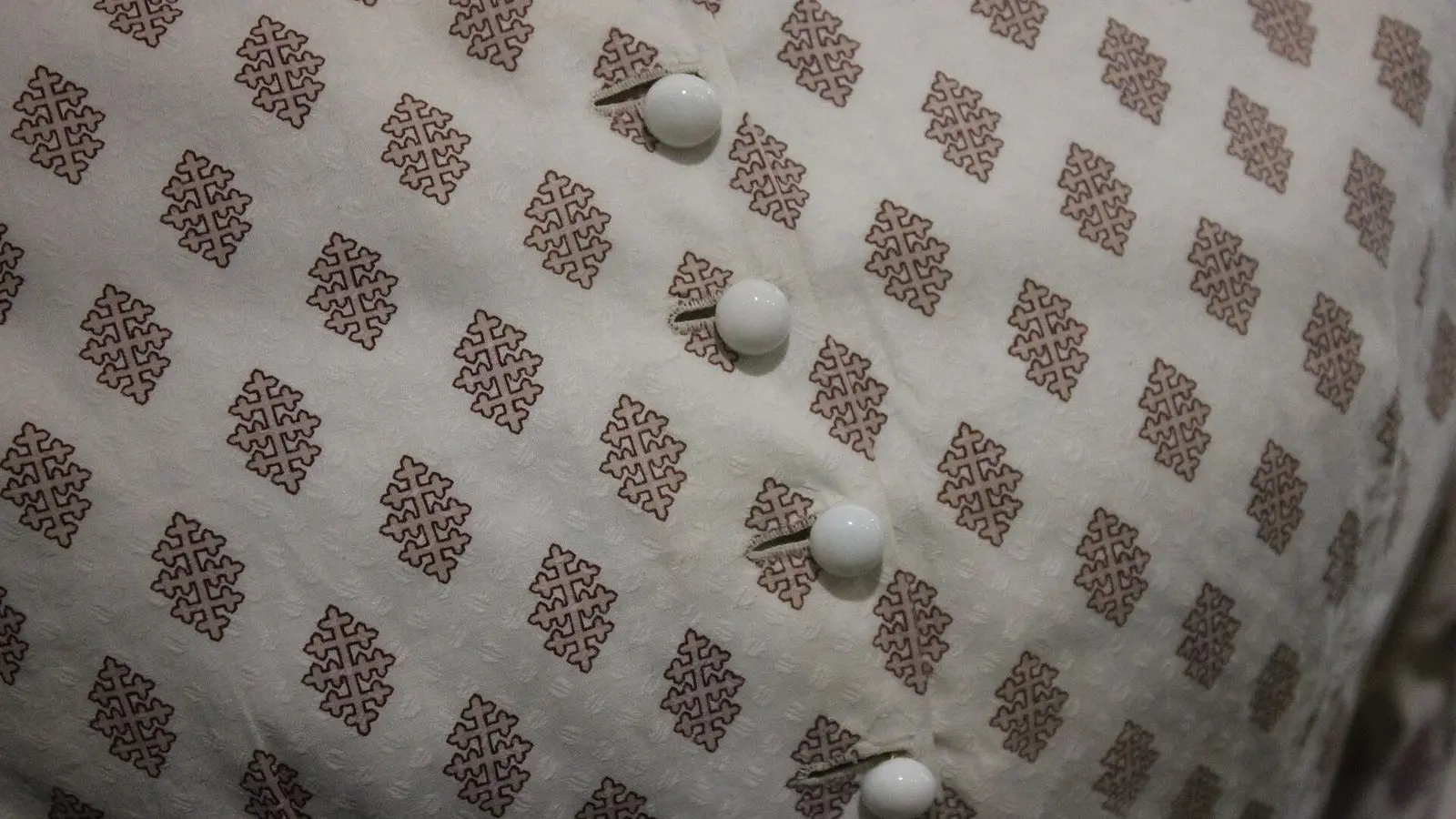
A close view of a printed cotton garment, a small red motif repeated across cream cloth, with white buttons
Printed cotton, close enough to check the print and the buttons.

For larger lots, an AQL (acceptable quality limit) table, a standard sampling method, sets how many pieces to check and how many defects to accept. For a first lot, agree in advance what happens to pieces that fail: replaced, reworked or credited.

Why approve a sample before the lot?

Because the approved sample is the reference the lot is checked against. Without one, any dispute over fabric, fit or finish is your word against the supplier’s.

  • Ask for one sample per style, and per fabric or colour where these differ. If fit matters, ask for a size set.
  • Approve in writing: sign and date the sample’s tag, and keep a matching sealed sample with the supplier.
  • Record every change agreed after approval, with its date, in the same place as the order.
  • For ready stock, the sample should come from the actual lot. For made-to-order pieces, it is a pre-production sample in the real fabric and trims.

If the range will carry your own brand, the sample stage grows: labels, tags and packing need approval too. Our guide to a first private label order walks through that sequence, and our page on garment sourcing in Delhi covers how we run it.

What should the invoice and documents show?

A GST tax invoice from every supplier, a packing list that matches the bales, and, where the value requires one, an e-way bill for the goods in transit. Check each before the goods leave.

  • Tax invoice. The supplier’s GSTIN and yours, the HSN code, quantity in pieces, rate per piece, and GST on its own line.
  • GST rate. It follows the sale value of each piece, so a mixed lot can carry two rates. Our article on GST on readymade garments explains the split line by line.
  • Packing list. Bale or carton numbers, with the style, colour and size breakup of each.
  • E-way bill. Generated before the goods move when the consignment value requires one, and matching the invoice number and value.
  • Payment record. Every payment tied to an invoice number, by bank transfer where you can.

If a supplier issues a bill of supply rather than a tax invoice, they are not charging GST, and you cannot claim input tax credit on that purchase. Know which you are getting before you agree the price.

With several suppliers in one lot, keep their invoices together with one combined packing list. That is how you check, at the other end, that every supplier’s goods arrived.

How does handover to your transporter work?

The packed lot is counted, marked and handed to the transporter you nominate, against their receipt. Agree in writing when responsibility for the goods passes to you, because from handover the goods travel on your arrangement.

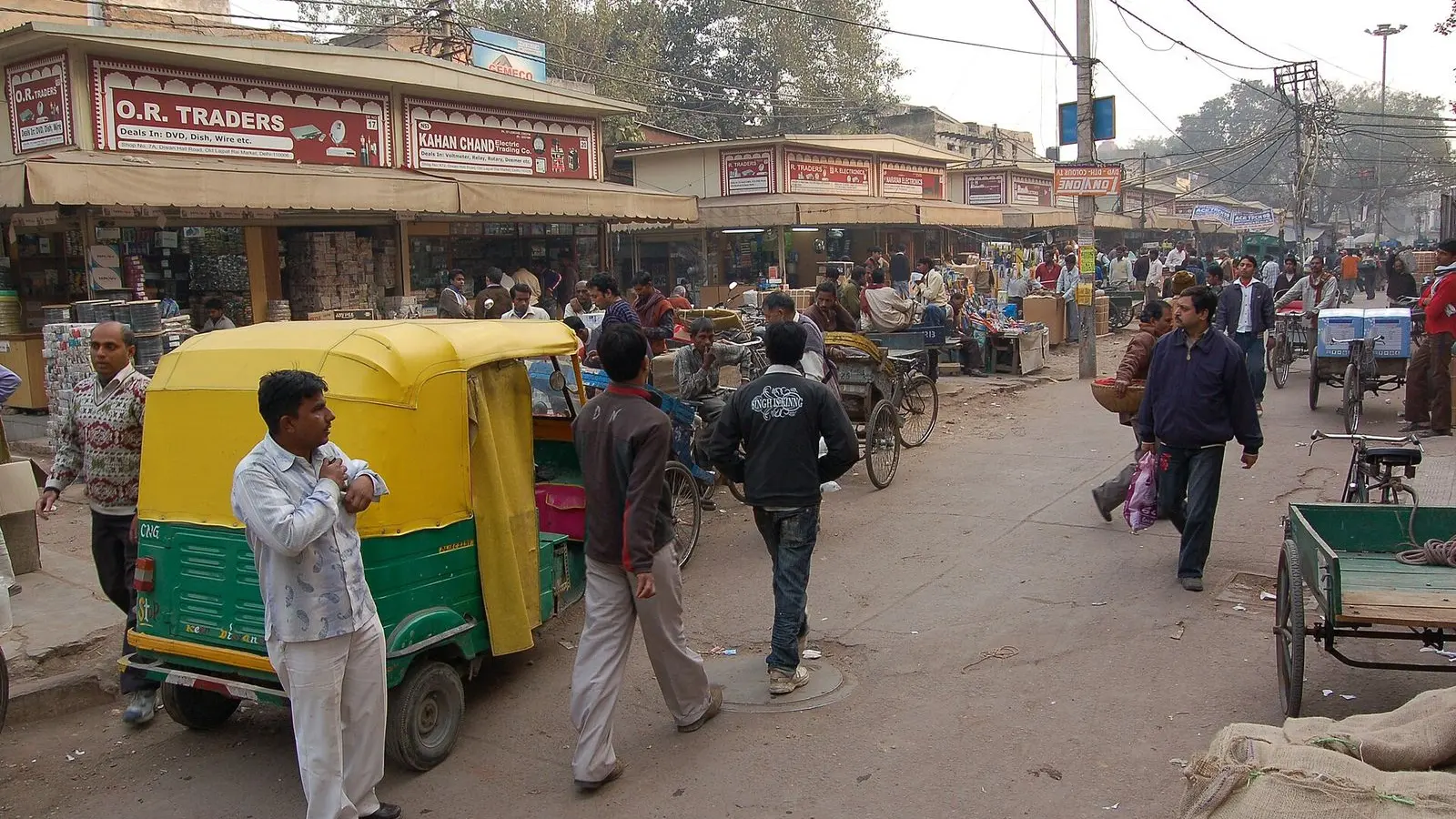
A busy street in Chandni Chowk, Delhi, with an auto rickshaw, handcarts and people carrying goods
  1. Nominate your transporter in advance and share their details: name, booking office and contact.
  2. Have every bale or carton marked with your name, the destination and its number, such as “3 of 8”.
  3. Photograph the packed lot and its marks before handover.
  4. Count the bales at handover, and check the count on the lorry receipt, often called a bilty or GR, against the packing list.
  5. Keep the lorry receipt with the invoice, the packing list and the e-way bill.
  6. Ask your transporter about transit insurance if the value warrants it.

Freight is quoted separately. Our quotes say “Freight to be confirmed”, because the cost depends on your transporter, the destination and the packed weight.

On arrival, count the bales before you sign for them, note any visible damage on the delivery receipt, and open and inspect the lot within the window you agreed with the supplier.

Specify in writing, check against the sample, count at handover.

Can you buy without visiting in person?

Yes, once the basics are fixed. A first order is easier to get right in person, but repeat lots can be bought against an approved sample, a written specification, and photographs or video of the packed lot before it leaves.

At a distance, ask for a video of the bales being counted and marked, and of a piece drawn from each bale being measured against your chart. It is quick to film and settles most questions before the lot moves.

This is how we work in garments: we source readymade garments from manufacturers in Delhi against your specification, check them against your approved sample, and hand the packed lot to your transporter. It works the same wherever in India you are.

If you are selling the pieces online, our page on how to sell clothes online in India covers the marketplace side, and our guide on how to sell on Meesho goes through one marketplace in detail.

To buy through us, send us your specification and we will tell you what we can source against it.

Questions

Questions about buying in Gandhi Nagar

Can I buy single pieces in Gandhi Nagar market?
Usually not: Gandhi Nagar is a wholesale market, and traders sell readymade garments by the set, one piece in each size of a size run, and by the lot. Ask each trader whether sizes can be split from sets before you agree a price.
What is a size ratio in wholesale garments?
It is how many pieces of each size make up a set, such as one small, two medium, two large and one extra large. Set it from your own sales and returns, not from the supplier’s standard set, and ask for a size-wise breakup on the packing list.
What documents should I get when buying garments wholesale?
A GST tax invoice from every supplier, a packing list that matches the bales, an e-way bill where the consignment value requires one, and the transporter’s lorry receipt, often called a bilty or GR. Check each before the goods leave, and keep them together with the payment record.
How does transport work for garments bought in Gandhi Nagar?
Nominate your transporter in advance, have every bale marked with your name, the destination and its number, and count the bales against the packing list and the lorry receipt at handover. From handover the goods travel on your arrangement, so agree in writing when responsibility passes to you.
Related service

Sourcing in Gandhi Nagar, against your spec

We source readymade garments from manufacturers, check them against your approved sample and hand the packed lot to your transporter.

See sampling and sourcing
Read next

More from the seller’s side

Garments · 16 Oct 2026

From sample to first lot

Planning a first private label order: tech pack basics, labels and hangtags, approvals in sequence, quality checks and the reorder.
Garments · 16 Oct 2026

Starting a clothing brand in India

The order of work for a new clothing brand in India: range, sampling, private label, GST, labels, first lot and channels.

Tax and compliance · 16 Oct 2026

GST for online sellers

GST for online sellers: registration, the GST invoice, TCS on marketplace payouts, input tax credit and monthly reconciliation.

Start an enquiry

Want this run for your brand?

Tell us what you sell and where. We reply with our questions and a scope, with GST on its own line.

Or write to accounts@kavitabrands.com