Marketplace account management in Delhi NCR
We provide marketplace account management in Delhi NCR from our office in Gandhi Nagar, East Delhi, for market traders, export units and D2C brands. You can hand over your accounts across a table, and the weekly work runs in your own seller panels.
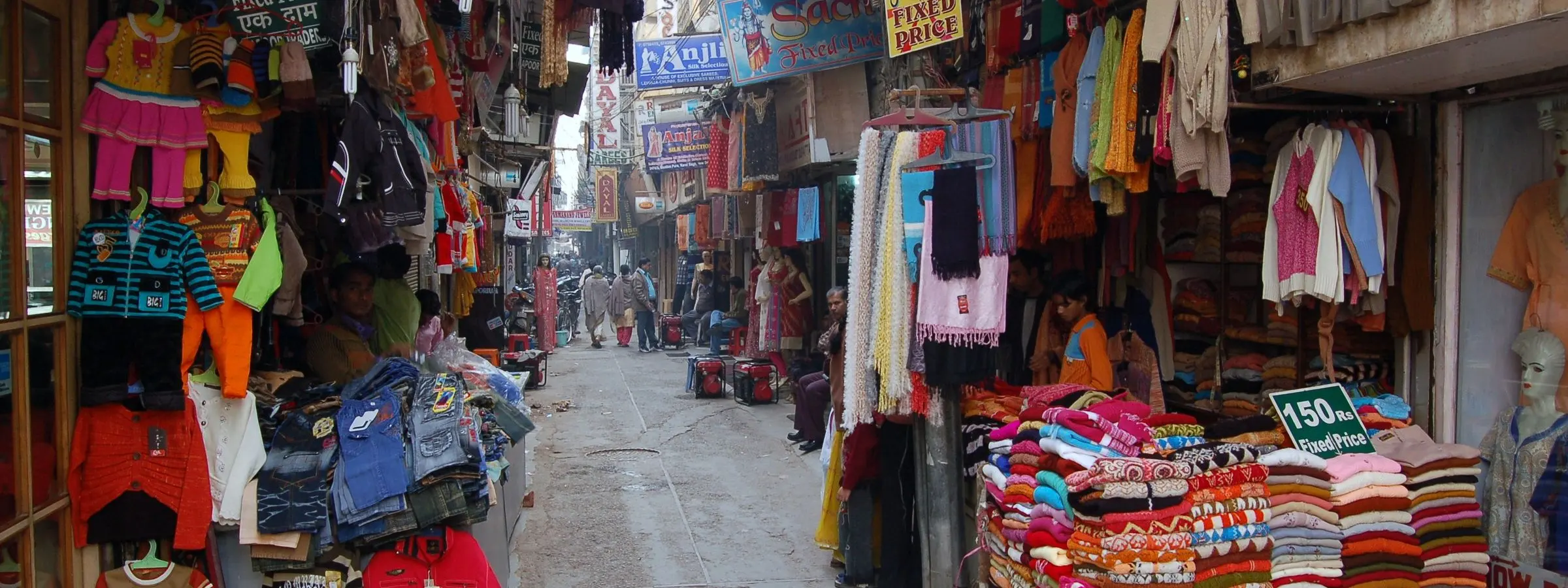
How we run accounts for NCR sellers
- Where we meet
- Gandhi Nagar, East Delhi, or on a call
- Marketplaces
- Amazon, Flipkart, Meesho, Myntra and Ajio
- Busiest months
- Late August to January
- Returns
- Logged at your shop, claimed by us
- Reconciliation
- By marketplace, and by GSTIN
- GST on our fee
- 18%: CGST and SGST, or IGST
In short
- Marketplace account management in Delhi NCR means running a seller’s marketplace accounts week by week: prices, stock, returns, claims, settlements and account health.
- Delhi wholesale traders who run seller panels after shop hours usually fall behind first on returns, claims and settlement checks.
- An NCR seller with GST registrations in Delhi and Haryana or Uttar Pradesh has TCS collected per registration, so settlements are reconciled state by state.
- The NCR’s account calendar peaks from Karva Chauth to Diwali, then turns to winterwear listings, which go live in late October and clear in January.
- Kavita Enterprises runs NCR accounts from Gandhi Nagar, East Delhi, where sellers can meet us; the panel work itself needs no visit.
Marketplace account management in Delhi NCR is the weekly work inside your seller panels: prices, stock, returns, claims, settlements and account health. We run it from Gandhi Nagar, East Delhi, for traders, export labels and D2C brands across the region.
Being in the NCR changes two things and leaves the rest alone. You can sit across a table from us in Gandhi Nagar for the handover and the monthly review, and your trade’s calendar is ours too. The panels look the same from any city.
We run brands of our own as well, so we read fee schedules, return rules and claim windows as sellers, not as advisers.
Which Delhi NCR sellers hand over their accounts?
Four kinds of NCR seller hand over accounts, and each brings a different backlog: market traders selling online beside the counter, export units with labels of their own, makers of bulky goods in Panipat and Meerut, and Gurugram or Noida D2C brands adding marketplaces.
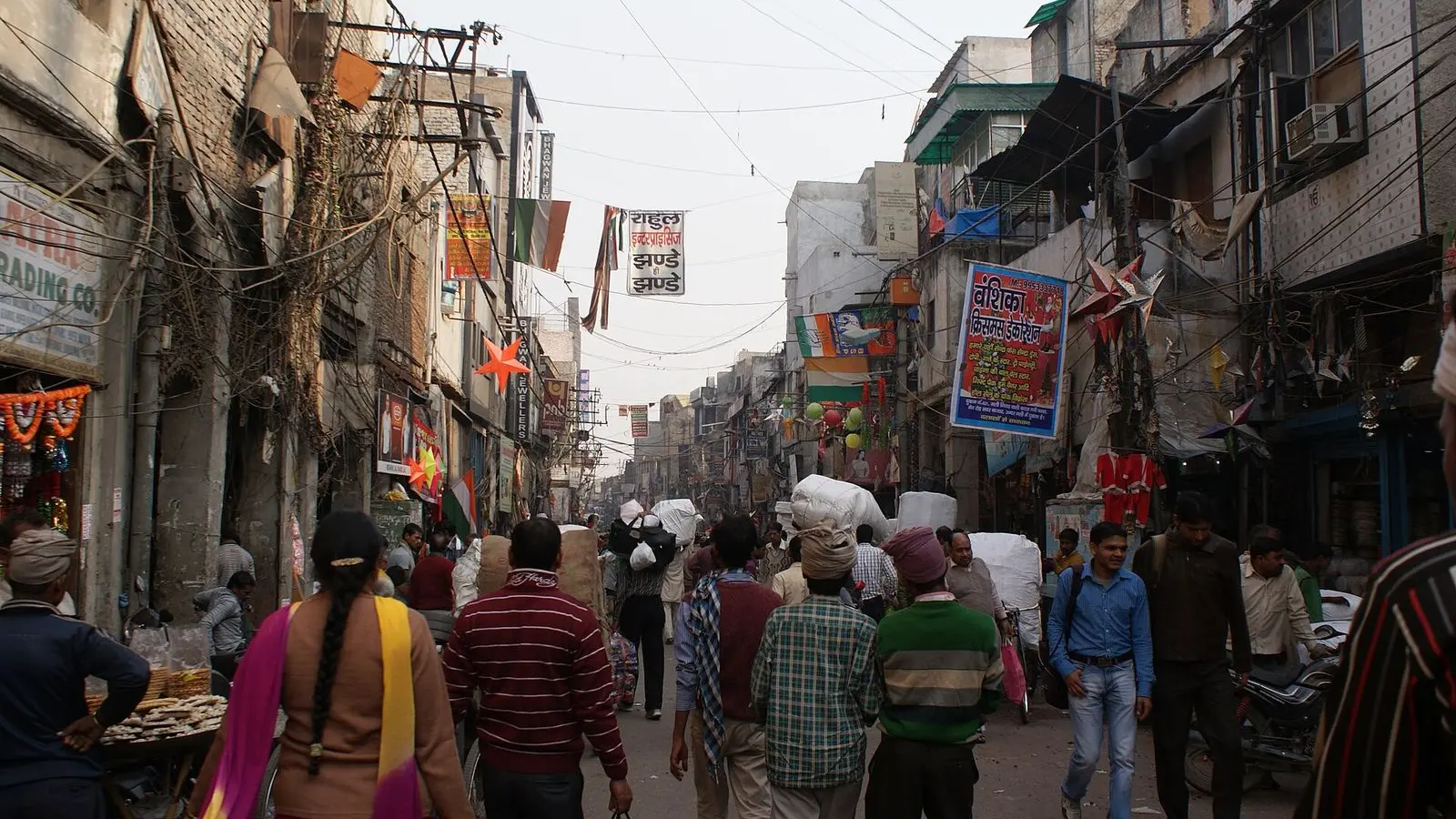
Traders from Gandhi Nagar, Sadar Bazaar and Chandni Chowk
Many traders in these markets opened a Meesho or Flipkart account themselves and run it from a phone once the shop closes. The listings go live; the returns pile up in the store room, the claims lapse, and nobody reads the settlement report.
For these sellers the first job is housekeeping, not growth: a returns log the counter staff fill in, claims filed inside each time limit, and a floor price for every piece. Our Meesho account management page covers value ranges.
Export units launching their own labels
Garment exporters across Okhla, Noida, Gurugram and Faridabad already know measurement charts and inspection. What is often new is a fashion marketplace’s brand onboarding, its style codes and colour names, and the Indian size values that replace an export size set.
The trap for an export unit is surplus. Leftover pieces from an overseas order often carry the buyer’s brand, and listing them under that brand invites an intellectual property complaint. Under your own label, and where your export contract allows, they can be listed.
Our page on Myntra seller account management covers onboarding and the weekly cycle of a fashion account in full.
Bulky goods from Panipat and Meerut
Panipat’s quilts and rugs and Meerut’s cricket kit ship bulky, and marketplaces charge shipping fees on actual or volumetric weight, whichever is higher. A carton larger than the listed dimensions can push a product into a dearer band, seen only in the settlement.
We check the weight and dimensions on each listing against your packed carton, and raise a ticket where the marketplace has measured differently. Our page on how to sell home furnishings online covers the rest of what the Panipat trade meets online.
D2C brands from Gurugram and Noida
A Gurugram or Noida brand that began on its own storefront brings clean product data but little feel for the panels. Its risk is one stock pool sold twice: a storefront order empties a size the marketplace still shows, and the cancellation hits account health.
We keep the counts in step and coordinate prices, so a shopper does not find the same product cheaper on Flipkart than on your site without a reason. The storefront side is covered by ecommerce website development in Delhi NCR.
When is account work heaviest for NCR sellers?
Account work in the NCR is heaviest from late August to January: festive deal submissions, then Karva Chauth and Diwali orders, then the returns that follow, and the short winter in which jackets, quilts and thermals must sell. Each stage brings its own panel work.
- August and September. Deal prices for the festive sale events worked out per piece after fees, and stock committed by size for Karva Chauth suits and sarees, Diwali gifting and the winter range.
- October. Winterwear listings switched on and checked for size gaps, and stock buffers raised so a busy Diwali week on one marketplace does not oversell another.
- November. Festive returns arrive while claim windows run. Every damaged, used or swapped return is logged and claimed before its deadline, just as wedding-season occasion wear starts to sell.
- January. Winter stock priced to clear around Lohri and the Republic Day sale events, and listings paused as sizes run out, so stockouts do not become cancellations.
Flipkart’s Big Billion Days and Amazon’s Great Indian Festival fall inside that run, and deal nominations are made in Flipkart’s Seller Hub and Amazon’s Seller Central well before each event. We check every nominated deal price against your floor before it is submitted.
Winter stock is where NCR accounts lose money quietly. Jackets and quilts left in a marketplace’s fulfilment programme after January go on paying storage fees until the next winter.
So in December we set what is left against the weeks of cold remaining, and agree a clearance price or a removal order with you while there is still time to sell.
What if your GST spans Delhi and Haryana?
If your stock sits on both sides of a state line, each state needs its own GST registration, and the marketplace links each GSTIN to its own addresses. A Delhi shop with a store room in Gurugram or Noida is a typical NCR case.

Three things follow for the account work:
- each marketplace order is invoiced under the GSTIN of the address it ships from;
- TCS, tax collected at source under GST from your payouts, is reported against each GSTIN, so we reconcile settlements and TCS registration by registration;
- stock moved from the Delhi shop to a store room in Haryana is a supply between your own two registrations, invoiced as one by your accountant, and we move each listing’s pickup address to match.
The monthly TCS summary is split by state as well as by marketplace, so your accountant can claim each credit in the right return.
Which registrations you need is your accountant’s call. Registration rules are changing for small online sellers, so check the current position with your adviser before you open a new state.
The GST portal’s registration guide sets out the steps, and our guide to GST for online sellers covers TCS and invoices in more depth.
How should an NCR shop log its returns?
On receipt, before the parcel joins the pile. One person opens each return on camera, checks it against the order and notes its condition in a shared sheet, because that record is the evidence a marketplace asks for when a claim is filed.
In a busy Gandhi Nagar or Chandni Chowk shop, returns arrive while the counter is serving buyers, so we keep the log to a minute a return: order number, a short video of the opening, the reason the buyer gave, and the condition found.
We read the log weekly, and damaged, used, incomplete or swapped returns become claims. RTO parcels, refused at the door or never delivered, are tracked by pincode: a cluster of refusals in one part of the NCR points to cash-on-delivery habits or address quality.
Occasion wear needs extra care in the wedding season. A lehenga or sherwani sent back after the wedding it was bought for shows wear at the seams and lining, so the claim goes in with close photographs of both, and of the tags.
How does a handover work for NCR sellers?
A handover for an NCR seller starts with a meeting in Gandhi Nagar or a call, whichever you prefer, and builds over the first month to the first monthly reconciliation. Each stage needs something from you.
- The meeting. Bring your cost sheet, the list of accounts you want handed over and a few recent returns. Traders from the nearby markets can bring the returned pieces themselves, and we look at them beside their listings.
- Access. You give us user access on each marketplace from your own login; the owner login, registered mobile and bank details stay with you.
- The backlog. Claims still inside their time limits come first, then unmatched payouts, then listings suppressed for missing attributes or images.
- The routine. Daily health checks, a weekly report and call in Hindi or English, and the monthly reconciliation, split by GSTIN where you hold more than one.
After the first month, an NCR seller can meet us in person for the monthly review, or not at all. The work does not depend on the meeting; it is offered because Gandhi Nagar is close.
What to ask an account manager in Delhi
If you are comparing Amazon account management agencies in Delhi, or a freelancer down the lane, ask four questions. The answers show quickly who has run an NCR seller’s accounts through a festive season and who has only seen the panels.
- How do you reconcile TCS when I hold GSTINs in Delhi and Haryana?
- Who logs returns at my shop, and what evidence do you need for a claim?
- Will you work through user permissions, or do you need my owner login?
- What do you check on an account in the week before Diwali?
Our answers: state by state, your counter staff with a phone camera, user permissions only, and deal prices against your floor, stock by size and the buffers between marketplaces. The marketplace account management service page sets out the full scope.
Can the same house supply the stock?
Yes, for clothing. Because our garments arm sources readymade garments in Gandhi Nagar, an NCR seller can have a lot sourced against an approved sample and the same styles listed and run on the marketplaces, with the size chart measured from that sample.
The two stay separate on paper: the lot is quoted by the piece with GST at the garment rate, and the account work on its own scope at 18%. We never store, pack or ship your orders; they leave from your premises.
For the lot side, from specification to handover, see wholesale garments from Delhi.
To start, send us your marketplaces and a line on what keeps going wrong, and suggest a day to come to Gandhi Nagar. For the wider picture of selling from the region, see our page on ecommerce services in Delhi NCR.
Account work, run from Gandhi Nagar
Weekly account running
Prices within your floor, stock counts, returns, claims and settlements on every marketplace you hand over, reported each week.
Meesho for wholesale ranges
Value ranges from Delhi’s markets priced per piece after fees and expected returns, with claims filed inside the time limits.
Myntra for export labels
Brand onboarding, style codes and size values for export units launching their own labels on a fashion marketplace.
Listings rebuilt for search
Trade catalogues turned into marketplace listings with titles, attributes and size charts measured from real pieces.
Sponsored ads tied to stock
Marketplace ads paused when a size runs out or a price falls below its floor, and raised for the festive run.
Stock sourced in Gandhi Nagar
Readymade garment lots sourced against an approved sample, so the pieces you list match the pieces you sell.
Questions NCR sellers ask about accounts
What does marketplace account management cost for a Delhi NCR seller?
Can you manage Meesho for a Gandhi Nagar wholesale shop?
Who logs returns for my shop’s marketplace orders?
Do I need separate seller accounts for my Delhi and Haryana GST numbers?
When should Delhi sellers submit deals for the Big Billion Days?
Can I list export surplus garments on Amazon or Flipkart?
How do I give an account manager access to my seller account?
Do you run accounts for sellers in Meerut and Panipat?
More of our work in this city
Bring your seller accounts to Gandhi Nagar.
Send the marketplaces you sell on, roughly how many listings you run and what keeps going wrong. We reply with our questions and a time to meet in Gandhi Nagar, or a call if that suits you better.