Wholesale garments for Lucknow retailers
A wholesale garments supplier for Lucknow retailers, working from Gandhi Nagar, the readymade-garments wholesale market in East Delhi: menswear, kidswear, western wear and winter lines for the racks around your chikan range. Lots are sampled, quoted by the piece and handed to the transporter you choose.
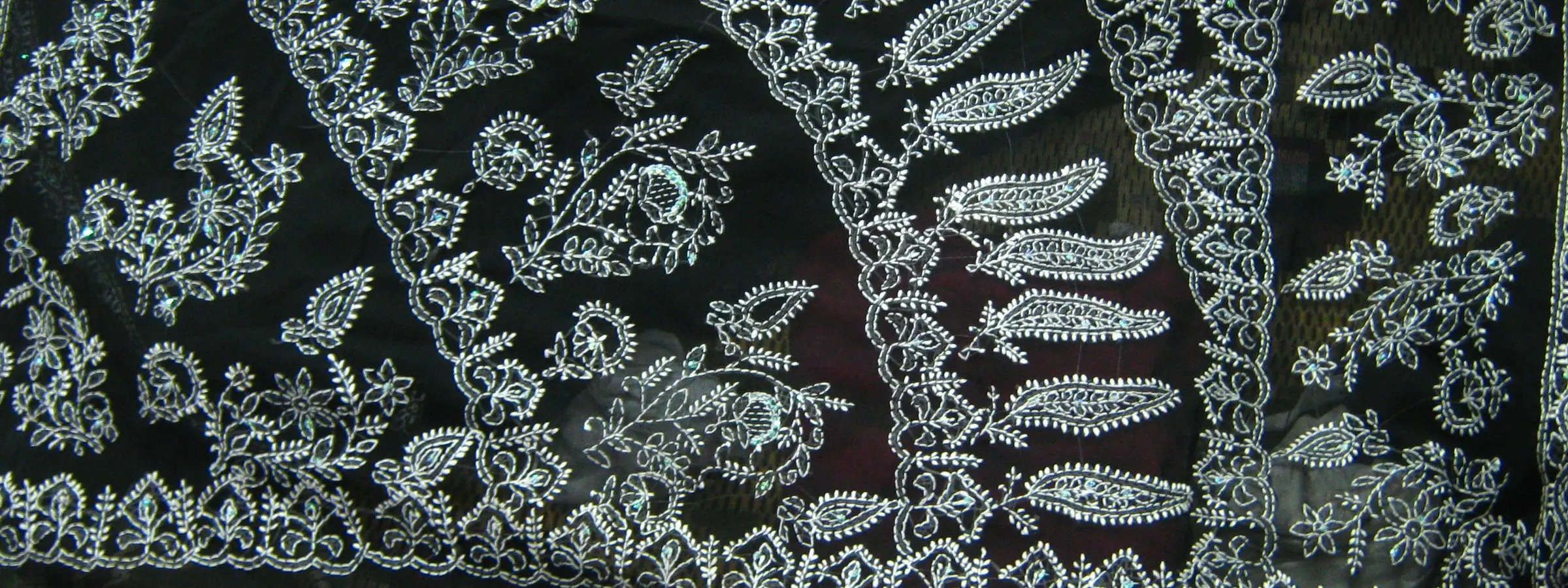
How a Lucknow lot is supplied
- Sourced in
- Gandhi Nagar, East Delhi
- Lines Lucknow buys
- Menswear, kidswear, western wear, winter layers
- Priced
- By the piece, specification written down
- GST on garments
- IGST, 5% or 18% by piece value
- Freight
- Quoted separately; your transporter carries it
- Chikankari
- Bought from Lucknow’s makers, not from us
In short
- A wholesale garments supplier for Lucknow retailers sources readymade garments in Delhi’s Gandhi Nagar market and supplies them by the lot, quoted by the piece.
- Lucknow shops usually buy from Delhi the lines chikankari does not cover: menswear, kidswear, western wear, denim and winter layers.
- Garments sent from Delhi to a Lucknow retailer carry IGST: at the time of writing, 5% up to ₹ 2,500 a piece and 18% above.
- Eid moves earlier every year, so Lucknow lots for Eid, the wedding months and winter are briefed backwards from each year’s own dates.
- Kavita Enterprises hands each packed lot to the buyer’s nominated transporter in Delhi with the tax invoice and packing list; freight is quoted separately.
Menswear, kidswear, western wear and winter layers are what we buy in Gandhi Nagar, East Delhi’s readymade-garments wholesale market, as a wholesale garments supplier for Lucknow retailers. Each lot is sampled, priced by the piece and handed to your transporter.
Lucknow makes the garment it is known for. What a shop in Aminabad or Chowk often lacks is everything around it: shirts and jeans for men, festive sets for children, western wear, and the jackets and sweaters a north Indian winter asks for.
We do that buying in Delhi so you need not make the trip: we find the goods, agree the specification, check the pieces against your approved sample and invoice the lot ourselves. We own no factory; private label goes through partner units.
What do Lucknow retailers source from Delhi?
Mostly the lines Lucknow’s own trade does not make in depth. Menswear counters buy shirts, T-shirts, jeans and trousers; family stores buy kidswear and festive sets for Eid; and many shops add western wear and winter layers for the cold months.
Resellers in the city who supply smaller shops across Awadh buy the same lines in larger lots, packed in the ratios their own customers take, so each bundle can travel on without being opened.
- Men’s shirts and T-shirts for everyday counters and for Eid; see our page on wholesale shirts and T-shirts.
- Jeans and trousers, specified by fabric, wash and waist range; see denim and bottoms.
- Kidswear, from everyday sets to Eid outfits, sized by age band; see wholesale kidswear.
- Printed kurtis and sets to hang beside a chikan range, never sold as chikankari; see women’s ethnic wear.
- Winter layers: jackets, sweatshirts and sweaters for December and January.
Why keep chikankari out of a Delhi lot?
Because the craft and its name belong to Lucknow. Lucknow chikan craft is on India’s register of Geographical Indications, and the pieces your customers trust come from makers you already know.
Delhi’s market does hold machine-embroidered kurtas in a chikan style. We describe any such piece as machine embroidery, never as chikankari, and keep it out of a lot meant to hang beside handwork unless you ask for it by that description.
What a Delhi lot adds is contrast: printed rayon and cotton kurtis, plain everyday sets, menswear and children’s wear that sell on price and colour, so your chikan pieces keep the counter space they earn.
How do Eid and lagan shape orders?
Eid sets the first deadline. Kidswear, men’s shirts and festive sets have to be on your shelves before the last weeks of Ramadan, and because Eid moves earlier every year, the brief is dated from this year’s calendar rather than last year’s order.
Lagan, the wedding season, sets the second: occasion wear, men’s shirts and family sets for the months when weddings cluster, in winter and again before the summer heat. Eid al-Adha adds a shorter peak of its own, which can fall in either season.
Work back from the shelf date: transit from Delhi, our checks and packing, sourcing, sample approval and your brief. Each step needs its own time, and the quotation states the dates and what each one depends on.
Diwali and the festive months add party wear and gifting, and Holi brings white kurtas and everyday cottons; both fit the same backward plan.
Which winter lines should a Lucknow shop stock?
Layers for a cold but short winter: jackets, sweatshirts, hoodies, sweaters and thermals for men, women and children. Lucknow’s cold months are December and January, often foggy, and that stock has to be on the shelf as the first cold mornings arrive.
Brief winter lines by early autumn, while sampling is unhurried. Ratios for winter wear follow your own sales, because a jacket left in the wrong size in February waits a year for its next buyer.
Ludhiana is known for hosiery and woollens; a Delhi lot suits shops that want winter layers in the same order as their summer and festive lines.
What should a brief from Lucknow include?
Enough to quote from without a visit. The fewer gaps in the brief, the fewer rounds of samples, and the sooner a lot is on its way up the road to Lucknow.
- The line and the reference: a photograph of a style that sold at your counter, or a piece sent to us.
- Fabric: knit or woven, the composition you expect, and the GSM, the fabric’s weight in grams per square metre, if you know it.
- Size ratio: taken from your own sales; a counter that sells larger men’s sizes should say so rather than accept a standard set.
- Quantity by style and colour, not a single total.
- Price band: the per-piece range your selling price allows.
- Destination and date: the date the goods must reach Lucknow, and your transporter’s name if you have one.
- Billing: your registered business name and GSTIN, for the tax invoice.
Our wholesale garments page explains how lots are built and quoted. For a Lucknow shop, the line that matters most is the date, because Eid and lagan deadlines do not wait for a late lot.
How do samples reach a Lucknow shop?
They reach you on the terms written in the quotation, or you see them at our Gandhi Nagar office when a buying trip brings you to Delhi. Nothing is bought for the lot until you approve a sample and confirm the quotation in writing.
The approved sample becomes the standard. We keep it with the measurement chart and fabric details, check the lot against it before packing, and use it again for reorders, so the second Eid lot matches the first.
Where you want a style you already sell matched rather than a ready lot, the sampling round takes longer, because the market has to be searched for the closest fabric, shade and fit before a sample can be made or found.
How are tax and transport handled to Lucknow?
A sale from Delhi to a Lucknow retailer crosses a state line, so the tax invoice carries IGST rather than CGST and SGST, always on its own line and never folded into the rate.
At the time of writing, under the GST rate schedule, readymade garments carry 5% GST on pieces sold at ₹ 2,500 or less and 18% on dearer ones, a rule in force from 22 Sep 2025. Each line’s rate is confirmed on your quotation.
Three papers go with every lot: the tax invoice, a packing list that matches each carton’s markings, and an e-way bill where the GST rules call for one. Freight stays between you and your transporter, so the quotation shows it as “Freight to be confirmed”.
Gandhi Nagar sits on Delhi’s east side, facing Uttar Pradesh, so handing a lot to a transporter on the Lucknow road is a short step. Transit time and cover for the bales are for you and your transporter to settle before collection.
A registered Lucknow retailer can generally use the IGST as input tax credit against its own GST, which makes the GSTIN on the invoice worth checking before the lot leaves. Our note on GST on readymade garments covers the threshold in detail.
What is checked before the lot leaves Delhi?
Everything you would check at your own counter, done before the bales close, because sending a lot back up the Lucknow road costs both sides. Pieces are counted by style, colour and size, matched to your ratio, measured, shade-checked in daylight and inspected.
Rejected pieces come out of the lot. When that leaves it short, we tell you the shortfall and its reason before handover, and the decision on replacing them or invoicing less is yours.
Can a Lucknow shop reorder mid-season?
Yes, and before Eid it often has to. When a style sells through early, a reorder briefed against the retained sample can follow, provided the market still holds the fabric or a close match; early word gives us time to find it.
Each reorder is compared with the retained sample for shade, fit and fabric weight, the three things most likely to shift between one lot and the next.
Can a Lucknow boutique have its own label?
Yes, through private label production with partner units: your woven label, care label and hangtag on garments made to an approved sample. It suits a shop whose name carries weight in its neighbourhood and wants children’s Eid sets or everyday basics under it.
Private label adds sampling rounds and time for your labels to be made, so it needs a longer runway than a ready lot; start it a season ahead of the Eid or lagan date it is meant for.
Can a Lucknow shop sell these lots online?
Yes. Delhi stock sold online needs a size chart from the approved sample, photographs of pieces from the lot itself, and Legal Metrology declarations: the pack carries all of them, and the listing repeats each one except the month and year.
Our Lucknow page covers marketplace accounts, listings and Eid campaigns for the city’s sellers, so the garments and the online side can be planned together.
How does a first Lucknow order run?
- Brief. The lines, quantities, size ratio, price band and the date the goods must reach Lucknow.
- Samples and quotation. Samples sourced in Gandhi Nagar and sent on the quotation’s terms; the rate is by the piece, with IGST and freight on separate lines.
- Approval. You approve the sample and confirm the quotation in writing; only then is anything bought.
- Assembly and checks. The lot is assembled in your ratio and checked against the approved sample.
- Handover. Your transporter collects the packed lot in Delhi, along with the tax invoice and the packing list.
The wholesale garment rate card gives indicative per-piece rates and minimums by line, so you can see whether a category suits your price band before writing a full brief.
To begin, send the lines your counter needs and the date they must reach Lucknow; we will come back with questions, or a plan for samples, and then a per-piece quotation.
Lines for the racks around chikan
Men’s shirts and T-shirts
Shirts, T-shirts and polos in the size ratio your counter sells, sourced in Gandhi Nagar and checked against the sample.
Denim and bottoms
Jeans, trousers and joggers specified by fabric, wash and waist range, quoted by the piece.
Kidswear for Eid
Children’s festive sets and everyday wear, sized by age band and briefed before Ramadan begins.
Women’s ethnic wear
Printed kurtis and sets to hang beside a chikan range, never described as chikankari.
Private label
Garments under your shop’s own label, produced through partner units, with every sample approved first.
Sampling and sourcing
A style you already sell, matched in Delhi by fabric, shade and fit before any lot is bought.
Questions Lucknow retailers ask about Delhi lots
Can I buy wholesale garments from Delhi without leaving Lucknow?
Is GST charged as IGST on garments sent from Delhi to Lucknow?
Who transports the lot from Delhi to Lucknow?
Do you supply chikankari kurtas?
What is the minimum order for a Delhi lot?
When should a Lucknow shop order stock for Eid?
Can I see samples before I order?
Do I need a GST number to buy wholesale garments from you?
The same service in other cities
Send the lines your Lucknow counter needs.
Tell us the categories, quantities, size ratio and the date the goods must reach Lucknow, with a reference if you have one. You get our questions or a sample plan first, then a per-piece quotation.