Ecommerce websites for Jaipur craft brands
Our ecommerce website development in Jaipur builds Shopify and WooCommerce stores for block printers, potters, jewellers and gift makers, including shops that sell to visitors over the counter. We build and maintain them remotely from Gandhi Nagar, New Delhi; making, packing and dispatch stay in Jaipur.
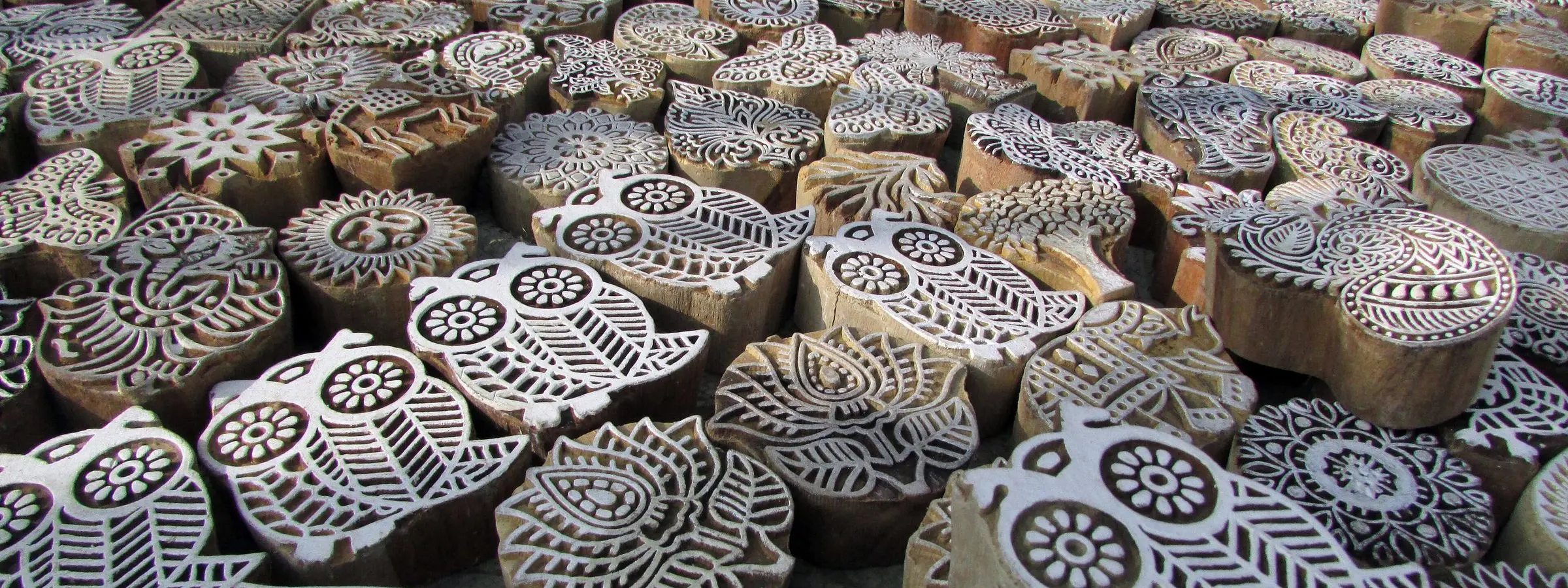
What a Jaipur craft store must carry
- Platforms
- Shopify or WooCommerce
- Kinds of product
- One-off pieces, made to order, stock lines
- Shop and website
- One stock count, through a POS
- Gift sets
- GST rate checked as a mixed supply
- Fragile goods
- Damage reports with photographs first
- Built from
- Gandhi Nagar, New Delhi, remotely
In short
- Ecommerce website development for a Jaipur craft brand means a store that can sell one-of-a-kind pieces, made-to-order work and stock lines side by side.
- A Jaipur shop selling to visitors can run its counter and website on one stock count, so nothing sells twice.
- A gift set of items sold together for one price can be a mixed supply under GST, taxed at the rate of its highest-rated item.
- Fragile pieces need a damage report form that asks for photographs of the piece and the outer box before a replacement is approved.
- We build Jaipur stores remotely from Gandhi Nagar, New Delhi, and connect them to the workshop’s shipping app; packing and dispatch stay with the workshop.
Ecommerce website development in Jaipur has to handle what most stores never meet: a printed bedsheet in stock, a hand-painted vase that exists once, and table linen made to order. We build those stores on Shopify and WooCommerce from Gandhi Nagar, New Delhi.
Your workshop owns the store, its domain and its gateway account. We run brands of our own as well. For a Jaipur workshop’s store, orders kept and correct invoices are useful measures alongside sales.
Which Jaipur businesses gain from their own store?
Three kinds of Jaipur business gain most from a store of their own, and each needs something a marketplace grid cannot give it.
- Workshops with one-off pieces, such as hand-painted pottery or a single dhurrie, where each item needs its own page and leaves the store once it sells.
- Shops that sell to visitors, whose buyers go home to other cities and would reorder if they could find the shop online.
- Gift and jewellery makers, whose sets, wedding orders and company orders need options and invoices that a marketplace listing handles poorly.
A workshop selling mainly printed bedsheets at value prices may be better served by marketplaces for now, and we say so before quoting. That route is covered on our page about marketplace account management in Jaipur.
Pages for one-off and made-to-order pieces
A store built for stock lines treats every product as something it can sell again. A Jaipur workshop’s range mixes three kinds of product, and each needs a template of its own.

- One-off pieces. A stock of one, photographed on its own, shown as sold once it goes, with a link to similar pieces or a waitlist for the next batch.
- Made to order. Size and colour options for table linen or quilts, the making time you set shown before payment, and payment taken in advance.
- Stock lines. Bedsheets and kurtis with variants by size and colour, counted like any other product.
Handmade variation gets a block of its own on the product template, written once for each technique: block printing, tie-dye, hand painting. It appears on every product made that way, so no listing goes live without it.
Made-to-order pieces follow their own returns policy, written by you or your advisor, because a tablecloth cut to a buyer’s size cannot be sold to anyone else. Our page on selling home furnishings online covers made-to-measure orders in more depth.
Process pages that show the making
A product page has room for the piece; a process page has room for how it was made: the carved block, the dye, the kiln, shot in your workshop. Each process page is linked from every product made that way.
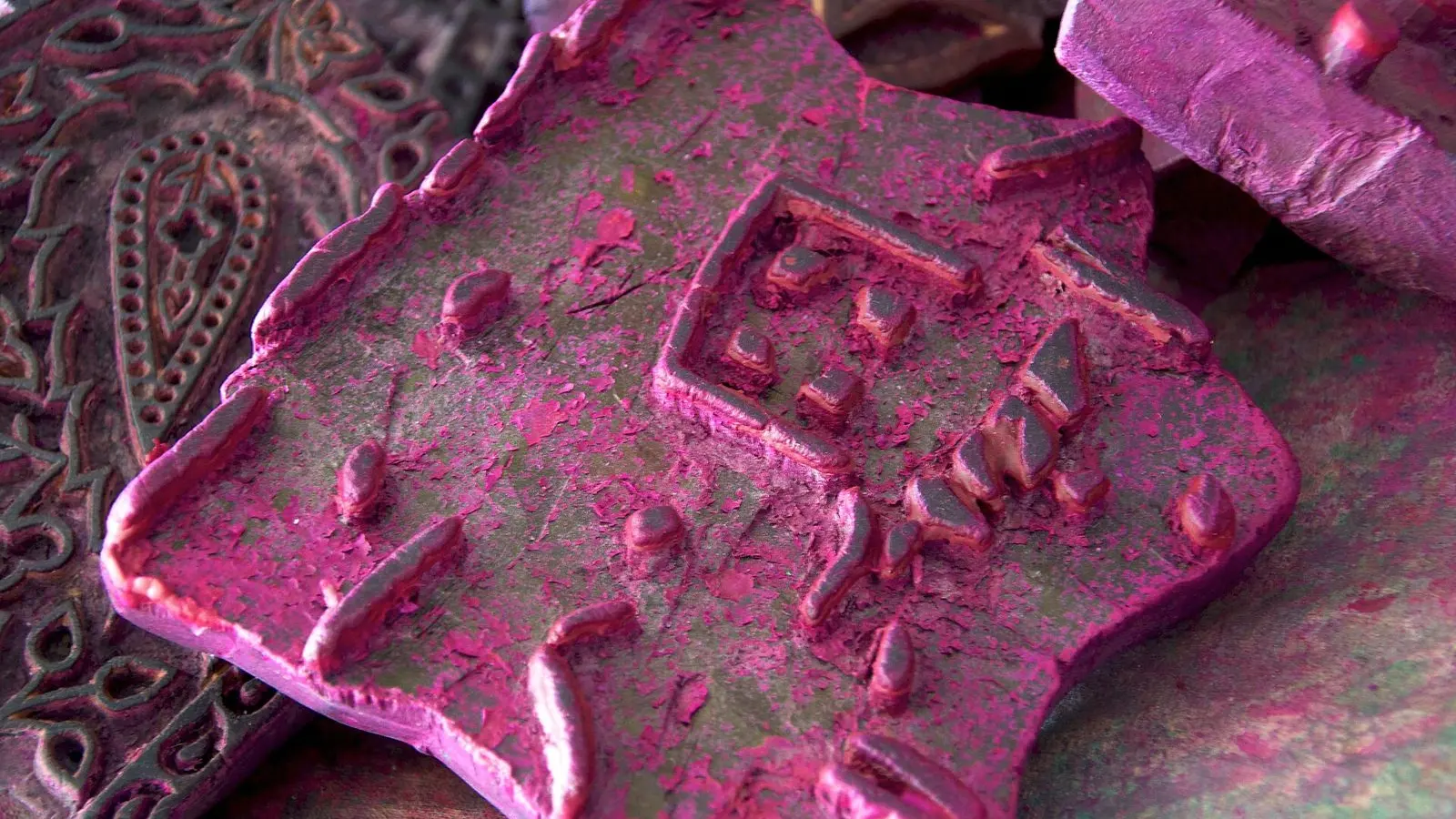
Process pages give a buyer the reason a hand-printed bedsheet costs more than a screen print. They also keep claims honest: a page that shows hand block printing is the place to name it, and a screen-printed line gets a page of its own.
Craft names follow the same care. The geographical indications for Sanganeri and Bagru prints and for Jaipur’s blue pottery belong only to goods that qualify, so a collection carries those names only where yours do; your advisor confirms what they may be called.
A shop counter and a website, one stock
Many Jaipur workshops also run a shop, and visitors through the cooler months buy there in person. When the shop and the website count stock separately, a piece sold over the counter at noon can still be bought online that evening.
Shopify POS runs the shop counter from the same stock count as the website, and WooCommerce can do the same through a point-of-sale extension. A one-off vase sold in the shop leaves the website the moment it is rung up.
The counter is also where online buyers begin: a card in every bag with the store’s address, and a receipt linking to it, let a visitor from another city reorder the bedsheet they saw. Messages go only to buyers who agreed to them.
Prices need one rule in both places. If the shop sells at one price and the website at another, the visitor who reorders notices first, so the website takes its prices from the list your counter uses, with shipping shown on its own.
Gift sets, wedding orders and company orders
Jaipur’s crafts are often bought to give, for Raksha Bandhan, Diwali, weddings and company orders. The store needs ways to build a gift, to quote a large order, and to invoice a business correctly.
- Gift-set builders, where a buyer chooses a cushion cover, a pottery bowl and a block-printed napkin set, and the set draws stock from each item.
- Gift messages and a second address, with a packing slip that shows no prices.
- Bulk enquiry forms for wedding return gifts and company orders, asking for quantity, budget per gift, branding and delivery cities.
- GST invoices in the buyer’s name, carrying the company’s GSTIN so it can claim input tax credit.
A set of items that could each be sold separately, sold together for one price, can be a mixed supply under GST, taxed at the rate of its highest-rated item. Your accountant confirms each set’s treatment, and the store applies it.
Raksha Bandhan gifts often travel to a brother or sister in another city, so each gift page shows the last date to order for the address it is going to, and the message goes on a card rather than on the invoice.
Our page on selling festive gifts online plans the gifting year month by month, from Raksha Bandhan to the wedding season.
Quilts and dohars, in and out of season
Jaipuri quilts sell before the cold and dohars through the warmer months, so a Jaipur store changes its front window twice a year. Quilt pages stay live out of season, marked as returning, because a deleted page loses the search visibility it earned.
A returning page can collect names for a back-in-stock message, sent only to buyers who asked for it, so the winter’s first quilts go to people already waiting. Menus change with the season; product pages and their addresses stay put.
Quilt pages carry what a buyer cannot feel through a screen: the fill, the weight, the finished size against the mattress it suits, and how warm it is in plain words. Our page on selling home textiles online covers bed sizes and sets.
Breakage, replacements and the damage report form
Blue pottery, glass and brass will sometimes arrive broken, however carefully they are packed. A store of your own has no marketplace claims desk, so the damage report form becomes the evidence, and it has to ask for the right things.
- Photographs of the piece and the outer box, taken before anything is thrown away.
- The order number, so the report can be matched to the packing photograph your staff took before dispatch.
- A choice of replacement or refund, under rules you or your advisor set, shown before payment.
- A claim to your shipping partner, where they offer one, filed with the same photographs.
Shipping rates for fragile goods are worked out from the packed carton, with its padding, rather than the bare piece, and the store passes every order to your shipping app. Your workshop packs; we write the store’s rules around what it ships.
Jewellery and silver on a Jaipur store
Jewellery pages carry what a buyer cannot check through a screen: the metal and its purity, the plating, the stones, and each piece’s size against a hand or ear. Each is a field on the template, not a line in the description.
Precious-metal pieces have their hallmarking checked with your advisor before they are listed, with the hallmark details shown where the rules call for them. Fashion jewellery says plainly what it is: brass, copper or alloy, with the finish named.
Earrings are often sold as non-returnable for hygiene reasons, and some makers exchange silver rather than refund it. Whatever your policy says, the product page shows it before payment and the returns form applies it.
Photograph every piece with its tag as it is packed. A piece that comes back but was never yours can then be refused with evidence, which matters more on a store of your own, where no marketplace stands between you and the buyer.
How ecommerce website development in Jaipur runs remotely
The build happens on a staging copy and in your platform admin, with decisions settled on calls, so the workshop never stops for a visit. Photography usually sets the launch date, because one-off pieces each need photographs of their own.
The scope comes first: which products are one-off, made to order or stock; whether a shop counter shares the stock; gift sets; tax classes; and the shipping app. The build follows on staging, with the POS connection tested against real stock.
Testing covers an order through every payment method, a gift set, a made-to-order item, a counter sale and a damage report. Launch falls outside the weeks before Diwali and the first wedding dates, and monthly upkeep follows.
GST settings follow the delivery address: an order within Rajasthan carries CGST and SGST, and one to another state IGST, each product at the HSN code and rate your accountant confirms.
If a colour on screen looks wrong against the piece, have your photographer compare them in daylight; confirm any physical sample review with us before sending it.
Our D2C storefronts page sets out the service in full, and our Jaipur page covers everything else we run for the city. When you know what the store must carry, tell us what your workshop sells.
Stores for Jaipur workshops and shops
Shopify stores and POS
Shopify builds for craft brands, with Shopify POS where a Jaipur shop counter sells from the same stock.
WooCommerce for full control
WordPress stores for workshops with large ranges, made-to-order options and trade enquiries, looked after month to month.
Gift sets and company orders
Gift-set builders, bulk enquiry forms and GST invoices carrying the buyer’s GSTIN for company orders.
Marketplaces on the same stock
Store and marketplace stock kept in one count, so a one-off piece never sells in two places.
Tracking from the first order
GA4, Meta Pixel and Conversions API set up during the build, so the store’s ads are judged on real orders.
Questions Jaipur workshops ask about stores
How much does ecommerce website development cost in Jaipur?
Can my Jaipur shop and website share the same stock?
How do I sell one-of-a-kind pieces on my own website?
What GST applies to a gift set of pottery and textiles?
Can visitors who bought from my Jaipur shop reorder online?
How should my store handle pottery that arrives broken?
Can I take custom orders for block-printed table linen on my website?
Do you need to come to Jaipur to build the store?
Tell us what your Jaipur workshop sells.
Say whether you sell through a shop, marketplaces or both, and which lines are one-off, made to order or fragile. We reply with the questions that decide the build, then a written scope.