Ecommerce websites for Tiruppur knitwear labels
Our ecommerce website development in Tiruppur builds Shopify and WooCommerce stores for knitwear labels whose basics sell again and again. We build and look after them remotely from Gandhi Nagar, New Delhi; your unit packs and ships every order.
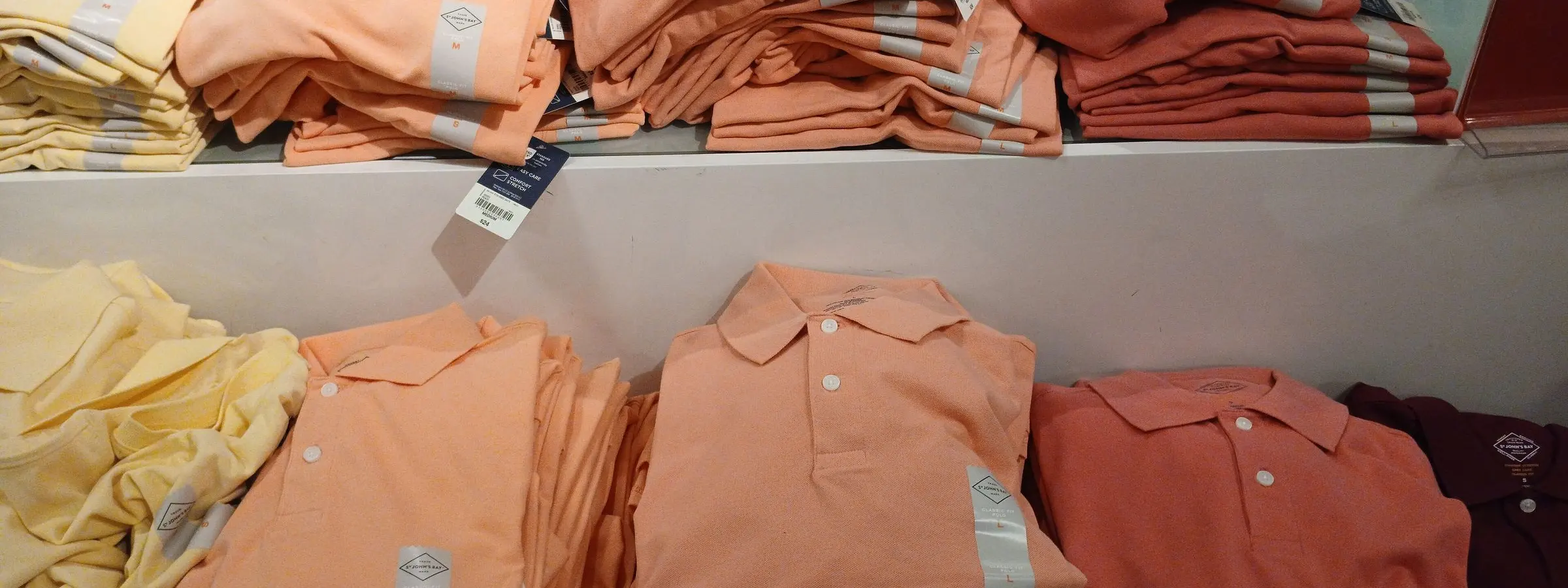
What a knitwear store has to handle
- Platforms
- Shopify or WooCommerce
- Product pages
- Washed-piece measurements, GSM, knit and fit
- Order value
- Low per piece; packs lift it
- Repeat buying
- Reorders in the size that fitted
- Bulk enquiries
- Quote forms for printed T-shirt orders
- Shipping
- Packed and sent by your unit
In short
- Ecommerce website development in Tiruppur suits knitwear labels whose buyers reorder basics, buy packs or want a style’s whole colour range in one place.
- A knitwear product page should give garment measurements from washed pieces and a way to compare them with a T-shirt the buyer already owns.
- On low-priced basics, free delivery set at the price of a pack, not a single piece, keeps shipping and cash-on-delivery costs inside the margin.
- GST on garments, at the time of writing, is 5% up to ₹ 2,500 a piece and 18% above, so tax rules follow the price.
- We build Tiruppur stores remotely from Gandhi Nagar, New Delhi; the store, domain and gateway are in the label’s name, and the unit ships orders.
Ecommerce website development in Tiruppur starts from the arithmetic of basics: pieces that cost little and sell often, so every page, pack and checkout rule has to protect a thin margin. We build them on Shopify or WooCommerce, working from Gandhi Nagar, New Delhi.
Your business owns the store, the domain and the payment gateway account from the first day. We build, connect and look after the store each month; packing and sending the orders stay with your unit or your shipping partner.
We run brands of our own as well, so a store’s monthly running costs are figures we read from the owner’s side.
When does a Tiruppur label need a store?
When buyers come back for the same thing, or want more of the range than a marketplace listing shows. Knitwear basics often pass that test, because a buyer who finds a T-shirt that fits tends to want it again in other colours.
- Reorders. Innerwear, plain T-shirts and loungewear are bought again in the size that fitted, and a store can make that a two-tap job.
- The whole range. Every colour of a style on one page, with packs and sets beside it, where a marketplace search shows only a few.
- Bulk enquiries. Companies, schools and event organisers looking for printed T-shirts need a quotation, not a cart.
A store still has to be paid for in visitors. Most Tiruppur labels do better proving their styles on the marketplaces first, then opening a store for the buyers who return; our page on marketplace accounts for Tiruppur labels covers that first stage.
The platform depends on who looks after the store. Shopify carries hosting and updates for a monthly plan, which suits a unit with nobody spare; WooCommerce gives full control of code and hosting, and needs someone, your staff or us, to maintain it.
How should a knitwear store be organised?
By what the buyer came for, then by fit, then by colour. Collections for round necks, polos, innerwear, nightwear and activewear come first; inside each, filters for fit, sleeve, neckline, fabric weight and size do the sorting.
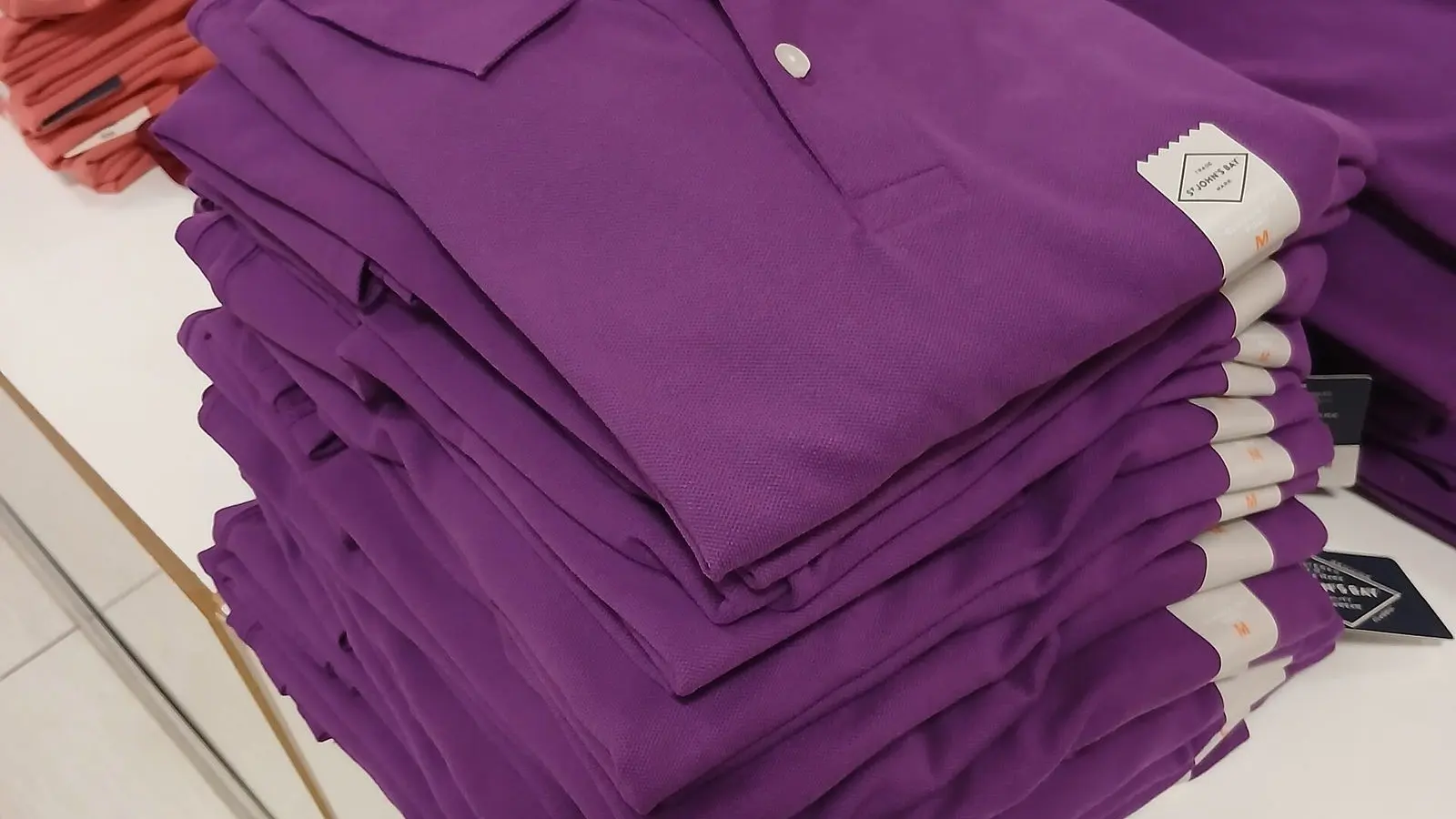
- One product per style, with colour and size as options, so reviews and photographs stay together.
- Colour swatches on collection pages, so a buyer sees that a style comes in rust and olive without opening it.
- Size filters that hide sold-out sizes, so a buyer filtering for XL never lands on a style with none left.
- Fabric weight as a filter where the range runs from light summer jersey to heavy oversized fits, since buyers shop by thickness.
Site search needs the words buyers type: round neck, polo, oversized, vest, trunk, night suit, co-ord, and the Indian words for them. A search for “banian” should land on vests, so each such word is set up as a synonym pointing at the right collection.
Count the options before the build. A style in many colours and sizes, multiplied by pack sizes, can reach the limits of what a platform or theme handles cleanly on a phone, so packs are often set up as products of their own.
What should a knitwear product page show?
Everything a buyer would check by holding the garment up: its weight, its stretch, its fit and how it washes. A marketplace listing carries the core of this; your own page has room for the rest.
- Garment measurements from washed pieces, per size, with the tolerance stated.
- A “measure one you own” guide: lay a T-shirt that fits flat, measure the chest and length, and compare with the chart. It settles size better than any letter.
- The model’s height and size beside the first image, not buried in the description.
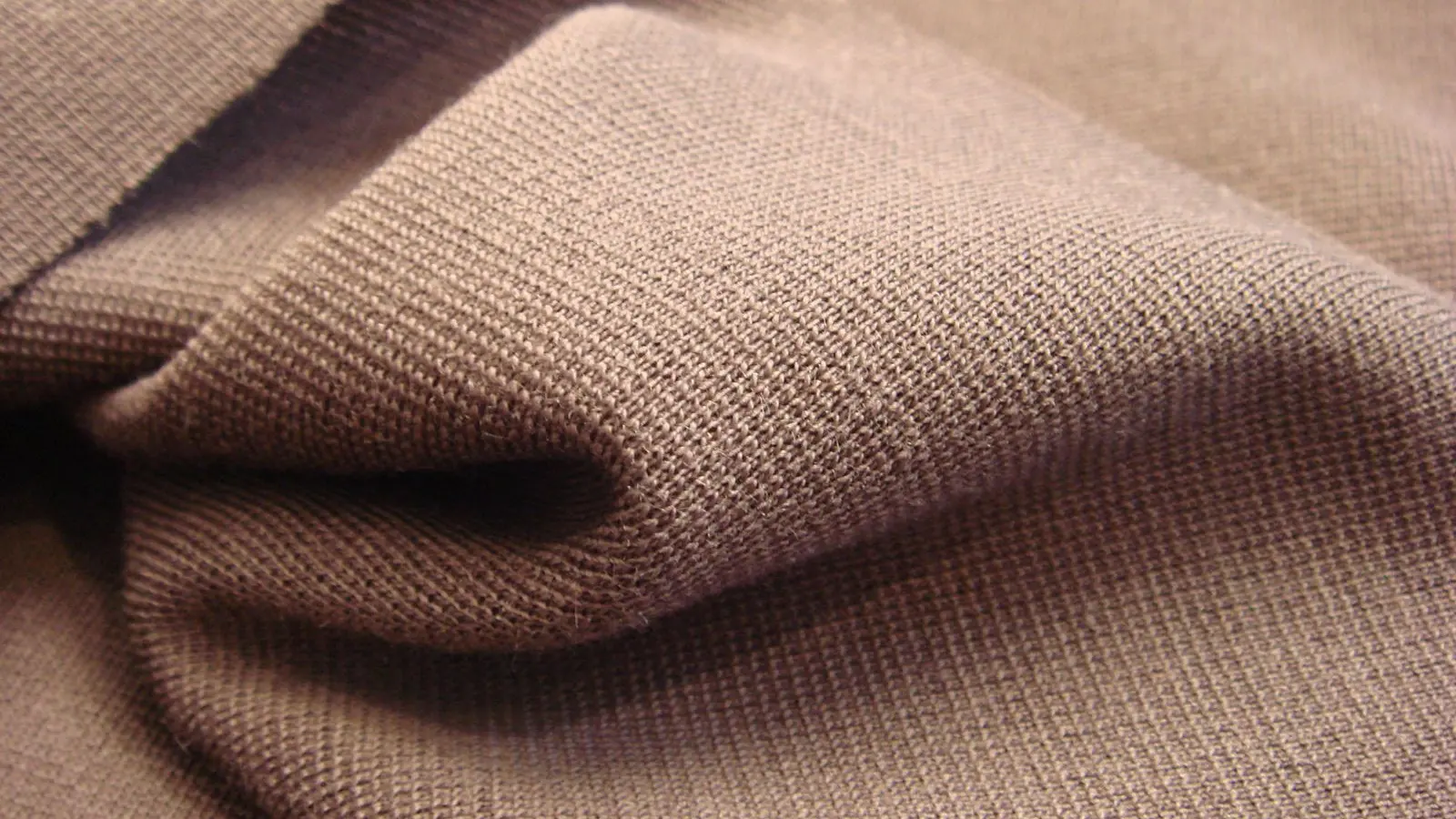
- Fabric in plain words: GSM, knit, cotton and any blend, finish, and what to expect after the first wash.
- A short video of the fabric stretching and the garment moving, which shows thickness better than a still.
Packaged garments carry the Legal Metrology declarations on the pack, and the product page repeats them apart from the month and year. The template holds a field for each, so no style goes live without its MRP, net quantity and the maker’s name and address.
Our page on selling clothes online in India covers size charts and returns across every channel; the store is where your own chart can carry the most detail.
How should packs and reorders work?
Packs lift the value of each order; reorders bring a buyer back without a new ad. A knitwear store is built around both, because one low-priced piece rarely carries the cost of delivering it.
- A pack builder: the buyer picks a size, then the colours, and each piece comes off its own stock count; a colour sold out in that size cannot be chosen.
- Pack prices that step: each larger pack costs less per piece than the one below it, and still earns more in total.
- Saved sizes: the buyer’s size kept in their account, so a reorder opens on the size that fitted.
- Reorder reminders by email or WhatsApp, sent only to buyers who agreed to receive them, timed from your own reorder pattern.
Set free delivery at the price of a pack, not a single piece. Delivery on a light parcel costs much the same whatever it holds, so a pack carries it comfortably and a single T-shirt struggles to.
Can the store take bulk print orders?
Yes, as an enquiry that ends in a quotation rather than a cart. Many Tiruppur units also print T-shirts to order for companies, schools and events, and those buyers have to send details before anyone can price the job.
- The form asks for the garment style and colour, the quantity in each size, the print position and colours, and the artwork file.
- The size breakdown is a table, not a free-text box, so the unit can cut from it without a phone call.
- The proof goes back to the buyer for approval before production, recorded against the enquiry.
- The advance is taken through a payment link tied to the same record, so invoice and order match.
Your unit quotes, prints and makes the order; the store keeps the paperwork in one place. Enquiries are recorded as leads, separate from retail orders, so the cost of winning a bulk order never blurs what a single T-shirt sale costs.
How should a basics store take payment?
Prepaid first, cash on delivery with rules. UPI and cards suit low-value orders well; cash on delivery widens who will buy, but a refused parcel on a basic T-shirt can cost more in freight both ways than the order earns.
- A confirmation step before a cash order is released to your shipping partner, by message or call.
- A cash-handling fee, or cash on delivery offered only above a pack-sized order.
- A prepaid nudge, such as free delivery on prepaid orders, where the margin allows it.
RTO, return to origin, is a parcel that goes out and comes back unopened. Before deciding how much cash on delivery to allow, run your own figures through our RTO cost calculator to see what refused parcels take from a month’s margin.
How should a knitwear store charge GST?
By each piece’s selling price, at rates your accountant confirms. At the time of writing, readymade garments carry GST at 5% up to ₹ 2,500 a piece and 18% above it, so the tax rule must follow the price, discounts included.
Most Tiruppur basics sit below that line, while premium activewear, jackets and gift sets can cross it.
Multipacks raise a question of their own. Ask your accountant how a pack priced above ₹ 2,500 is treated when each piece in it sells for less, and we set the store up as they decide.
Orders delivered inside Tamil Nadu carry CGST and SGST, and orders to other states IGST, read from the delivery address. Our GST calculator for garments works through a price on either side of the line.
When should a Tiruppur label launch its store?
In the quieter weeks after Pongal, so the store has settled before summer basics start to sell. A launch into the festive season leaves no room to fix checkout, invoices or stock syncs before the busiest weeks of the year.
- Late January to February: launch, test orders and the first real buyers.
- Before summer: summer styles and packs live, with tracking checked against real orders.
- Aadi: a clearance page for buyers in Tamil Nadu, taken down on an agreed date.
- Autumn: festive pages and gift sets built in September, and fleece pages for northern buyers by October.
Visitors have to come from somewhere from the first week. Our page on performance marketing for Tiruppur labels covers the ad budget a new store needs, set from the margin on each style.
Ecommerce website development in Tiruppur, step by step
The build happens in the platform admin, a staging copy and shared documents, with a call at each decision. Nobody needs to travel; if photographs and specifications leave a colour or fabric-weight question open, confirm any physical sample review with us before posting a garment.
- Scope. Platform, collections, pack rules, the bulk-order form, payment methods and integrations.
- Inputs. The master sheet of styles, colours and sizes, washed-piece measurements, photographs to our shot list, and policy text from you or your adviser.
- Build and test. Test orders for a single piece, a mixed pack and a cash order, each checked for stock, invoice and the shipping app entry.
- Launch and upkeep. Updates, backups, seasonal pages and fixes month to month, with a short report.
Tracking goes in before launch, so the first order is counted the same way as every later one, and ad results can be checked against real orders from the first week.
Our D2C storefronts page sets out the whole service, and our Tiruppur page covers marketplaces, listings and ads for the town’s knitwear. When your range is ready, describe it to us.
From the first style to monthly upkeep
Shopify store builds
Themes, product templates and checkout for knitwear ranges on Shopify, with size guides and pack options built in.
WooCommerce stores
WordPress stores for labels that want control of hosting and checkout, with updates and backups looked after.
Size and fit content
Measured size charts, GSM and knit written once, for the store and every marketplace listing alike.
Tracking from launch
GA4, Meta Pixel and Conversions API set up so ad spend is judged on orders the store actually took.
Visitors for the store
Budgets and targets set from the margin per style and pack, paced through summer and the festive season.
What Tiruppur labels ask about their stores
How much does ecommerce website development cost in Tiruppur?
Shopify or WooCommerce for a T-shirt brand?
Can buyers mix colours in a pack on my website?
Can my website take bulk orders for printed T-shirts?
Should a basics store offer cash on delivery?
How do I cut size returns on my own store?
What GST applies to T-shirts sold on my website?
Do you pack and ship orders from our store?
More of our work in this city
Tell us about your label and range.
Send your styles, your channels and any website you have now. We come back with the questions that decide the platform and scope, then a quotation in writing.