Performance marketing for Kochi brands
Performance marketing services in Kochi for spice, coir and Kerala handloom brands: targets set from each product’s margin, budgets phased around Onam, and audiences split between Kerala, Malayalis elsewhere and the rest of India. We plan remotely, from Gandhi Nagar, New Delhi.

What a Kochi ad plan settles
- Targets set from
- Margin per product family, after freight
- Main peak
- Onam, in Chingam, August or September
- Audiences
- Kerala, Malayalis elsewhere, the rest of India
- Creative to test
- Malayalam against English
- Smaller peaks
- Vishu, Christmas and the year-end
- Media spend
- Billed by the platforms directly
In short
- Performance marketing services in Kochi set ad targets for spices, coir and handloom from each product’s margin after fees, freight, damage and returns.
- Spices are bought again, so a first order may cost more in ads than it earns, but only where reorder records show buyers returning.
- An Onam budget works in phases: tests in Karkidakam, full spend from the start of Chingam, and a last-order date for each region before Thiruvonam.
- Malayalis outside Kerala buy for Onam too, and Meta can reach them by the language they use in the app, wherever they live.
- Kavita Enterprises plans Kochi ad budgets remotely from New Delhi; media spend is billed to the brand by Google, Meta and the marketplaces.
Performance marketing services in Kochi plan around a peak in a Malayalam month: Onam, in Chingam, when kasavu, gift boxes and spices sell to Kerala and to Malayalis across India. We set the targets and pace the budget remotely, from Gandhi Nagar, New Delhi.
Campaigns can be run by our Google and Meta desk or by your own people. Either way, the plan above them fixes the return each product family must reach, the weeks the money goes out in and the rules for stopping it.
We run brands of our own as well, and price every order before paying to win it.
What can each Kochi product afford in ads?
Different amounts, because spices, coir and handloom leave different margins and fail in different ways. A plan with one target for the whole brand overfeeds one family and starves another, so each family gets a line of its own.
| Product family | What decides its margin | What its target allows for |
|---|---|---|
| Single spice packs | Low price, fixed fees, damage in transit | Little room per order; reorders and baskets carry the ads |
| Assortments and gift boxes | A fuller basket, packaging cost | More room per order, in a short selling season |
| Coir mats and runners | Freight by dimensional weight, both ways | Set size by size, after shipping |
| Kasavu and set-mundu | Higher value, returns after the festival | Room for ads, counted on pieces kept after Onam |
| Brass and bell metal | Weight, dents in transit, gifting demand | Planned around Vishu and the year-end |
Illustration: a ₹ 300 pack of pepper that leaves ₹ 60 before ads needs a ROAS of 5 to break even; a ₹ 2,000 gift box leaving ₹ 600 breaks even at about 3.3. Round numbers; the break-even ROAS calculator works out your own.
Spices change the sum in one more way: kitchens run out. Where your records show buyers reordering, a first order may cost more in ads than it earns, because the second order arrives; without that evidence, the first order must pay for itself.
Who should a Kochi brand’s ads reach?
Three audiences, each with a budget line of its own: buyers in Kerala, Malayalis living elsewhere in India, and everyone else. They know the products differently, answer to different creative and buy at slightly different times.
- Kerala: buyers who know a kasavu border and a good cardamom pod, judge closely and respond to Malayalam creative, at Onam and Vishu above all.
- Malayalis elsewhere: buyers in Bengaluru, Chennai, Delhi or Mumbai who still buy for Onam, reached on Meta by the language they use in the app.
- The rest of India: cooks and households who buy pepper or a coir mat on its merits, reached in English or Hindi with the product explained.
On Google the test is built differently. Google matches Search ads to the language they are written in, so reaching Malayalam searchers takes Malayalam keywords, Malayalam copy and a landing page in Malayalam, while English searches stay with English ads.
Each line is read on its own: cost per kept order, returns and refused parcels by region. Where Malayalis outside Kerala answer Malayalam creative better than English, that line grows; where they do not, the budget moves elsewhere.
How should the Onam budget be paced?
In phases, each with its own target and stop date, not one festive pot. Onam falls in Chingam, the first month of the Malayalam year, and runs ten days from Atham to Thiruvonam; buying gathers in the weeks before and ends sharply on the day.
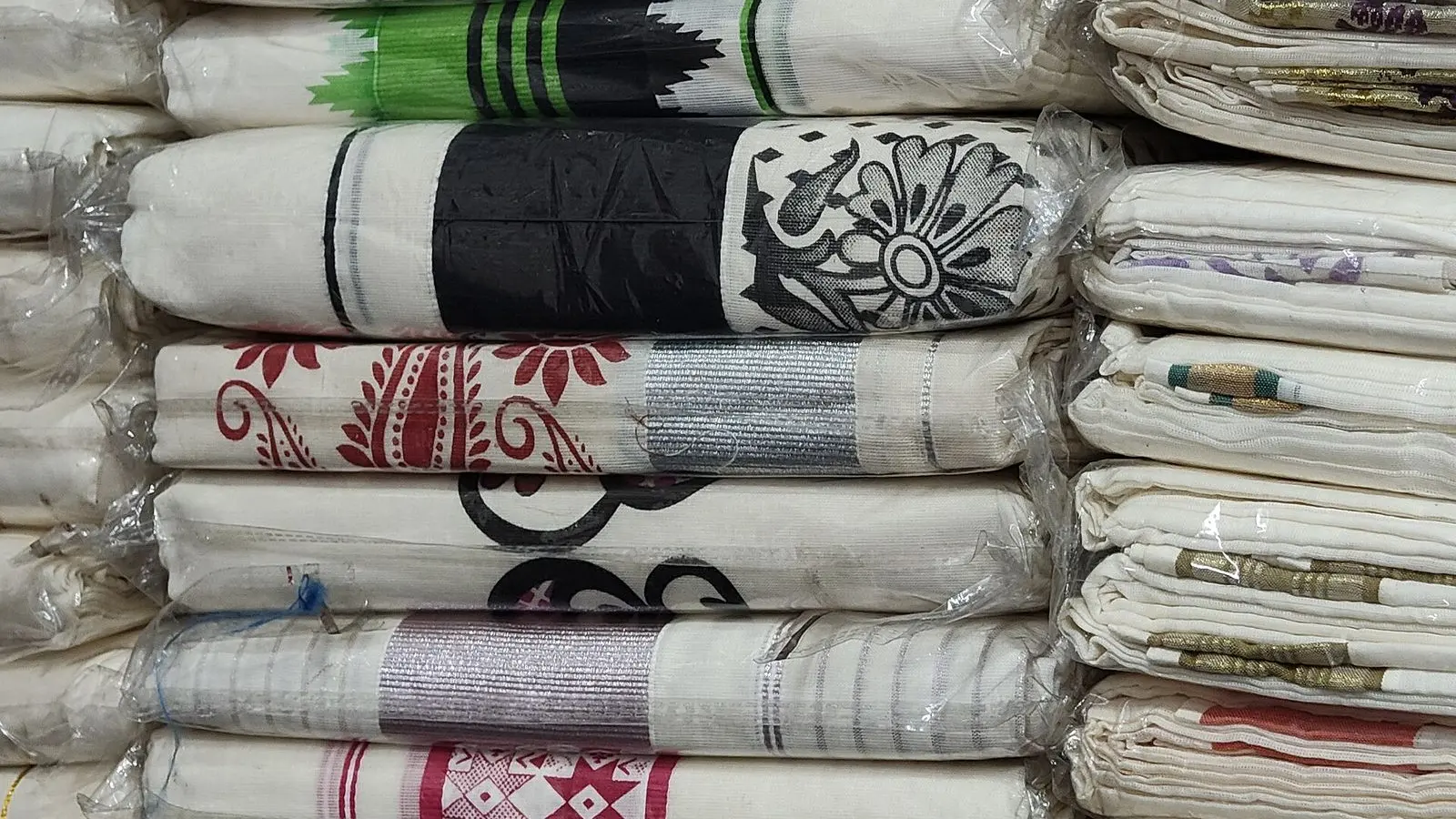
- Karkidakam, the monsoon month before: a capped test budget for creative and offers, and gift boxes photographed, so the winners are known before Chingam.
- The build, from the start of Chingam: spend raised in steps on proven ads, with stock and delivery promises checked weekly.
- The cut-off: a last-order date for every region, the latest day a parcel can be booked and still reach that region before Thiruvonam, after which Onam creative stops there.
- After the day: spend falls back to brand terms and spices, and the season waits for its returns before it is judged.
The date moves with the Malayalam calendar, so the phases are redrawn from each year’s calendar in spring. The marketplaces’ festive events and Diwali follow Onam within weeks, which is one more reason to cut back early and hold budget for them.
Marketplace ads follow the same phases. Budgets for kasavu on the fashion marketplaces and for gift boxes on Amazon and Flipkart are agreed during Karkidakam, and the way each marketplace bills for its ads is settled before Chingam begins.
What about Vishu, Christmas and the year-end?
Each gets a smaller line of its own, with budget held back and a last-order date. Vishu in April sells brass lamps, urulis and new clothes; Christmas and the year-end sell gift boxes, cake spices and spice assortments, including to businesses buying gifts in quantity.
- Vishu: Meta creative for the nilavilakku and the uruli, built in March, with the lamp shown lit.
- Christmas and the year-end: gift boxes and assortments on Meta and Shopping, with corporate enquiries sent to a form and counted as leads, not sales.
- Eid: dates rebuilt each year from the lunar calendar, for festive wear and gifting.
- The quieter months: spices and coir on search at steady budgets, with offers tested for the next peak.
Our page on selling festive gifts online covers gift boxes and sale planning across the year.
Can coir mats carry their own ads?
Some sizes can, once freight is counted. A coir mat’s margin depends on its shipping charge, which follows its packed size, so the plan sets a break-even line for each size and advertises only the sizes that clear it.
- Search and Shopping for plain mats and runners bought by size, with the dimensions in product titles and in the feed.
- Meta for printed and designed mats, shown at a real doorway, with shedding mentioned in the copy rather than discovered on delivery.
- Damage and returns counted against each campaign, since a returned mat costs freight again.
Our volumetric weight calculator shows how a mat’s packed size sets its shipping weight, and the targets are built on the same figures. Coir sells as a home furnishing; our page on how to sell home furnishings online covers the category.
What can spice and Ayurveda ads claim?
Only what the label can support and the law allows. Ad platforms review health claims closely, and a claim to treat or cure turns a spice or a herbal product into a drug claim, which needs an adviser’s check before anything runs.
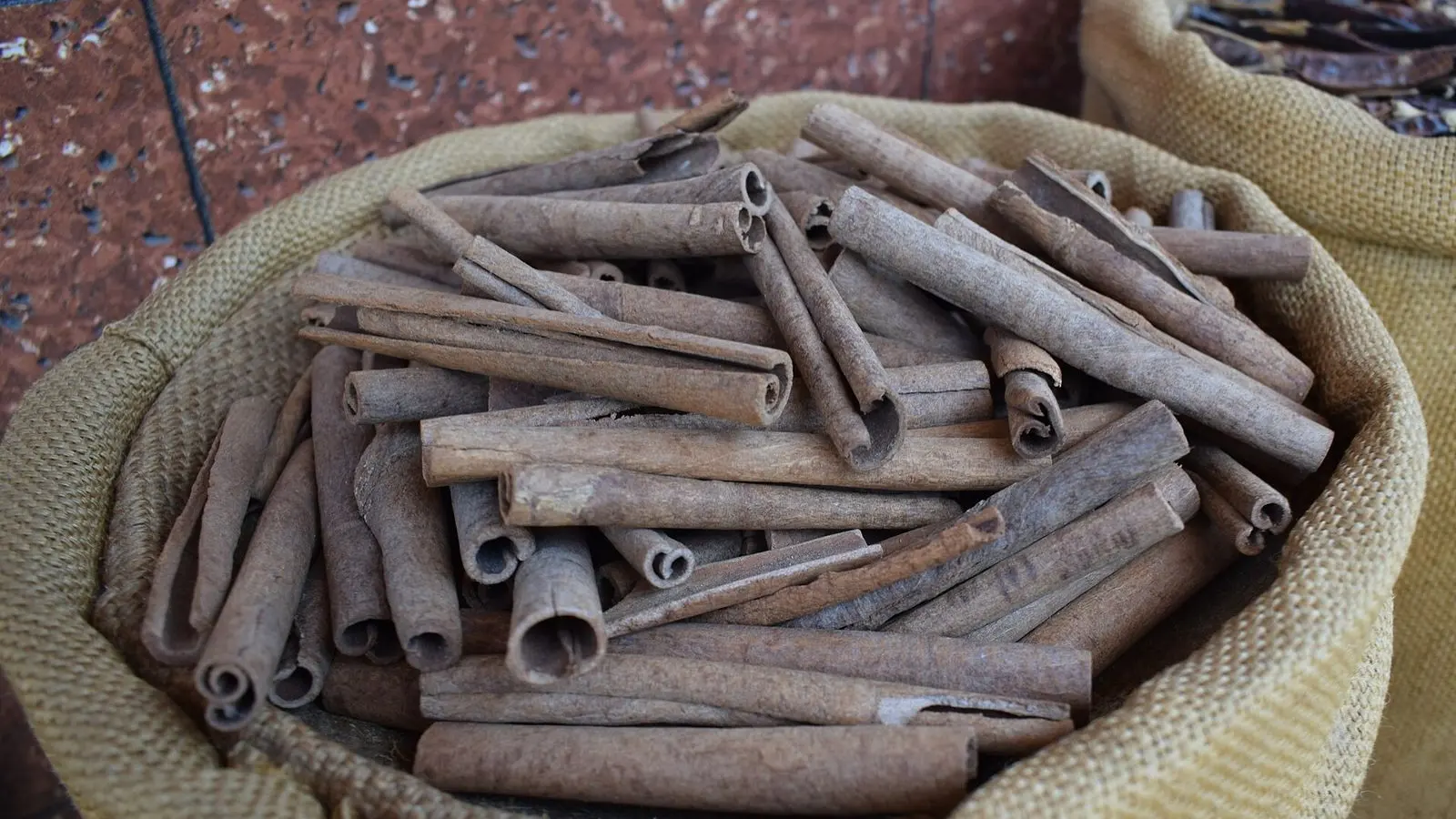
- Spices: aroma, origin, grade and freshness, shown rather than promised.
- Herbal kits and Ayurvedic products, such as the kanji kits many households buy in Karkidakam, described by what is in them and how they are used, with no promise of a health outcome.
- Organic: claimed only with certification behind it, because a rejected ad costs a test round.
The ASCI code applies to advertising in India alongside each platform’s own policies, and the test budget for these products allows for ads that are rejected in review and rewritten.
What stops spend on a Kochi product?
Rules agreed before launch, so a pause never has to be argued for in a busy week. A Kochi plan adds several that come from its products and its weather.
- A batch nearing its date: ads on that spice stop before the batch falls below the marketplace’s shelf-life limit.
- Damp complaints: a cluster of them on one product pauses its ads until the packing is fixed.
- The Onam cut-off: festival creative stops region by region on each last-order date.
- A handwoven piece sold: catalogue ads stop showing a saree that exists only once.
- Below break-even: a family under its line for the agreed review period is cut back, then paused.
Each stop is listed in the report for the week it happened, with the rule behind it. Spend comes back in steps, because a large jump can send automated bidding back into learning.
What does a Kochi brand’s weekly report show?
A single page that leads with contribution after ad spend and explains the week’s movement beneath it. In Onam weeks it adds the last-order dates still to come, region by region.
- Spend against each audience line: Kerala, Malayalis elsewhere, the rest of India.
- Results by product family, as the platforms report them and as reconciled with orders kept.
- Malayalam and English versions side by side, where both are running.
- Stops triggered, including batches taken out of ads.
- Gift and corporate enquiries received and won, kept apart from retail sales.
- Decisions needed from you before the next peak.
The Onam result is restated after the festival, once returns and damage claims are in, and that later figure, not the festival-week one, sets next year’s budget.
How performance marketing services in Kochi run remotely
On your numbers and read access to your accounts. We ask for cost sheets by product family, recent settlement reports, a store order export if you have a store, read access to the ad accounts, and the batch and stock plan for Onam.
What hurts a Kochi plan most is late news: a batch that will not be packed in time, a gift box redesigned, a coir size dropped. A named person who passes these on early keeps the plan honest.
The method in full is on our performance marketing services page, and campaigns run under our Meta Ads management. Our Kochi page covers the rest of our work in the city; to begin, send us your margins and your Onam plans.
From margin sheet to the Onam plan
Break-even lines by family
Spice packs, gift boxes, coir mats and handloom each given a line of their own, worked out after freight and returns.
Search and Shopping for spices
Campaigns for spices and coir bought by name, with origin terms used only where the product qualifies.
Meta campaigns for Onam
Onam, Vishu and year-end campaigns on Facebook and Instagram, with Malayalam and English versions read apart.
Ads on marketplace listings
Sponsored ads on spice and coir listings, paced against batch dates, stock and the margin after commission.
Gift boxes for the peaks
Onam and year-end gift boxes given their own budget line, stock plan and last-order dates.
What Kochi brands ask about ad spend
How much do performance marketing services cost in Kochi?
When should we start our Onam ad campaign?
Can we target Malayalis living outside Kerala?
Is it worth advertising spices online?
Can our ads say a spice is good for health?
How do you advertise coir mats when freight is so high?
Should we advertise Vishu and Christmas as well as Onam?
Do you plan Kochi budgets remotely?
Send us your margins and your Onam plans.
Tell us what you sell, where you sell it and what last Onam cost you in ads. We reply with the figures we need from you, and why, before any target is set.