Performance marketing for Agra footwear brands
Our performance marketing services in Agra set what each rupee of footwear ad spend must return after exchanges and refunds, and pace budgets by season, region and size. Planning and reporting run remotely from Gandhi Nagar, New Delhi.
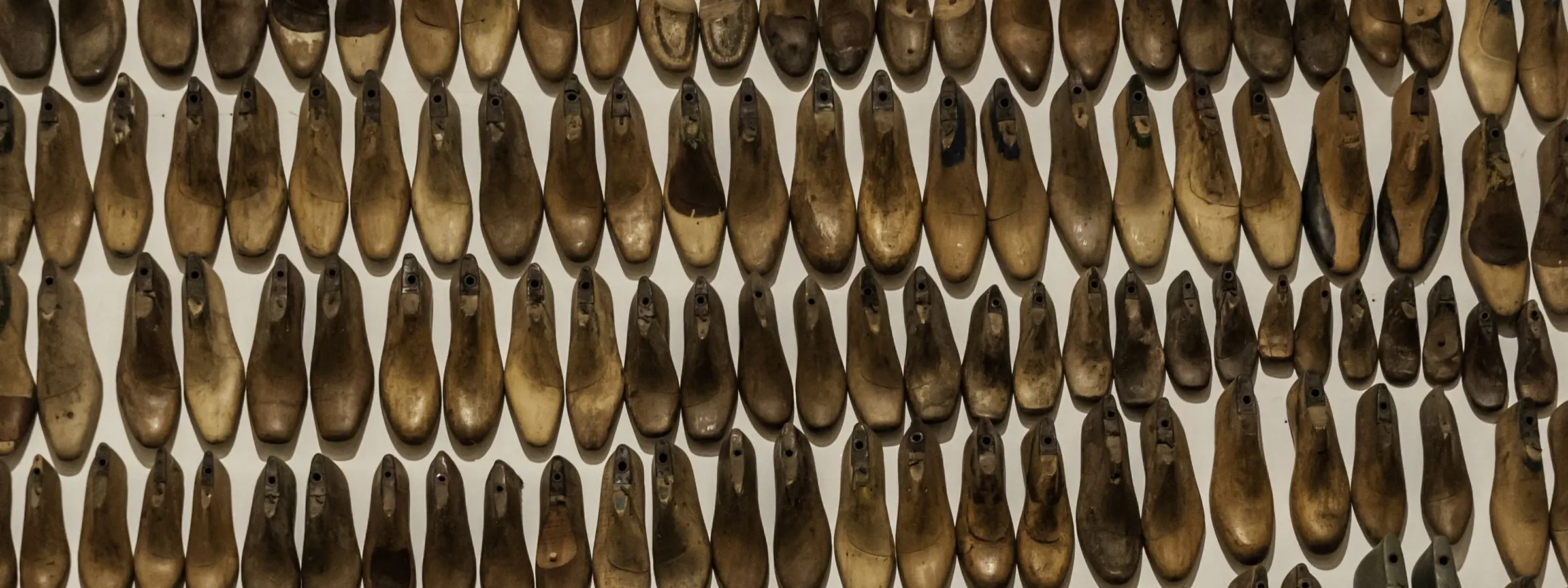
What an Agra footwear media plan holds
- Targets set from
- Margin per style family, after returns
- Stop rule
- Core sizes short, ads paused
- Regional lines
- Monsoon west and south, winter north
- Peak windows
- Wedding months, Diwali, school reopening
- Gift lines
- Stone inlay on its own budget
- Media spend
- Billed by the platforms directly
In short
- Performance marketing services in Agra plan footwear ad budgets from margin after returns, because a pair that comes back has paid for its ad twice.
- Targets should be set by style family, since formal shoes, sandals and school shoes return at different rates and carry different margins.
- Ads on a style should stop when its core sizes run short, or the budget buys clicks from buyers who cannot find their size.
- Footwear budgets follow regions: sandals and floaters in the west and south as the monsoon arrives, closed shoes and boots in the north for winter.
- We plan Agra budgets remotely from Gandhi Nagar, New Delhi; media spend is billed by the platforms, separately from our fee.
Our performance marketing services in Agra decide what footwear ad spend has to achieve before any of it is spent: a target for each style family, set from the margin a kept pair leaves, and budgets that move with the seasons and with sizes.
We run brands of our own as well, so the margin arithmetic on this page is one we do for ourselves before money moves. Campaigns run in your own accounts, and media spend is billed to you by the platforms.
Can footwear ads pay after returns?
They can, if the target is set on kept pairs. A shoe ad that wins an order which later comes back has paid for the click, the freight both ways and the handling, while the platform’s report still shows a sale.
So the margin model for an Agra brand starts with returns by style family: what share of formal shoes come back, of sandals, of school shoes, and for which reasons. Size returns, comfort returns and worn returns each cost something different.
From that comes break-even ROAS for each family, the point where an order pays for its ads and nothing more. ROAS, return on ad spend, is the revenue credited to ads divided by what the ads cost.
Illustration: a pair kept at ₹ 1,000 net of GST that leaves ₹ 300 after making cost, fees, freight and an allowance for returns can carry at most ₹ 300 of ads, so its break-even ROAS is about 3.3.
The target then sits above break-even by the profit you need. A brand selling wedding shoes at full price can live with a lower ROAS target than one discounting sandals, because the first keeps more of each kept pair.
Targets by style family, not by account
One target for the whole account starves the styles that earn and overfeeds the ones that do not. Formal leather shoes, sandals, school shoes and ethnic pairs carry different margins, return rates and seasons, so each gets a line of its own.
| Style family | What drives its returns | How the target is set |
|---|---|---|
| Formal leather shoes | Width, colour on screen | On kept pairs, exchange costs included |
| Sandals and floaters | Comfort, strap fit | On margin after fixed fees and freight |
| School shoes | A growing foot, the wrong size | On kept pairs in each reopening window |
| Juttis and wedding pairs | Fit, embellishment damage | On full-price pairs, wedding months only |
| Stone inlay gifts | Breakage in transit | On orders that arrive unbroken |
Above the families sits one number for the whole business, MER, the marketing efficiency ratio: all revenue divided by all marketing spend. If every family meets its target and MER still falls, two channels are claiming the same buyers.
Our performance marketing service explains how those measures fit together; for an Agra footwear brand, the families above are where the numbers start.
Size runs as stop rules
Ads on a style stop when its core sizes run short. The rule goes into the plan before launch, with the sizes that count as core for each style, so nobody argues for spend on a broken run in a busy week.

The plan gets a stock count by size every week from our marketplace account management in Agra.
When a refill lands, the style returns to the ads in steps, because large budget jumps can send automated bidding back into learning.
Colours follow the same logic. A tan formal shoe that sells out while black remains should not keep running the ad that shows tan, so the creative changes with the stock rather than after the complaints.
Seasons and regions in an Agra footwear plan
Agra’s pairs sell across India, and each season moves a different style family in a different region, so the budget is split by region as well as by month.
| Window | Style family | Where the budget goes |
|---|---|---|
| Monsoon arrival | Sandals, floaters, waterproof pairs | West and south first, then north |
| Autumn sale events | Formal and casual pairs | Across India |
| Wedding months | Formal shoes, juttis, heels | North India through the winter |
| Winter | Closed shoes, boots, loafers | The north and the hills |
| School reopening | School shoes | By board and state calendars |
Each window opens with light spend to earn early ratings, rises as demand builds, and closes before the season ends, when the last orders would arrive too late or sell only at clearance prices.
Spend outside a window is not wasted, only smaller: brand searches, retargeting of people who viewed a style, and marketplace ads on your own brand name keep running at a level the margin supports.
School reopening and the wedding months
Two windows in the Agra footwear year are short and predictable, and both are bought by someone other than the wearer. Parents buy school shoes; families buy wedding pairs. The ads are written for the buyer, not the wearer.
School shoes open a few weeks before each reopening and close once term starts, region by region, as boards and states reopen at different times. The creative answers a parent’s questions: size by age, grip, and whether a black shoe meets the school’s rules.
Wedding pairs, from formal shoes to juttis and embellished sandals, run through the north’s winter. The campaigns stop promising delivery for a date the handling time cannot meet, because a pair that arrives after the wedding comes back.
Sale events, and results judged twice
During the autumn sale events, bids rise, deals cut prices and every rupee of margin is contested. Each style enters an event only at a deal price that its margin survives, with the event’s fees and the returns that follow counted in.
Footwear results are then judged twice: when orders are placed, and when the return window has closed. A campaign strong in the first count can turn weak in the second, and the second count sets next season’s budget.
The weekly report shows both counts side by side, so a decision made in the middle of an event is never mistaken for a result.
Marketplace ads or your own store?
Both, measured honestly. Marketplace ads put a style in front of buyers already filtering by size and price, and they often convert better. Your own store keeps the commission, but every visitor has to be paid for or earned.
We compare the two on margin after returns, not on each platform’s own report. A Meta campaign that sends buyers to search for your brand on a marketplace looks weak in Meta’s dashboard and strong in your marketplace sales.
Store campaigns need clean tracking first: purchases counted once, at the right value, with exchanges handled so they do not count as new sales. Our conversion tracking setup covers that groundwork.
Retargeting, brand search and repeat buyers
Not every rupee chases a new buyer. Part of the budget follows people who viewed a style and left, part answers searches for your brand name, and part brings back buyers whose last pair fitted.
- Retargeting shows the style a buyer viewed, in the sizes still in stock, for a few days and no longer.
- Brand search protects your own name on Google and on the marketplaces, where it is cheap and converts well.
- Repeat buyers on your store hear about the new season’s styles on the same last, with messages sent only to those who agreed to them.
These lines usually return more than prospecting does, so the plan reports them apart; mixing them in would make finding new buyers look cheaper than it is.
Stone inlay gifts on a separate budget
Inlay coasters, boxes and plates follow gift dates rather than footwear seasons, so they get a budget line of their own. Campaigns open before Diwali and the wedding months, and results are judged on orders that arrive unbroken.
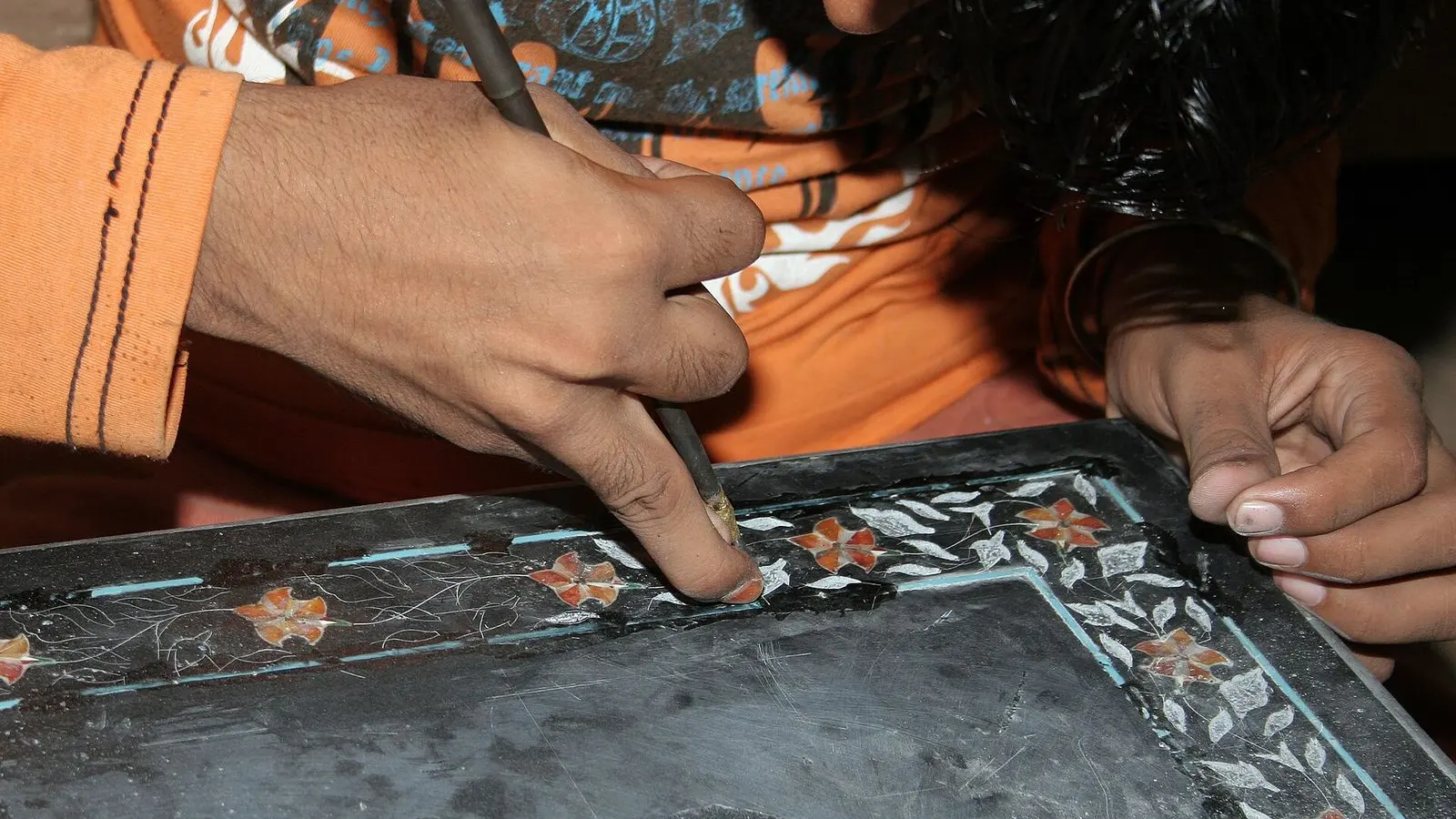
Corporate gift enquiries arrive through the same ads but behave differently: a company ordering boxed sets in quantity wants a quotation, not a checkout. They are tracked as leads and kept out of retail ROAS.
Inlay creative works hardest when it shows scale and craft together: a coaster in a hand, a close view of the joints, the box as it arrives. A stone inlay piece photographed alone on white tells a buyer little about its size.
Creative tests for Agra footwear
Each test answers one question, with a fixed budget and a written result: whether a shoe flexing in the hand beats a pair on a foot, whether a price-led opening beats a material-led one, whether Hindi beats English for your buyers.
Footwear video is worth testing for what a photograph cannot show: the sole bending, the heel from behind, the lining when the shoe is opened. Those angles are tested before anything is polished.
Search ads are matched to the language their text is written in, and Meta can be set to reach people by the language they use in its apps, so a Hindi test needs Hindi copy, not only a Hindi audience setting.
The weekly report, run from Gandhi Nagar
Every week you get one report: spend by channel, kept orders after exchanges and refunds, margin after ads for each style family, sizes running short, and every change we made with its reason. A short call goes through it.
Planning runs remotely from Gandhi Nagar, New Delhi, inside your ad and seller accounts with permissions you control. The monthly review resets targets for the next window, from monsoon sandals to wedding shoes.
Our fee carries GST at 18% on its own line. The rest of our work for the city is on our page about ecommerce services in Agra; to begin, send us your margins and seasons.
From margin sheet to weekly report
Targets per style family
Break-even and target ROAS for each style family, built from making cost, fees, freight and returns.
Google and Meta campaigns
Search, Shopping and Meta campaigns built and run in your accounts to the plan’s targets and stop rules.
Tracking you can trust
Purchases counted once, at the right value, with exchanges and refunds reconciled before targets are judged.
Marketplace accounts in step
Stock by size and sale-event offers kept in line with the ads, so spend never points at a broken run.
Footwear category know-how
Size charts, listings and returns for shoes, from sneakers to school pairs, on our footwear page.
Questions Agra brands ask about ad budgets
How much do performance marketing services cost for an Agra footwear brand?
What ROAS does a shoe brand need to break even?
Should I advertise shoes when some sizes are out of stock?
When should Agra brands advertise sandals and floaters?
Do Hindi ads work better for footwear?
Can you advertise our marble inlay gifts as well as shoes?
Should footwear ads send buyers to Amazon or to our own store?
How do you report results to an Agra brand owner?
Send us your footwear margins and seasons.
Share what each style costs to make, which styles come back most, and your current ad spend. We reply with questions first, then a draft plan for the next season.