Ecommerce websites for Panipat brands
Our ecommerce website development in Panipat builds Shopify and WooCommerce stores for blanket, rug and furnishing brands, with size options, freight worked out at checkout, swatch orders and enquiries from hotels. We build and maintain them remotely from Gandhi Nagar, New Delhi.
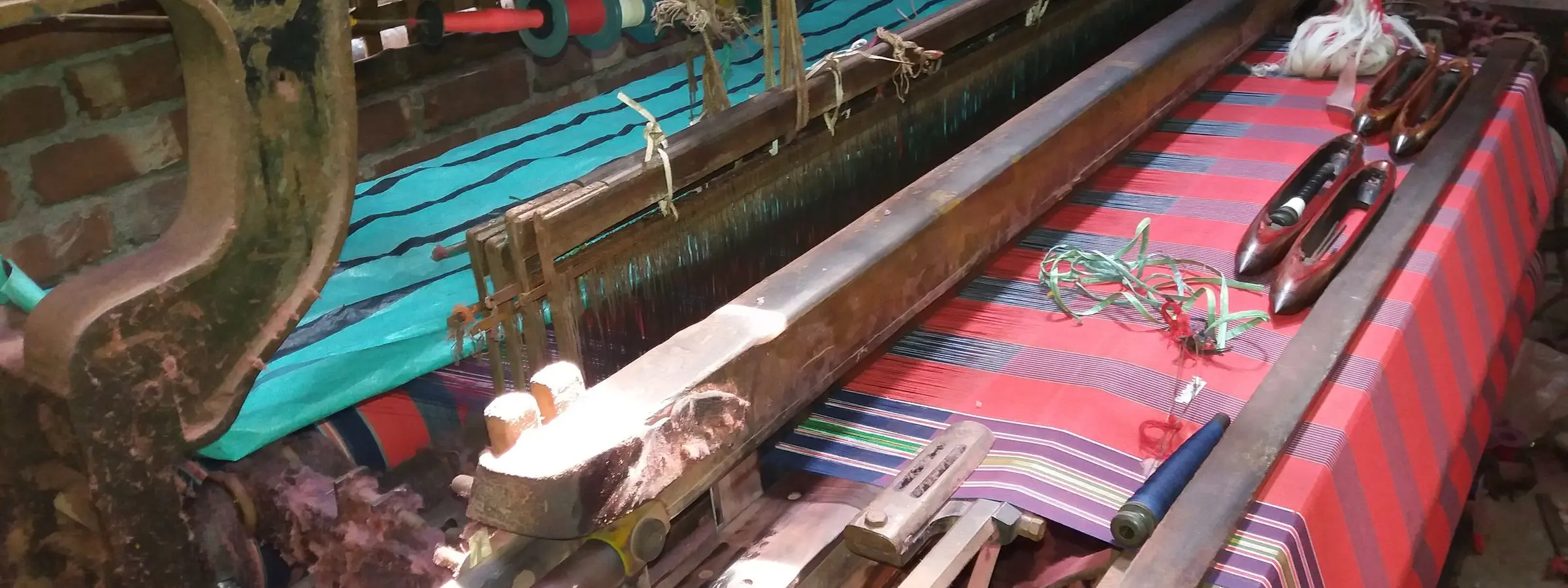
What a Panipat furnishing store must do
- Platforms
- Shopify or WooCommerce
- Products
- Blankets, rugs, durries, bedcovers, cushion covers
- At checkout
- Freight by parcel size and pincode
- For trade buyers
- Quote requests, samples and GST invoices
- Search words
- Razai, dohar, dari, kambal, typed in English
- Built from
- Gandhi Nagar, New Delhi, remotely
In short
- Ecommerce website development in Panipat usually means a store that sells bulky furnishings by size, with freight worked out before the buyer pays.
- Rug and blanket stores need size options with prices that change by size, and swatch orders for buyers who want to see the colour first.
- Hotels and interior designers want a quotation, a sample and a GST invoice, so a trade enquiry form suits them better than a cart.
- Search on a Panipat store should understand Hindi words typed in English letters, such as razai, dohar, dari and kambal.
- We build Panipat stores remotely from Gandhi Nagar, New Delhi; packing and shipping stay with the brand or its shipping partner.
Ecommerce website development in Panipat has a problem most stores never face: the products are large, heavy and sold by size. We build Shopify and WooCommerce stores that price each size, show freight before payment and take trade enquiries, from Gandhi Nagar, New Delhi.
Your business owns the store, the domain and the payment gateway. We build, connect and maintain the store; your team or shipping partner packs and ships every order. We run brands of our own as well.
Does a Panipat brand need its own store?
It needs one when it has designs worth browsing as a range, buyers who come back each winter, or trade customers who order in quantity. Without one of those, the marketplaces find buyers more cheaply, and we say so before quoting for a build.
- Design-led ranges of rugs, throws and bedcovers, which a marketplace page cannot show as a collection.
- Repeat winter buyers, who come back for the same blanket in another colour or for the family.
- Custom sizes of rugs and durries, which need a form and a conversation.
- Trade customers, such as hotels, guest houses and interior designers, who want a quotation rather than a cart.
A Panipat brand with a store usually keeps selling on the marketplaces too: the store holds the full range and the trade buyers, and the marketplaces bring new buyers in. Our page on ecommerce services in Panipat covers that side.
Size options and prices for rugs and blankets
Each product carries its sizes as options, with the price changing as the buyer chooses and the dimensions stated beside each size in centimetres and inches. A rug buyer chooses by room, so a short size guide next to the options saves a call.
- Blankets. Single and double, each with its weight, so the buyer can compare warmth across sizes.
- Rugs and durries. Standard sizes as options, and a custom size through a form with limits and a price that follows the area.
- Sets. Bedcover sets with the pillow covers counted, and cushion covers sold in packs.
Custom sizes are prepaid, confirmed by phone or WhatsApp before weaving starts, and stated as non-returnable before payment where that is your policy. The making time sits on the product page and in the order confirmation, so both dates match.
Freight at checkout for bulky parcels
Show freight before the buyer pays. Bulky rugs and blankets cost more to ship than their weight suggests, and a large freight charge that appears only at the last step loses the sale or the margin.
- By parcel size. Rates set by size band or worked out live by your shipping app, from each product’s packed dimensions.
- By pincode. Areas your shipping partner serves well, and areas where large parcels are slow or not accepted.
- Free-shipping lines set above a threshold the margin can carry, never across the whole range.
- Combined orders. Rules for a rug and a cushion set in one order, so freight is not charged twice.
Every product needs its packed dimensions in the catalogue for this to work, and our volumetric weight calculator shows how each carton will be billed. We test the store’s rates against your shipping partner’s own quotes before launch.
Large parcels may not reach every pincode quickly, so the store should say where delivery takes longer, and stop offering a delivery date it cannot keep.
Swatch orders that lead to sales
Swatches answer the question a photograph cannot: how the colour looks against a buyer’s own wall and floor. Sell a swatch pack as its own product, and credit its price against the rug or bedcover order that follows.
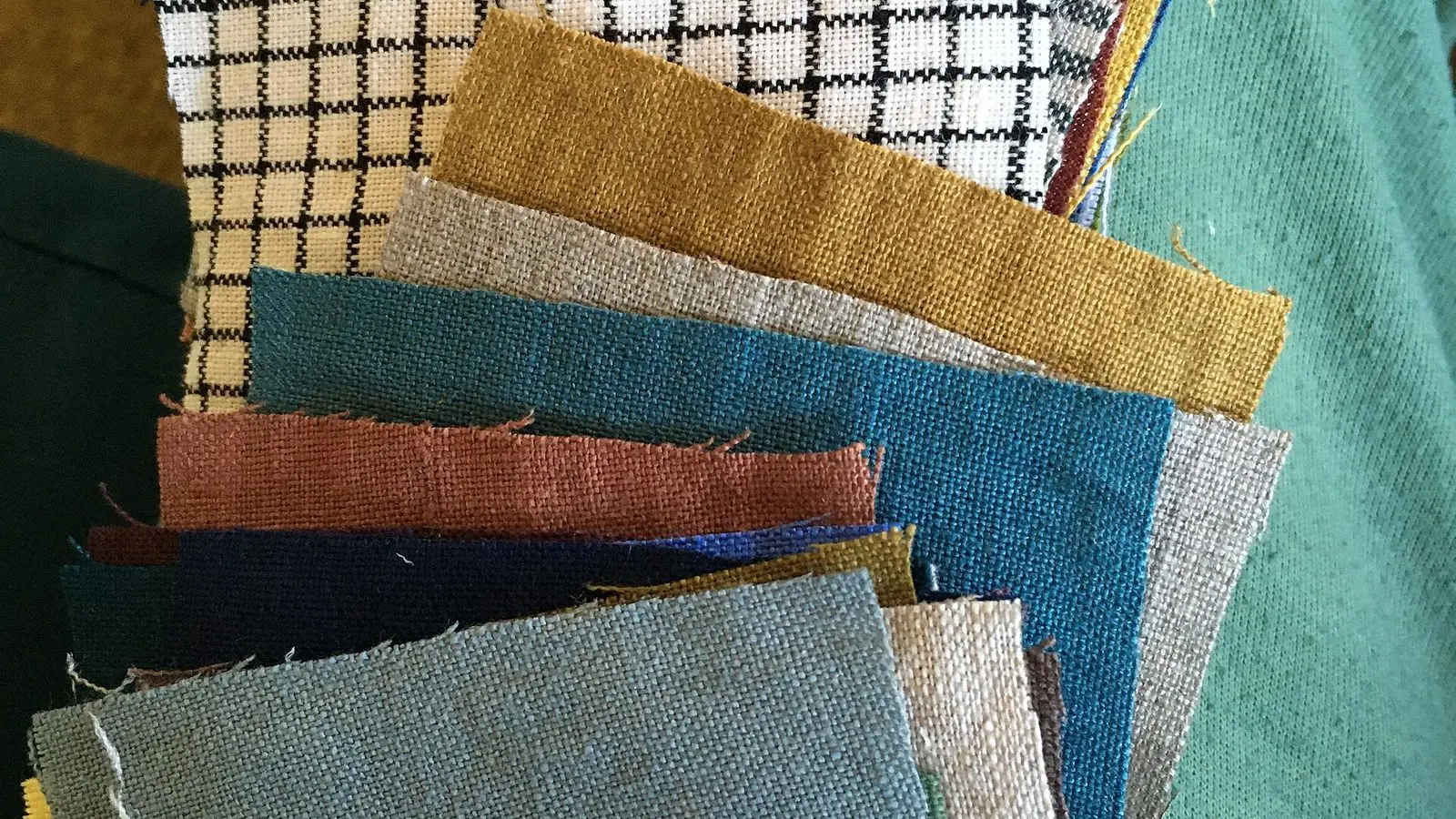
A swatch order shows who is close to buying. The store can follow up a few days after the swatches arrive, with buyers who agreed to hear from you, and our conversion tracking setup can count the swatch as a step of its own.
Product pages that prevent returns
A furnishing product page has to carry the facts a shopper would check by hand: exact size, weight, fibre, method, cleaning and what is in the pack. A store of your own has room for all of it.
- A weight comparison across the blanket range, so a buyer can see which is warmest without opening every page.
- Room photographs beside the plain ones: the rug under a sofa, the bedcover on a made bed, the durrie on a real floor.
- Zoom on the weave, so the texture, the knots or the tufting can be inspected closely.
- Reviews with photographs from buyers, asked for after delivery, which show colour in real homes.
Product data comes from the same records as your marketplace listings, built once by our product listing services and rewritten for the store, where there is more room.
Quotes for hotels, guest houses and designers
Trade buyers should not go through the consumer checkout. A trade enquiry form asks for quantities, sizes, colours and the delivery city, and your team replies with a quotation and a sample. The order is then invoiced with the buyer’s GSTIN for input tax credit.
- A trade page with the ranges you supply in quantity, care notes for laundries, and the documents buyers ask for.
- Sample requests handled as their own step, with the sample recorded against the enquiry.
- Trade logins for repeat buyers, with their prices and reorders ready, once the relationship is settled.
On WooCommerce this runs on enquiry and wholesale extensions, on hosting you control; on Shopify, through its B2B features or an enquiry app, depending on your plan. Our WooCommerce development page covers the first route in detail.
Search that understands razai, dohar and dari
Store search should find a product by the words buyers use, and many buyers type Hindi words in English letters: razai for a quilt, dohar for a light quilt, dari for a durrie, kambal for a blanket. Each should lead to the right collection.
Add the variant spellings buyers type, durrie, dhurrie and dari among them, and test the search with each before launch. A search that returns nothing loses the buyer at the moment they asked for something.
If your buyers read Hindi, the size guide, care notes and winter collection pages are the ones worth translating first. Shopify can publish added languages on their own web addresses; WordPress stores use a translation plugin.
Telling the recycled-yarn story on the store
A store has room for what a marketplace listing cannot hold: how the yarn is made, what it is blended with, and how the piece is woven. Tell it with your spinner’s and weaver’s documents behind it, in plain words, without claims you cannot show.
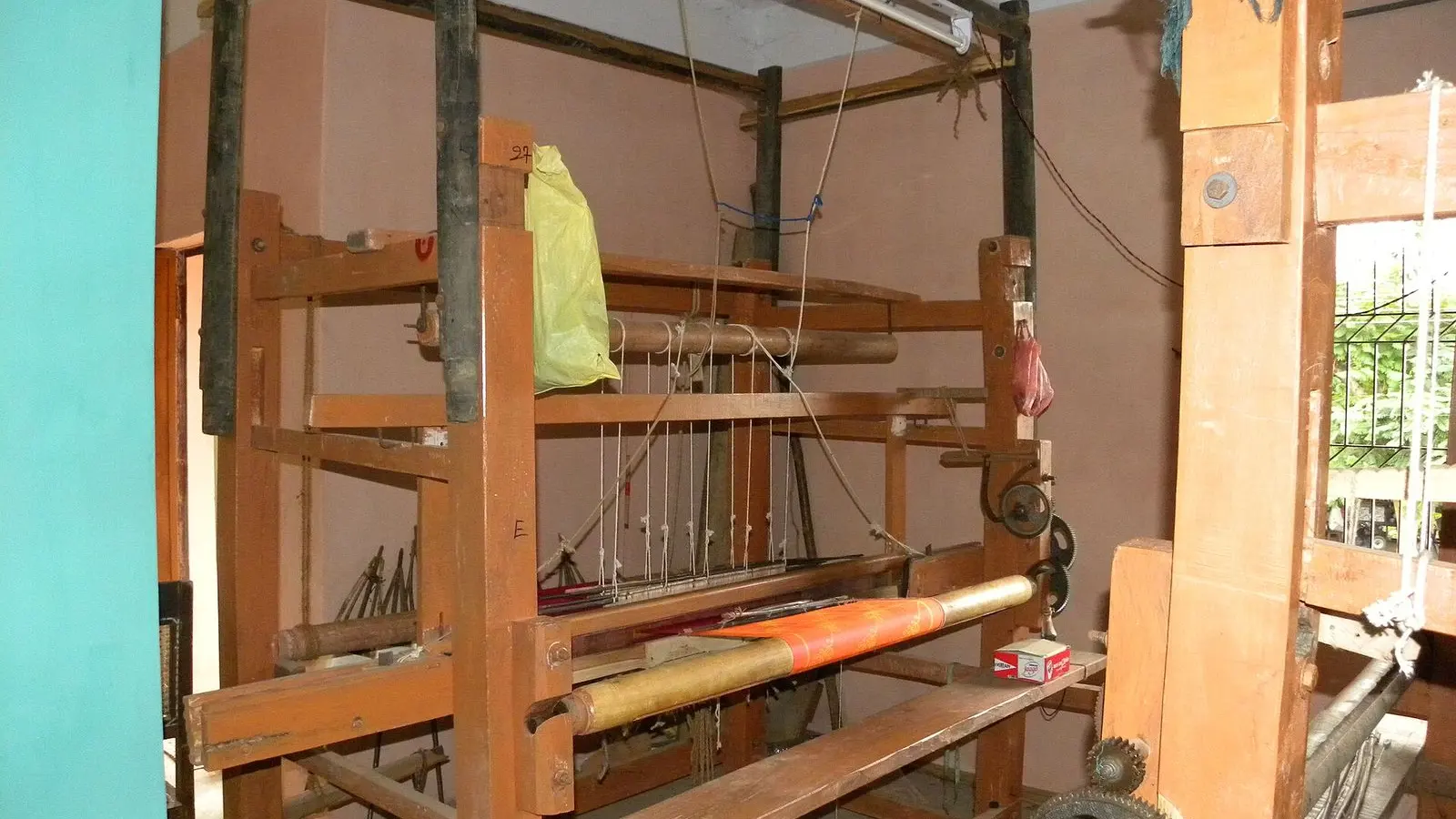
- What the yarn is. Spun from textile waste, with the blend named for each product.
- How it is woven. Handloom or powerloom, said plainly on every product page.
- What you can show. The documents behind each claim, kept on file for any buyer or platform that asks.
Broad words such as eco-friendly invite questions the page cannot answer. India’s consumer protection authority has issued guidelines on environmental claims, so specific, provable statements are safer than slogans.
Winter collections and returning buyers
A Panipat store earns from buyers who come back, and winter brings them back. The winter collection should be live, photographed and tested before the first cold, with messages ready for last year’s buyers who agreed to hear from you.
- Back-in-stock alerts by size, so a sold-out double blanket does not lose the buyer.
- Gift sets of blankets and bedcovers for the wedding months, with the packaging photographed.
- A summer range of cotton durries and light blankets, so the store does not go quiet after winter.
Messages go only to buyers who agreed to receive them, by email or WhatsApp through the provider you choose, and each one carries a way to stop them.
Payments and cash on delivery for bulky orders
Make prepaid the easy path. A refused cash-on-delivery rug costs freight both ways, so the checkout leads with UPI and cards, and cash on delivery comes with limits.
- A value cap above which cash on delivery is off, set lower for the heaviest pieces.
- A confirmation message before each cash order is packed.
- Card EMI through the payment gateway for costly rugs, where the gateway offers it.
- Prepaid only for custom sizes and trade orders.
Every order produces a GST invoice with your GSTIN and the HSN code your accountant confirms; a business registered in Haryana charges CGST and SGST within the state and IGST on orders to other states.
How a Panipat store build runs
The build runs in the platform admin, a staging copy and shared documents, with a call at each decision. Nobody needs to travel for the build itself; if a physical sample review would help, confirm the arrangements with us before sending anything.
- Scope. Platform, collections, size options, freight rules, trade enquiries and anything moving from an old site.
- Catalogue. Sizes, weights, packed dimensions, blends and photographs for every product.
- Build and test. On staging, with orders placed through every payment method and freight checked by pincode.
- Launch and upkeep. Live well before winter, then monthly updates, backups and a short report.
From you we need the range with sizes, weights, blends and packed dimensions, photographs to the shot list we send, policy text from you or your adviser, gateway documents, and one person who signs off designs, test orders and the launch.
Our D2C storefronts page describes the service in full. When you know what the store must sell, tell us about your range and your trade buyers.
Stores built around bulky furnishings
Shopify stores
Shopify builds with size options, rug and blanket collections, and shipping rates set by parcel size.
WooCommerce stores
WordPress stores with quote requests for trade buyers and freight rules you control, looked after monthly.
Swatches and samples
Swatch packs sold as products and credited against the order that follows, for rugs and bedcovers.
Marketplace stock in step
Store and marketplace stock kept in one count, so a winter rush never oversells a size.
Tracking from day one
GA4, Tag Manager, Meta Pixel and Conversions API set up before launch, so each sale is counted once.
Questions Panipat brands ask about stores
How much does ecommerce website development cost in Panipat?
Can my store charge freight by the size of the parcel?
Is cash on delivery a good idea for rugs?
Can buyers order a rug in a custom size from my website?
Can hotels order blankets and bath mats from my store?
Can my store’s search understand razai and dohar?
Can the store tell our recycled-yarn story?
When should a Panipat store go live before winter?
Tell us what your Panipat store must sell.
Send your range, your sizes and how your trade buyers order today. We reply with the questions that decide the platform, then a written scope.