Ecommerce website development in Pune
Our ecommerce website development in Pune builds Shopify and WooCommerce stores for founder-led brands, or takes over the store a founder built alone. We work remotely from Gandhi Nagar, New Delhi, and plan each store around Ganeshotsav, Diwali and the school year.
What a Pune store has to handle
- Platforms
- Shopify or WooCommerce, chosen on upkeep
- Festival collections
- Ganeshotsav, Gudi Padwa, Diwali and Sankranti
- Language to add
- Marathi pages beside English, where buyers read it
- Address fields
- Room, landmark and phone for shared housing
- Checkout
- UPI, cards and wallets; COD with rules
- Run from
- Gandhi Nagar, New Delhi, through admin access
In short
- Ecommerce website development for a Pune brand often starts with repair: a founder-built store slowed by apps, duplicated tracking and loose cash-on-delivery rules.
- Festival collections for Ganeshotsav, Gudi Padwa and Diwali should be built weeks ahead, with an order-by date shown on each product page.
- A Shopify store can publish a Marathi version of chosen pages, which suits festival collections when buyers read Marathi; English stays the default language.
- Orders to hostels, paying-guest rooms and shared flats need room, landmark and phone fields at checkout, because incomplete addresses become returns to origin.
- We build and maintain Pune stores remotely from Gandhi Nagar, New Delhi; orders are packed and shipped by the brand or its shipping partner.
Our ecommerce website development in Pune builds Shopify and WooCommerce stores for founder-led brands, and repairs the ones founders built alone. We work from Gandhi Nagar, New Delhi, through admin access, staging copies and calls, so no one needs to travel.
We run brands of our own as well, so we judge a store as a seller would: by orders taken, invoices that reconcile and pages that load quickly on a phone.
Why Pune founders rebuild their first store
Many Pune brands launched on a store the founder set up over a few weekends: a free theme, a handful of apps and a payment gateway. It took the first orders. The trouble starts when ad spend rises and the store has to carry it.
The usual faults are not dramatic. Product pages slowed by apps nobody uses, a purchase event that fires twice, cash-on-delivery orders accepted from any pincode, and invoices missing HSN codes. Each costs a little; together they decide whether paid traffic can pay.
We read a founder-built store before quoting, because repair is often cheaper than a rebuild. Every app, script and theme edit goes on a list with its cost and purpose; what earns its place stays, and the rest comes out on a staging copy first.
Founders from software sometimes wrote custom code into the first store, such as a bundle builder or a subscription rule. We document it, keep it if it works, and make sure the store no longer depends on one person remembering how it was built.
The aim of a repair is narrow and measurable: a store that loads quickly on a phone, records each sale once, and declines the orders most likely to come back. Our D2C storefront service lists everything a finished store includes.
Shopify or WooCommerce for a Pune brand?
Choose on who will look after the store once the founder stops touching it. If nobody will, Shopify carries hosting, security and platform updates for a monthly plan. If custom code is part of how you sell, WooCommerce keeps it, provided someone maintains it.
Pune’s usual categories point both ways. A skincare brand selling refills on subscription can run well on Shopify with a subscription app. A stationery brand whose buyers assemble school kits item by item may need WooCommerce, or a Shopify app that does the same job.
Fitness and trekking gear needs neither in particular, but it does need product templates with room for size charts, weights, materials and assembly notes. Both platforms handle that once the template is built for it.
Repeat purchase is what makes a store pay in personal care, so reorder reminders and subscriptions belong in the first build, not a later one. Our page on selling personal care products online covers the labelling and claims those products carry.
Our pages on Shopify development and WooCommerce development set out the work on each platform, and our guide to Shopify vs WooCommerce in India compares their running costs.
Festival collections built before the rush
A Pune store needs its festival collections built before the marketplaces fill with festival listings, not in the week of the festival. Ganeshotsav, Diwali, Gudi Padwa and Sankranti each need a collection page, an order-by date and stock rules ready to switch on.

We build each collection on the live store but hidden, test it with real orders, and publish it on a date you approve. Your ads then have a finished page to point at from their first day.
- Ganeshotsav. Makhar frames, lights, puja items, kurtas, nauvari sarees and modak moulds, with an order-by date for delivery before Chaturthi on each product page.
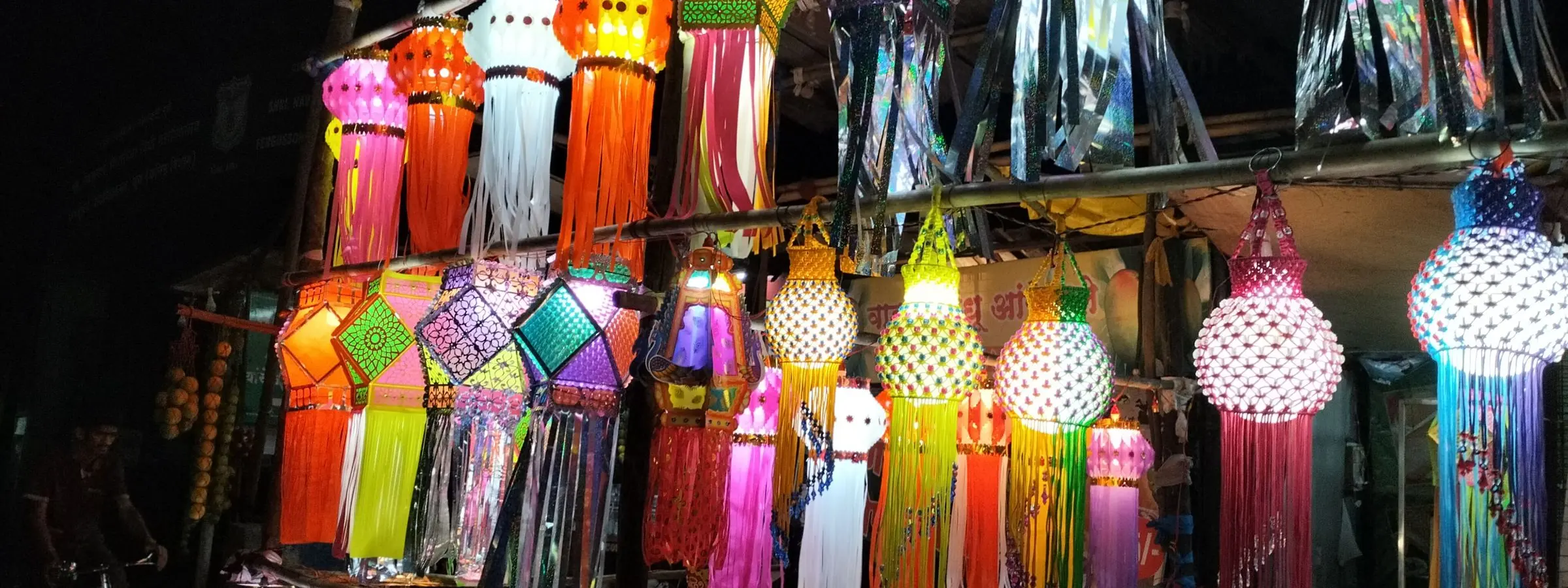
- Diwali. Akash kandils, diyas, festive wear and gift sets, with gift messages and wrapping offered at checkout where you provide them.
- Gudi Padwa. Clothes and home goods for an auspicious purchase, with stock and offers live the evening before.
- Sankranti. Black children’s wear and small vaan gift packs, with the pack quantity stated on every product.
When a decoration can no longer arrive in time, its page switches to a short notice rather than taking an order that will come back. Gift and festive-wear pages stay open, because they still sell through the ten days.
Diwali also brings office orders for diaries and planners. A simple enquiry form for bulk orders, with a field for the buyer’s GSTIN, keeps those conversations off a personal phone and on a proper GST invoice.
When a Pune store should add Marathi
Add Marathi where the occasion is Maharashtrian and your buyers read it: festival collections, the home page banner during Ganeshotsav and Gudi Padwa, and the page explaining delivery dates.
Keep English as the default. Many Pune shoppers work in English, and students from other states may read no Marathi at all, so a language switcher serves both without narrowing either.
Shopify can publish a store in more than one language, with a switcher for the visitor; WooCommerce does the same through a translation plugin. Either way, each Marathi page is a page to maintain, so we add only those that earn it.
Marathi is written in Devanagari, so the store needs a font that carries those characters in the weights the design uses, and no more. Extra font files slow every page, the English ones included.
Product data stays in one language underneath, with Marathi on the page layer, so the feeds that Google Shopping and the Meta catalogue read stay clean. Have every Marathi line written or checked by a fluent speaker on your side.
Checkout and addresses for Pune buyers
Set checkout up for how Pune buyers live: many receive parcels at hostels, paying-guest rooms and shared flats near campuses and IT parks. Address fields asking for a room number, a landmark and a reachable phone stop many returns to origin before they start.

- Payment methods. UPI, cards, net banking and wallets through a gateway contracted in your name, each tested with a real order on more than one phone.
- Cash on delivery with rules. An order value cap, a confirmation message before the order is released, and pincodes switched off where refusals cluster.
- A reason to prepay. A small prepaid incentive, if your margin allows, shown at checkout rather than buried in the terms.
- Delivery estimates by pincode. A pincode check on the product page, with longer estimates through the monsoon months.
Every order then produces a GST invoice your accountant has approved, and every return a credit note. Packing and shipping stay with your own staff or shipping partner; the store hands them the order and receives the tracking number back.
Speed and tracking before the first campaign
A Pune store should be quick on a phone and count every sale once before a rupee goes on ads. Founder-built stores usually fail the first test through apps and oversized images, and the second through purchase events added twice.
We measure against Core Web Vitals, Google’s measures of loading, responsiveness and layout stability, on a phone rather than a desktop. Images are resized, unused apps removed, and scripts that load ahead of the content moved behind it.
Tracking goes in during the build and is checked with test orders, so the first campaign starts from clean numbers. Our tracking and attribution service then reconciles the platforms’ figures against your orders every week.
A year of upkeep on a Pune store
Under an upkeep level, the store’s year follows Pune’s. Heavy changes go into the quiet months, and the weeks before each festival are kept for collections, offers and checks rather than new features.
| When | Store work |
|---|---|
| January and February | Theme and app updates, a speed review, exam-season stationery pages |
| March and April | Gudi Padwa collection, CBSE back-to-school bundles |
| May and June | State board school kits, monsoon delivery estimates switched on |
| July and August | Ganeshotsav collection built hidden, tested with real orders, then published |
| September and October | Navratri and Diwali collections, gift messages, the bulk enquiry form checked |
| November and December | Change freeze lifted, Sankranti packs added, the year’s app review |
The change freeze before Ganeshotsav and Diwali is deliberate. Updates wait until the festival has passed, so a theme or app release cannot break checkout in the weeks when a broken page costs the most.
The app review at the end of the year asks one question of every installed app: did it earn its monthly charge and its weight on the page? Anything that did not is removed before the next season begins.
How a Pune store build runs from Delhi
The build runs remotely from Gandhi Nagar, New Delhi, in the platform admin, a staging copy and shared documents. Decisions are made on calls, and you see each stage on your own phone before it goes live.
- Read. Your current store or marketplace listings, your catalogue sheet, and the apps and accounts you already pay for.
- Scope. Platform, pages, payment methods, integrations, languages and the festival collections the first year needs, agreed in writing.
- Build and test. On a staging copy, with test orders through every payment method and an invoice checked by your accountant.
- Launch away from a peak. Not in the fortnight before Ganeshotsav or Diwali, when a broken checkout costs the most.
- Upkeep. Updates, backups, speed checks and new collections each month, if you choose an upkeep level.
Founders who want to keep part of the work can. You might keep the theme and the content while we keep apps, updates and invoices; the split is written into the scope, so nothing falls between us.
If you also sell on Amazon and Flipkart, our page on marketplace account management in Pune covers running those panels beside the store. Our page on ecommerce services in Pune shows the rest of what we run for the city.
Our fee carries GST at 18% on its own line; platform plans, apps and gateway charges are billed to you by their providers. To start, send us your store link and catalogue size.
Store work for Pune brands
Shopify builds and repairs
New Shopify stores, or founder-built ones cleaned up: apps audited, theme updated, checkout and invoices tested with real orders.
WooCommerce upkeep
Self-hosted stores taken over with their custom code documented, updates tested on staging and backups you can restore.
Festival collections
Ganeshotsav, Gudi Padwa and Diwali collections built ahead, with order-by dates and stock rules on every product.
Tracking from the build
GA4, Tag Manager, Meta Pixel and Conversions API installed while the store is built, then checked against real orders.
Traffic for the store
Google and Meta campaigns that send Pune and national buyers to the store, run against your margin.
Questions Pune brands ask about their store
How much does ecommerce website development cost in Pune?
Should my Pune brand use Shopify or WooCommerce?
Can you fix the Shopify store I built myself?
Can my online store be in Marathi?
Should I offer cash on delivery to students in Pune?
When should I build my Ganeshotsav collection?
Do you pack and ship orders for Pune brands?
Can you build my store without meeting in Pune?
More of our work in this city
Tell us about your Pune store.
Send the store link if you have one, your catalogue size and where else you sell. We reply with the questions that decide the platform, then a written scope and quote.