Ecommerce website development in Mumbai
We offer ecommerce website development in Mumbai remotely, from our office in Gandhi Nagar, New Delhi, building Shopify and WooCommerce stores for the city’s labels, beauty brands and celebrity-led launches. Design reviews, test orders and launch rehearsals run on shared screens.
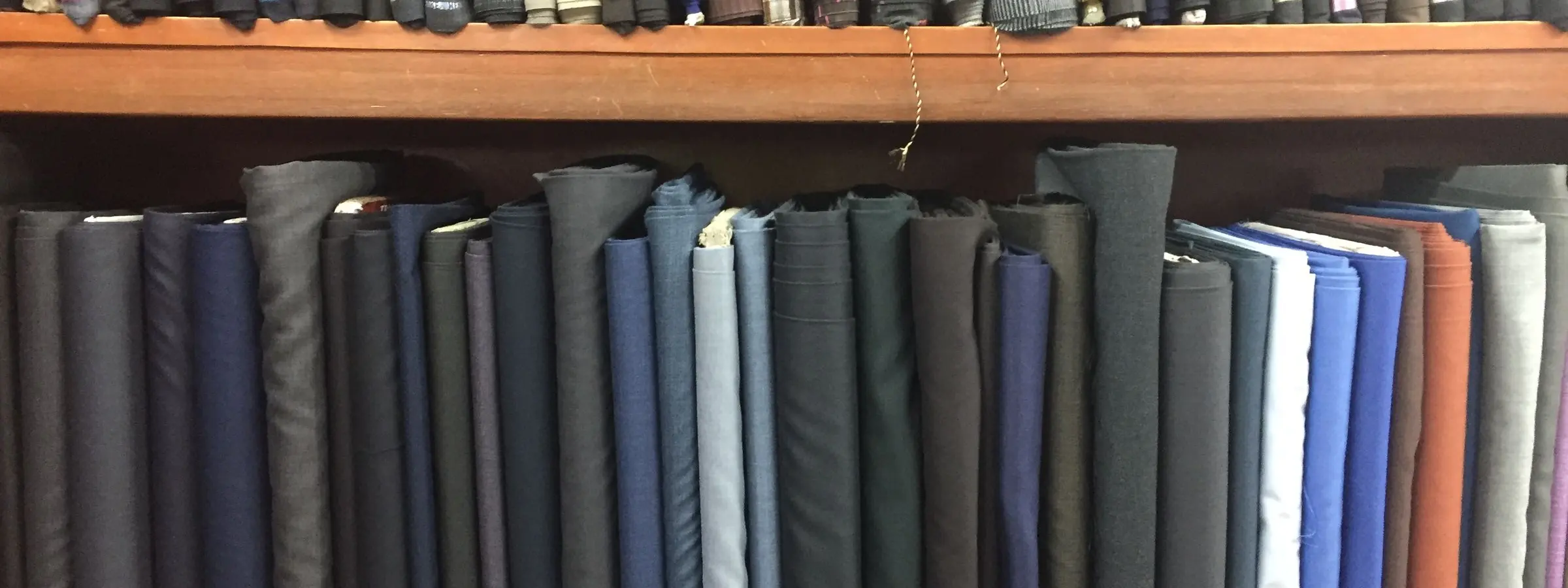
What a Mumbai store has to handle
- How we work
- Remotely, from Gandhi Nagar, New Delhi
- Platforms
- Shopify or WooCommerce
- Launch traffic
- Tested before the announcement goes out
- Designer wear
- Measurement forms, making times, prepaid only
- Beauty pages
- Ingredients, net quantity, maker’s details
- Quiet months to migrate
- January to February, or May
In short
- Ecommerce website development in Mumbai means building a Shopify or WooCommerce store for the city’s designer labels, beauty brands and celebrity-led launches.
- A celebrity-led launch needs a store that holds under a sudden spike: Shopify carries the hosting, while a WooCommerce store depends on its own hosting.
- Made-to-order designer wear needs a measurement form, a making time and full payment at checkout, since a piece cut for one buyer suits nobody else.
- A beauty product page carries the ingredients, net quantity, maker’s details and directions, matching the label and every marketplace listing of the same product.
- Kavita Enterprises builds Mumbai stores remotely from Gandhi Nagar, New Delhi, through the platform admin, a staging copy and video calls; brands ship orders themselves.
Ecommerce website development in Mumbai is shaped by three kinds of brand: designer labels selling made-to-order pieces, beauty brands whose pages must match their labels, and celebrity launches that bring a crowd in an hour. We build stores for all three, remotely.
We work from one office, in Gandhi Nagar, New Delhi, and a store does not need one in Mumbai. The build lives in the platform admin and a staging copy; designs are reviewed on video calls, and the launch is rehearsed on shared screens.
Product photographs come from your own shoot. We send the image sizes and crops each template needs before the shoot is booked, so nothing has to be cropped badly or reshot after it.
Will a Mumbai store survive a celebrity launch?
It will if the platform, the stock and the checkout are tested before the announcement. A famous name can send more visitors in an hour than a young store sees in a month, and every failure in that hour sends a buyer to a lookalike.
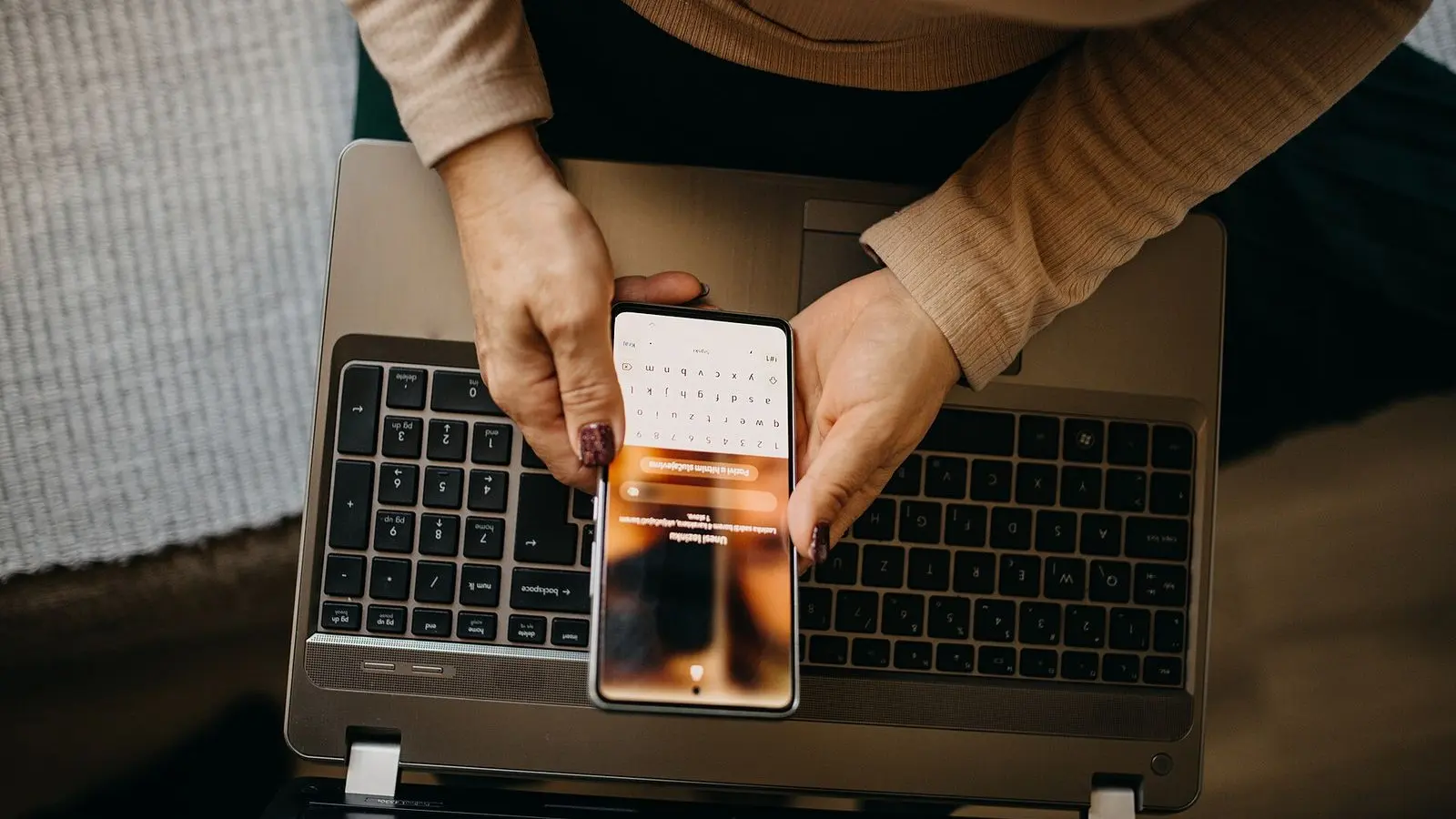
The platform decides who carries the load. On Shopify, hosting and checkout run on the platform’s own infrastructure; on WooCommerce, your hosting carries them, so a launch store on WooCommerce needs hosting sized for the spike and a load test on a staging copy.
The rest is ours to prepare: page weight cut so the store loads on a crowded mobile network, every payment method tested on several phones, and stock set by size so a size stops selling the moment it is gone.
After the first hour, the work turns to the orders: confirmations sent, cash-on-delivery orders checked before release, and early return requests read for size, since buyers caught up in a launch often order on impulse and send the size back.
Before the post, a waitlist page can collect the phone numbers and emails of people who want to hear first, with their consent. On the day, the link in the post should open the launch collection, not the home page.
What does a Mumbai designer label’s store need?
Room to sell slowly. A designer piece is chosen over days, so its page needs close video of the embroidery, the fabric and lining named, the weight of the garment, and a plain statement of what can be altered and what cannot.
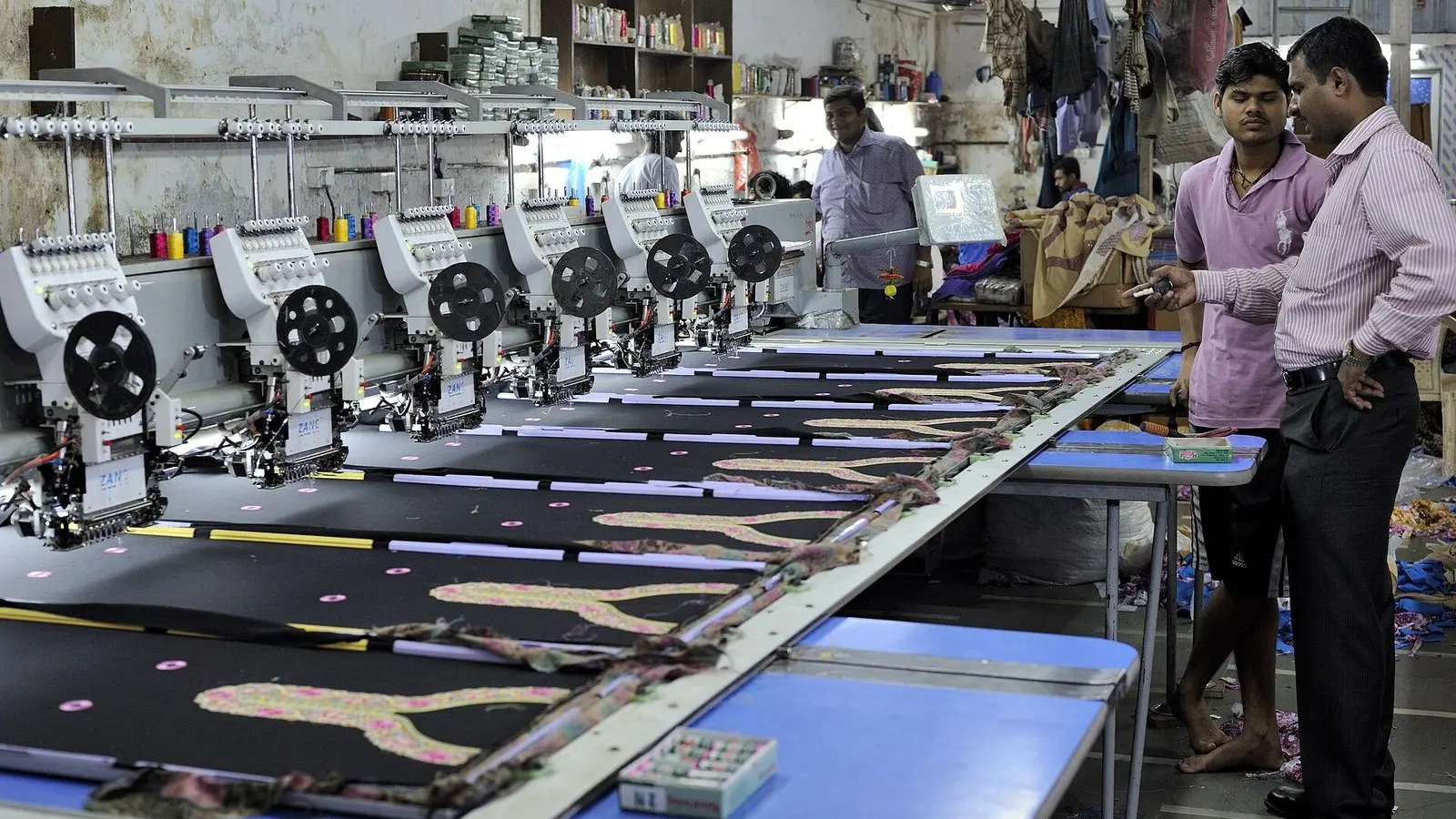
Made-to-order pieces add three things to the order itself: a guided measurement form, a making time shown before payment, and full payment at checkout. Cash on delivery is switched off for them, because nobody else will wear a garment cut to one buyer’s measurements.
Size charts follow the label’s own pattern, not a standard chart, because a designer’s medium is rarely anyone else’s. We build them from measurements of finished pieces, and show them beside the measurement form so buyers can compare.
Ready-to-wear pieces from the same label can keep cash on delivery, with an order value limit and a confirmation message. The store treats the two kinds of product differently at checkout, which both Shopify and WooCommerce can do with the right settings.
Our page on how to sell clothes online in India covers size charts and returns for the wider category.
What should a beauty brand’s product page show?
Everything on the label, in the same words. A Mumbai beauty brand’s product page carries the ingredients, net quantity, the maker’s or marketer’s name and address, directions and warnings, matching the pack and every marketplace listing of the same product.
The pack carries every Legal Metrology declaration; the product page shows the same declarations apart from the month and year. Cosmetics are made under the maker’s own manufacturing licence, as the CDSCO’s cosmetics pages set out.
Changing contract manufacturers therefore means changing the page, the label photographs and every marketplace listing in the same week.
Ingredient lists are copied from the label’s artwork file rather than retyped, so a misspelt ingredient or a dropped line on the page never contradicts the pack a buyer holds.
Shade products need swatches photographed on more than one skin tone in daylight, because a shade shown on one complexion is a guess for everyone else.
Refills and replenishment products suit a reminder or a subscription, which brings the buyer back to the store rather than to a marketplace.
Claims on the page follow the label’s evidence. Our page on how to sell personal care products online covers the category’s listing and ad rules.
How should a Mumbai label sell in drops?
On a schedule the store keeps by itself. Many Mumbai labels release collections as drops announced on Instagram, so the store publishes the collection at a set time, opens checkout on the minute and closes sizes as they sell.
- Scheduled publishing. The collection goes live at the announced time without anyone pressing a button.
- Limits per buyer. A cap on units per order where resellers might empty a drop.
- Back-in-stock alerts. Buyers who missed a size leave a number or an email, and you learn what to restock.
- The same catalogue on Instagram. Shopify can send its catalogue to Meta, so tagged products show live prices and stock.
When a drop sells out, keep its pages live, marked sold out, with a back-in-stock form and a link to the next collection. Deleting them throws away the visitors still arriving from old posts and search results.
Myntra and Ajio can carry the same styles after the drop. Their accounts are run from the same product records under marketplace account management in Mumbai.
How should a Mumbai checkout take addresses?
With the parts a Mumbai address is built from. Buyers live in named buildings and housing societies, often split into wings, so the form asks for flat number, wing, building or society name, road and landmark, with a pincode lookup filling the city and state.
An address without the wing is how a parcel goes round a large society twice and comes back as RTO, return to origin, at your cost.
Cash-on-delivery orders get a confirmation message before release, and each refused order is traced to its address fields before anything else is blamed.
Buyers in the suburbs, in Thane and across the harbour in Navi Mumbai give their locality as well as the city. The form keeps a separate field for it, so the shipping label carries what a delivery rider asks for at the gate.
What do Dharavi leather brands need online?
Filters and pages that tell the truth about material. A bag or shoe brand from Dharavi sells on what its products are made of, so the store’s material filter, product page and marketplace listings must say the same: genuine leather, PU or a mix.
Shoes need a size guide by foot length on every product page, not in the footer, and bags need dimensions and a photograph beside a common object for scale. Footwear has a page of its own: how to sell footwear online in India.
When should a Mumbai brand launch or migrate?
Outside the run from Ganesh Chaturthi to Diwali, when a Mumbai store carries its heaviest weeks. A new store should be live before Ganesh Chaturthi, and a platform move belongs in January and February, after the year-end parties, or in May, before the monsoon.
The monsoon changes the shoot as much as the store. Once the rains arrive, outdoor shooting days are hard to plan, so a store built for the festive season has its photographs taken by May, and its templates built around them in June.
December brings a second, shorter peak for party wear, around Christmas and New Year. Its collection goes live in late November, and the January returns it brings are planned for in the stock count.
During the festive run, theme and app changes wait; only fixes, scheduled banners and planned price changes go through. Gudi Padwa in spring is the year’s other fixed date for Maharashtrian buyers, and its collection page is built a month ahead.
Which languages should a Mumbai store use?
In places, not throughout. A Gudi Padwa banner or collection heading in Marathi, or a Navratri page in Gujarati for families who shop in it, can lift a campaign; a full translation of every product page rarely earns its upkeep.
Product pages stay in English, matching the marketplace listings and the labels. Whatever is added in Marathi or Gujarati should be written or checked by a native writer, and judged on orders rather than on how it looks in a review.
How does a remote build run from Delhi?
In the same order as any build, with video calls in place of meetings. The scope is agreed in writing, the store is built on a staging copy you can open, and the launch is rehearsed with test orders before the domain moves.
Shopify suits most Mumbai labels and celebrity launches, because the platform carries the hosting; WooCommerce suits brands already on WordPress. Our pages on Shopify development and WooCommerce development, and our guide to Shopify vs WooCommerce in India, go into the choice.
After launch, the monthly upkeep checks speed after every drop, removes apps a campaign no longer needs and reports checkout drop-off by payment method.
Your people or your shipping partner pack and ship the orders, and the store is linked to their shipping app. Our fee carries GST at 18%, charged as IGST to a Maharashtra business, and platform charges are billed to you by their providers.
The full service is on our D2C website development page, and how Mumbai brands sell more widely on our page for ecommerce services in Mumbai. To start, send your catalogue size and your next launch date.
Stores built for launches and drops
Shopify for launch days
Hosted stores whose checkout and hosting carry a launch spike, with stock and payments tested before the post.
WooCommerce, hosted and maintained
WordPress stores with hosting sized for your traffic, load-tested before launches and kept updated monthly.
Tracking that separates sources
GA4, Tag Manager, Meta Pixel and Conversions API, so a celebrity post and a paid Reel are counted apart.
Myntra and Ajio beside it
Marketplace accounts run from the same product records, prices and stock as the Mumbai store.
Instagram and Google traffic
Meta and Google campaigns that send buyers to the right collection, judged on orders kept.
A budget for every drop
Targets and spend planned per drop and per festival, with stop rules for sizes that sell out.
Questions Mumbai brands ask about stores
How much does a Shopify website cost in Mumbai?
Can my store handle traffic from a celebrity launch?
Should a Mumbai designer label offer COD on made-to-order outfits?
What should a skincare brand’s website show on each product page?
Can my Instagram shop sell from my Shopify catalogue?
Do you build websites on-site in Mumbai?
Can you add Marathi or Gujarati to my website?
When should a Mumbai brand move its store to a new platform?
More of our work in this city
Tell us what your Mumbai store sells.
Send your catalogue size, your current platform if you have one and your next launch or drop date. We reply with the questions that shape the build and a time for a first video call.