Ecommerce websites for Chennai brands
Our ecommerce website development in Chennai builds Shopify and WooCommerce stores for silk, footwear, linen and ethnic-wear labels that want buyers of their own. We build and look after them remotely from Gandhi Nagar, New Delhi.
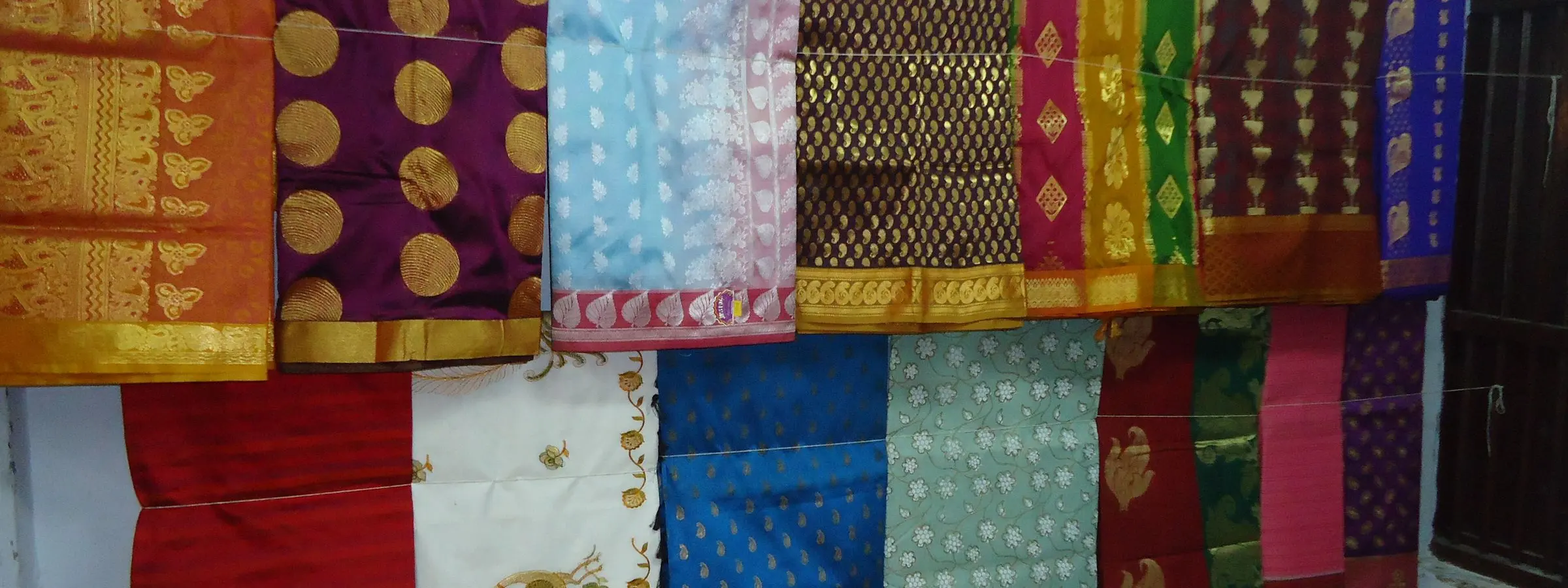
What a Chennai store has to handle
- Platforms
- Shopify or WooCommerce
- Pieces that sell once
- Silk sarees, each its own product
- Payments to plan
- UPI, cards, card EMI, capped COD
- GST on invoices
- CGST and SGST in-state, IGST beyond
- Language to add
- Tamil pages beside English
- Quiet weeks to launch
- After Thai weddings, before Aadi
In short
- Ecommerce website development in Chennai suits silk houses, footwear makers and linen sellers whose buyers return, buy sets or want pieces shown properly.
- A one-off silk saree needs its own product page, a stock of one, close photographs of the zari and its weight stated.
- A wedding silk checkout should offer UPI, cards and card EMI where the gateway allows, with cash on delivery capped by order value.
- A store run by a Tamil Nadu business charges CGST and SGST to buyers in Tamil Nadu and IGST to buyers in other states.
- We build Chennai stores remotely from Gandhi Nagar, New Delhi; orders are packed and shipped by the brand’s own team or shipping partner.
Ecommerce website development in Chennai is about stock a marketplace template handles badly: silk sarees that exist once, wedding orders bigger than most carts, footwear sold on fit, linen sold in sets. We build such stores on Shopify and WooCommerce from Gandhi Nagar, New Delhi.
The store, its domain and its payment gateway are registered to your business. We build it, connect it and keep it running, while your own team or shipping partner packs and ships every order.
Which Chennai labels gain from their own store?
A Chennai label gains from a store of its own when buyers come back, buy across a range, or want pieces that a marketplace listing cannot do justice to. Three kinds of seller in and around the city often meet that test.
- Silk houses. Families who buy wedding silk often come back for later occasions, and a store can hold a whole collection of one-off pieces, each shown properly.
- Footwear makers from the leather towns. A store can carry the full size run and every leather and colour, where a marketplace listing shows a few.
- Linen sellers with Karur and Erode stock. Bedsheet sets, towel bundles and room sets sell better when the buyer can see, and build, the whole set.
The platform follows from who will look after the store. Shopify suits a label with nobody to run hosting and updates; WooCommerce suits a business already on WordPress, or one that wants full control and has someone, possibly us, to maintain it.
Without a reason for buyers to come direct, the marketplaces remain the cheaper place to sell, and we say so before quoting.
Product pages for sarees that sell once
A silk saree page does the counter’s job: it shows the piece, settles its details and answers what a buyer would ask while touching it. On a store you control there is room for all of it, if the template is built for it.
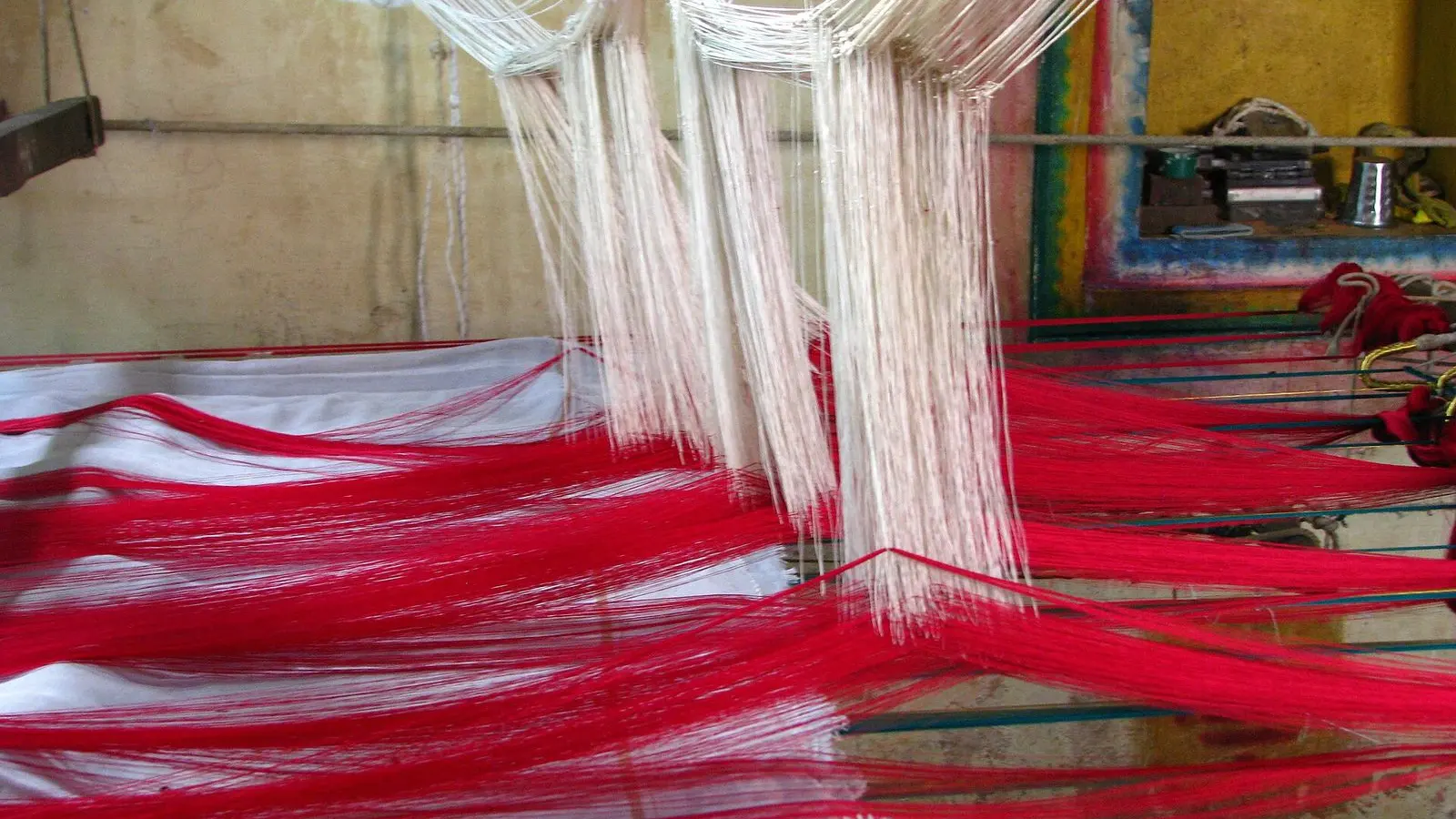
- One page per piece, with a stock of one, so a sold saree shows as sold and never takes a second order.
- Photographs of that piece: flat, draped, border and pallu, a close view of the zari in daylight, and a short video turning the fabric.
- Fields a standard template lacks: silk type, zari type, weight, length with and without the blouse piece, and the Silk Mark where the saree carries it.
- Add-on services such as fall and pico or blouse stitching, offered as options with their own price and time.
- A path from a sold piece to similar ones by colour, border or price, so a buyer who arrives late does not leave empty-handed.
Names matter as much as photographs. Kanchipuram silk is a registered geographical indication, so titles and filters use “Kanchipuram” only for sarees woven there, and similar sarees from other looms are named for what they are.
A sold piece’s page stays up, marked sold and linked to similar sarees, rather than being deleted. Saree links are often passed around on WhatsApp, and a link that still leads somewhere useful keeps the buyer on your store.
If your staff already show sarees to buyers over video calls, a booking form and a payment link on the store let that habit continue, with the order and the invoice recorded against the right piece.
Tamil on the store, and in its search
Add Tamil where your buyers read Tamil: the home page, collection pages, size and care guides, and the festival pages for Pongal and Deepavali. Product details can stay in English at first, since buyers compare weights and measurements in units they already know.
Shopify can publish a second language on web addresses of its own, and once it is live, checkout and order notifications can follow the buyer’s language too. A WordPress store does the same through a translation plugin.
The Tamil itself should be written or checked by a fluent speaker on your side, ideally someone who already talks to your buyers.
Search matters more than translation. Buyers type Tamil words in English letters, so the store’s search is given synonyms: pattu for silk, kanchi pattu, pavadai, veshti, and the spellings buyers actually use, each pointing at the right collection.
The same words go into collection names and filters, so a buyer who types “pattu pavadai” lands on girls’ silk sets rather than an empty results page.
Building stores for footwear and linen sets
Footwear and linen sell on certainty: the right size arrives, and the set contains what it promised. A store can carry more of that certainty than a marketplace listing, because every page is yours to build.
- Footwear. A size selector showing the foot length for each UK size, the leather, lining and sole named on every page, and an exchange flow so a buyer can swap a size instead of returning the pair.
- Linen. Sets shown and named piece by piece, bed sizes in centimetres and inches, GSM on towels, and bundles a buyer can build, such as a bedsheet with extra pillow covers.
Legal Metrology declarations follow the goods onto your own store. The pack carries all of them; the product template holds the ones a listing must show, including MRP, net quantity in pieces for a set, and the maker’s or packer’s name and address.
Exchanges and set-builders are usually apps or plugins, so each is checked for its monthly cost and what it adds to page weight before it goes in. Our home textiles page covers how linen sells online across India.
Taking payment for a wedding silk order
A wedding saree is often the most valuable order a store takes, so checkout is set up for value as well as convenience. UPI and cards are the usual prepaid methods, and card EMI, where your gateway offers it, lets a family spread the cost.

- Cash on delivery capped by order value, or replaced by a token advance above the cap, because a refused silk parcel costs freight both ways and ties up a one-off piece.
- Payment links for orders agreed by phone or video call, tied to the same product page so stock and invoices stay right.
- Gateway checks before activation, when the gateway reviews your business documents and the live site, so policy pages and contact details go up first.
- International cards only once you have settled shipping, customs and export paperwork for buyers abroad with your shipping partner and accountant.
Every payment method is tested with a real order before launch, refund included, because a wedding buyer who cannot pay at the last step may not try a second time.
GST invoices from a Tamil Nadu business
A store run by a business registered in Tamil Nadu charges CGST and SGST to buyers in Tamil Nadu and IGST to buyers in every other state. The invoice template reads the delivery address and applies the right one, and we test both before launch.
Rates depend on the product. At the time of writing, a readymade garment sold for up to ₹ 2,500 carries 5% GST and one above that 18%; an unstitched saree may be classed as fabric, with its own code and rate.
So products are sorted into tax classes, each with the code and rate your accountant confirms: sarees, stitched pavadai, footwear, linen. A discount that takes a garment across ₹ 2,500 changes its rate, so the settings follow the selling price.
Add-ons need the same care. Ask your accountant how fall and pico or blouse stitching should appear on the invoice, because a service sold with a saree may not share its rate; we set it up the way they decide.
When to launch a store in Chennai
Launch in a quiet stretch, and give the store a few weeks of ordinary orders before a peak. In Chennai’s year that points to the weeks after Pongal and the Thai wedding month, or to early summer, well before Aadi.
A launch during Aadi starts the store’s life at a discount, because Tamil Nadu buyers expect textile prices to fall that month. Launching just after Aadi means opening straight into Navaratri and Deepavali, with no quiet weeks to settle checkout and invoices.
Migrations follow the same calendar. An existing store is rebuilt on a staging copy, product edits on the old one are frozen for its last days, and the domain is switched outside Pongal, Aadi and the festive weeks.
A store also needs buyers from its first weeks. The ad plan for that, with targets set from your margin, is on our page on performance marketing in Chennai.
How the build runs from New Delhi
The build runs in the platform admin, a staging copy of the store and shared documents, with a call at each decision. Nobody needs to travel, and the inputs are the ones any store needs.
- Scope. Platform, pages, payment methods, tax classes, integrations, and anything moving from an old site.
- Inputs. Product data, photographs to our shot list, policy text from you or your adviser, and the gateway’s documents.
- Build and test. Test orders to a Chennai address and to another state, checking that CGST and SGST appear on one invoice and IGST on the other.
- Launch and upkeep. Updates, backups and fixes month to month, with a short report.
Upkeep after launch includes the seasonal pages: Pongal collections built in December, Aadi sale pages in July and festive pages in September, each taken down on an agreed date so old offers do not linger.
Silk photography needs daylight and patience, so the shot list is usually the input that sets the launch date. If colour on screen and colour in hand disagree, a sample posted to Gandhi Nagar settles it.
The service in full is on our D2C storefronts page, and our guide to Shopify vs WooCommerce in India compares the two platforms. Everything else we run in the city is on our Chennai page; when your range is ready, describe it to us.
From the first page to monthly upkeep
Shopify store builds
Themes, product templates and checkout set up on Shopify for silk, footwear and linen ranges, with tracking from launch.
WooCommerce stores
WordPress stores for labels already on WordPress, with hosting, updates and backups looked after month to month.
GST invoices and tax classes
Tax settings by product type, so a saree, a stitched pavadai and a towel each carry the rate your accountant confirms.
Product data, written once
One record per saree or pair, used on the store and every marketplace, so the details never disagree.
Buyers for the new store
Ad targets and budgets planned around Pongal, Aadi and Deepavali, so the store has visitors from its first weeks.
Questions Chennai brands ask about stores
How much does ecommerce website development cost in Chennai?
Should a Kanchipuram saree shop use Shopify or WooCommerce?
Can my store offer EMI on a silk saree?
Can I sell sarees to Tamil families abroad from my own store?
Can my website be in Tamil?
Should I offer cash on delivery on silk sarees?
Do you build stores for footwear makers from Ambur?
Do I need to come to Delhi for the build?
More of our work in this city
Describe the store your Chennai label needs.
Send your range, any current website and where you sell today. We reply with the decisions that shape the build, then a written scope and quote.