Ecommerce websites for Kannauj attar makers
Our ecommerce website development in Kannauj builds Shopify and WooCommerce stores for attar houses: scent pages, sample sets, gift boxes for Eid and Diwali, and trade prices for perfumers and shops. The stores are built and maintained remotely from Gandhi Nagar, New Delhi.

What an attar house’s store must do
- Platforms
- Shopify or WooCommerce
- Products
- Single attars, sample sets, gift boxes
- Buyers served
- Shoppers, gift givers and trade buyers
- Shipping
- Carrier rules for liquids, by product
- Change freeze
- The fortnight before Eid
- Ownership
- Store, domain and gateway in your name
In short
- Ecommerce website development in Kannauj usually means a store that sells sample sets and gift boxes to shoppers and bulk bottles to trade buyers.
- An attar product page should name the scent, the base oil, the volume and the method, with longevity stated only from the house’s own tests.
- Sample sets should be products with their own stock, linked to the full-size bottles a buyer can move on to.
- A store selling perfumes needs shipping rules its carrier accepts, set product by product, with any limits on liquids built into checkout.
- We build Kannauj stores remotely from Gandhi Nagar, New Delhi; the store, the domain and the gateway stay registered to the attar house.
For an attar house, ecommerce website development in Kannauj begins with a scent problem: a shopper cannot smell a screen. We build Shopify and WooCommerce stores that sell attar anyway, through honest scent pages, sample sets and gift boxes, from Gandhi Nagar, New Delhi.
We run brands of our own as well, so a store’s monthly costs are ones we weigh as a seller. The store, its domain and the payment gateway account are registered to your house, and your staff pack every order.
What a Kannauj attar store has to do
It has to do four jobs a marketplace page does badly: describe a scent so a stranger can imagine it, let a buyer try before committing, make a gift easy to send, and give trade buyers prices of their own.
Marketplaces find buyers for searched attars. The store keeps the buyer who wants the same rose attar again, or a box for Eid, without commission on every order.
A store with no plan for visitors is a monthly cost, so before quoting we ask how buyers will reach it.
Our D2C storefronts page covers the general build. This page covers what changes for a Kannauj perfume house.
Product pages for attars and floral waters
A scent page carries what a perfumer would tell you across the counter: the flower or blend, its notes in plain words, the base oil, the volume, the method, and how long it lasts in your own skin tests.
- Notes as filters: floral, woody, earthy, spicy, so buyers browse the way they think about scent.
- Base oil named on every page, sandalwood only where it is sandalwood.
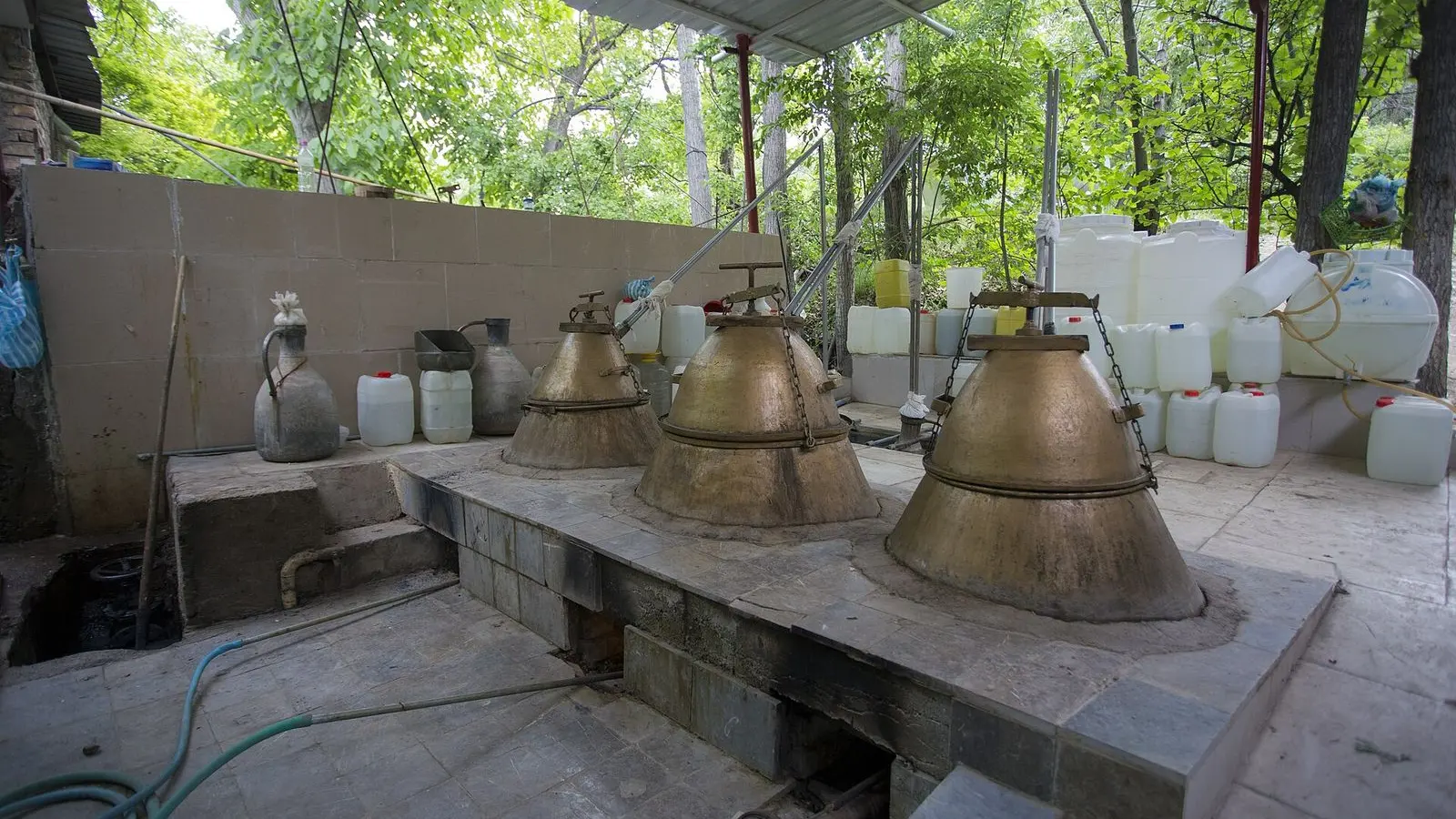
- Method stated where it is true of the batch: hydro-distilled in copper degs, or blended.
- Batch notes where colour varies, so a darker oil arrives as expected rather than as a fault.
- Declarations from the label: MRP, volume, the maker’s or packer’s name and address and consumer care, everything the pack declares apart from the month and year.
Rose water pages need one more field: whether it is sold for the skin or for the kitchen, because the two follow different rules and labels. Your adviser confirms which applies, and the page follows the label.
The same scent records feed your marketplace listings, so a description written once is used everywhere; our catalogue and listing work keeps one master record per attar.
Telling the distilling story honestly
A Kannauj house has a story most brands would envy: copper degs, the bhapka, flowers distilled in their season, oils aged in leather kuppis. A store has room to tell it, and the telling has to stay true to your own house.
- Method pages that show how your attars are made, with photographs of your own stills where you have them.
- Seasons told as they are: which attars are distilled when, and which batches are limited by the harvest.
- The Kannauj name used only for products that meet the geographical indication’s definition, as your adviser confirms.
- No borrowed history. Dates and family claims appear only where your own documents support them.
Buyers who read a method page and then order a sample set are the buyers a store is for, and the story is what brings them there.
Sample sets, sizes and moving up
Sample sets are how a store sells scent to a stranger. Each set is a product with its own stock and price, built from small vials of the house’s attars, and each vial links to the full-size bottle of that scent.
- Own stock. Vials counted apart from large bottles, so a set goes out of stock only when its vials do.
- Credit towards a bottle, if your margin allows it, so a set buyer has a reason to come back.
- Sizes on one page. Each attar’s sizes as variants of one product, so its reviews gather in one place.
- Refill reminders by email or WhatsApp, for buyers who opted in to hear from you.
Shopify’s subscription and bundle features run through apps, as do WooCommerce’s. Each app is chosen for what it costs, what data it reads and how cleanly it can be removed later.
Gift boxes for Eid, Diwali and weddings
Attar is given as much as it is worn, so checkout is built for gift buyers: delivery to another address, a gift message, a packing slip without prices, and order-by dates on each gift box.

Order-by dates come from your carrier’s transit times and move with Eid, which falls earlier each year. Gift collections for Eid, Diwali and the wedding months each go live a few weeks ahead, and come down when a parcel can no longer arrive.
Nothing new goes onto the store in the fortnight before Eid: no apps, no theme edits, no migrations. Changes wait until the rush is over, so a broken checkout cannot cost the orders that matter most.
Reviews that describe a scent
On a store, reviews can do what photographs cannot: tell the next buyer how a scent smells to someone else. A reviews app asks buyers after delivery, prompting them for the notes they noticed and how long the scent lasted.
Only verified buyers are shown, nothing is rewarded, and unflattering reviews stay up, because a page of perfect scores persuades nobody who has bought perfume before.
Shipping liquids: rules checkout must enforce
A perfume store ships only what its carrier accepts, so the rules live in checkout, not in a policy page nobody reads. Carriers set their own rules for perfumes and oils, and many treat alcohol-based perfumes as dangerous goods.
- Rules by product. Each product tagged with how it may ship, and checkout offering only the methods that fit.
- Pincodes. Areas your carrier will not serve for liquids switched off, and reviewed monthly.
- Cash on delivery, limited. A ceiling on order value and a confirmation message before packing, with prepaid gift orders encouraged.
- Packing notes. The brief your staff follow for sealing and boxing glass, linked from the order screen.
The store connects to the shipping app you use, so orders, tracking numbers and delivery updates pass between them. Your staff pack and hand over every parcel; we never handle one.
Payments, prepaid gifting and the gateway
Checkout takes UPI, cards, net banking and wallets through a payment gateway contracted in your house’s name. Gateways check the business and the website before they activate, so the shipping, returns and privacy policies are published before the application goes in.
Gift orders sent to another address are safer prepaid, and a small prepaid reward that suits the brand, such as an extra sample vial, moves buyers away from cash.
Gateway payouts arrive after the gateway’s own charges, on its own schedule, and the reports are set up so your accountant can match them to orders.
Speed, photographs and the phone screen
Most buyers will see the store on a phone, so every page is built and checked there first. Bottle photographs are sized for the screen they appear on, not uploaded at camera size, and short videos load only when a buyer taps them.
Photographs show the bottle beside a hand for scale, the oil’s colour in daylight, the cap and applicator, and the gift box closed and open. Filters that warm or soften the image are left off, because buyers order the colour they see.
Hindi and Urdu pages, and how buyers search
If your buyers read Hindi or Urdu, translate the pages that carry the occasion first: the home page, the Eid and wedding collections, and the guide to choosing a scent. Product details can stay in English beside the names buyers know.
Urdu runs right to left. WordPress handles right-to-left languages, and Shopify themes vary, so the theme is checked before it is chosen. Script fonts can be heavy on phones, so they load only on the pages that use them.
Store search maps the spellings buyers type, attar, ittar and itr, and the Hindi flower names, gulab, motia and kewda, to the right products, so no search comes back empty.
Trade buyers: perfumers and shops online
Much of Kannauj’s business is trade, and a store can take trade orders beside retail ones. Perfumers and shops log in to their own price lists, with minimum quantities and payment terms for regular buyers.
Trade invoices carry the buyer’s GSTIN for input tax credit. GST rates follow each product’s HSN code, which your accountant confirms, and the store’s tax settings follow what they confirm.
On WooCommerce, trade pricing runs through wholesale extensions on hosting you control; on Shopify, through its B2B features or apps, depending on the plan.
How a Kannauj build runs from Gandhi Nagar
We build on a staging copy of your store, share every document, and call you whenever a decision is yours. What fixes the launch date is the material we need from you: scent details, photographs, label text, policies your adviser approves, and the gateway’s paperwork.
- Agree. Who the store sells to, the platform, the pages, the sets and the shipping rules.
- Assemble. The store on staging, with scent filters, sets, gift options and trade logins working.
- Order. Test purchases as a shopper, a gift giver and a trade buyer, through every payment method, refunds included.
- Open. Launch well away from Eid, then monthly care with a short note on what changed.
Attar colour is hard to photograph, so photography starts early, in daylight. When the colour on screen and the oil in the bottle disagree, have your photographer compare them in daylight; confirm any sample review with us before sending a bottle.
Everything else we do for Kannauj sellers is on our page about ecommerce services in Kannauj. To begin, describe how your house sells today.
Stores for scent, samples and trade
Shopify stores for attar
Shopify builds with scent filters, sample sets and gift options, kept quick on phones.
WooCommerce with trade pricing
WordPress stores with trade logins, bulk price lists and GSTIN capture for perfumers and shops.
Scent records written once
Notes, base, method and volume written once and used on the store and every marketplace.
Marketplace stock in step
Store and marketplace stock kept in one count, so an Eid order never lands on a sold bottle.
Gift boxes and messages
Eid, Diwali and wedding gift boxes with messages, another delivery address and order-by dates.
Questions Kannauj houses ask about stores
How much does ecommerce website development cost in Kannauj?
Shopify or WooCommerce for an attar brand?
How do I sell attar sample sets online?
Can my website ship perfume all over India?
Should my attar store offer cash on delivery?
Can I have Urdu and Hindi pages on my store?
Can perfumers and shops order wholesale from my website?
Will my attar store be ready before Eid?
Tell us how your attar house sells.
Describe who buys from you today, shoppers, gift givers or perfumers, and through which channels. We answer with our questions about scents, samples and shipping, then a scope.