Ecommerce websites for Ahmedabad labels
Our ecommerce website development in Ahmedabad builds Shopify and WooCommerce stores for design-led labels, Navratri wear makers and textile houses selling direct. We work remotely from Gandhi Nagar in New Delhi, and plan each store around Navratri, the Diwali break and the wedding months.
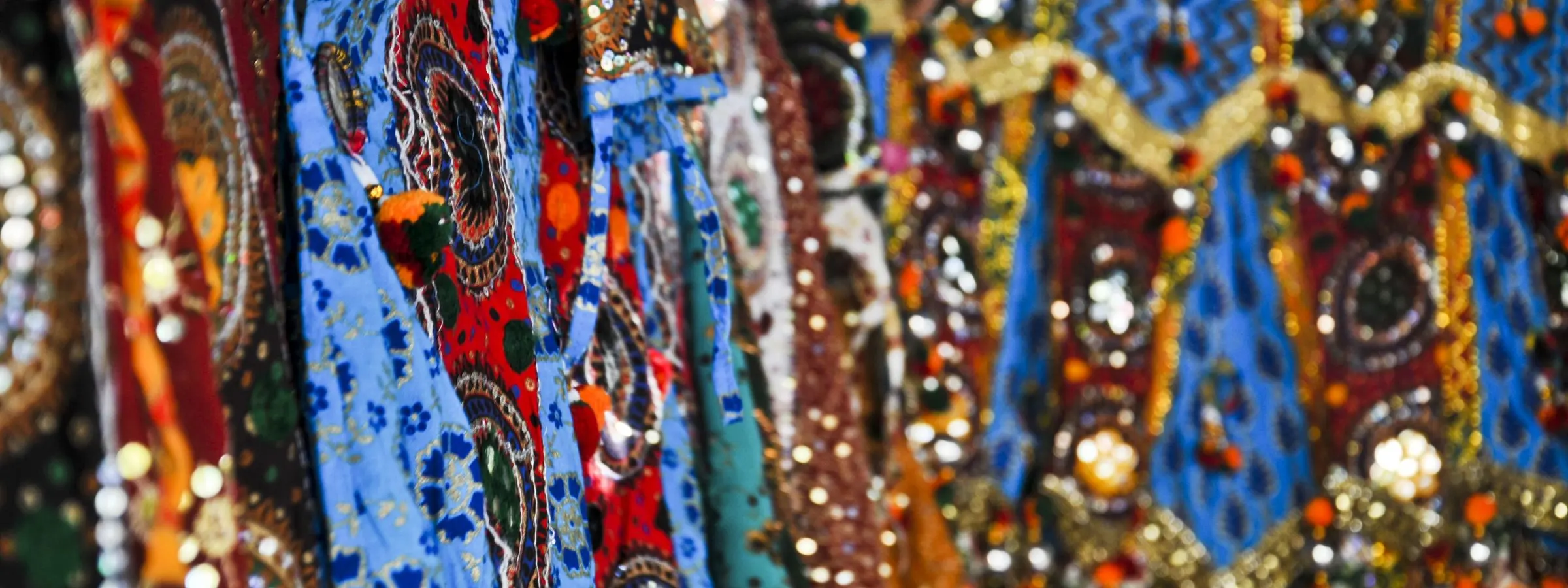
What an Ahmedabad store has to handle
- Who builds one
- Design-led labels, Navratri wear makers, textile houses
- Product options
- Stitched or unstitched, measurements, dupatta included
- Tax settings
- Fabric and garment codes set per product
- Language to add
- Gujarati pages beside English, where buyers read it
- Trade buyers
- Boutique prices behind a login, GSTIN invoices
- Run from
- Gandhi Nagar, East Delhi, through admin access
In short
- Ecommerce website development for an Ahmedabad label usually means moving buyers from Instagram messages to a store with checkout, stock and GST invoices.
- A stitched chaniya choli or blouse sold online needs a measurement form on the product page, captured with the order rather than over chat.
- Dress materials and stitched garments can carry different GST codes and rates, so a textile store sets tax classes per product, as an advisor confirms.
- Gujarati communities abroad dance Garba too, so a Navratri label’s store may draw orders from outside India; shipping abroad is a separate decision.
- We build and maintain Ahmedabad stores remotely from Gandhi Nagar in East Delhi; orders are packed and shipped by the label or its shipping partner.
Our ecommerce website development in Ahmedabad is for design-led labels, Navratri wear makers and textile houses selling direct on Shopify or WooCommerce. The work is done from Gandhi Nagar in East Delhi, in your platform admin and a staging copy, with decisions taken on calls.
We run brands of our own as well. That is why we measure a store by the orders it takes and the invoices it gets right, not by how it looks in a presentation.
From Instagram messages to an Ahmedabad store
Many of Ahmedabad’s design-led labels, some started by graduates of the city’s design schools, sell through Instagram first. A post goes up, buyers send messages, and orders are taken one chat at a time.

That works until the label grows. Sizes are typed wrong, addresses arrive incomplete, payment proof comes as a screenshot, and nobody issues a GST invoice. Each chat order takes time a small team does not have in the weeks before Navratri.
A store takes the same buyer from the post to a checkout. The Meta catalogue is synced from the store, so a post or an ad links straight to the product, its sizes and its stock, and the order arrives complete.
- Short runs. Craft-led pieces made in small numbers get a sold-out state and a waitlist, so a buyer who missed one is told when the next run lands.
- Lookbooks. Collection pages that read like the label’s Instagram grid, with every image linked to a buyable product.
- Chat kept for questions. A message button stays on the page for fabric and fit questions, but the order itself goes through checkout.
Instagram still finds the buyers; the store only stops it from being the till. If you are weighing a store against selling only on marketplaces, our article on marketplace vs D2C sets out the costs of each.
Shopify or WooCommerce for an Ahmedabad label?
The choice usually follows the size of the catalogue and who will maintain it. A label with a few collections a year, and nobody to look after hosting, suits Shopify, which carries hosting, security and updates for a monthly plan.
A textile house is different. Thousands of dress material designs, each in several colourways, a trade section with its own prices, and tax rules that vary by product often sit more easily on WooCommerce, on hosting the business controls.
Shopify also limits how many variants one product can carry, which matters when a single print comes in many colours and sizes. We check the catalogue against those limits before recommending a platform, not after the import fails.
The work on each platform is described on our Shopify development and WooCommerce development pages. Whichever you choose, the store, the domain and the data are registered to your business.
Navratri collections, stitching and measurements
A Navratri store needs its collection built, tested and advertised weeks before the first night, with every stitching choice and measurement captured at checkout. Most outfits are bought in the weeks before the festival, and a buyer who cannot choose her size online buys elsewhere.
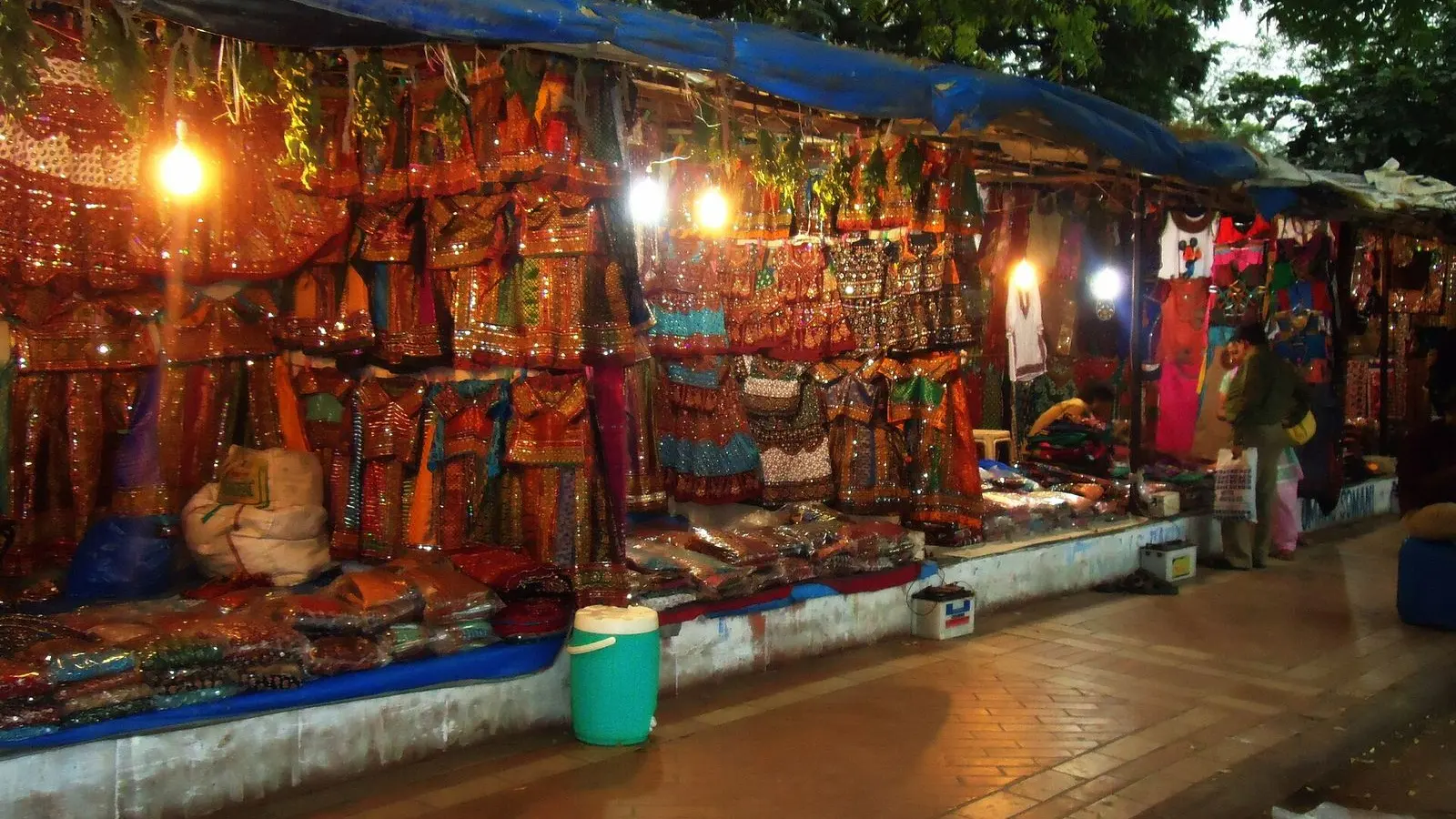
- Stitching choices. Stitched, semi-stitched or unstitched as product options, each with its own price and making time, shown before the buyer adds to cart.
- Measurement form. Bust, waist, hip and length fields for a stitched choli or blouse, saved with the order, with a short guide on how to measure.
- Standard sizes. A size chart taken from finished pieces, for buyers who would rather pick a size than measure.
- Order-by dates. The last date for delivery before the first night, on every product page, and a later one for pieces sold ready to wear.
Many dancers want a different outfit for different nights, so bundles and “complete the look” suggestions earn their place here more than in most stores: a dupatta, a kediyu for the partner, jewellery to match.
Cash on delivery needs firmer rules in the fortnight before the first night than at any other time. A refused Navratri parcel comes back after the festival is over, and the outfit waits a year to sell again.
So the cash-on-delivery cap, the confirmation message and the pincode rules are reviewed before the season, and tightened for the last days when nothing can be resent in time.
Pieces stitched to a buyer’s measurements usually come under a different returns policy from ready-to-wear. That policy is yours, or your advisor’s, to write; we build the page and show it at checkout so nobody meets it for the first time after delivery.
A trade section for boutiques and tailors
Ahmedabad’s textile houses have long sold to other businesses, and boutiques and tailors will look for the same terms online. A trade section behind a login keeps those buyers on the store without showing retail customers a trade price.
- Approved accounts. A boutique applies with its GSTIN and business details, and you approve it before trade prices appear.
- Quantity breaks and minimums. Set by you per design or per collection, and applied automatically at checkout.
- GST invoices in the buyer’s name. Each trade invoice carries the buyer’s GSTIN, so they can claim input tax credit on it.
- Separate shipping rules. Trade orders often travel by transporter rather than courier, so their shipping is quoted rather than calculated.
Trade and retail prices must also agree with what your marketplace listings show. Keeping those channels in line is part of our marketplace account management in Ahmedabad.
GST settings for fabric and garments
A textile store needs its tax set per product, because dress materials and stitched garments may carry different HSN codes and rates. A single store-wide rate, as most platforms default to, will be wrong for part of the catalogue.
On WooCommerce, each product is assigned a tax class, as WooCommerce’s tax documentation explains; Shopify handles the same through tax overrides on collections. Either way, the codes and rates come from your advisor.
Readymade garments add a price rule. At the time of writing, their GST is 5% where the sale value is up to ₹ 2,500 a piece and 18% above it, so a discount that crosses that line changes the rate.
Every order then produces a GST invoice with your GSTIN and the right HSN codes, and every return a credit note. We set it up and run test orders past your accountant before launch; we do not decide tax treatment or file returns.
Gujarati pages and buyers abroad
Add Gujarati where the occasion is Gujarati and your buyers read it: the Navratri collection, wedding pages for gharchola and panetar sarees, and the page explaining delivery dates. English stays the default for everyone else.
Shopify can publish a store in more than one language, and WooCommerce can through a translation plugin. Gujarati has its own script, which many Latin typefaces lack, so the design needs one that includes it, loaded in as few weights as possible.
A fluent speaker on your side should write or approve every Gujarati line, and product data stays in one language underneath, so the feeds Google and Meta read stay clean.
Navratri also travels. Gujarati communities abroad dance Garba too, so a label’s own store may draw orders from outside India in the weeks before the festival, when no marketplace in India can reach those buyers.
The store can show prices in other currencies and take payment from abroad, but shipping, duties and returns across borders come first, and they are decisions for you and your shipping partner. We switch on international settings only once those are settled.
Wedding months and the rest of the year
After Diwali the store turns to weddings, which run into February. Gharchola and panetar sarees, kurta sets for the family and return gifts need their own collection pages, with the work, the fabric and the making time stated plainly.
Wedding buyers often order several pieces for one family, so the store has to carry a group order well: one cart, several sizes, one delivery date, and an enquiry form for orders large enough to discuss first.
Uttarayan in mid-January takes much of the city onto its rooftops for two days, so new collections wait until it has passed. Summer from March brings cotton and linen forward, and the monsoon, from late June, lengthens the delivery estimates.
Under an upkeep level, heavy changes go into those quiet stretches, and the weeks before Navratri, Diwali and the first wedding dates are kept for collections, offers and checks.
The Diwali break, and how the build runs
Many Ahmedabad businesses close from Diwali until Labh Pancham, and a store needs to say so. A banner gives the closing and reopening dates, order-by dates move, and cash-on-delivery confirmations pause until someone is back to answer them.
The build itself follows four steps, agreed at the start, and nobody needs to travel between Ahmedabad and Delhi at any of them.
- Read. Your Instagram, any current store or marketplace listings, and the catalogue sheet with designs, colourways and piece lengths.
- Scope. Platform, stitching options, trade section, tax classes, languages and the first year’s collections, all written down.
- Test on a copy. A staging copy of the store takes real orders through UPI, cards and cash on delivery, and your accountant checks the invoices.
- Launch in a quiet week. Never in the weeks before Navratri or Diwali, when a broken checkout costs a season.
Packing and shipping stay with your staff or shipping partner; the store connects to the shipping app you use. GST at 18% is added to our fee on its own line, and the method is set out on our D2C website development page.
Selling clothes online brings its own size and returns questions, which our page on selling clothes online in India covers.
The rest of our work for the city is on our page about ecommerce services in Ahmedabad. To start, send us your label’s links.
Store work for Ahmedabad labels
Shopify stores for labels
Collections, lookbooks and measurement forms for design-led and Navratri labels, with the Meta catalogue synced from the store.
WooCommerce for textile houses
Large fabric catalogues, trade pricing and per-product tax classes on hosting you control, kept updated and backed up.
Stitching and size options
Stitched, semi-stitched or unstitched choices, measurement fields and size charts built into each product template.
Traffic before Navratri
Google and Meta campaigns that bring buyers to the collection weeks before the first night, planned from your margin.
Marketplaces beside the store
Meesho, Amazon, Flipkart, Myntra and Ajio run alongside, with one stock count shared with the store.
Questions Ahmedabad labels ask about a store
How much does ecommerce website development cost in Ahmedabad?
Should my Navratri label sell on its own website or only on Instagram?
Can customers enter their measurements on my Shopify store?
Can my store show wholesale prices to boutiques?
Can my online store be in Gujarati?
Can I sell Navratri outfits to customers abroad from my store?
How should GST be set up on a dress material and kurti store?
Do you pack and ship orders for Ahmedabad labels?
More of our work in this city
Tell us about your Ahmedabad label’s store.
Send your Instagram or current store link, how many designs you carry and where else you sell. We reply with the questions that decide the platform, then a written scope and quote.