Ecommerce websites for Karur linen labels
Our ecommerce website development in Karur builds Shopify and WooCommerce stores for linen units launching a label of their own in India, from kitchen sets to made-to-measure curtains. We build and maintain them remotely from Gandhi Nagar, New Delhi.
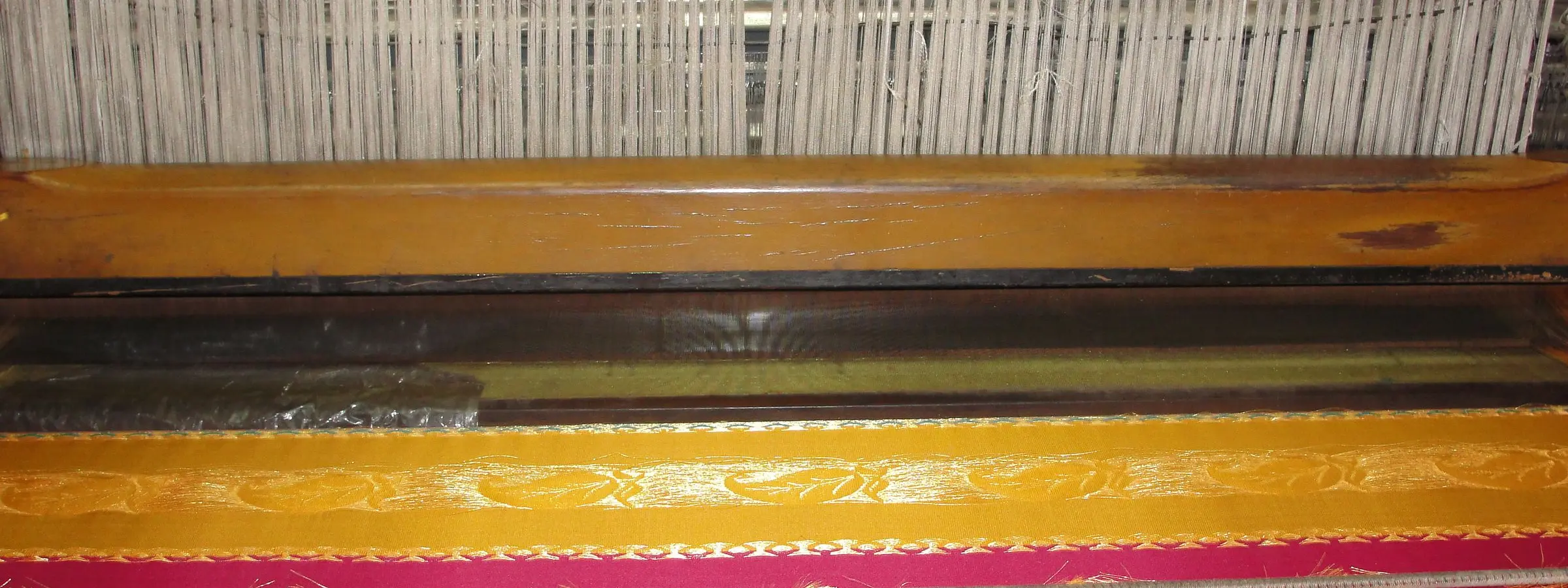
What a Karur linen store must do
- Platforms
- Shopify or WooCommerce
- Collections
- By room: kitchen, dining, bedroom, windows
- Made to measure
- Curtains priced by size, confirmed before cutting
- Shops buying in bulk
- An enquiry form, then a written quotation
- GST on invoices
- CGST and SGST in Tamil Nadu; IGST elsewhere
- Built from
- Gandhi Nagar, New Delhi, remotely
In short
- Ecommerce website development for a Karur linen label means a store that sells sets, sizes and made-to-measure curtains as clearly as a showroom would.
- Made-to-measure curtains need a measuring guide, a price that follows the size, prepaid payment and a confirmation before cutting.
- A business registered in Tamil Nadu charges CGST and SGST on orders delivered within the state and IGST on orders to other states.
- A set builder lets a buyer mix colours within a kitchen towel set while the store still counts stock piece by piece.
- We build Karur stores remotely from Gandhi Nagar, New Delhi; packing and shipping stay with your team or your shipping partner.
Ecommerce website development in Karur usually starts with a unit that has woven linen for buyers abroad for years and now wants a label of its own at home. We build Shopify and WooCommerce stores for that, from Gandhi Nagar, New Delhi.
Your business owns the store, the domain and the payment gateway account. We build, connect and maintain the store; your team or your shipping partner packs every order.
Why would a Karur unit want a store?
Because linen sells in combinations a marketplace listing handles badly. A table cover with matching napkins, a kitchen set in colours the buyer picks, a curtain cut to a door’s height: each is easier to sell on a store built for it.
- Matching pieces. A buyer who likes a table cover wants the runner and napkins from the same range, on the same page, without searching for them.
- Your own designs. An export unit’s strongest patterns can carry the label’s name, rather than sitting among similar listings from other sellers.
- Repeat buyers. Kitchen linen wears out and comes back as an order, without a marketplace commission on the second sale.
- Shops buying in bulk. Retailers who want twenty sets can enquire from the same site that sells single sets to homes.
If none of those apply yet, the marketplaces remain the cheaper place to sell, and we will say so before quoting. A store with no visitors is a monthly cost, so the traffic plan comes with the build.
How should a linen store be organised?
By the room the buyer is furnishing, then by set and size. A home shopper thinks kitchen, dining, bedroom or windows first; the store’s menu, collections and filters follow that order rather than the order of your export price list.
- Filters for size, colour, fibre, weave and set count, so a buyer narrows forty table covers to the three that fit.
- Size guides on every product: bed and mattress sizes, table seats and shapes, window and door heights.
- Complete-the-set blocks under each product, showing the pieces from the same range.
- Daylight photographs of every colourway against the same ground, so similar shades can be told apart on a phone.
Product records come from the same master sheet as your marketplace listings, built by our catalogue and listing service, then rewritten for the store, where there is room to explain the weave.
How do made-to-measure curtains work on a store?
The product page takes the buyer’s measurements, works out a price from them, and shows how to measure beside the form. Payment is taken upfront, and the order is confirmed with the buyer before any cloth is cut.

- Measure. A short guide with drawings: where to measure from the rod, how much to add for the heading, how far to the floor.
- Price. The price follows width and drop, within the limits your looms and stitching can make.
- Confirm. A message to the buyer repeating the sizes before production, so mistakes are caught while they cost nothing.
- Make and send. Stitching starts only after confirmation, and the delivery date is given at that point.
Made-to-measure pieces cannot be resold, so your returns policy, written with your adviser, has to say how they are treated. Our page on how to sell home furnishings online covers the wider category.
Can buyers build their own linen sets?
Yes. A set builder lets a buyer choose, say, four kitchen towels from six colours, and the store counts each piece against single-piece stock. When one colour runs out, it disappears from the builder rather than selling a set you cannot pack.
Built sets carry their piece count as net quantity, and the pack carries the Legal Metrology declarations; the product page repeats them apart from the month and year.
Gift wrap and a message suit Pongal and housewarming orders, priced so they do not eat the margin. Ready-made gift sets sit beside the builder for buyers who would rather not choose.
Can the store take orders from shops?
It can take their enquiries without disturbing the retail checkout. A form asks for designs, sizes, quantities and the delivery city, and your team replies with a written quotation, rather than shops ordering forty sets at the retail price and expecting a discount later.
Shops that become regular buyers can later have prices and logins of their own; at the time of writing, Shopify’s B2B features run on its standard plans as well as Plus, and WooCommerce does the same with wholesale extensions.
How should a linen store take payment?
Make prepaid the easy path and cash on delivery the exception. UPI, cards, net banking and wallets go through a gateway contracted in your business’s name; cash on delivery stays available on ordinary sets, with limits.
- Prepaid only for made-to-measure curtains and large bed sets, which cost the most to send back.
- A ceiling on cash orders, set from your shipping reports, above which only prepaid is offered.
- A check before release: each cash order is confirmed with the buyer by message before your team packs it.
- Areas switched off where cash parcels keep coming back unclaimed, reviewed every month.
RTO, return to origin, is a parcel that goes out and comes back undelivered, with freight paid both ways. On a heavy bed set that round trip can cost more than the sale earned, so the cash rules are set before launch.
How do GST invoices work in Tamil Nadu?
A business registered in Tamil Nadu charges CGST and SGST on orders delivered within the state and IGST on orders delivered elsewhere. The store reads the delivery address, so a set sent to Coimbatore and one sent to Pune carry different tax lines.
Each product sits in a tax class with the HSN code and rate your accountant confirms. Before launch we place a test order to a Tamil Nadu address, one to another state, and one with a shop’s GSTIN, and send the invoices to your accountant.
What should a Karur product page show?
Everything a buyer would check by hand in a shop: the weave close up, the washed size, the weight of the cloth, the set contents and the care. A store has room for all of it; a marketplace template does not.
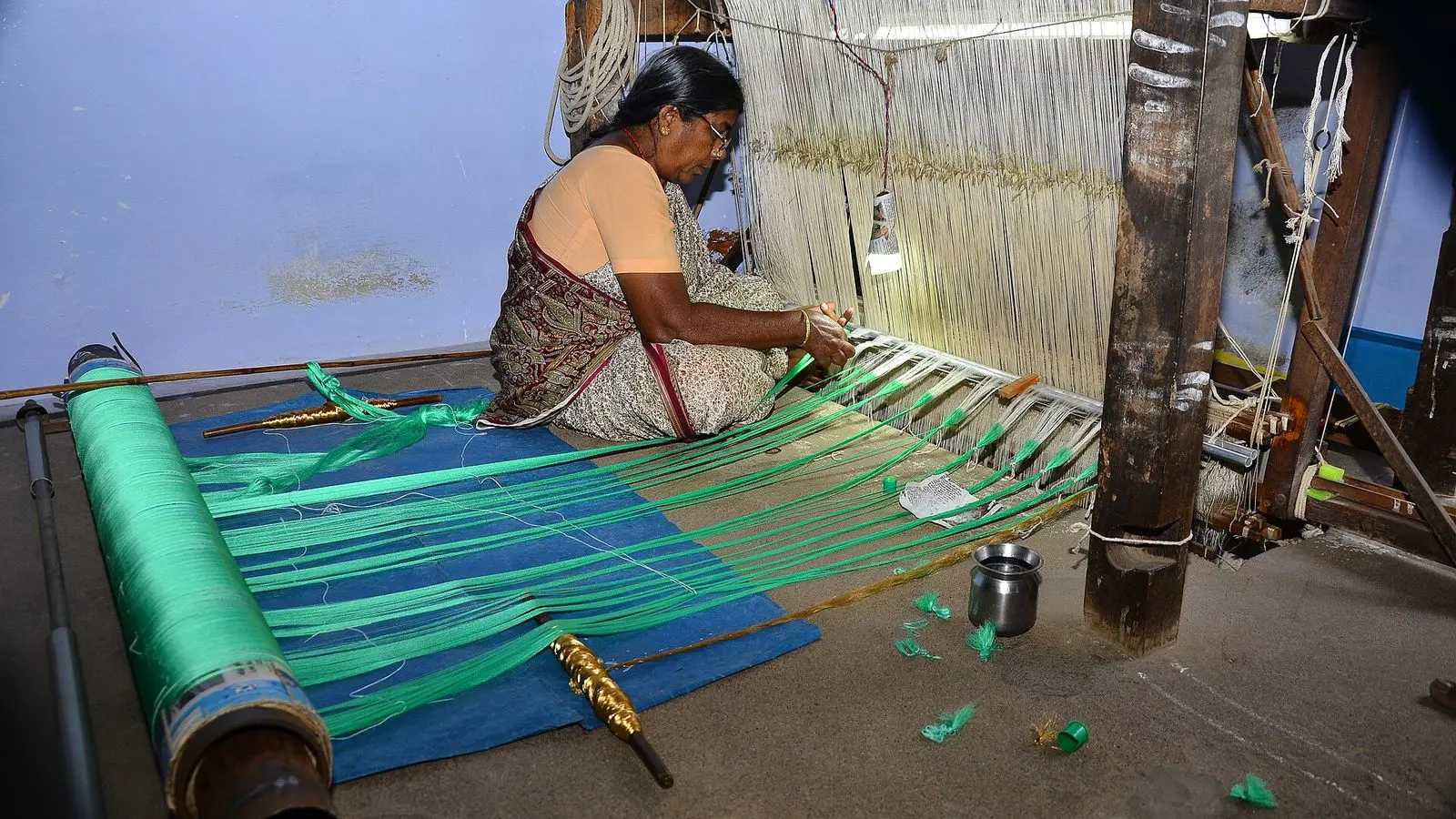
- The loom. Handloom or powerloom, said plainly. If the cloth came off a handloom, the page can show it; if not, the page describes the weave instead.
- Claims with papers. Thread count, organic cotton and colourfastness only where a specification, certificate or test supports them.
- Washing. What the first wash does to size and feel, and whether dark colours go in separately.
Tamil pages for the home page, the Pongal collection and the washing guides can sit beside English ones for buyers in Tamil Nadu, with the text written or checked by a fluent writer on your side.
Should the store say its linen is Karur’s?
Yes, where it is true and you can show it. A town known for linen woven for export gives a buyer a reason to trust the cloth, and an about page with photographs of your own looms, yarn and finishing says more than any adjective.
Keep the story to what you can stand behind: the looms you use, the fibre, the finishing and the checks each piece passes. Shoppers forgive a plain story; they do not forgive a handloom claim on powerloom cloth, or a photograph that is not yours.
The same story can run through your brand pages on the marketplaces, so a buyer who finds you there and later visits the store meets one label, told one way.
What should the store connect to?
To the systems that already run your business, so nobody retypes an order. Each connection is tested with real orders before launch.
- Shipping. Your shipping app receives each order and sends back the tracking number; your team or partner packs and hands over the parcel.
- Marketplace stock. One count across the store and the marketplaces, kept in step by a connector or an agreed schedule.
- Accounts. Orders, invoices and refunds exported in the format your accountant reads.
- Reviews and messages. Reviews requested after delivery, and order updates sent only to buyers who agreed to receive them.
What happens after the store is live?
A linen store changes with every weaving run, so upkeep is mostly new designs, new colourways and seasonal collections, alongside the technical care any store needs. Under an upkeep level we handle both, month to month.
- New designs uploaded as each weaving run finishes, with sizes, sets and photographs complete before they go live.
- Seasonal pages for Pongal, Deepavali and the wedding months, live a few weeks ahead and taken down after.
- Checks on speed, failed payments, abandoned checkouts and broken links, reported in a short monthly note.
What does the build need from you?
The inputs decide the date more than the build does. The work itself runs in the platform admin, a staging copy and shared documents, with a call at each decision; nobody travels to Karur.
- Range and sizes. Designs, colourways, washed measurements and set contents, from your specification sheets.
- Photographs. Every colourway in daylight, shot to the list we send your photographer.
- Policies. Shipping, returns, privacy and terms from you or your adviser, made-to-measure orders included.
- Gateway papers. The business documents your payment gateway asks for before it activates.
Compare screen colour with the cloth in daylight, and ask us to confirm the arrangements before posting a swatch or finished set for review.
Our D2C storefronts page describes the service in full, and our page on ecommerce services in Karur covers everything else we run for the town. When you know what the store must sell, tell us about your range.
Stores built around linen
Shopify builds for linen
Collections by room and set, a size guide on every product, and a set builder counted against single-piece stock.
WooCommerce with curtain pricing
WordPress stores with made-to-measure curtain pricing and an enquiry route for shops, maintained month to month.
Product records from your specs
Weave, GSM, washed sizes and set contents written once and used on the store and every marketplace.
Marketplace stock in step
Store and marketplace stock kept in one count, so a set sold on one channel is never sold twice.
Traffic for Pongal and Deepavali
Budgets and targets for the new store set from your margins and paced to Tamil Nadu’s festival dates.
Questions Karur labels ask about stores
How much does ecommerce website development cost in Karur?
Shopify or WooCommerce for a home linen brand?
Can my website sell made-to-measure curtains?
Can shops order linen in bulk from my website?
Should my linen store offer cash on delivery?
Do you pack and ship orders from my store?
Can the store be in Tamil?
How long does it take to build a linen store?
Tell us what your Karur store must sell.
Send your range, the sizes and sets you make and where you sell now. We reply with the questions that decide the platform, then a written scope.