Ecommerce websites for Coimbatore brands
Our ecommerce website development in Coimbatore builds Shopify and WooCommerce stores for appliance makers and mill brands that want buyers of their own. We build and maintain them remotely from Gandhi Nagar, New Delhi; your team ships the orders and your service network does the repairs.
What a Coimbatore store has to handle
- Platforms
- Shopify or WooCommerce
- Appliance pages
- Model comparisons, demonstration video, spares
- After the sale
- Warranty registration and service requests
- Textile pages
- Fabric guides, bed sizes, Pongal sets
- Payments to plan
- UPI, cards, card EMI, checked COD
- Language to add
- Tamil pages beside English
In short
- Ecommerce website development in Coimbatore suits appliance makers selling models, spares and service, and mill brands selling bed and bath ranges direct.
- A wet grinder store needs model comparisons, spares matched to model numbers, warranty registration and a service request form.
- Appliance invoices should carry each unit’s serial number, so a later warranty claim can be matched to the sale without the buyer’s paperwork.
- A brand that sells through dealers keeps store prices in line with shop prices, and shows buyers where to buy and where to get service.
- We build Coimbatore stores remotely from Gandhi Nagar, New Delhi; packing, shipping and service visits stay with the brand.
Ecommerce website development in Coimbatore often serves a brand that already sells through dealers: a wet grinder or kitchen appliance maker, or a mill with its own bed and bath range. We set them up on Shopify or WooCommerce from Gandhi Nagar, New Delhi.
The store has to add what dealers and marketplace listings cannot: spares, the whole range, service after the sale and the brand’s own explanations. Your business owns the store, domain and gateway account; your team ships orders and your service network keeps doing repairs.
We run brands of our own as well, so we judge a store by what it costs to run, not only by how it looks on launch day.
Does a Coimbatore appliance maker need a store?
When it has things to sell and say that neither a dealer nor a marketplace listing will carry. For a grinder or mixer brand those are usually spares, the full model range, warranty registration and a direct line to service.
- Spares and accessories. Drums, stones, belts, lids and attachments that buyers struggle to find, and that dealers rarely stock for every model.
- The full range. Every capacity and model compared side by side, including the ones a dealer does not carry.
- Warranty and service. Registration, service requests and care guides in one place, under your name.
- Brand content. Demonstrations, recipes and cleaning videos that a marketplace template has no room for.
What the store should not become is a discount channel that undercuts the dealers who carry your stock. The usual answer is store prices in line with shop prices, with the store selling what dealers cannot; a later section covers how.
Platform choice follows from who maintains the store. Shopify takes hosting and updates off your hands for a monthly plan; WooCommerce runs on WordPress hosting you control, where custom forms and fields are easier to shape, provided someone looks after it.
What should a grinder model page show?
The answers a good dealer would give: what size suits the household, what the motor does, how loud it is, how it cleans and who repairs it. Your own store has room to show each properly, not squeeze it into a bullet point.
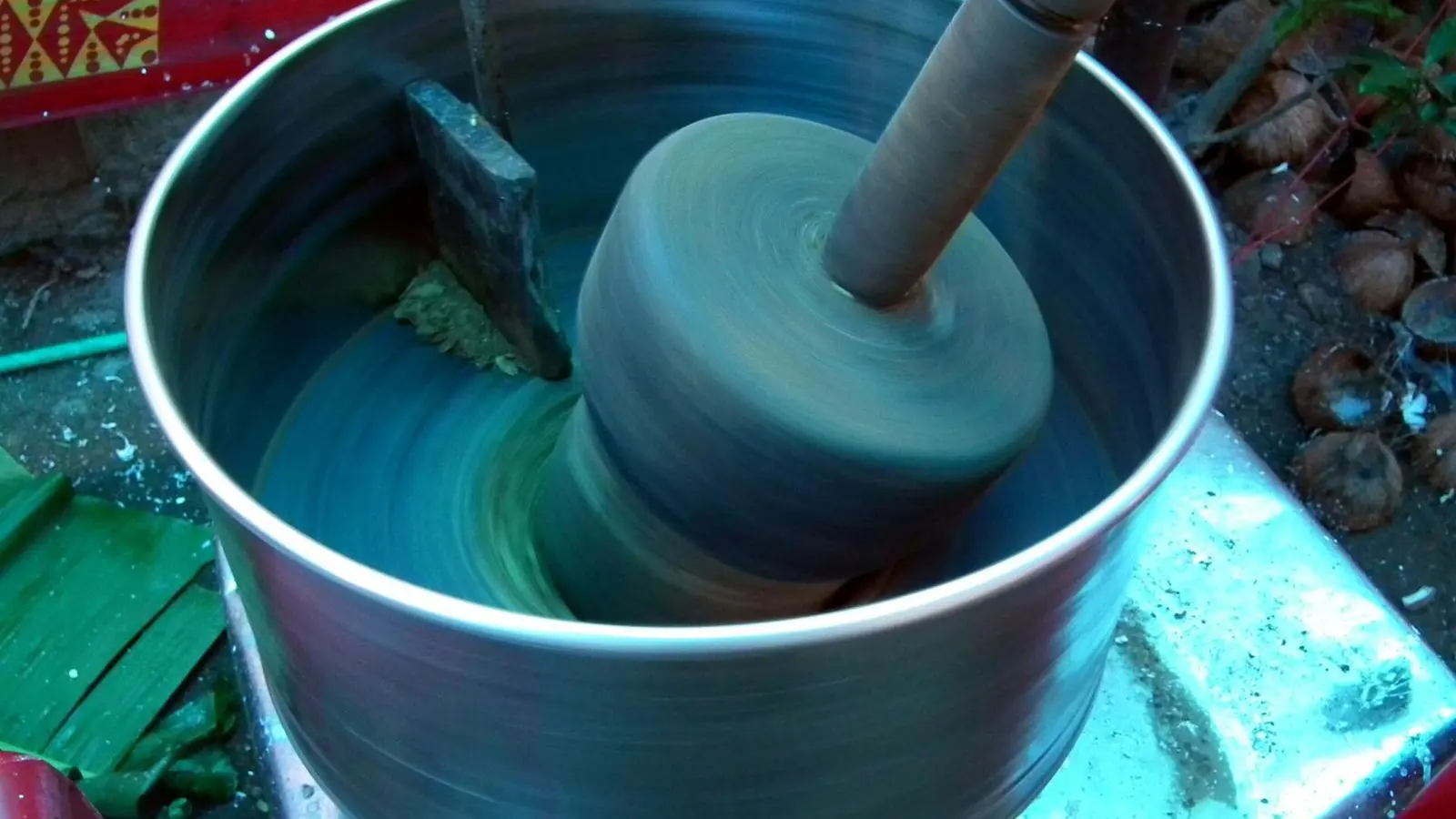
- A comparison table across models: drum capacity, tabletop or tilting, motor wattage, footprint with the drum fitted, and weight.
- A capacity guide written with your service team, matching drum sizes to household and batch sizes in plain words.
- A demonstration video: soaking, grinding, the finished batter, then the parts coming off for cleaning.
- The ISI mark and licence details where a BIS quality control order covers the model, shown as the product carries them.
- Warranty terms on the page, in the same words as the card in the box.
The Legal Metrology declarations on the pack appear on the page too, except the month and year: MRP, net quantity, the maker’s or packer’s name and address, and consumer-care details. Each has its own field in the product template.
Our page on how to sell kitchenware online covers appliances and cookware across every channel, including the freight and breakage questions that heavy items raise.
How should spares be sold online?
Against the models they fit, so a buyer cannot order the wrong part. Spares are where a grinder brand’s own store earns its keep, and where stores most often go wrong, by listing parts under names only an engineer would recognise.
- A model lookup: the buyer picks or types the model number from the label and sees only the parts that fit it.
- Photographs of the part and of the model plate, so a buyer can match the two before ordering.
- Plain names beside part numbers: grinding stone set, drum, belt, lid, with the code underneath.
- Shipping rules for small parts: a flat rate or a free-delivery threshold, because a belt costs little and still has to be sent.
Spares also bring buyers back long after the first sale. A buyer who orders a new belt from your store, instead of hunting for one in the market, sees your newer models on the way to checkout.
Can buyers register warranties and book service?
Yes, through forms that feed your service team rather than a general inbox. The store becomes the place a buyer goes after the sale, wherever the grinder was bought.
- Warranty registration takes the model, serial number, purchase date and invoice; store buyers are filled in from their order.
- A service request takes the serial number, the fault in the buyer’s own words, a photograph or short video, and the pincode.
- A pincode check shows whether a service point covers the area, or how service works where none does: a technician visit, a pickup, or the unit sent in.
- Each request reaches your service team’s sheet or tool with a reference number, and the buyer gets a confirmation message.
Service is done by your network; we build the forms and connect them. The records also show which faults recur on which models, information your engineers rarely get back from dealers.
What should an appliance invoice carry?
The GST fields your accountant signs off, plus the serial number of the unit sold. With the serial number on the invoice, a warranty claim months later matches the sale without the buyer searching for paperwork.
- Tax by delivery address: CGST and SGST for buyers in Tamil Nadu, IGST for buyers anywhere else.
- Tax classes by product: appliances, spares and any linen in the range, each with the HSN code and rate your accountant confirms.
- The serial number, entered by whoever packs the order, before the invoice is issued.
- Credit notes for returns, so each refund reverses the invoice it belongs to.
A new model or part inherits the right tax class when it is added, so nobody has to remember the rate at upload. When your accountant tells us a rate has changed, the class changes once and every product follows.
What does a mill brand’s store need?
A way to explain the cloth. A mill knows its yarn counts, weaves and finishes better than any retailer, and its store can turn that knowledge into guides that help a buyer choose and that answer the questions people search for.
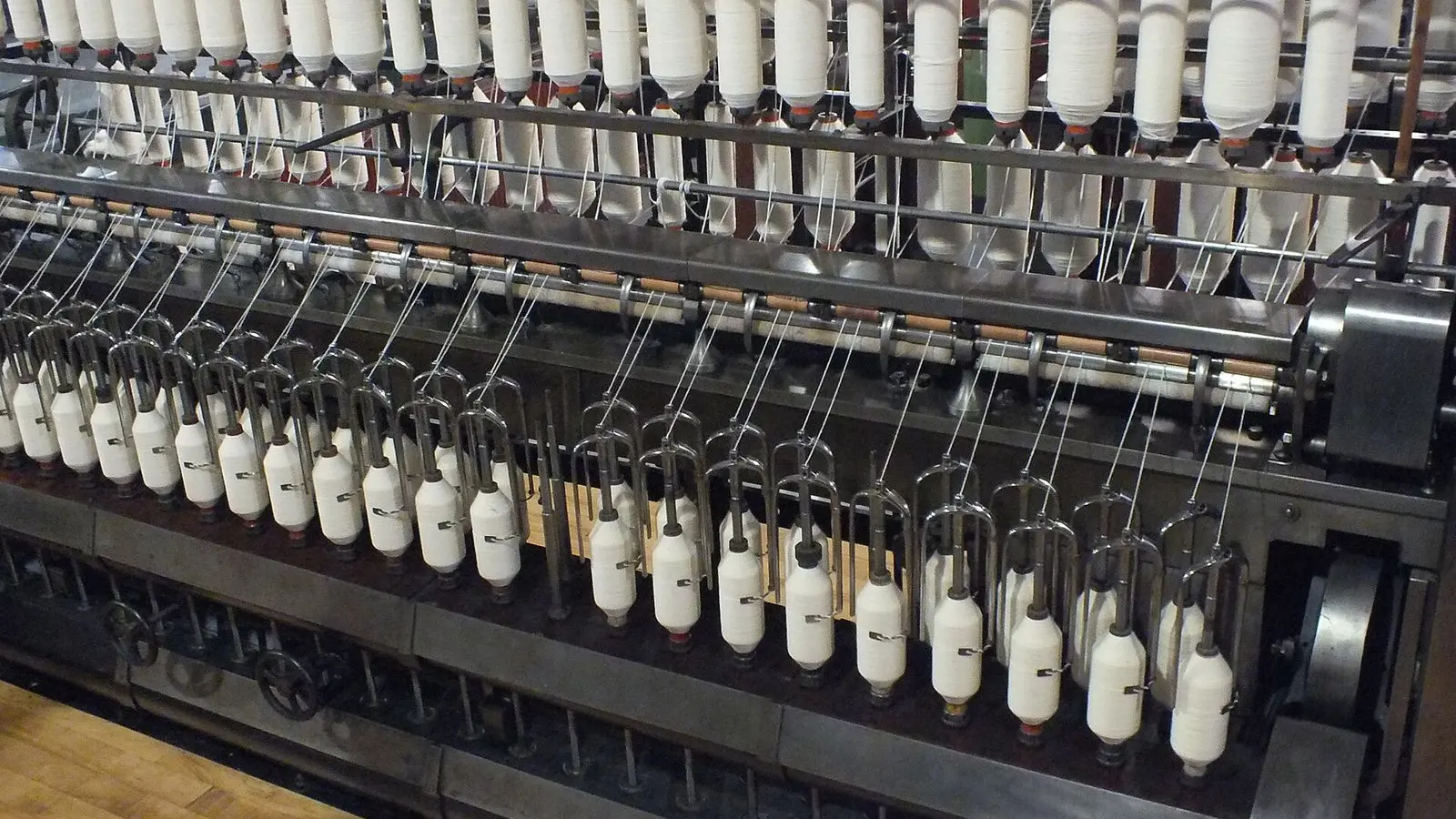
- Fabric guides: percale against sateen, combed against compact yarn, what GSM means for a towel, each in plain words and checked by your technical team.
- A bed-size finder: mattress width, length and depth in, matching sheet sizes out, since bed sizes in India vary.
- Sets and gift boxes for Pongal and weddings, shown piece by piece, with the net quantity in pieces.
Our page on how to sell home textiles online covers bed and bath listings across channels. Knitwear labels from the region have a page of their own, on ecommerce websites for Tiruppur labels.
Should the store have Tamil pages?
Where your buyers read Tamil, yes, starting with the pages read before buying: model comparisons, care and cleaning guides, warranty terms and the Pongal collection. Specifications can stay in English, since buyers compare capacity and wattage in units they already know.
A demonstration video with a Tamil voice-over and English captions serves both audiences from one shoot. The Tamil should be written or checked by someone fluent on your side, ideally from the service team, who hear buyers’ questions every day.
How does the store live alongside your dealers?
By pricing at shop prices, selling what dealers do not stock, and sending buyers to a dealer where that serves them better. A dealer locator and a service locator turn the store into a help to the network rather than a rival.
- Prices at the level buyers see in shops, with offers planned with your sales head so dealers hear of them first.
- A where-to-buy page listing dealers by district, kept current by your sales team.
- Marketplace prices kept consistent with the store, so a buyer does not meet one model at three prices without a reason.
Our page on marketplace accounts for Coimbatore makers covers the other half: dealers who list your models online, and how your listings stay yours.
How should an appliance store take payment?
Prepaid where possible, cash on delivery only with a check. UPI and cards suit most orders, and card EMI, where your gateway offers it, helps on higher-priced models.
Cash on delivery on a heavy grinder needs a confirmation call or an advance, because a refused parcel pays freight both ways.
Every method is tested with a real order before launch, refunded afterwards, and checked for the invoice, the confirmation message and the entry in your shipping app.
Ecommerce website development in Coimbatore, run remotely
The work happens in the platform admin, a staging copy and shared documents, with a call at each decision. A model or a part posted to Gandhi Nagar settles any question a photograph cannot.
- Scope: platform, model pages, the spares structure, warranty and service forms, tax classes and integrations.
- Inputs: specification sheets, model and part lists, manuals, warranty terms, photographs and videos to our shot list, and policy text from your adviser.
- Build and test: test orders for a grinder, a spare part and a cash order, to a Coimbatore address and to another state, each checked for its invoice.
- Launch and upkeep: updates, backups and seasonal pages month to month, with the Pongal pages built in December.
The full service is described on our D2C storefronts page, and our Coimbatore page covers marketplaces, listings and ads for the city. When your range is ready, tell us about it.
From model pages to monthly upkeep
Shopify store builds
Themes, model pages, spares and checkout on Shopify, with tracking set up before the first order.
WooCommerce stores
WordPress stores with custom warranty and service forms, for brands already on WordPress, with updates and backups handled.
Invoices and tax classes
GST invoices with HSN codes, the right tax for each state, and the serial number on every appliance order.
Tracking from launch
GA4, Tag Manager, Meta Pixel and Conversions API tested with real orders before the store opens.
Marketplaces kept in step
Store prices and stock matched with your Amazon and Flipkart accounts, which we run week to week.
What Coimbatore brands ask about their stores
How much does ecommerce website development cost in Coimbatore?
Can I sell wet grinder spares on my website?
Can buyers register their warranty on our website?
Will a website upset our dealers?
Should we offer EMI and cash on delivery on appliances?
Do you write the fabric guides for a mill brand’s store?
Do you pack and ship orders from our store?
How long does it take to build an appliance store?
Tell us what your store should sell.
Send your models or ranges, how your dealers work and any website you have now. We reply with what we would build first and why, then a written scope and quotation.