Ecommerce websites for Chandigarh boutiques
We offer ecommerce website development in Chandigarh for boutique labels moving their suits from chats to a checkout, on Shopify or WooCommerce. Each store sells a suit stitched, unstitched or made to measure, and charges tax correctly across Chandigarh, Mohali and Panchkula.
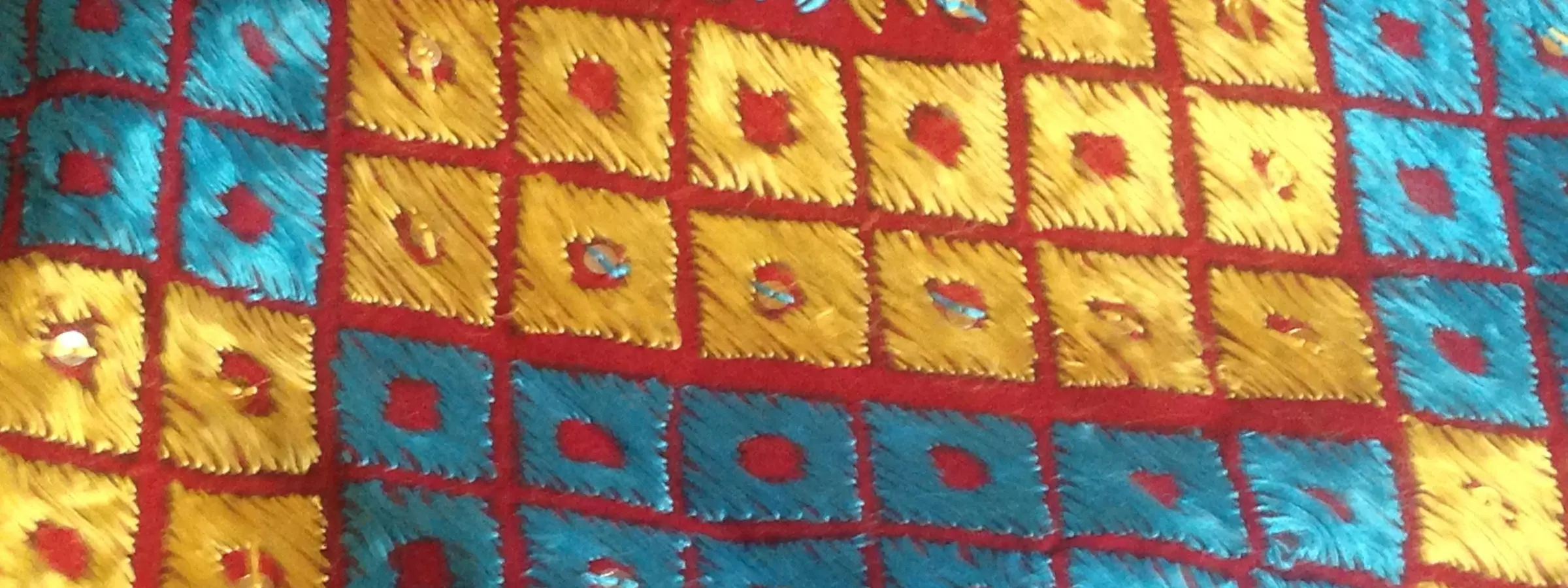
What a boutique’s store has to handle
- Platforms
- Shopify or WooCommerce
- One suit, three ways
- Unstitched, stitched, or made to measure
- Tax in Chandigarh
- CGST and UTGST; IGST beyond
- Address fields
- House, sector or phase, city, pincode
- Custom orders
- Measurements saved; full payment or advance
- Orders shipped by
- Your staff or your shipping partner
In short
- Ecommerce website development in Chandigarh usually means moving a boutique label’s suits from Instagram and WhatsApp chats onto a store with its own checkout.
- One suit can be sold three ways on a store: as unstitched dress material, stitched in standard sizes, or made to the buyer’s measurements.
- A store registered in Chandigarh charges CGST and UTGST within the Union Territory, and IGST on orders delivered to Mohali, Panchkula or any state.
- Saving a buyer’s measurements to their account lets a repeat customer order custom stitching without filling in the form again.
- We build tri-city stores remotely from Gandhi Nagar, New Delhi; packing and dispatch stay with the label or its shipping partner.
Ecommerce website development in Chandigarh usually starts with a boutique label that already sells, through Instagram posts, WhatsApp chats and fittings at the shop. We build Shopify and WooCommerce stores that carry those sales to a checkout, from Gandhi Nagar, New Delhi.
The region’s crafts, calendar and channels are on our page about ecommerce services in Chandigarh. This page covers the store: one suit sold three ways, saved measurements, tax across the tri-city and payment for wedding orders.
We run brands of our own as well. For a tri-city store, checkout and invoice tests should cover buyers across Chandigarh, Mohali and Panchkula.
Why move a boutique’s sales out of WhatsApp?
Because every chat sale needs a person, and a label grows only as fast as its phone can be answered. A store answers the common questions on the page, takes the payment, issues the GST invoice and keeps a record of who bought what.
The chat does not disappear; it changes its job. Buyers still ask about fabric, fit and wedding dates, but the conversation ends with a link to the product instead of a payment request typed into the chat.
Some orders will still start in a chat: matching suits for several women of one family before a wedding, say. The store can turn that conversation into one order with one payment link, so a family order ends with an invoice and a record too.
Moving across means rebuilding what the phone holds:
- The catalogue. Phone photographs replaced with consistent daylight shots, each suit with the same set of frames, and every piece given a style code.
- The prices. Prices quoted chat by chat turned into one price list, because a buyer who finds a lower price on the store than in a friend’s chat will ask why.
- The questions. What buyers ask most, answered on every product page: fabric, work, lining, dupatta, bottom style and stitching time.
- The customers. Past buyers added to the store’s list only where they agreed to hear from you, so the store’s first message is welcome rather than a surprise.
How can one suit sell three ways?
As one product with a choice of form: unstitched dress material, stitched in standard sizes, or made to the buyer’s measurements. Each form carries its own price, its own details on the page and its own rule for counting stock.
| Form | What the page must show | Stock counted as |
|---|---|---|
| Unstitched dress material | Piece lengths, fabric, lining, dupatta | Fabric sets |
| Stitched, standard sizes | Garment measurements, bottom style, the model’s size | Finished pieces by size |
| Made to measure | Measurement form, making time, return terms | Fabric sets, and the tailor’s capacity |
Two of the three draw on the same cloth. A custom order and an unstitched sale both use a fabric set, so they share one stock count, while finished sizes are counted piece by piece.
We set the store up so each form takes stock from the right place. Before Karva Chauth, Lohri and the wedding dates, the custom option also switches off on the last day stitching can still finish in time, while ready stock keeps selling.
Juttis and dupattas sit beside the suits as products of their own, linked from each suit’s page. Juttis are sold by foot length with a size guide on every pair; our page on how to sell footwear online in India covers sizing and exchanges.
Size charts for the stitched form come from finished pieces, not patterns, as our guide on how to sell clothes online in India explains.
Can a store remember a buyer’s measurements?
It can, and for a label that stitches to measure it should. A buyer who orders custom stitching saves the measurements to their account, confirms them on the next order and edits them when they change, so the tailor never works from a half-remembered chat.
- More than one profile. A buyer ordering for a mother and a daughter keeps a set for each, named by the buyer.
- The order sheet. Each order prints with its measurement set, fabric and bottom style, ready for the tailor.
- A date on every change. Edits are stored with their date, so a fit dispute can be settled from the record.
- A prompt to check. A profile unused for a season asks the buyer to confirm the figures before the next cut.
Measurements are personal data. The store collects them with the buyer’s consent and keeps them in the buyer’s account, and your privacy policy, written by you or your advisor, says how they are used.
Which GST applies across the tri-city?
Three different answers in one urban area. Chandigarh is a Union Territory, Mohali is in Punjab and Panchkula is in Haryana, so a store has to charge tax by the delivery address, and the right pair depends on where the label is registered.
- A label registered in Chandigarh charges CGST and UTGST, the Union Territory tax, on orders delivered within Chandigarh, and IGST on orders delivered to Mohali, Panchkula or any state.
- A label registered in Mohali charges CGST and SGST within Punjab, and IGST on orders delivered to Chandigarh or Panchkula.
- A label registered in Panchkula does the same from Haryana: CGST and SGST within the state, and IGST across the other two parts of the tri-city.
Chandigarh’s pair comes from the Union Territory GST Act, which names Chandigarh among the territories it covers. We set the store’s tax names so a Chandigarh invoice reads UTGST, not SGST, and test orders to all three cities’ pincodes before launch.
For clothing, the rate follows the price actually charged. At the time of writing, garments up to ₹ 2,500 a piece carry GST at 5% and those above it 18%, so a wedding suit discounted across that line changes rate.
The store’s rules follow the selling price after any discount, and your accountant signs off the test invoices before the store opens.
Can tri-city buyers collect or book a fitting?
They can, and many will want to. A buyer in Chandigarh, Mohali or Panchkula who orders online may prefer to collect from the boutique, or to come in for a fitting before a custom piece is cut, and both can be offered at checkout.
Shopify and WooCommerce both offer local pickup as a delivery option. A pickup order skips the courier, which takes away the refusal risk of cash on delivery for buyers near the shop.
A pickup order can still be paid online in advance, so the boutique hands over a piece that is already paid for.
Fitting appointments can be booked on the store through a scheduling app or plugin and tied to the order, so the shop knows who is coming and for which suit. Buyers elsewhere see delivery options only.
Why do tri-city addresses need their own fields?
Because the tri-city writes addresses by sector. Chandigarh and Panchkula use house numbers and numbered sectors, and Mohali uses phases as well as sectors, so a checkout with one free-text line collects addresses a courier has to guess at.
We split the form into house number, sector or phase, city and pincode. The city and state fill in from the pincode, so a Mohali buyer cannot choose Chandigarh by mistake and change the tax on the invoice.
Buyers beyond the tri-city get a delivery estimate by pincode on the product page. Hill-town pincodes in Himachal Pradesh can take longer to reach, and a buyer planning around a wedding date needs to know before paying, not after.
How should wedding orders be paid for?
By the kind of piece. Ready stock takes UPI, cards and net banking, with cash on delivery after a confirmation message; custom pieces take full payment or an advance at order, because a suit stitched to one buyer’s measurements cannot be sold to anyone else.

An advance can be taken at checkout through a deposit app or plugin. The order then waits at its own status while the suit is stitched, and a payment link for the balance goes from your gateway to the buyer before dispatch.
Wedding guests unsure of a size can give a gift card instead, where your platform plan includes them, and the person it is for orders later, in her own measurements.
Whatever the method, the buyer sees the terms before paying: what is refundable, what is not, and the date until which a custom piece can still be changed. Your advisor should approve that wording.
How does ecommerce website development in Chandigarh run?
Remotely, in four stages, with your decisions at each. Everything is built on a staging copy of the store, which you can open on your own phone at any point.
- Scope. Platform, the three forms of each suit, measurement profiles, payment terms for custom pieces, pickup, and tax set for where you are registered.
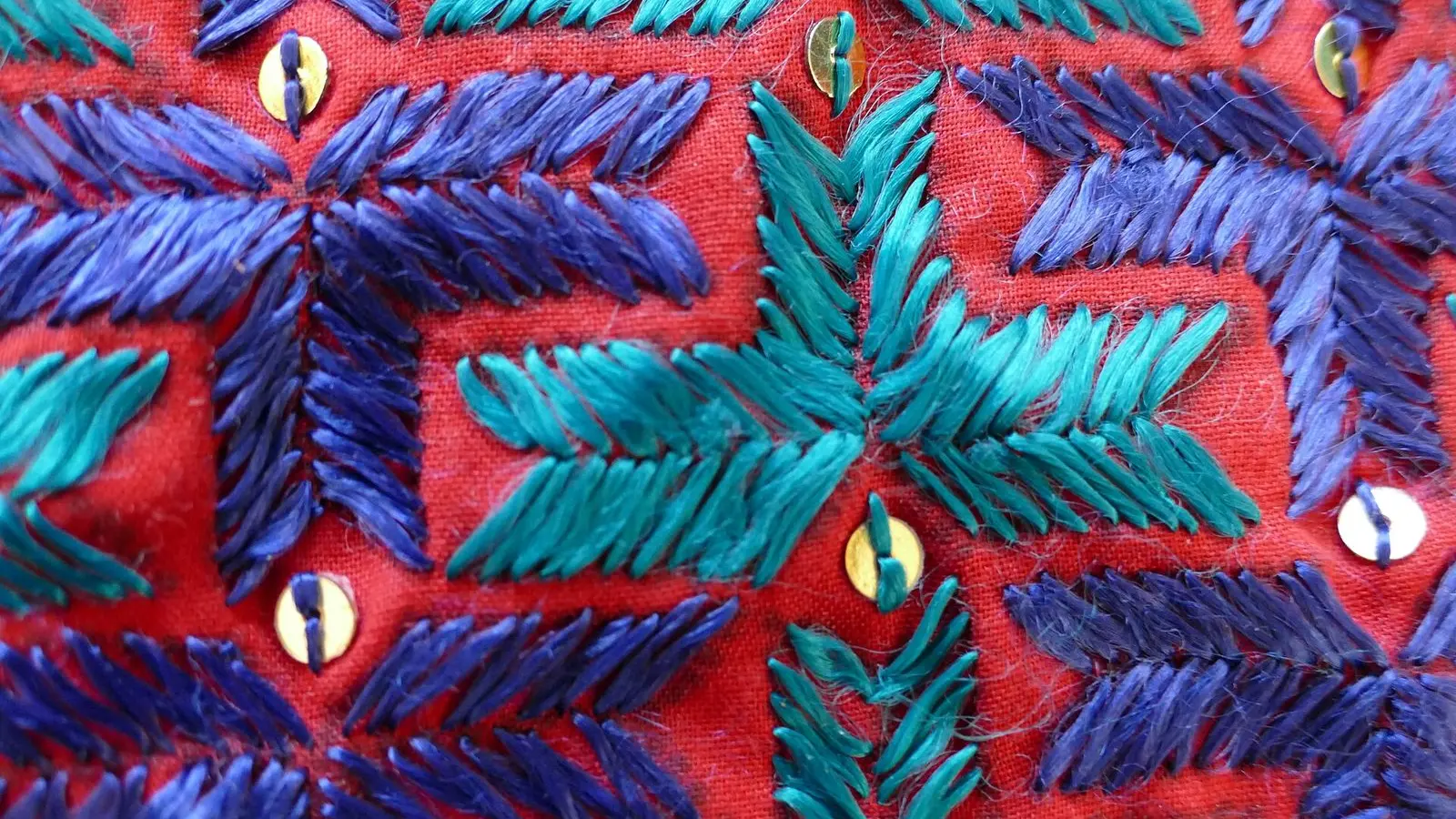
- Design. Reviewed on phones on the staging copy, with phulkari and embroidery close-ups checked for speed as well as looks.
- Launch rehearsal. Test orders in each form, to Chandigarh, Mohali and Panchkula pincodes, with invoices checked by your accountant.
- After launch. Monthly upkeep, with a short report on speed, checkout drop-off and refused orders.
Shopify suits most boutique labels without a developer; WooCommerce suits labels already on WordPress. Our pages on Shopify development and WooCommerce development go into each, and the full service is on our D2C website development page.
We do not pack or ship orders; the store connects to the shipping app you already use.
Ad budgets that bring buyers to the store are planned on our page about performance marketing in Chandigarh. To start, send your Instagram handle and the forms you sell suits in.
Stores, and what surrounds them
Shopify stores
Hosted stores for boutique labels without a developer, with stitching options and measurement forms built in.
WooCommerce builds
WordPress stores for labels already on it, with hosting, updates and backups kept up each month.
Measurement profiles
Custom-stitching forms that save each buyer’s measurements and send them with the order to your tailor.
Tracking from launch
GA4, Tag Manager, Meta Pixel and Conversions API in place before the first campaign sends anyone.
Budgets that fill the store
Ad targets and festival budgets for tri-city labels, set from margin on our Chandigarh planning page.
Questions tri-city labels ask about stores
How much does an ecommerce website cost in Chandigarh?
Can my website sell a suit both stitched and unstitched?
Is GST on a Chandigarh online store CGST and SGST?
Can customers save their measurements on my store?
Should I take full payment for custom suits online?
Can my Instagram followers buy directly from the store?
Can tri-city buyers pick up their orders from my boutique?
Can you build my Chandigarh store without meeting in person?
More of our work in this city
Tell us how your suits sell today.
Send your Instagram handle or current store, how many styles you carry and whether you offer custom stitching. We reply with the questions that shape the build, then a quotation.