Performance marketing services in Mumbai
We provide performance marketing services in Mumbai remotely, from Gandhi Nagar, New Delhi, for fashion labels, beauty brands and celebrity-led launches. Targets come from your margin, and budgets follow the city’s launches, drops and festive run.

What shapes a Mumbai media plan
- How we work
- Remotely, from Gandhi Nagar, New Delhi
- Headline measure
- Marketing efficiency ratio, then channel targets
- Creator spend
- Planned and counted as marketing spend
- Festive budget
- Set aside in July, released in steps
- Test window
- June and July, before the festive run
- GST on our fee
- 18%, charged as IGST
In short
- Performance marketing services in Mumbai set what ad spend must return for a brand, then plan budgets around launches, drops and the festive run.
- A celebrity-led launch sells on unpaid attention first, so paid media is judged on the marketing efficiency ratio, which no single platform can inflate.
- Paid creator posts are marketing spend: they belong in the media plan and its efficiency ratio, with a clear disclosure label under the ASCI code.
- Ganesh Chaturthi, Navratri and Diwali fall within weeks of one another in Mumbai, so festive budgets are set aside in July and released in steps.
- Kavita Enterprises plans Mumbai budgets remotely from Gandhi Nagar, New Delhi, with a weekly report and a monthly video review; media spend is billed separately.
Performance marketing services in Mumbai have to plan around attention the brand did not pay for. A celebrity post or an Instagram drop can sell more in an hour than a week of ads, and the plan must know what the paid part adds.
We plan remotely from Gandhi Nagar, New Delhi: targets from your margin, budget ranges, stop rules and a weekly report with one headline number, reviewed with you each month on a video call.
We run brands of our own as well, which is why every plan starts from what an order leaves you rather than from a platform’s dashboard.
How should a celebrity-led brand measure its ads?
By what paid media adds to the attention the brand already has. In the launch weeks most sales would happen anyway, and platforms retargeting the celebrity’s visitors will claim them, so the plan reads the marketing efficiency ratio first: all revenue over all marketing spend.

Below it sits the cost of each new customer, kept apart from repeat buyers. A launch that sells mostly to the celebrity’s followers has a low cost per order and an unknown cost per stranger, and strangers are what paid prospecting is for.
The plan also expects the spike to fade. Paid prospecting is budgeted for the weeks after it, when the brand’s own audience has bought and new buyers have to be found, and its target is set for that harder job.
Brand search and retargeting get small, capped budgets in the launch weeks. Both report excellent returns because they reach people the post already sent, and a pause test on brand search after launch shows how much of it was needed.
Where does creator spend fit in the plan?
Inside it, as marketing spend like any other. Creator fees and free product belong in the marketing efficiency ratio and the cost per new customer, so a launch that spends heavily on creators is not reported as cheap because the platforms never saw the money.
Every paid post needs a clear disclosure label, such as Ad, Sponsored or Collaboration, under the ASCI code. On Instagram and Facebook, branded content also follows Meta’s branded content policies, including the paid partnership label.
Creator content often outsells studio creative when run as an ad from the creator’s handle, with their permission. The plan gives that its own budget line, so boosting a creator’s Reel is compared with studio creative on the same terms: orders kept per rupee.
Each creator gets a UTM link and, where it suits, a code, so their unpaid sales can be read against what they cost. A creator whose code sells and a creator whose code does not are then judged on evidence, not on reach.
How should Mumbai’s festive budget be phased?
In steps that follow the city’s festivals, which arrive close together. Ganesh Chaturthi, Navratri and Diwali fall within weeks of one another, so the plan sets each one’s budget aside in July and releases it in measured steps as each begins.
| When | Where the money goes | Tests running |
|---|---|---|
| March or April | Gudi Padwa campaigns for Maharashtrian buyers | Marathi lines against English |
| June and July | Monsoon ranges, held steady | Festive creative, openings and offers |
| August or September | Ganesh Chaturthi, released in steps over its ten days | Nothing new; proven ads only |
| September or October | Navratri garba wear in the fortnight before the first night | Nothing new; proven ads only |
| October or November | Diwali gifting and the marketplaces’ sale events | Nothing that risks peak weeks |
| December | Party wear for Christmas and New Year | Creative for January’s quieter weeks |
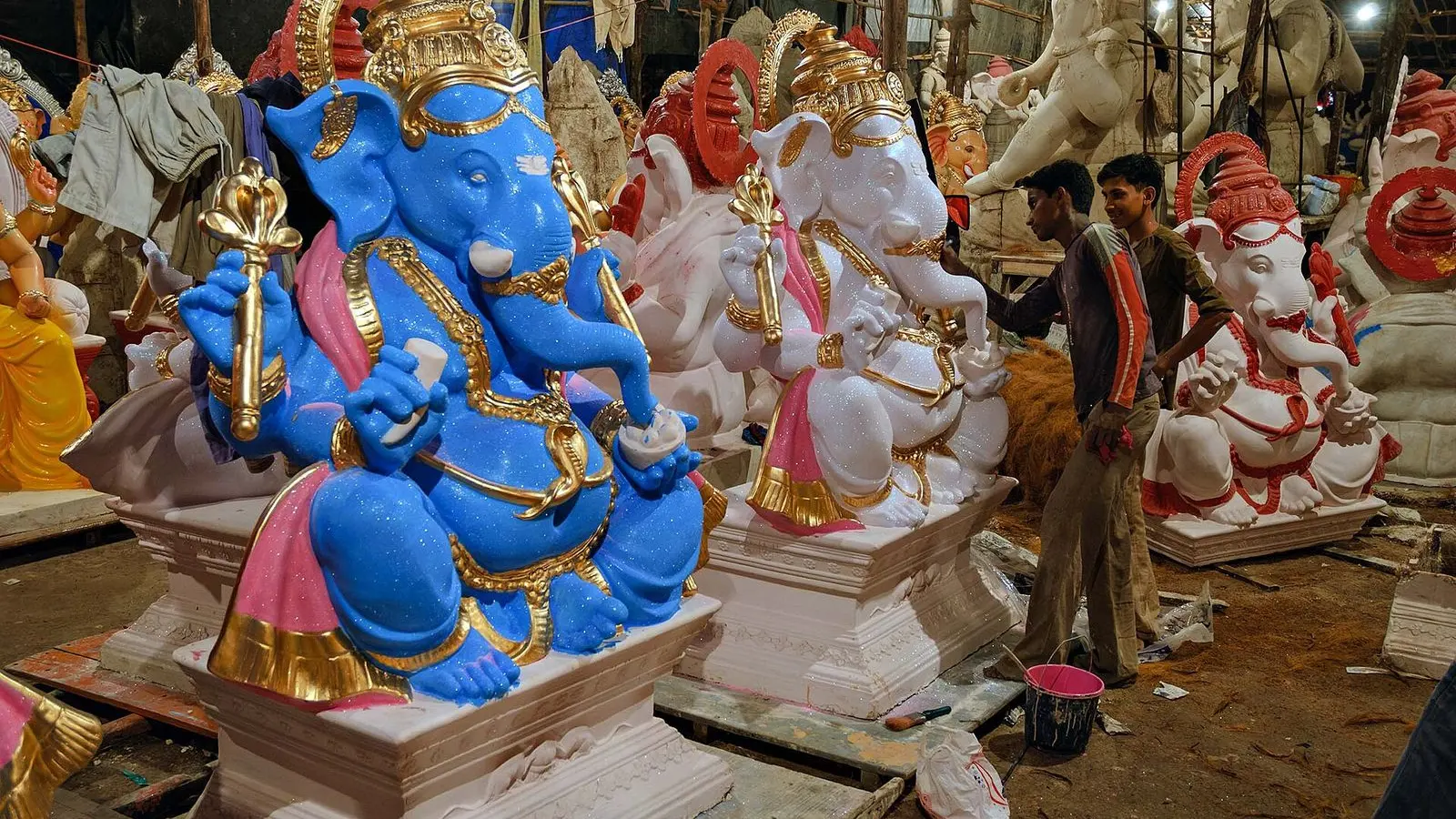
The ten days of Ganesh Chaturthi call for a budget spread across the festival, not spent on its first morning. Family ethnic wear sells early, décor and gifts through the middle days, and the ads change with each.
Navratri needs a sharper edge. Garba wear is bought in the two weeks before the first night, and buying stops once the dancing begins, so its campaign ends on a fixed date, and Gujarati creative is tested for the families who shop in it.
The monsoon months are the test window. Auctions are calmer in June and July, and festive creative tried then enters August with results behind it. Our guide to Meta ads for D2C brands covers the creative side.
Rainwear and footwear for wet streets get a small budget of their own from June, with a stop date for when the rains ease in September, so monsoon lines never compete with festive creative for the same rupees.
How do drops change a Mumbai budget?
Each drop gets a small budget plan of its own: a teaser before it, the main spend on drop day, and a stop rule tied to stock. A label that drops a collection every few weeks cannot run one flat monthly budget.
- Before the drop. A small teaser budget to the brand’s followers and lookalikes of past buyers.
- Drop day. The main spend, on the collection link, judged on orders kept rather than clicks.
- When sizes sell out. Spend stops on the sold-out sizes and styles, the same day.
- After the drop. Catalogue ads only for what is still in stock, and a list of buyers who missed their size.
Unspent drop budget does not roll into the next drop by default. If a drop sold out on its own, the plan records that the paid part was not needed, which is the most useful thing a budget can learn.
Where should Mumbai ads send buyers?
It depends on the week and the margin. A Mumbai label on Myntra and Ajio with its own store keeps more of each full-price sale on the store, while the marketplaces often convert better because shoppers already trust them.
So the plan decides per campaign. Full-price drops and new collections send Meta traffic to the store. During a marketplace’s sale event, ads point at its listings only where the deal price clears your margin after commission, and store ads are cut back meanwhile.
Never both for the same product in the same week, or two channels bid against each other for one buyer. The account side of those marketplaces is run under marketplace account management in Mumbai.
Do Mumbai beauty brands need a different target?
They need two: one for the first order and one for a buyer’s first months. Skincare and haircare are bought again when they run out, so a first order can carry a thinner target if your own reorder data shows the second order arrives.
Where the reorder lands matters too. Many Mumbai beauty brands sell on Amazon, Myntra’s beauty section and their own store, and a buyer won on Instagram who reorders on a marketplace in its sale event leaves you less than one reordering on your store.
So the plan follows reorders by channel, and the storefront’s reminders and refills are planned with the ads. Ads for beauty also follow claim rules; our page on how to sell personal care products online covers them.
Should Mumbai budgets reach the rest of Maharashtra?
Usually, with weights that follow the calendar. A Mumbai brand’s buyers are rarely only in Mumbai, and Gudi Padwa and Ganesh Chaturthi move demand across Maharashtra, from Pune to Nashik, while Navratri moves it towards Gujarati buyers in Mumbai and Gujarat.
We weight the budget by region in those weeks and read each region on orders kept after returns and refusals. Marathi creative is tested for the Maharashtra weeks and Gujarati for Navratri, each against English on the same budget.
What does a Mumbai brand’s weekly report show?
One headline number against target, then the lines a Mumbai brand’s spending actually needs. The report is one page, laid out the same way each week, written so a founder between shoots can read it in minutes.
- Headline. The marketing efficiency ratio against target, and a sentence on what moved it.
- Creators. Each creator’s cost, the orders their link or code brought, and what we recommend next.
- Drops. Spend and orders kept per drop, and the sizes that sold out first.
- Festive release. How much of each festival’s budget has been released, and what is held back.
- Decisions for you. More budget, a new creator, a price change or a stop.
What should Mumbai brands ask a planner?
If you are weighing up performance marketing agencies in Mumbai, test each one on what makes the city different. Three questions are enough:
- How will you separate a celebrity’s unpaid sales from what the ads added?
- Where will creator fees and free product appear in your numbers?
- How will you split the budget between Ganesh Chaturthi, Navratri and Diwali, and when will each part be released?
Our answers are written into the plan before any money moves. The general method for targets, budgets and stop rules is on our performance marketing services page.
How is a Mumbai plan run from Delhi?
From four things you share: read access to the ad accounts, costs for each product group, recent marketplace settlements, and a storefront export showing which orders came back or were refused. The plan is agreed in writing; reviews happen on video.
Campaigns are built and run under Google Ads management in Mumbai, and the purchase data every target depends on comes from conversion tracking setup. Our fee carries GST at 18% as IGST, and media spend never passes through us.
For the rest of what Mumbai brands sell and how, see ecommerce services in Mumbai. When you are ready, share your costs and the date of your next launch.
The plan, and the work it steers
Targets per product group
Break-even and target figures from your margin, with a separate view of first orders and reorders.
Instagram and Google campaigns
Meta and Google campaigns run inside your accounts against the plan’s targets and stop rules.
Tracking per creator and post
UTM links, codes and server-side purchase events, so a creator’s post and a paid Reel are counted apart.
Marketplace ads in the plan
Myntra, Ajio and Amazon ads paced with stock and deal prices through the festive run.
A store ready for launches
Speed, checkout and stock by size, which decide what any launch budget can earn.
Meta campaigns for drops
Teasers, drop-day spend and catalogue ads for sizes back in stock, planned per drop.
Questions Mumbai brands ask about ad planning
How much do performance marketing services cost in Mumbai?
How do I measure sales from a celebrity’s Instagram post?
Should influencer fees count in my ROAS?
When should a Mumbai brand plan its Ganesh Chaturthi ad budget?
What ROAS should a Mumbai skincare brand target?
Can you set targets while our in-house team runs the ads?
Do you meet clients in Mumbai?
Do Navratri ads need a different plan from Diwali ads?
More of our work in this city
Send us your margins and your calendar.
Tell us what you sell, where, and your next launch, drop or festival. We reply with the questions a target depends on and a time for a video call.