Performance marketing for Chennai brands
Our performance marketing services in Chennai set what your ad spend must return, from your margin, and pace the budget through Pongal, Aadi, Deepavali and the monsoon weeks. We plan and report remotely from Gandhi Nagar, New Delhi.
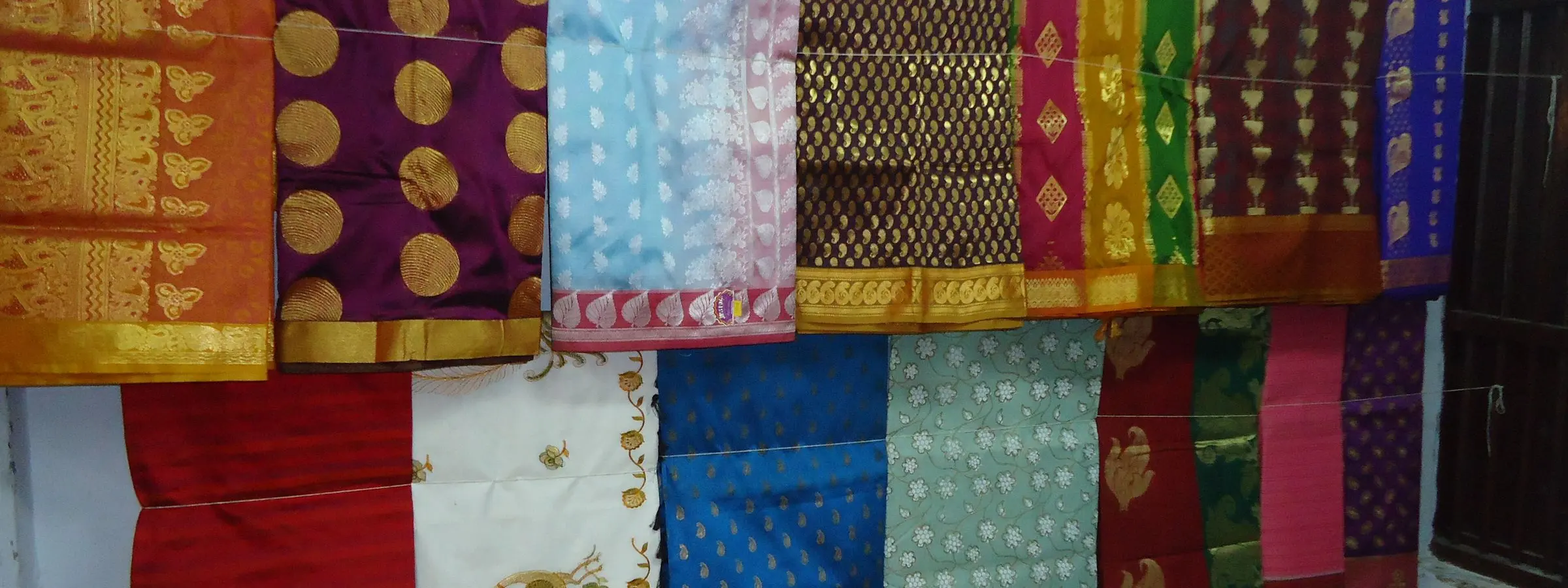
What a Chennai media plan works around
- Targets set from
- Margin per product group
- Peak budgets
- Pongal, Navaratri and Deepavali
- Target reset
- Aadi, mid-July to mid-August
- Sales off the pixel
- Shop counter and WhatsApp orders
- First test to plan
- Tamil against English creative
- Media spend
- Billed by the platforms, not us
In short
- Performance marketing services in Chennai set ad targets from each product group’s margin, so silk sarees, veshtis and footwear never share one blended target.
- Aadi discounts shrink the margin on every order, so break-even ROAS rises during Aadi and targets should be reset for that month.
- Silk houses with a shop counter should count the counter and WhatsApp sales their ads produce, or the ads will look weaker than they are.
- Tamil and English creative should be compared in a split test with one change between them, judged on orders that are kept.
- We plan Chennai budgets remotely from Gandhi Nagar, New Delhi; media spend is billed by Google, Meta and the marketplaces, apart from our fee.
Performance marketing services in Chennai start from a sum many ad accounts skip: what each order leaves after cost, fees and returns. From it we set targets, split the budget and pace it through Pongal, Aadi and Deepavali, remotely from Gandhi Nagar, New Delhi.
Campaigns can be run by our Google and Meta desk for Chennai brands or by your own team. This page is about the plan above them: what each rupee must return, when it is spent, when it stops and how it is counted.
Setting targets for silk, veshtis and footwear
Set a target for each product group, not one for the brand. A Chennai catalogue often spans products whose margins differ several times over, and a single blended target overspends on some lines while starving others.
| Product group | What drives its margin | What that means for the target |
|---|---|---|
| Silk sarees | High value; a return costs freight both ways and takes a one-off piece off sale | Room for more ad spend per order, with returns counted at their real cost |
| Veshtis and cotton sets | Low price, demand bunched around Pongal and weddings | Little room per order; ads work better on sets and fuller baskets |
| Footwear | Returns on fit, reverse freight, a new box | Target set on kept pairs, not on orders placed |
| Bedsheets and towels | Freight heavy against value on small orders | Sets and bundles carry ads where single pieces cannot |
Illustration: a saree order that leaves ₹ 4,000 after every cost except ads breaks even at ₹ 4,000 of ad spend; a veshti order leaving ₹ 200 breaks even at ₹ 200. One target cannot serve both.
Returns go into the model at their real cost, product group by product group. A target built on the catalogue’s average return rate is wrong for every group in it, and wrong in a different direction for each.
Why Aadi needs a target of its own
Aadi needs its own target because the discount comes out of the same margin that pays for the ads. When Tamil Nadu’s textile buyers expect lower prices, from mid-July to mid-August, every rupee off the price is a rupee less for winning the order.
Illustration: a product that sells at ₹ 1,500 and leaves ₹ 500 before ads breaks even at a ROAS of 3. Sold at ₹ 1,200 in Aadi, it leaves ₹ 200 and breaks even only at 6. The same campaign, left unchanged, now loses money.
So the Aadi plan fixes three things in advance: which lines are advertised at their sale price, the higher break-even line each must clear, and a smaller budget to match. Lines that cannot clear it are sold without ads, or not discounted.
New festive ranges stay out of Aadi advertising altogether. Their creative is tested at full price in the weeks after Aadi, so the versions that win are ready for Navaratri and Deepavali.
Budgeting Chennai’s year, from Pongal to Margazhi
The year’s budget is set as monthly ranges with the peaks reserved first. In Chennai that means holding money back for mid-January and the autumn, and spending less in the months when buyers wait.
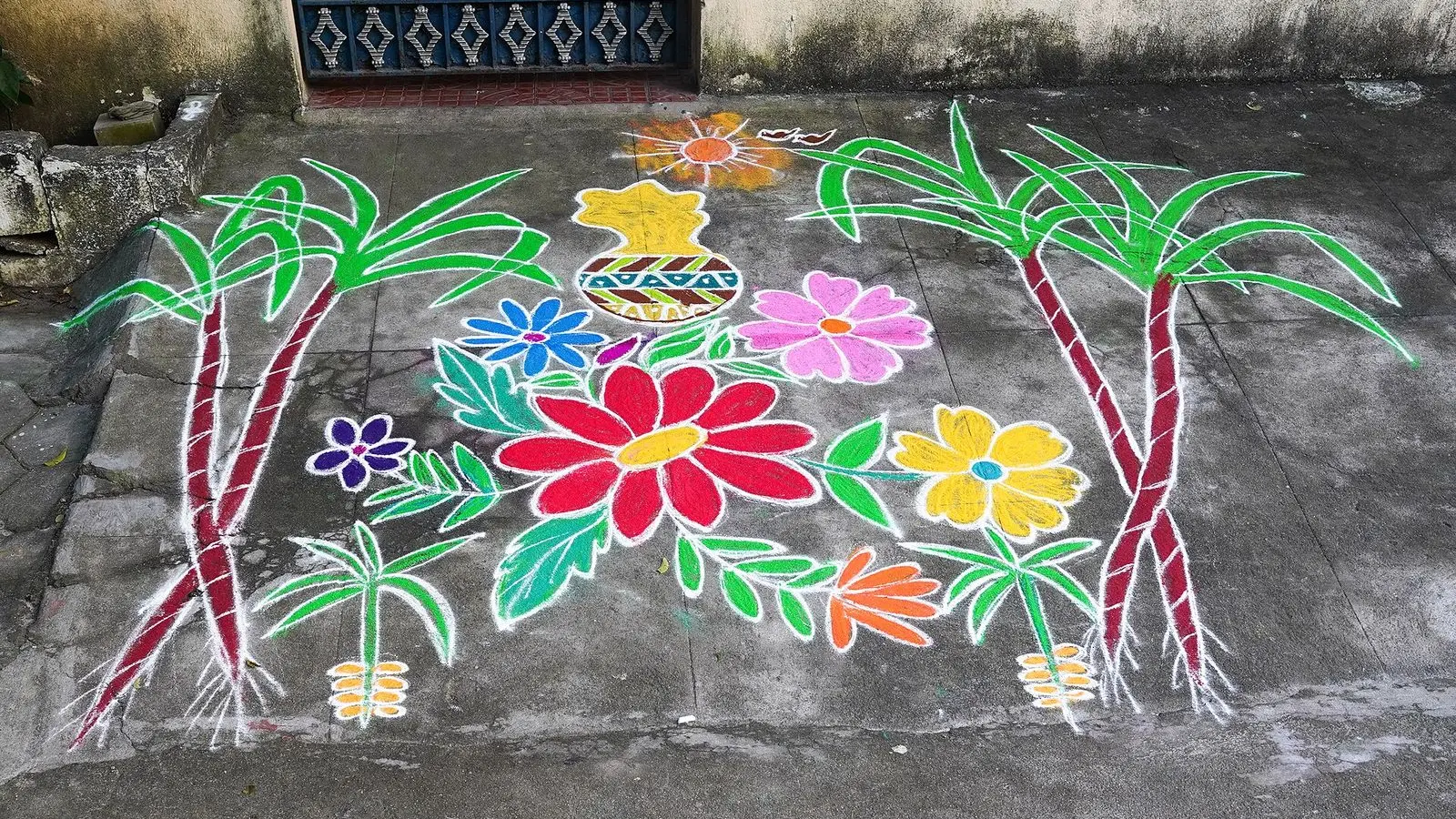
| Period | What the budget does | What the plan watches |
|---|---|---|
| Pongal and the Thai wedding month | Peaks for sarees, veshtis, kidswear and linen | Silk stock by piece; delivery before the day |
| Tamil New Year, mid-April | A short burst for family clothing | Summer cottons ready to sell |
| Aadi, mid-July to mid-August | Smaller, on sale lines only | The higher break-even line |
| Navaratri | Return-gift packs for Golu, and silk | Gift packs live before the festive events |
| Deepavali and the festive events | Usually the biggest share of the year | Stock depth, delivery promises, stop rules |
| North-east monsoon, October to December | Held flexible | Weather stops by area; the returns lag |
| Margazhi, mid-December to mid-January | Wedding silk eased off | Pongal creative tested and approved |
Peak weeks cost more per click, so creative is proven in the quiet months and only proven ads carry the peaks. Our guide to festive sale planning covers the stock side of the same calendar.
After Deepavali the plan cuts back early. Festive returns arrive through November and December, some delayed by the rain, and the season is judged only once they have landed.
Stop rules written for Chennai’s stock and weather
Every plan says in advance when spend stops, so nobody has to argue for a pause in the moment. A Chennai plan adds rules that a national template would not think to include.
- A one-off piece sells. Ads pointing at that saree stop the same day, whether it sold online or across the counter.
- A weather warning. When a cyclone or heavy-rain warning covers an area, spend aimed there pauses until it lifts, then restarts in steps.
- An Aadi floor is reached. A line whose price has fallen to its agreed floor comes out of ads rather than being pushed lower.
- A festive size runs short. Footwear and veshti sizes below the agreed stock level drop out of ads before they sell out.
Each stop is reported in the week it happens, with the rule behind it and the condition for restarting.
Counting sales the pixel never sees
A Chennai silk house often sells in more places than a pixel can see: across a shop counter, on WhatsApp and on the marketplaces. An ad that sends a buyer to any of them has done its work, even if no platform records it.
- The counter. An offer code or a mention used only in ads, logged at the till, shows which shop sales the ads brought in.
- WhatsApp. Meta’s click-to-WhatsApp ads open a chat with your shop; orders closed there are logged against the ad that started the chat.
- Marketplaces. A buyer who sees a saree on Instagram and buys it on Amazon shows up in marketplace sales and brand searches, not in Meta’s report.
All three feed MER, the marketing efficiency ratio: all revenue divided by all marketing spend. Because MER counts every sale once, whatever its source, it is the figure that opens a Chennai silk house’s weekly report.
The figures the platforms report still matter for running campaigns, so purchase tracking is checked before the first plan is signed off. That check is the job of our conversion tracking setup.
Testing Tamil creative one question at a time
Test Tamil against English as a single question with a fixed budget, and decide it on cost per kept order. If the picture, the offer and the audience change along with the language, the result cannot say which change mattered.
Meta’s A/B testing splits the audience so that nobody sees both versions, which two ad sets run side by side cannot promise. Meta can also target people by the language they use in the app.
Google works differently. From September 2026 it matches Search ads to the language they are written in, so a Tamil test on Google means Tamil ads, with Tamil keywords and a Tamil page to land on.
- When to test. In a quiet month such as March or June, never in Deepavali week, so the winner is ready before the peaks.
- What to test first. Festival messages and product video with a Tamil voice-over, where the language carries the most.
- How to read it. Cost per order after returns, by region, because a Tamil ad may win in Madurai and lose in Bengaluru.
A Tamil voice-over costs little extra if both versions are planned into one shoot: the same footage, two voice tracks, two sets of captions.
The Tamil itself should come from a fluent speaker who knows your buyers; the plan supplies the budget, the length of the round and the verdict.
Should a Chennai brand advertise beyond its state?
Advertise beyond Tamil Nadu where the margin survives longer-distance freight and returns, and where your marketplace sales already show buyers. Give each region its own budget line and target rather than one national figure.
A regional holdout shows whether that spend adds sales: switch a channel off in some comparable states, keep it on in others, and compare. It gives up sales while it runs, so it is worth running only when the answer could move money.
What a Chennai brand’s weekly report shows
One page, in the same order every week. The headline number comes first, usually MER or contribution after ad spend, followed by what moved it.

- Spend against the month’s range, by channel, with any budget moved and why.
- Results as each platform reports them, and as reconciled with orders kept after returns.
- Counter and WhatsApp sales logged against ads, where you record them.
- Tamil Nadu against the rest of India, where regions have their own budget lines.
- Tests running and finished, with what each decided.
- Decisions we need from you before the next peak.
For a silk house with a T. Nagar counter, the report sets the week’s ad-only offer codes redeemed at the till beside Meta’s own figures, so both are read together.
Festive weeks are restated once their returns land, so Deepavali is judged in December on final numbers, not in October on what the platforms claimed.
How we plan with you from Gandhi Nagar
Planning needs numbers more than meetings. We ask for your cost sheet by product group, recent marketplace settlement reports, read access to the ad accounts and your stock plan for the next peak, then work through a weekly call.
Rough figures are a fair start; we mark the estimates and replace them as real numbers arrive. What hurts a plan is late news: a price change, a delayed loom order, or a festive deal agreed without telling whoever sets the budget.
The full method is on our performance marketing services page, and our guide to ROAS, ACoS and TACoS explains the measures. Our Chennai page covers the rest of our work in the city; to begin, send us your cost sheet.
Planning, campaigns and the numbers behind them
Targets from your margin
Break-even and target ROAS worked out per product group from cost, fees, shipping, returns and RTO.
Campaigns run to the plan
Google, Meta and marketplace campaigns built and run in your accounts, with Tamil creative where it earns its place.
Tracking you can trust
GA4, the Meta Pixel and Conversions API checked first, so the plan rests on real, recorded orders.
Festive and gifting lines
Navaratri return gifts, Deepavali boxes and Pongal sets planned with stock, price and budget together.
A store worth the traffic
Shopify or WooCommerce stores for Chennai labels, quick on phones, so paid visits can turn into orders.
Questions Chennai brands ask about ad budgets
How much do performance marketing services cost in Chennai?
What ROAS should a silk saree brand target?
Should I advertise during Aadi?
How do I measure ads that bring buyers to my shop?
Is it worth testing Tamil ads?
Should my Chennai brand advertise outside Tamil Nadu?
Do you plan marketplace ads as well as Google and Meta?
Do we need to meet in person to start?
More of our work in this city
Tell us what each product leaves you.
Send your cost sheet, your channels and what you spend on ads now. We reply with our questions, then an outline of the targets a plan would set.