Private label clothing for Pune brands
We are a private label clothing supplier for Pune brands, many of them founder-led: kurtas for Ganeshotsav, black capsules for Sankranti and basics that reorder all year. Samples are raised in Delhi, partner units make the garments, and the lot travels to Pune with your transporter.
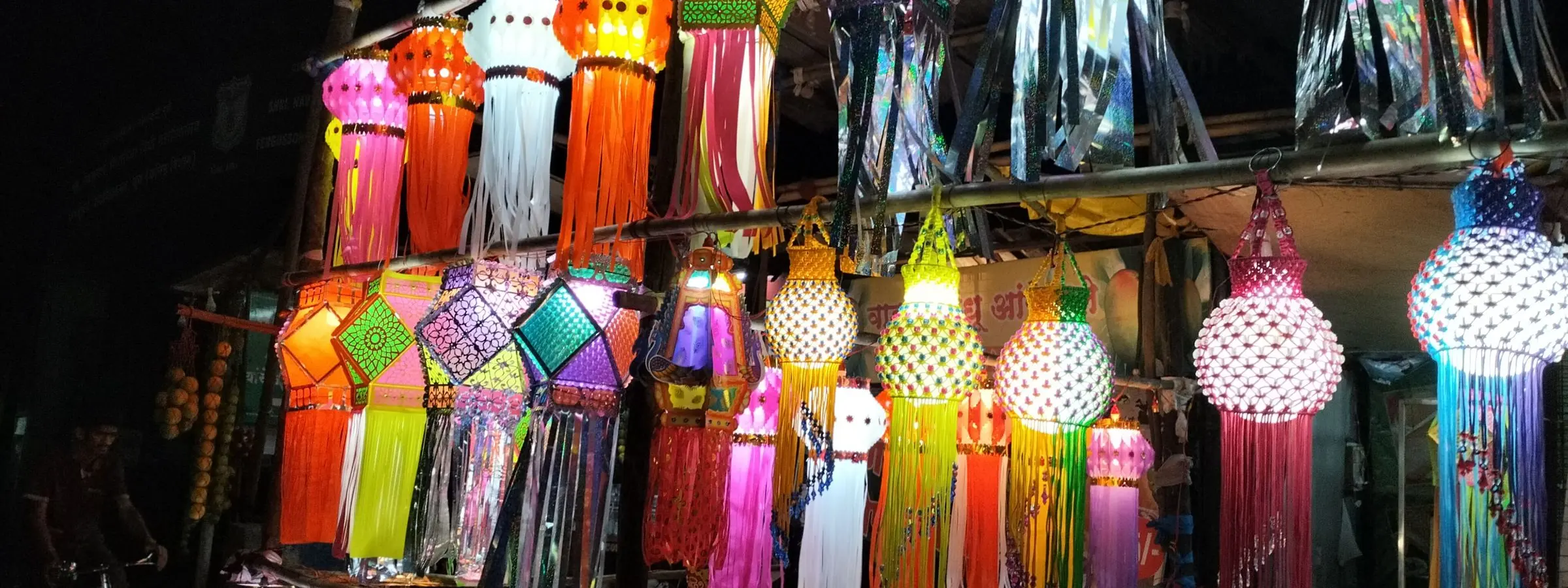
Private label on Pune’s calendar
- Who it suits
- Founder-led labels selling online first
- Festive deadline
- Ganesh Chaturthi, with stock already in Pune
- Colour to test
- Black, for Sankranti capsules
- Weather to plan
- Monsoon, June to September
- Samples raised in
- Delhi, approved from Pune
- Tax line
- IGST, kept on its own line
In short
- Pune’s founder-led brands can have clothing made under their own label through partner units, with samples raised in Delhi and approvals given from Pune.
- A Ganeshotsav private label lot must be in Pune before Chaturthi, and matching kurtas for a dhol-tasha pathak should come from one dye batch.
- Black garments for Makar Sankranti need a lab dip for the black itself and a colour-fastness test, because blacks vary between batches and can bleed.
- Monsoon rain in the ghats can slow lots travelling to Pune from June to September, so festive lots should be planned with room to spare.
- Clothing supplied from Delhi to Maharashtra generally carries IGST on its own line, which a registered Pune brand can claim as input tax credit.
As a private label clothing supplier for Pune brands, we run development in Delhi and partner units do the making, so founders spend their time on the brand, not at a cutting table. You approve from Pune.
Pune’s labels are often founder-led, started by people from the city’s IT, engineering and design worlds and sold online first. They tend to know exactly what a garment should do, and less about how a specification becomes a lot; that gap is our work.
What Pune brands put under their own label
Pune brands put two kinds of clothing under private label: festive pieces for Ganeshotsav, Gudi Padwa, Sankranti and Diwali, and basics that reorder all year, such as T-shirts, shirts, joggers and co-ords for students and young professionals who shop online.
A founder-led Pune label has one person deciding, which suits private label. Every sample, lab dip and label proof needs a written approval, and a founder who answers within the day keeps the schedule; one travelling for a fortnight moves every date after it.
Founders from Pune’s engineering belt often take to the specification once they see it: points of measure, tolerances and a dated version history read much like a drawing. Use that instinct, and the first lot arrives as specified.
Festive stock in the city before Chaturthi
Plan a Ganeshotsav private label lot so it is in Pune, counted and listed, before Ganesh Chaturthi. Festive kurtas for the ten days sell in the weeks before the festival, and a lot still in transit when Chaturthi begins has missed most of its season.
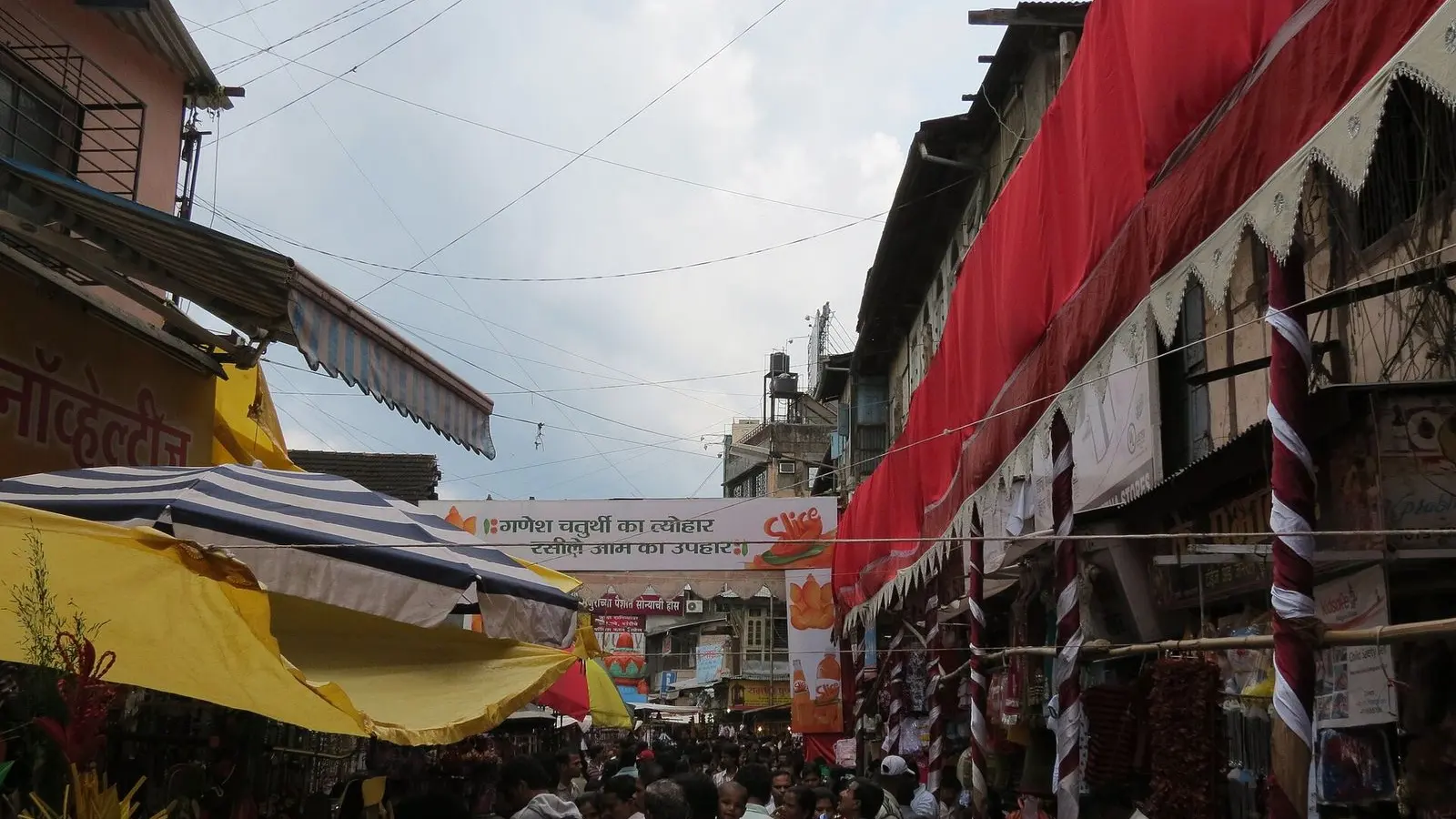
A Pune label that supplies dhol-tasha pathaks and mandals takes a different kind of order: matching kurtas for a whole group, in a size run from teenagers to adults. A group must look identical in procession, so its lot comes from one dye batch.
The shade is then checked across every bundle before packing, and a few spare pieces in the middle sizes save the pathak from a mismatched replacement later in the season.
Work back from Chaturthi: transit to Pune, the final check, bulk production, the pre-production sample, then fabric and colour on lab dips. Write the Chaturthi date on the brief, so every date on the quotation is counted back from it.
Black for Sankranti, and keeping it black
Makar Sankranti in Maharashtra brings black clothes for children and the newly married, which makes black a festive colour in Pune each January. A private label black capsule needs more colour control than most, because blacks vary between dye batches and between fabrics.
- A lab dip for the black itself. Approved in daylight against a physical reference, because jet black, blue-black and brown-black are all sold as black.
- One dye batch per style where possible, so a kurta and its bottom do not part company in daylight.
- Colour fastness. Tested on the washed sample, since a black that bleeds onto a white pyjama or a child’s skin comes back as a complaint.
- Trims matched to the black. Thread and buttons chosen to match, because a near-black button reads brown on a black kurta.
Sankranti stock is listed in December, so a black capsule’s samples are approved in the autumn, alongside the Diwali range rather than after it. Our sampling and sourcing page covers how lab dips are raised and approved.
Gudi Padwa and Diwali capsules
Gudi Padwa, the Marathi new year in March or April, is treated as an auspicious day to buy new clothes, so a Pune label’s Padwa capsule of kurtas and family sets should be in the city and listed by mid-March.
Diwali follows Ganeshotsav and Navratri within weeks, so one development season can carry three capsules: the same approved fit in different fabrics and colours, each on its own lab dip, rather than three new styles.
Our page on women’s ethnic wear covers how kurta sets are specified, from fabric and lining to the dupatta.
Nine colours for Navratri
In Maharashtra, each of Navratri’s nine days carries a colour that many women follow, and the list is announced each year. A Pune label can build a capsule around it, but nine colours means nine lab dips, approved together rather than one at a time.
Keep one approved fit across all nine, so the size set is approved once and colour is the only variable. Order the colours by the calendar too: the first days’ shades must be in Pune first, and the last can follow.
Check each year’s colours before you commit fabric, because the list changes. A colour dyed in bulk for last year’s list is stock for the clearance rail.
Basics for students and new joiners
Pune’s colleges bring students from across India at the start of each academic year, and its IT parks bring new joiners year-round, many of whom buy everyday clothes online. A Pune label serving them needs basics that reorder without drift: T-shirts, shirts, joggers and hoodies.
For that buyer, consistency matters more than novelty. Write fabric, GSM and wash into the specification, keep a counter sample, and brief each reorder against it; a hoodie that changes weight between lots draws reviews that follow the listing for months.
Pune’s winter is short and cool, so a lighter fleece than a northern label would choose suits its hoodies, which sell in a narrow window. See men’s shirts and T-shirts for how core tees and shirts are specified.
Size ratios for a city of newcomers
Pune’s students and new joiners skew young and come from every state, so a basics line sold to them rarely follows the size ratio of a family festive range. Build each line’s ratio from its own sales, not from one ratio for the whole label.
A Pune label’s first drop can borrow its ratio from the returns and stock-outs of a similar product you already sell, then correct it at the first reorder. Write the ratio on the brief, per colour, so the lot is assembled to it.
A founder’s first drop and its minimums
A founder’s first drop is often smaller than the minimums behind it: dyed fabric, woven labels and the partner unit’s run each set a floor. Three choices bring the floor down without changing the garment much.
- Stock fabric in a colour the market already holds, instead of fabric dyed to your shade.
- A printed label for the first run, with woven labels once the style has proved it sells.
- Fewer colours, so each one reaches its minimum, with more added at the first reorder.
Each choice costs some control, and the quotation shows the trade-off side by side, so the decision stays with the Pune founder, made with the numbers in view.
Monsoon months: shoots, transit and damp
The monsoon, from June to September, shapes a Pune label’s private label calendar three ways: it is when Ganeshotsav stock is being made, when heavy rain in the ghats can slow lots on the road to Pune, and when outdoor shoots get harder.
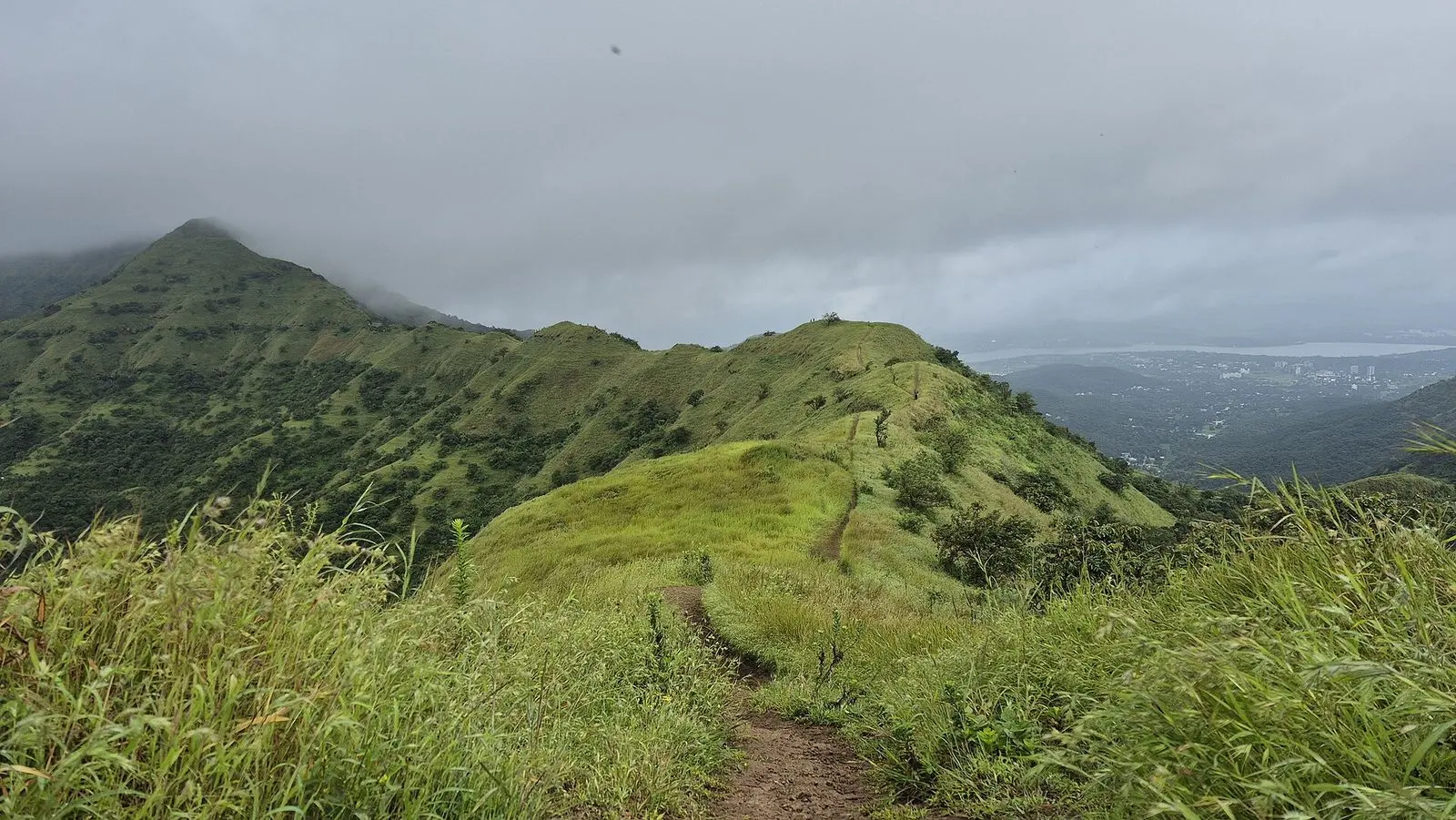
Ask for the lot to be packed in polybags, with your carton markings, and plan the handover to your transporter with room for a slow road. Transit time and insurance are for you and the transporter to settle, ideally before the goods leave Delhi.
Shoot the festive catalogue on the pre-production sample before the heaviest rains, indoors by a large window if you must, so the photographs show the colour the lot will carry.
Trek and run wear, and its claims
Weekend treks to the Sahyadri forts and the city’s running and cycling communities tempt many Pune labels towards quick-dry tees, trek pants and running layers. Those garments sell on performance, so the claims behind them need more than a good sample.
Any quick-dry, water-resistant or UV claim needs a test on the bulk fabric before it goes on a hangtag or a listing. A trek tee sold as quick-dry that stays wet through a Sinhagad climb earns exactly the review it gets.
Where none of our partner units makes a technical construction well, we say so before sampling, and the style may belong with a specialist maker instead.
Approvals, IGST and the lot’s handover
Approvals run from Pune in writing: samples, lab dips and label proofs reach you with photographs and a measurement sheet, and one approver replies with numbered comments. Nobody needs to travel; our only office is in Gandhi Nagar, New Delhi.
Delhi to Maharashtra counts as an inter-state supply, which is why a Pune brand’s tax invoice will usually carry IGST as a separate line; once registered, the brand can claim it as input tax credit, and its advisor can confirm the treatment.
A Pune lot’s rate depends on price: under the GST rates for readymade garments revised on 22 Sep 2025, a piece sold at up to ₹ 2,500 attracts 5% and a dearer one 18%, at the time of writing, as the quotation confirms.
Packed for sale online, each kurta needs its Legal Metrology declarations, the MRP, net quantity and the packer’s name and address among them; the marketplace listing carries the same, minus the month and year. The checked lot then goes to your transporter in Delhi.
How a Pune founder starts
Start with one style you already sell, or a reference garment you trust, with quantities by size, your label artwork and the date stock must be in Pune. Our guide on starting a clothing brand in India covers the decisions around the garment.
Test a line against your price on the rate card, then send the brief from our contact page. Our page on ecommerce services in Pune covers storefronts, tracking and ads, and our private label clothing page covers the service end to end.
Private label work for Pune brands
Your label, start to finish
Specification, partner unit, samples, labels and the final check, for clothing sold under a Pune founder’s brand.
Lab dips for Sankranti black
Black shades matched on lab dips and wash-tested before bulk, so a Sankranti capsule stays one black.
Festive kurta sets
Kurta sets for Ganeshotsav, Gudi Padwa and Diwali, developed to your fit chart and approved size set.
Basics that reorder
T-shirts, shirts and hoodies for students and new joiners, with fabric, GSM and wash fixed in the specification.
A storefront for the label
Shopify or WooCommerce stores for Pune labels, with size charts taken from the approved size set.
Questions Pune founders ask about private label
Can a Pune startup get clothing made under its own brand?
When should I order Ganeshotsav kurtas for my Pune brand?
Can you make matching kurtas for a dhol-tasha pathak?
How do I make sure a Sankranti black capsule does not bleed?
Is IGST charged on clothing from Delhi to Pune?
Does the monsoon delay garment lots to Pune?
How small can my first private label order be?
Can I approve samples on a video call?
More of our work in this city
Tell us what your Pune label needs made.
Send a reference, quantities by size, your label artwork and the festival you are aiming at. We reply with questions, then a sample plan and a quotation by the piece.