Private label clothing for Mumbai brands
We are a private label clothing supplier for Mumbai brands that want everyday lines, launch drops or festive capsules made under their own name. Sampling and sourcing run in Delhi, partner units make the garments, and the lot travels to Mumbai with your transporter.
Private label for Mumbai, in brief
- Who it suits
- Fashion labels, creator and celebrity brands
- Typical lines
- Kurtas, co-ords, shirts, festive capsules
- Made by
- Partner units we brief and check
- Samples raised in
- Delhi, sent to you in Mumbai
- Dates to plan
- Ganesh Chaturthi, Navratri, Diwali, party season
- Tax line
- IGST, shown apart from the rate
In short
- Mumbai brands can have clothing made under their own label from Delhi, where samples are raised and partner units make the lot their transporter collects.
- A celebrity- or creator-led Mumbai launch should plan private label stock backwards from the first post, with size depth fixed before production starts.
- Mumbai labels that keep occasion wear with their own karigars can move everyday kurtas, shirts and co-ords to private label without touching the occasion range.
- Mumbai’s festive run falls in the monsoon’s last weeks, so capsules for Ganesh Chaturthi and Navratri should be shot and stocked before the rains.
- Clothing supplied from Delhi to a Maharashtra brand generally carries IGST on its own line, and the per-piece quotation keeps freight separate.
As a private label clothing supplier for Mumbai brands, we develop garments under your label in Delhi: samples raised there, partner units making the lot, and your woven labels in every piece. The finished lot goes to your transporter in Delhi and on to Mumbai.
Many fashion labels are run from Mumbai, and film and creator names launch labels of their own there. Plenty design and sell their own collections; what they want from a supplier is the making, at a scale between a tailor and an export house.
What Mumbai brands move to private label
Mumbai brands usually move their everyday lines to private label first: kurtas and kurta sets, co-ords, shirts and the pieces that return in every collection. Occasion wear, with its handwork and fittings, often stays with the label’s own karigars in the city.
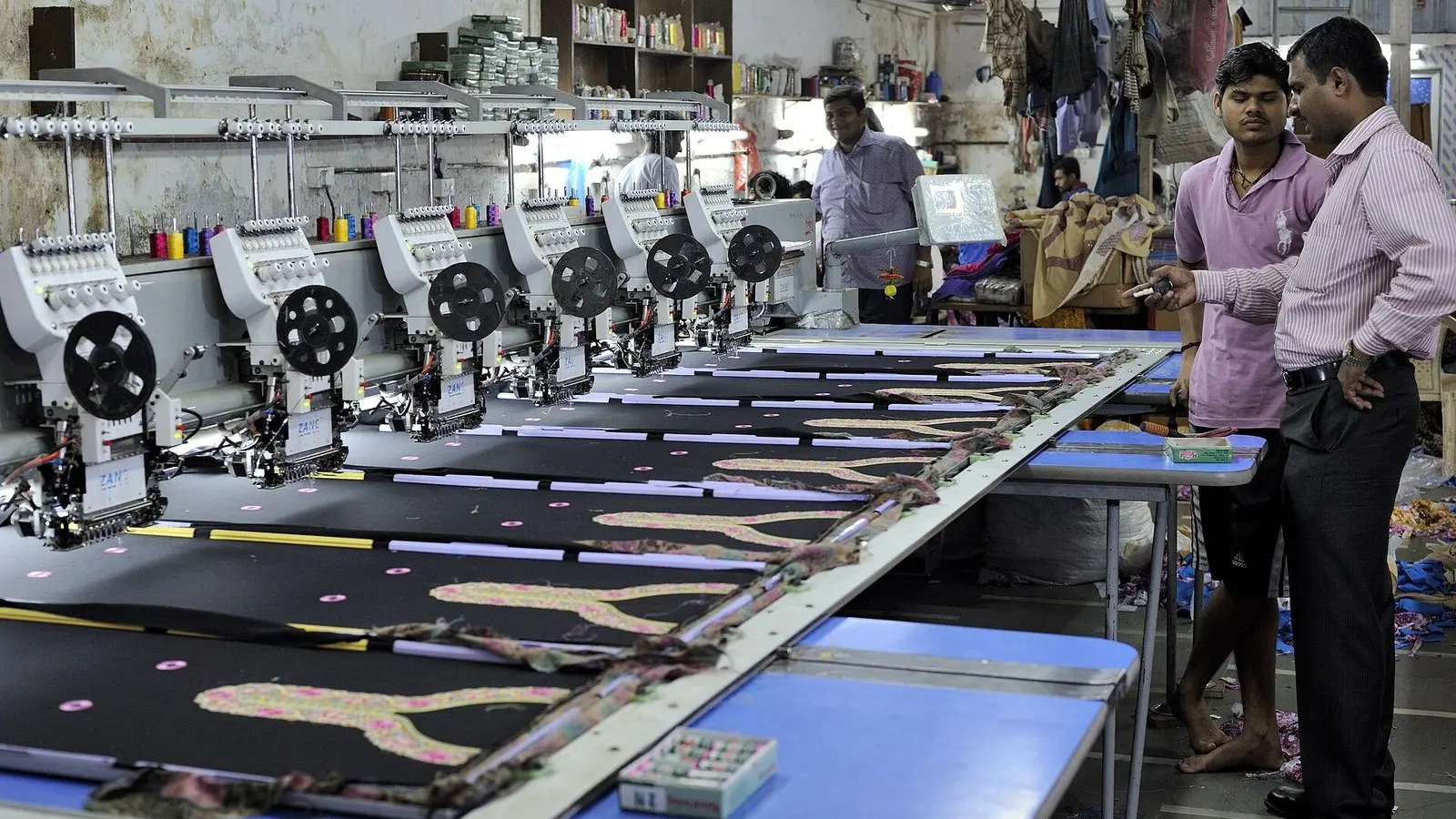
For a Mumbai label the split works because the two kinds of garment need different things. A hand-finished lehenga needs a fitting; a cotton co-ord in five sizes needs a written specification, a graded chart and a partner unit that already makes that construction.
Dharavi’s workshops and the city’s tailoring trade give Mumbai labels local options, and some keep everything in the city. Delhi earns its place as a second source, for a category local makers do not take on, or when several lines need developing in one conversation.
Our private label service covers the full sequence, from specification to the final check; this page is about how that sequence fits a Mumbai label’s launches, fabrics and festive calendar.
Planning a launch drop around the first post
Plan a creator or celebrity launch backwards from the first post, because size depth, pre-production approval, labels and transit to Mumbai all have to land before it. A private label lot cannot be hurried once the post is scheduled.
- The post date. Everything else counts back from the day the announcement goes out, and that date belongs on the brief.
- Stock in Mumbai. The lot reaches your transporter in Delhi early enough to be counted, photographed and listed in Mumbai before launch.
- The pre-production sample. Approved with real labels and trims, so the launch shoot shows the garment buyers will receive.
- Size depth. Set from your audience’s likely sizes rather than a flat ratio, since the sizes that sell out first decide how the launch is remembered.
- Labels and tags. Ordered as soon as the artwork is final, because woven labels run on their own schedule.
Shoot the launch campaign on the pre-production sample, not an early proto in substitute fabric. Mumbai shoots are booked well ahead, and the shade, fit and labels in those photographs have to match the lot, or the first reviews will say so.
If the first drop sells through, the reorder is the second test. We keep the counter sample, the latest specification and your label references, so a repeat can be briefed to the same partner unit without starting again.
Taking pre-orders against a private label lot
Some Mumbai labels sell a drop on pre-order and make to the orders taken. That works only if the delivery date promised to buyers sits behind the dates on the quotation, with room for a sampling round or a transporter that runs late.
A Mumbai label taking pre-orders should do so on approved styles only, never on a proto. The pre-production sample is what the lot is checked against, so it is also the only fair picture to sell from.
Matching fabric from Mumbai’s cloth markets
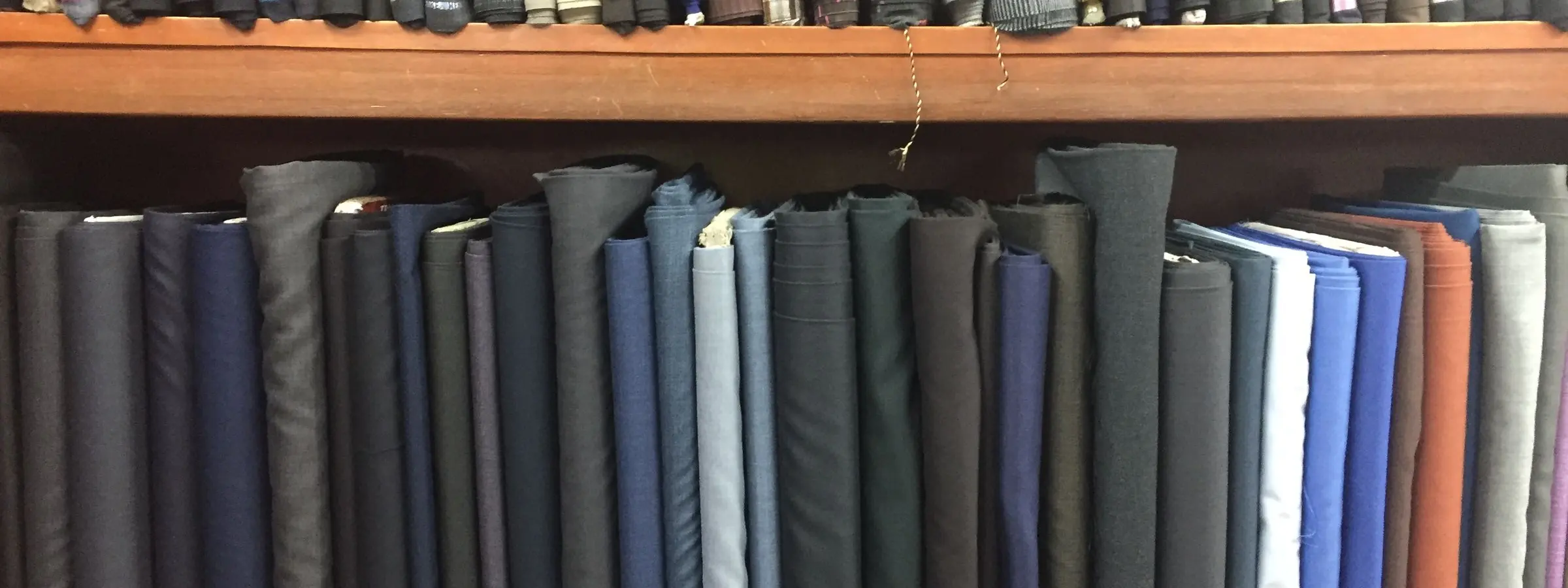
Many Mumbai labels start a style from fabric found in the Kalbadevi lanes or Mangaldas Market. That swatch is the reference: we match it in Delhi by composition, weight, hand feel and shade, or have fabric dyed to a lab dip you approve.
Send the Mangaldas swatch itself rather than a photograph of it, and compare the match in daylight, not under shop lights. Printed fabrics need one more step: a strike-off of the print on the actual base cloth, approved before any length is printed.
When the exact cloth cannot be found, our sampling and sourcing work says so plainly and lists how the nearest options differ, so you choose with the Kalbadevi swatch in one hand and the alternatives in the other.
Denim is a different case, because Ulhasnagar’s denim trade is in Mumbai’s own region. Labels that want jeans developed alongside their shirts and co-ords, to one fit standard, can read our page on denim and bottoms.
Fabrics for a humid city
Mumbai is humid for most of the year and wet through the monsoon, which narrows the fabrics a Mumbai label can sell in volume: cottons, linen blends and viscose that breathe, linings only where a garment needs them, and colours that hold through frequent washing.
Write those choices into the specification as tests, not adjectives. A shrinkage and colour-fastness check on the washed sample costs far less than a monsoon of returns from shirts that shrank or co-ords that bled onto the rest of the wash.
Monsoon capsules of quick-dry shirts and rain-friendly co-ords are tempting for June launches. Any quick-dry or water-resistance claim on a hangtag or listing needs a test on the bulk fabric behind it, or it becomes the first thing reviews dispute.
Festive capsules and the monsoon calendar
Mumbai’s festive run of Ganesh Chaturthi, Navratri and Diwali falls in the last weeks of the monsoon and just after it, so develop and shoot festive capsules before the rains set in.
| When | What Mumbai labels release | Decide early |
|---|---|---|
| Ganesh Chaturthi, Aug or Sep | Kurtas and kurta sets for the family | Fabric and colour, on lab dips |
| Navratri, Sep or Oct | Kediyus, festive co-ords, Indo-western sets | Fit and the size set |
| Diwali, Oct or Nov | Festive kurtas, occasion co-ords, gift-ready sets | Labels, tags and gift packing |
| Party season, Nov to Feb | Shirts, dresses and co-ords for weddings and New Year | Fabric, chosen by the end of the monsoon |
Family kurtas sell in the days before Ganesh Chaturthi, and a Mumbai label’s garba range sells in the fortnight before Navratri’s first night. Each capsule needs its lot in the city, counted and listed, before its window opens rather than during it.
Navratri’s garba and dandiya nights draw Gujarati families and many of their neighbours, so a Mumbai label’s kediyus and festive co-ords can sell across the city rather than to one community alone.
Damp is a monsoon risk for stock too. Ask for polybags in the packing instructions for lots travelling in July and August, and keep cartons off the floor once they reach Mumbai. Our festive and gifting page covers the sale events that follow.
Labels, tags and declarations for Mumbai labels
Your label is what a Mumbai shopper reads first, often in a styled photograph before the garment arrives. Woven main labels, size and care labels and hangtags are made to your artwork and approved as proofs before the lot is finished.
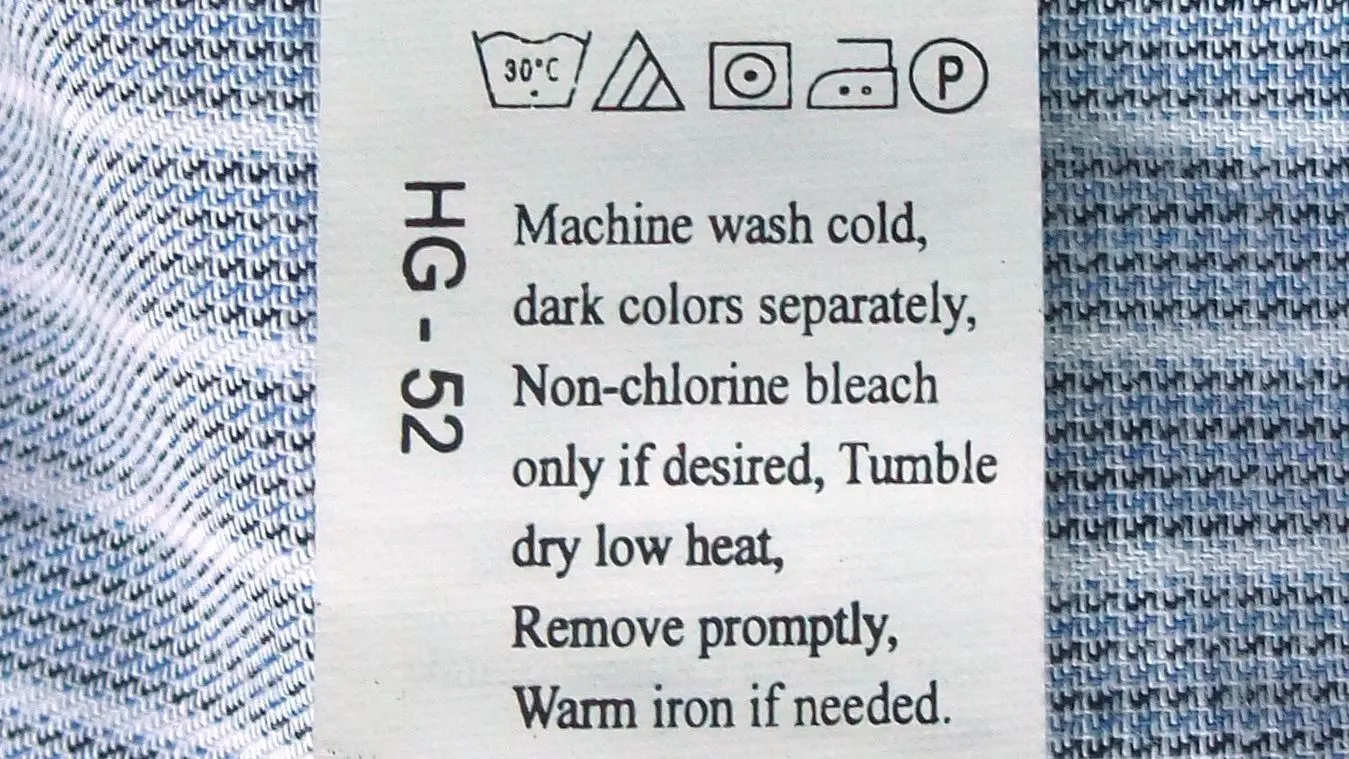
If the pieces sell on Myntra, Ajio or Amazon, each pack carries the Legal Metrology declarations: MRP, net quantity, the manufacturer’s, packer’s or importer’s name and address, month and year, and a consumer-care contact. The listing repeats all of them but the month and year.
A Mumbai label should agree with its advisor whose name appears on those declarations, and in what capacity, before the hangtags are printed.
Myntra and Ajio onboard brands rather than loose products, so the name woven into the garment should be the brand you register with them. Settle trademark questions on that name first, because woven labels are expensive to redo.
Approvals from Mumbai, without a trip to Delhi
Approvals run from Mumbai. Samples, lab dips and label proofs travel to you with photographs and a measurement sheet, and you reply in writing; nobody from the label needs to come to Delhi, and our only office is in Gandhi Nagar.
Celebrity-led labels often route a sample through a manager, a stylist and the founder. Name one approver for each decision and send one consolidated reply, because three sets of comments that disagree cost a round of sampling each time.
Measure the way the specification measures. A sample checked on a dress form in a Bandra fitting room and a unit that measures flat in Delhi will disagree about the same garment, so agree the method and points before the first sample travels.
Costs, IGST and getting the lot to Mumbai
A Mumbai label pays for private label in more than the per-piece rate: sampling rounds, label and fabric minimums, approval time, and stock only it can sell. The rate card gives indicative rates by line; your quotation sets the rate for your style.
Clothing supplied from Delhi to a Maharashtra brand is an inter-state supply, so the tax invoice will generally show IGST on its own line, which a registered label can claim as input tax credit.
At the time of writing, a garment with a sale value up to ₹ 2,500 a piece carries GST at 5%, and one above it 18%, from 22 Sep 2025. For an occasion-weight co-ord near that line, the quotation shows which rate applies.
The finished lot is checked against the approved pre-production sample, packed to your instructions and handed to your transporter in Delhi with the tax invoice and packing list. Freight to Mumbai stays “to be confirmed” until your transporter prices it.
How a Mumbai label starts with us
Start with one style, not a collection: a reference garment or sketch, quantities by size, your label artwork and the date the stock must be in Mumbai. Our note on planning a first private label order sets out what to decide before sampling.
We reply with the questions that decide the route, then a sample plan and a quotation by the piece. Send the brief through our contact page; for marketplace accounts, storefronts and ads, see our page on ecommerce services in Mumbai.
Private label work for Mumbai brands
Your label, end to end
Specification, samples, woven labels and the final check, with the garments made by partner units we brief and hold to it.
Matching a Kalbadevi swatch
Fabric matched in Delhi to a swatch from Mumbai’s cloth markets, or dyed to a lab dip you approve.
Kurtas and kurta sets
Everyday and festive ethnic lines for Mumbai labels, developed to your fit chart and an approved size set.
Shirts for launch drops
Men’s and unisex shirts for a drop, with labels, tags and packing approved before bulk production starts.
Listings from the spec
Size charts and attributes for Myntra, Ajio and your storefront, written from the approved pre-production sample.
Questions Mumbai labels ask about private label
Who makes private label clothing for Mumbai brands?
Can I start a clothing label in Mumbai with private label?
How long does a private label launch take from Delhi?
Can you match fabric I bought in Kalbadevi or Mangaldas Market?
Is IGST charged on clothing sent from Delhi to Mumbai?
Do I need to visit Delhi to approve samples?
What is the smallest private label order for a Mumbai label?
Can you list my label on Myntra and Ajio as well?
More of our work in this city
Tell us what your Mumbai label needs made.
Send a reference, quantities by size, your label artwork and the date stock must be in Mumbai. We reply with the questions that decide the route, then a sample plan and a quotation.