Google Ads management in Chennai
Our Google Ads management in Chennai runs search, Shopping, Performance Max and Meta campaigns for silk, footwear and linen brands, with Tamil ads tested beside English. We work inside your own accounts, remotely from Gandhi Nagar, New Delhi.
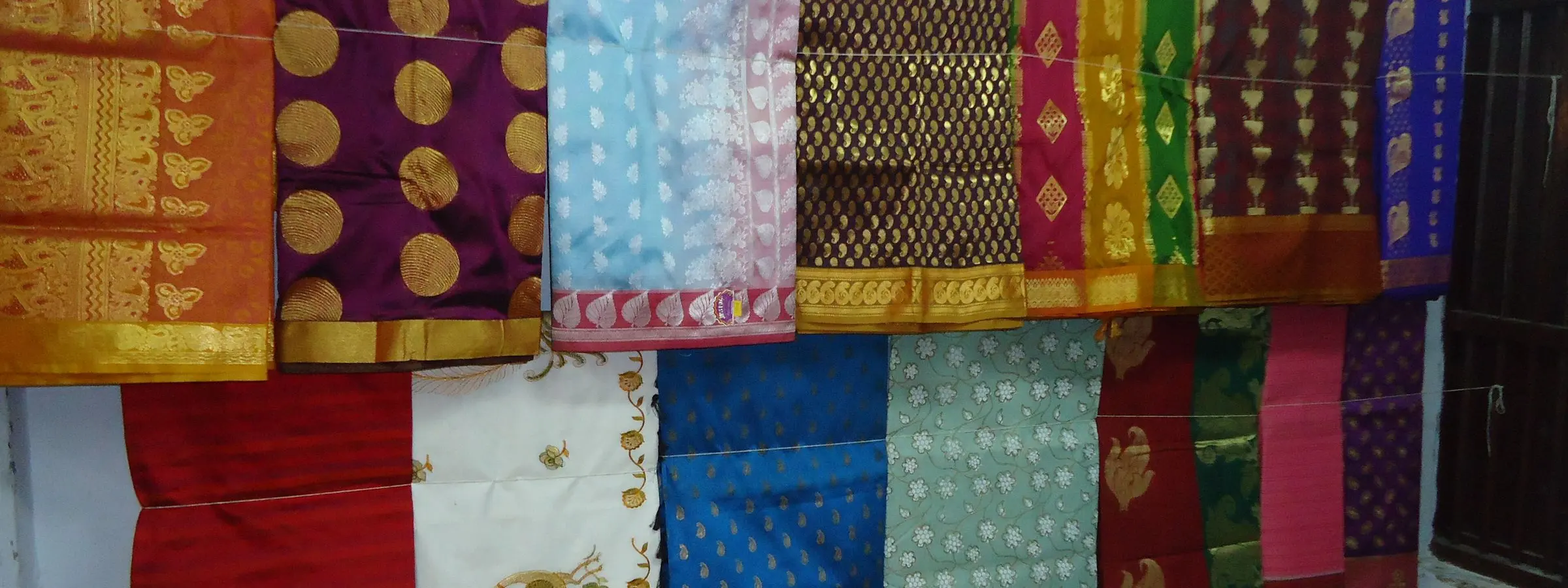
What shapes a Chennai ad account
- Platforms
- Google Ads, Meta Ads, marketplace ads
- How buyers search
- English, Tamil script, Tamil in English letters
- Words to cover
- Pattu, kanchi pattu, veshti, pavadai
- Claim to check
- Kanchipuram only for sarees woven there
- Feed risk
- One-off pieces sold at the counter
- Access
- User access, never passwords
In short
- Google Ads management in Chennai means search, Shopping and Performance Max campaigns built around how Tamil Nadu buyers search for silk, veshtis and footwear.
- From September 2026, Google matches Search ads to the language they are written in, so searches in Tamil script need ads written in Tamil.
- Ads may call a saree Kanchipuram only if it was woven there, because the name is a registered geographical indication.
- A one-off saree sold at the counter must leave the product feed at once, or Shopping and catalogue ads keep paying to show it.
- We run Chennai brands’ Google, Meta and marketplace ads inside their own accounts; media spend is billed by the platforms, apart from our fee.
Google Ads management in Chennai starts with how Tamil Nadu searches: in English, in Tamil script, and in Tamil words typed in English letters. We build and run search, Shopping, Performance Max and Meta campaigns around that, from Gandhi Nagar, New Delhi.
Campaigns run inside your own Google, Meta and marketplace accounts, against targets agreed before any spend. Because we run brands of our own as well, a loose account is a cost we know from the side that pays for it.
Search terms Chennai buyers type, in two scripts
Build keyword lists in both scripts, and in the spellings people actually type. A buyer after a silk saree may search in English, type pattu or kanchi pattu in English letters, or search in Tamil script on a phone set to Tamil.
From September 2026, Google matches Search ads to the language they are written in, including the Search part of Performance Max, and campaign language settings no longer apply there. Searches in Tamil script therefore need ads written in Tamil.
- English-script terms: kanchipuram silk saree, soft silk saree, pattu saree, veshti, silk dhoti, pattu pavadai, and the misspellings the search terms report turns up.
- Tamil-script terms in ad groups of their own, with ads written in Tamil and landing pages in Tamil where you have them.
- Brand terms in a campaign of their own, so cheap brand clicks do not hide what generic searches cost.
The town’s name alone has several spellings: Kanchipuram, Kancheepuram, Kanjeevaram and Kanchivaram all turn up in searches. Each goes into the keyword lists, and the search terms report shows which ones your own buyers use.
Our Google Ads management keeps these groups apart because each has its own cost and its own buyer: someone typing your shop’s name is not the same prospect as someone comparing soft silk sarees.
Keeping temple and travel searches out
Kanchipuram is a temple town as well as a silk town, so broad keywords on its name catch searches about temples, darshan timings, buses and hotels. Each of those clicks is paid for by someone who was never shopping for a saree.
Negative keywords come from the search terms report: the travel and pilgrimage words it shows, plus “rent”, “wholesale” and “how to identify pure silk”, which a retail brand usually excludes. The town’s name stays in phrase and exact match, beside saree or silk.
Footwear from the leather towns has a trap of its own. Ambur is known for its biryani as well as its leather, so a broad match on the town’s name buys food searches, and footwear campaigns get negative lists of their own for that reason.
Using the Kanchipuram name honestly in ads
Use “Kanchipuram” in a headline only for sarees woven there. The name is a registered geographical indication, and an ad that gives it to sarees from other looms makes a claim about origin the brand cannot stand behind.
The ASCI code expects factual claims in advertising to be true and provable, and the platforms review ads against their own policies. Pure silk, pure zari and the Silk Mark are claims of the same kind, to be used only where the piece supports them.
Sarees in the Kanchipuram style from other looms still have plenty to say for themselves: the silk, the zari, the weight, the border and the occasion. Those are the details buyers compare, and they keep the account clear of complaints.
Shopping feeds for sarees, veshtis and footwear
Shopping and Performance Max read your product feed, not your keywords, so the feed decides which searches a saree appears for. For a Chennai catalogue that means titles, categories and availability written for the way Tamil Nadu buys.
- Titles in the order buyers search: silk type, saree, colour with border colour, zari type, and weight where it sells the piece.
- Categories set to the saree category in Google’s product taxonomy, so sarees compete in the right auctions.
- Footwear sizes with each size a variant, and the size system set to UK where your pairs are sized that way.
- Availability that changes the moment a one-off piece sells, online or across your counter.
- Custom labels for silk, cotton, festive and clearance lines, so bids follow margin.
The last two matter most for a silk house. A saree that has sold but still sits in the feed keeps buying clicks for a page that cannot take an order.
So the store’s stock feeds Merchant Center and the Meta catalogue directly, and each weekly review hunts for sold pieces still showing. Our Google Shopping ads work begins with that feed.
Performance Max with a catalogue of one-offs
Performance Max learns from what sells, and a catalogue of one-off sarees gives it little to learn per product. So it is fed collections rather than single pieces: asset groups by silk type and occasion, with custom labels carrying margin band and season.
Brand searches are excluded where a brand search campaign already covers them, so a well-known shop name does not flatter the campaign’s results. Footwear, with repeatable products in depth, usually earns an asset group of its own, judged on kept pairs.
The Search part of Performance Max follows the same language rule as search campaigns, so Tamil text assets are kept in asset groups of their own rather than mixed with English ones.
Meta campaigns for Pongal, Deepavali and weddings
On Facebook and Instagram the creative does much of the targeting, so Chennai campaigns are planned around the moments buyers dress for: Pongal, the Thai wedding month, Navaratri and Deepavali. Each needs its ads approved before the week it is meant for.

- Reels with a Tamil voice-over: a saree draped, the zari turned to the light, a veshti-and-shirt set worn for Pongal.
- Catalogue ads showing viewers the pieces they looked at, fed from a catalogue that drops sold sarees.
- Click-to-WhatsApp ads for buyers who want to ask about a piece or see it on video before paying, with chats and closed orders tracked as separate results.
- Return-gift creative for Navaratri, aimed at households that host Golu and built around small packs rather than single sarees.
Meta can target people by the language they use in the app, so Tamil and English versions run as a split test with one difference between them. The fluent Tamil comes from your side; formats, rotation and fatigue checks come from our Meta Ads management.
Sale settings, festival by festival
Each festival changes prices, assets and budgets at once, so the accounts are prepared before it starts rather than edited while it runs.
- Pongal. Promotion assets and sale prices are scheduled to end before Thai Pongal itself, when the new clothes are being worn rather than bought.
- Aadi. Sale prices go into the feed with an end date, and the Aadi ad copy comes down the same day the prices revert.
- Deepavali. Ads that promise delivery before the festival come off on the last day your shipping partner can still keep that promise.
Every change sits on a checklist that is run again in reverse when the festival ends, so no campaign carries a sale price or a festive promise into an ordinary week.
Where your ads should, and should not, reach
Set locations to the places you deliver well, then check the option Google applies by default. Its standard setting reaches people in a place and people who show interest in it, which for a Chennai silk brand can include buyers abroad searching for Chennai sarees.
If you do not ship outside India, switch to presence-only targeting. If you do, give overseas buyers a campaign of their own, with its own budget and target, because freight, duties and returns change the margin entirely.
Within India, regions you cannot serve well are excluded or bid down. During the north-east monsoon, areas under a cyclone warning are paused from a checklist that also restores them once the warning lifts.
Marketplace ads for one-off pieces and pairs
Sponsored product ads on Amazon, Flipkart and Myntra suit Chennai stock unevenly. A one-off saree fits automatic campaigns poorly, since its listing can sell out the day an ad finds a buyer; footwear and linen, with depth by size and set, carry them far better.
So silk usually runs in manual campaigns on brand and collection terms, with bids stopped when stock reaches zero, while footwear runs by size availability and sizes without stock leave the campaign.
Each marketplace is bid to its own break-even line. On Amazon the same saree pays commission before it pays for any ad, so a bid that earns on your own store can lose money there.
How we run Chennai accounts from New Delhi
Everything runs through user access: Google Ads and Merchant Center, your Meta business account and the marketplace ad consoles. Accounts, audiences and history stay yours if we part ways.
- Weekly: search terms in both scripts, feed errors, sold pieces still showing, creative fatigue and spend against the plan.
- Before each festival: ads and offers submitted early for review, sale prices scheduled in the feed, budgets raised in steps.
- Monthly: a review against the targets in your plan, with every change and the reason for it.
Creative is briefed in writing, so a photographer or creator in Chennai can shoot without a meeting. The targets these campaigns work to come from our performance marketing for Chennai brands, and the service in full is on our paid search and social page.
Store owners should also read our guide to Meta ads for D2C brands. The rest of our work in the city is on our Chennai page, and you can send your account names here.
Campaigns built for how Chennai buys
Google search campaigns
Brand, product and Tamil ad groups kept apart, with search terms and negatives reviewed every week.
Shopping feeds for sarees
Titles, categories and availability kept accurate in Merchant Center, so one-off pieces leave the ads once sold.
Meta campaigns in Tamil
Reels, catalogue and click-to-WhatsApp campaigns on Facebook and Instagram, with Tamil creative tested against English.
Targets from the plan
Budgets, targets and stop rules set from your margin and Chennai’s calendar before any campaign spends.
Marketplace sponsored ads
Sponsored products on Amazon, Flipkart and Myntra, bid against each marketplace’s own break-even line.
Questions Chennai brands ask about their ads
How much does Google Ads management cost in Chennai?
Do Tamil search ads need their own campaign?
Can I use the word Kanchipuram in my Google ads?
Why do my saree ads show for temple and travel searches?
Do click-to-WhatsApp ads work for silk sarees?
Should my ads reach Tamil buyers outside India?
What happens to my ads when a saree sells in the shop?
Do you need to visit Chennai to manage my ads?
More of our work in this city
Give us read access and a range list.
Share the ad account names and your main lines. After reading the history, we send back what we would change first and why.