Wholesale garments for Delhi NCR retailers
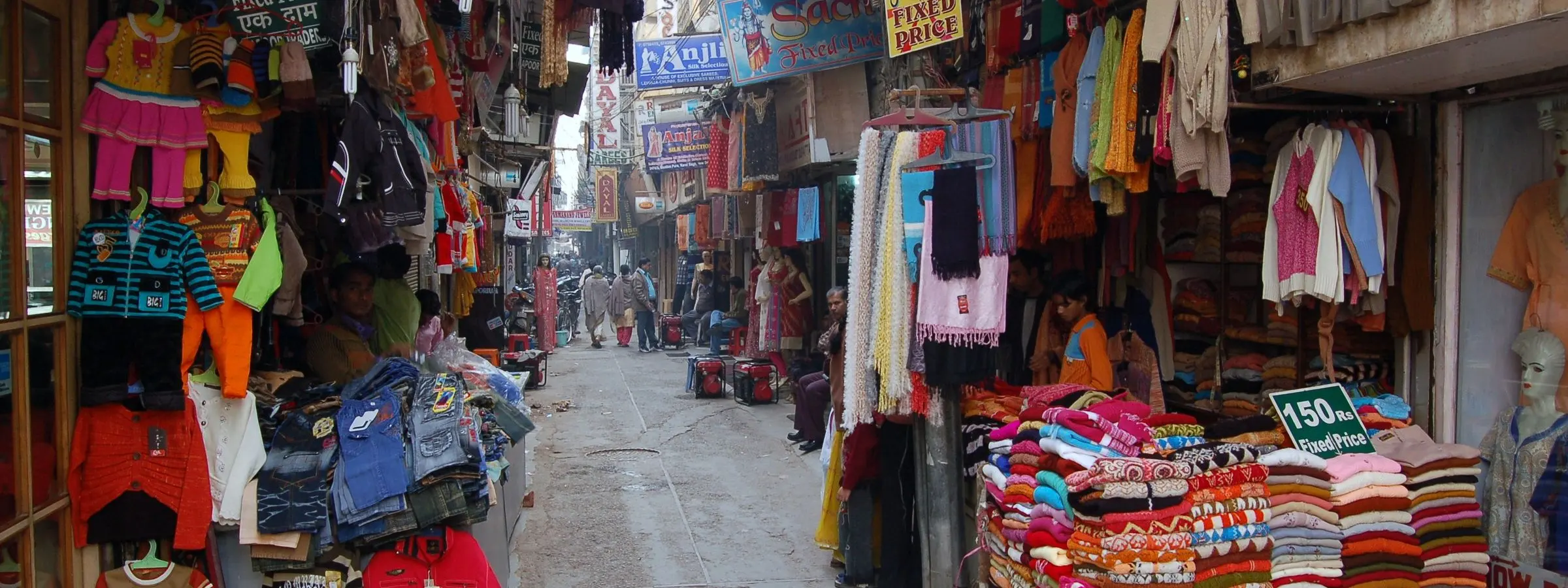
We work as a wholesale garments supplier for Delhi NCR retailers from Gandhi Nagar, the readymade-garments wholesale market in East Delhi. NCR shops can see samples with us in person and plan their lots around the region’s winter, festivals and weddings.
How NCR shops buy from us
- See samples
- In Gandhi Nagar, East Delhi
- Pricing
- By the piece; freight to be confirmed
- Invoice in Delhi
- CGST and SGST
- Haryana and UP shops
- IGST, wherever the lot is collected
- Winter lots
- Specified in August, shelved by late October
- Handover
- In Gandhi Nagar, to your transporter
GST rates are stated at the time of writing; each quotation confirms the rate, and your advisor confirms place of supply.
In short
- A wholesale garments supplier for Delhi NCR retailers sources readymade garments in Gandhi Nagar and supplies them by the lot, quoted by the piece.
- NCR retailers can compare sourced samples side by side in Gandhi Nagar and approve one in person, rather than deciding from photographs.
- Delhi’s winter is short, so jackets, sweatshirts and thermals should reach NCR shops by late October, which means specifying winter lots in August.
- A Delhi retailer’s garment invoice carries CGST and SGST, while a shop in Gurugram, Noida, Ghaziabad or Faridabad receives an IGST invoice.
- Kavita Enterprises packs each lot in Gandhi Nagar and hands it to the retailer’s nominated transporter or vehicle, with the tax invoice and packing list.
As a wholesale garments supplier for Delhi NCR retailers, we offer what no distant supplier can: a market a short drive from your shop. We source readymade garments in Gandhi Nagar, East Delhi, and you see the samples with us before any lot is bought.
That changes how an NCR shop buys. You can compare samples side by side in daylight, approve one across the table, and leave the legwork to us: comparing manufacturers, assembling the size ratio, counting and checking the pieces against the sample.
We do not make garments. Lots are sourced from manufacturers in the market, and private label is produced through partner units; what we add is the buying, the checking and one tax invoice for the lot.
Which NCR retailers buy their lots through us?
Shops that restock often and cannot spend days in the market: neighbourhood garment shops in Delhi’s colonies and urban villages, shops in the region’s towns from Ghaziabad and Faridabad to Sonipat and Meerut, vendors at Delhi’s weekly markets, and boutiques in Gurugram and South Delhi.
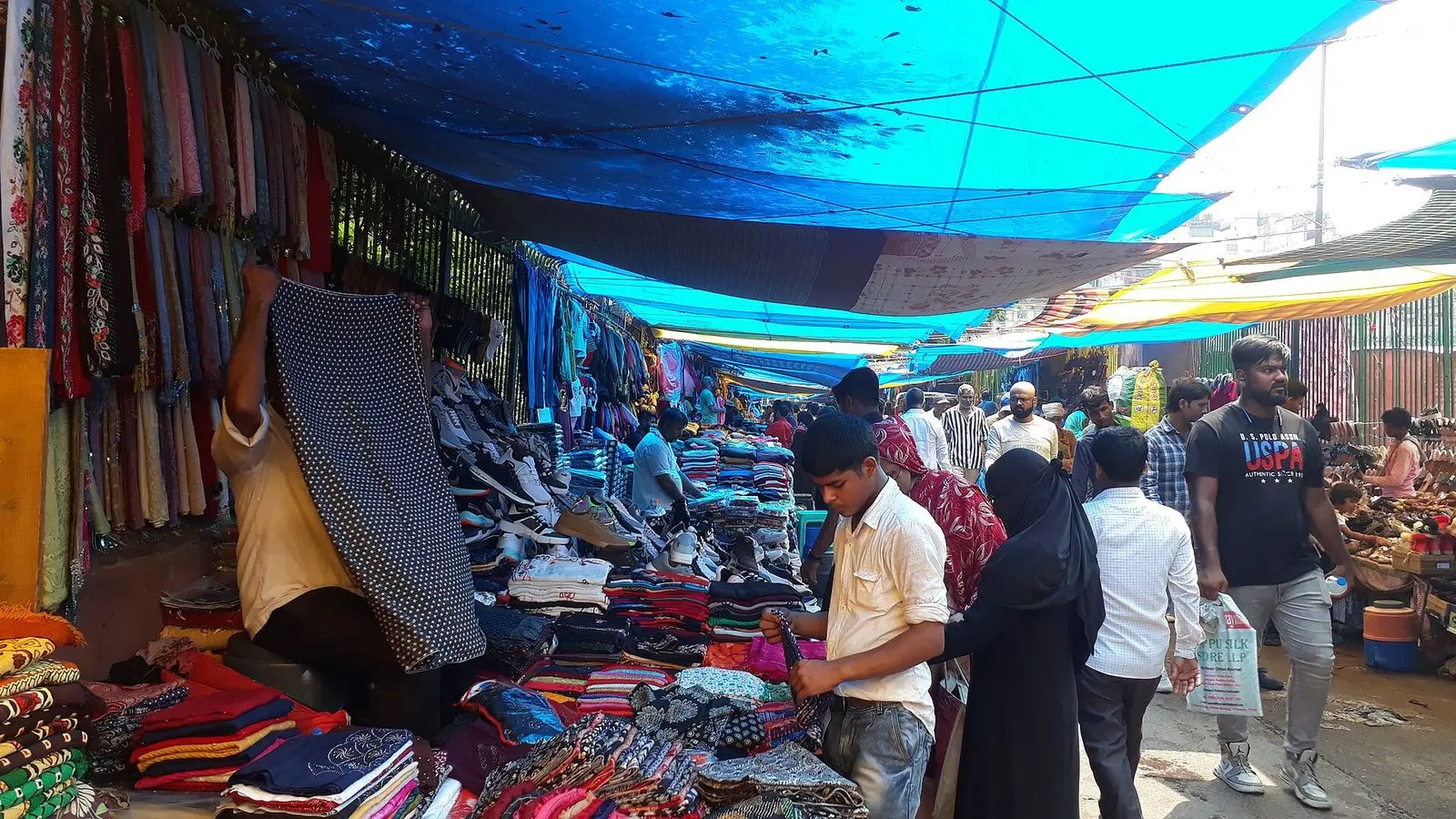
Each buys differently. A colony shop needs a steady run of the same basics in its customers’ sizes; a weekly-market vendor wants assorted sets that can be split across the week’s markets; a boutique mixes a few occasion pieces with everyday wear.
Shops in the region’s towns often know their customers’ sizes closely, and that knowledge belongs in the size ratio. Tell us what sold through and what sat on the shelf last season, and the lot is built from that.
Retailers who also sell online need lots that support a listing as well as a shelf. For them, marketplace account management in Delhi NCR runs the selling side, with size charts measured from the sample you approved.
How should NCR shops plan seasonal lots?
Backwards from the day the goods must be on your shelf. Delhi’s year has a hot summer, a festive run from Navratri to Diwali, a short sharp winter and a long wedding season, and each one needs its lot specified well before it starts.
| Season | What NCR shops stock | Start the brief |
|---|---|---|
| Holi | White and light kurtas, cotton basics | December |
| Summer and school holidays | Cotton shirts, T-shirts, nightwear, kidswear | January to February |
| Navratri, Karva Chauth, Diwali | Kurtis, suits, family festive wear | June to July |
| Winter | Jackets, sweatshirts, thermals, warm kidswear | August |
| Wedding season | Kurta sets and ethnic wear for guests | August to September |
The monsoon months are a quieter stretch for many NCR shops, and the right time to settle festive and winter briefs, while the market still has time for samples and your counter has time for decisions.
These are the months to start talking, not delivery promises. Sampling, approval, sourcing and checking all sit between your brief and your shelf, and the quotation gives the dates once the specification is settled.
Winter needs the most care. Jackets, sweatshirts and thermals sell from late October into January, and a winter lot that arrives in late November has already lost the first cold weeks; one that arrives in January is clearance stock.
Festive lots follow the same logic a few months earlier. Kurtis and suits for Karva Chauth and Diwali should be approved from samples in July, and our page on wholesale kurtis from Delhi covers how those lots are specified.
How do samples work when you can visit?
Better than at a distance, because you can compare. We source a few candidates against your brief and lay them out side by side in Gandhi Nagar, so fabric weight, shade, stitching and fit are judged in the hand, not on a screen.
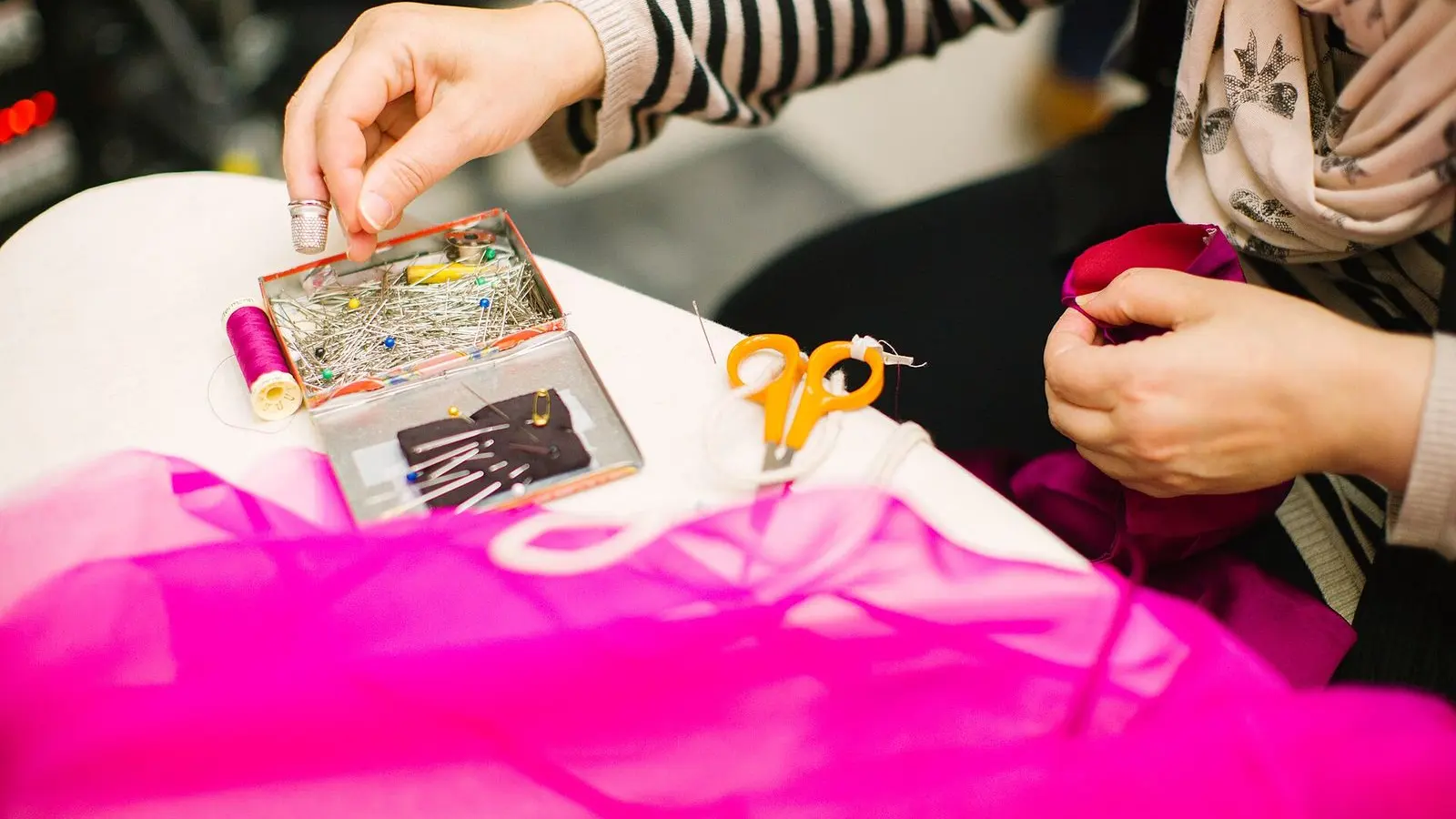
Bring the piece that sells in your shop, your own size chart if you use one, and last season’s sales by size. With those on the table, the approval takes one visit rather than several rounds of photographs.
The approved sample is signed, dated and kept, and the lot is checked against it before packing. Reorders are matched to the same sample, which matters to a colony shop whose customers notice when a regular style changes.
Sometimes none of the candidates is right. Then we say so, source again against a sharper brief, or tell you plainly that the market is not making that style this season, which is worth knowing before you plan a shelf around it.
When you want a style matched rather than chosen from what the market holds, the work runs through our garment sourcing in Delhi service, with the same visit and the same signed sample.
Should NCR shops buy in the market themselves?
Sometimes, and we would rather say when. If you know the lanes, buy the same few styles every week and can spare the mornings, buying in Gandhi Nagar yourself makes sense for small restocks, and many NCR shopkeepers do exactly that.
Buying through us earns its place in other cases: a new category whose sources you do not know, a size ratio assembled from several manufacturers, or a lot that must match a signed sample.
It also earns it in the festive weeks, when the lanes are crowded and the stock worth having goes early.
Either way the market is the same. What changes is who spends the time comparing, counting and checking, and whose name is on the tax invoice when a piece is short or a shade is wrong.
Which GST lines will an NCR retailer see?
A Delhi shop’s invoice carries CGST and SGST; a shop registered in Haryana or Uttar Pradesh, from Gurugram to Ghaziabad, receives IGST. That holds even when you collect the lot in Gandhi Nagar, because the place of supply is usually where the goods’ movement ends.
The rate depends on our sale value per piece. At the time of writing, readymade garments carry 5% up to ₹ 2,500 a piece and 18% above it; the GST Council’s September 2025 rate changes set those rates, and your quotation confirms the rate.
The threshold applies to each sale separately, which matters for winter stock. Illustration: a jacket bought at ₹ 1,500 a piece carries 5% on our invoice. If your shop sells it at ₹ 3,000, your own sale is above ₹ 2,500 and carries 18%.
Price your winter range with that in mind and check it with your advisor; our note on GST on readymade garments works through the threshold line by line.
Can NCR shops restock a style mid-season?
Yes, and nearness is what makes it work. A shop in the NCR can start a season with a smaller first lot of a new style and restock the sizes that sell, instead of committing the whole season’s money to one guess in August.
Repeat lots are matched to the signed sample and the specification we keep, so the second lot looks like the first.
Tell us as soon as a style starts to move. In the festive and winter weeks, a style that sells in your shop is selling elsewhere too, and the market’s stock of it can run out.
Which other dates move NCR garment sales?
Beyond Diwali and the winter, the region buys new clothes for a string of occasions that differ by neighbourhood. A shop’s lot plan should follow the occasions its own customers keep.
- Eid. Kurta pyjamas for men and boys and festive wear for the family, on dates that move earlier each year with the lunar calendar.
- Lohri. Warm wear and festive clothes for Punjabi families, many of them in West Delhi, in the coldest weeks of January.
- Chhath. New clothes for Purvanchali families across the region, a few days after Diwali, when festive stock is already thin.
- Christmas and New Year. Party wear and winter layers for boutiques in South Delhi and Gurugram.
How does a lot reach an NCR shop?
From Gandhi Nagar, in the vehicle or with the transporter you nominate. Many NCR shops send their own goods vehicle, so tell us its size before packing; bales packed for a truck may not suit a small carrier.
Each lot leaves with the tax invoice and a packing list that matches the markings, bale by bale. Lots crossing into Haryana or Uttar Pradesh carry an e-way bill where the consignment’s value calls for one.
When the lot arrives, count the bales against the packing list before the vehicle leaves, and tell us at once if anything is short or damaged, with photographs. A shortfall raised on arrival is settled far more easily than one found a week later.
Packing follows how your shop sells. A colony shop shelving by size wants bundles by size; a weekly-market vendor wants assorted sets that can be split by day. Say which before packing starts, because repacking at the other end costs you a morning.
What do NCR shops buy most from us?
Everyday wear, which is what Gandhi Nagar trades in: men’s shirts and T-shirts, women’s kurtis and suits, kidswear and winterwear. Each category has its own page on how a lot is specified.
- Wholesale shirts and T-shirts in Delhi, by fabric, fit and size ratio.
- Wholesale kidswear, sized by age band for the summer holidays and the winter.
- Kurtis and suits for the festive run, through the women’s ethnic wear page above.
Indicative per-piece rates by line are on the wholesale garment rate card; the quotation for your lot sets the rate. How we supply in general is on our wholesale garments page, and the region’s wider picture on our page for ecommerce services in Delhi NCR.
To start, send the garments, quantities and sizes you need with the date they must be in your shop, or tell us when you can bring a piece to Gandhi Nagar.
Lots, samples and labels
Readymade lots by the piece
Everyday menswear, womenswear and kidswear sourced in Gandhi Nagar and checked against the sample you approved.
Styles matched to your bestsellers
A style that sells in your shop, matched in fabric, fit and price band from Delhi’s manufacturers.
Your own label
Private label through partner units, with your woven label and hangtag, for NCR boutiques building a name.
Kurtis and suits for festivals
Women’s ethnic wear lots planned for Navratri, Karva Chauth and Diwali, sampled in summer.
Shirts and T-shirts
Men’s shirts and T-shirts by the lot, in the size ratio your counter sells through.
Kidswear for school holidays
Children’s wear sized by age band, planned for summer holidays, festivals and the winter.
Questions NCR retailers ask about lots
Can I see garment samples in Gandhi Nagar before ordering?
Is there a wholesale garments supplier near Noida or Ghaziabad?
Why is my invoice IGST when I collect the lot in Delhi?
When should Delhi shops order winter jackets wholesale?
Do you supply weekly market vendors in Delhi?
Can you match a style that sells well in my Lajpat Nagar shop?
Can my Gurugram boutique get its own label on garments?
What GST do I charge when I sell a jacket above ₹ 2,500?
More of our work in this city
The same service in other cities
Bring your reference piece to Gandhi Nagar.
Send the garments, quantities, sizes and the date you need them in your shop, or bring a piece that sells. We reply with our questions and a time to see samples in Gandhi Nagar.