Delhi garment lots for Indore shops
We work as a wholesale garments supplier for Indore retailers and the stockists who supply the Malwa towns, sourcing readymade lots in Gandhi Nagar, New Delhi. Each lot is sampled first, quoted by the piece and handed to your transporter.
What a Delhi lot means for Indore
- Buyers
- Indore retailers and Malwa stockists
- Lines from Delhi
- Kurtis, shirts, denim, kidswear, kurtas
- Peaks to plan
- Navratri, Diwali, weddings, Holi week
- Packing
- Solid packs or your resale assortments
- Tax on the invoice
- IGST on its own line
- Freight
- To be confirmed with your transporter
In short
- Indore retailers can source readymade garment lots from Delhi’s Gandhi Nagar market without travelling: samples first, a per-piece quotation, then handover to their transporter.
- An Indore stockist that supplies smaller Malwa towns should specify a Delhi lot in the assortments it resells, so bales split without recounting.
- Holi and Rang Panchami open a short window for white kurtas in Indore, so that lot is briefed early and sized for whole families.
- Indore’s garment year runs on Navratri, Diwali and the wedding months, with central India’s hot summer and cold winter months between them.
- Garments sent from Delhi to Madhya Pradesh generally carry IGST on its own line, which a registered Indore retailer can claim as input tax credit.
As a wholesale garments supplier for Indore retailers, we source readymade lots in Gandhi Nagar, East Delhi’s garment wholesale market, for counters in Indore and for the stockists who supply the Malwa towns around it. Every lot is sampled first and quoted by the piece.
Indore buys garments as it buys most goods: in quantity, through stockists, distributors and retailers whose trade reaches well beyond the city. A Delhi lot has to fit that chain, from the bale in your godown to a shelf in a smaller town.
What Indore retailers buy from Gandhi Nagar
Indore retailers buy Delhi lots for the everyday lines that turn fastest on their counters: kurtis and kurta sets, men’s shirts and T-shirts, denim and bottoms, and kidswear. Festive lines join them before Navratri and Diwali, and white kurtas before Holi.
Gandhi Nagar suits that mix: it trades readymade garments of many kinds by the lot, and its traders specialise by product. One brief to us can cover several lines that would otherwise mean several suppliers, and as many invoices to match in Indore.
What Delhi does not replace is Indore’s own trade. If a line is available nearer to you at a better rate, we say so; a Delhi lot earns its place by filling a gap in your range, not by duplicating a supplier you already trust.
Buying for the Malwa towns Indore supplies
An Indore stockist buys for the shops it supplies across Malwa, so its Delhi lot has to break down into the assortments those shops order. Give us the split before packing, and each bundle arrives ready to send on without being opened and recounted.
- Assortments by onward buyer. A full ratio set per bundle suits a town shop that shelves what arrives; solid packs suit your own godown, where you sort stock yourself.
- Marks that survive two journeys. Each bundle marked with its style, colour and size breakup, so it is checked once in Indore and again at the town counter.
- Two price bands in one lot. Smaller towns can buy at a lower price band than the city, so one style can come in two fabric qualities, each quoted on its own line.
- Clean invoice lines. Each line on the tax invoice matches a line on the packing list, which makes your own onward billing simpler.
For an Indore stockist’s first assorted lot, our page on wholesale garments supplied by the lot explains solid and assorted packing, and how a size ratio builds a set.
Pricing a lot that passes two margins
A lot an Indore stockist sells on to a town retailer carries two margins before it reaches a shopper. Work its price band back from the shelf: the town shop’s price, less its margin, less yours, is the per-piece rate to brief.
Give us that rate as a band rather than a single figure, and we tell you what it buys: the fabric, construction and trims the band allows, and where a cheaper fabric would change the garment more than a Malwa shopper would accept.
If the garments carry an MRP, settle it before tags are printed. The MRP on a packaged garment is a Legal Metrology declaration that must suit the city counter and the town shop, and a wrong one across a lot is slow to fix.
Before you brief a new line, the wholesale rate card gives indicative per-piece rates and minimums, which is usually enough to tell whether the band is realistic for Indore’s two-step trade.
Planning lots for Navratri, Diwali and weddings
Plan Indore’s garment lots backwards from Navratri, then Diwali, then the wedding months. Each lot needs its samples approved and its bales with the transporter early enough to reach your counter, and your Malwa customers’ counters, before the buying starts.
| Occasion | What Indore counters sell | Put in the brief |
|---|---|---|
| Navratri | Festive kurtas, kurta sets, kidswear for the garba nights | Sizes in depth, bright colours, a sample per colour |
| Diwali | New clothes for the family: shirts, kurtis, denim, kidswear | Quantities for your stockist orders as well as the counter |
| Wedding months | Kurta sets, occasion kurtis, men’s shirts, children’s occasion wear | Fabric and work described, swatches for each shade |
| Holi and Rang Panchami | White kurtas and kurta pyjama sets for every age | The shade of white, fabric weight, a family size spread |
| Winter | Sweatshirts, warm kurta sets, children’s winter pieces | A lot timed for the first cold weeks |
Garba is played in Indore through the nine nights, and kurtas and kidswear for it sell in the fortnight before the first. A lot that reaches you after the first night has missed most of its season, and the stockists you supply have missed theirs.
Diwali is when Indore families buy new clothes for everyone, and when your stockist customers want their lots too. Brief both together, so the Delhi lot is assembled once in the assortments each buyer needs, rather than twice in a hurry.
Children’s sets cut across every one of these dates. Our page on kidswear covers sizing by age band, which matters most when one lot serves a city counter and town shops at once.
White kurtas for Holi and Rang Panchami
Indore plays Holi, then plays again at Rang Panchami a few days later, and white kurtas are bought to be worn into the colour. It is a short window for a simple garment, which makes the specification matter more, not less.
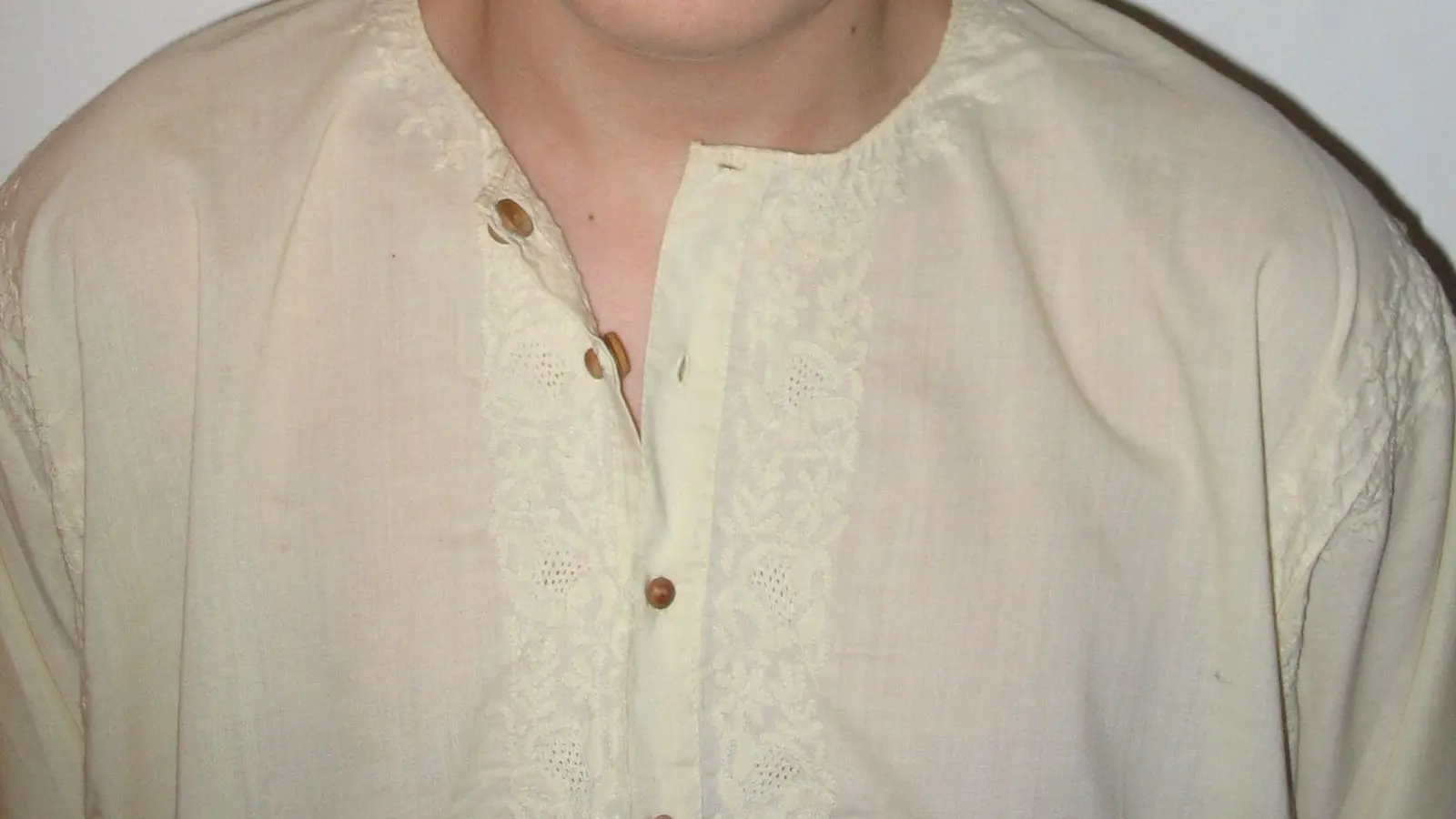
- The white itself. Optical white and natural off-white look different side by side; choose one and keep the whole lot to it.
- Fabric weight. A light cotton suits the heat of March, but a kurta that is too sheer turns transparent once it is wet.
- Sizes for the family. Children, women and men all play, so the ratio runs from kids’ sizes to large adult sizes, not one adult set.
- Kurta alone or a set. Say whether each kurta comes on its own or with a pyjama or churidar, and pack the set together.
Rang Panchami’s colour is played in the streets, and many buyers want a kurta they will not mind losing to it. Price the line for that use: a sturdy plain cotton at a modest rate outsells a finer fabric nobody wants to stain.
Because the window closes when Rang Panchami ends, plan the quantity from last year’s sell-through rather than hope. White kurtas left over in Indore wait for next Holi, or sell slowly through the summer.
Summer cottons and winter layers for central India
Central India runs hot from March and cold in winter, so an Indore lot should follow the weather as well as the festivals: cottons and light blends for summer, layers for the cold, and each changeover planned before it arrives.
In summer, ask for the fabric weight and composition on every line, because a kurti or shirt that feels heavy in May stays on the shelf. In winter, sweatshirts and warm kurta sets need to reach Indore before the first cold weeks, not after them.
For a line your Indore counter already sells well, our sampling and sourcing work looks for a close match in Delhi before the season, so the repeat is ready when the weather turns.
Samples, checks and handover for an Indore lot
Every Indore lot starts from a sample that reaches you before anything is bought, with photographs and a measurement sheet, on the sample terms written in the quotation. You approve in writing, and the lot is checked against that sample before it is packed.
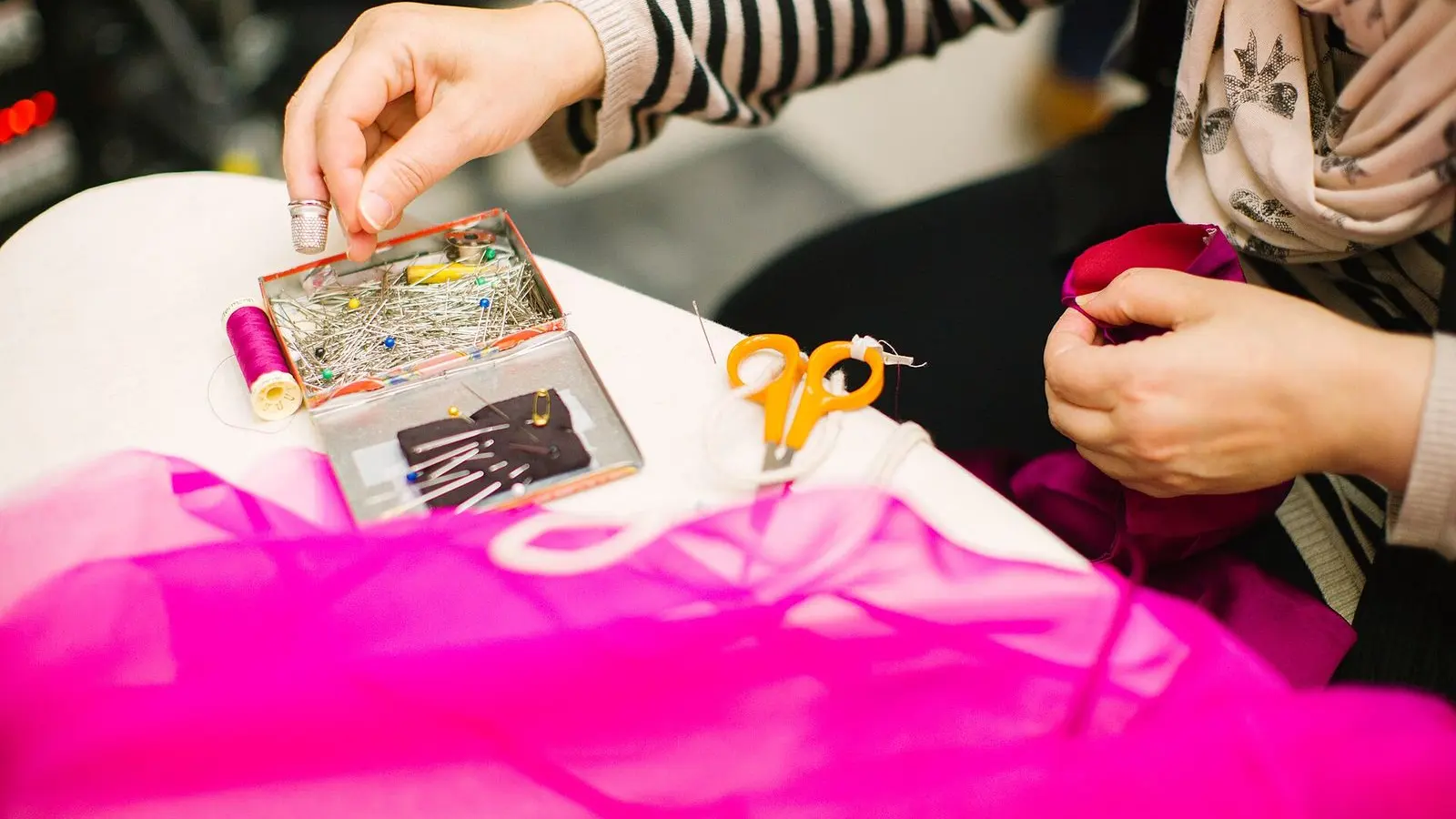
Before packing, pieces are counted by style, colour and size, measured, compared for shade across bundles and inspected. If any are pulled out and the count falls short, you hear before the bales leave Delhi, in time to adjust your Malwa orders.
The packed lot is handed to your transporter in Delhi with the tax invoice and the packing list. Transit to Indore, and insurance on the way, are agreed between you and the transporter.
IGST and documents on the way to Indore
Garments supplied from Delhi to Madhya Pradesh are an inter-state supply, so the tax invoice will generally show IGST on its own line rather than CGST and SGST. A registered Indore buyer can claim it as input tax credit; confirm the treatment with your advisor.
At the time of writing, the GST rates for readymade garments are 5% on a piece whose sale value is up to ₹ 2,500 and 18% above, from 22 Sep 2025. A lot mixing white kurtas and festive sets can carry both.
An e-way bill accompanies the consignment where the GST rules require one, and the quotation reads “Freight to be confirmed” until your transporter prices the Indore route. Our note on GST on readymade garments explains how the threshold is read.
Your first Indore order, step by step
A first order from Indore runs in four steps, all handled at a distance from our only office, in Gandhi Nagar, New Delhi:
- Write the brief. Lines, quantity per style and colour, size ratio, price band, and whether the lot is for your counter, your stockist customers or both.
- Approve the samples. Sourced in Gandhi Nagar and sent to you with a measurement sheet and photographs.
- Confirm the quotation. Per-piece rates, IGST on its own line and freight to be confirmed; nothing is bought until you confirm in writing.
- Receive the lot. Checked, packed to your assortments and handed to your transporter for Indore.
Send the brief through our contact page, with the lines, quantities and dates. If your shop also sells online, our page on ecommerce services in Indore covers marketplaces and listings for Indore businesses.
If you would rather see the market for yourself on a first order, our guide to buying wholesale in Gandhi Nagar is a checklist for the visit, and every repeat can then be bought from Indore.
Garment supply for Indore, run from Delhi
Ready lots, packed to resell
Lots sourced in Gandhi Nagar and packed in the assortments an Indore stockist sells on to Malwa shops.
Men’s shirts and T-shirts
Men’s shirts and T-shirts for Indore counters, specified by fabric, fit and size ratio, sampled before you confirm.
A proven style, matched
A style that sold through in Indore, matched in the Delhi market and sampled before the reorder is placed.
Kidswear for festive weeks
Children’s sets for Navratri, Diwali and Holi, sized by age band and sampled before the lot is bought.
Indicative rates first
The rate card gives per-piece rates by line, so an Indore buyer can check a price band before briefing.
Questions Indore buyers ask us
Where can I buy wholesale garments in Delhi for my Indore shop?
Can you pack a lot in assortments for the shops I supply?
Is GST on garments from Delhi charged as IGST for Indore?
When should I order Diwali stock for my Indore shop?
Can I buy white kurtas in bulk for Holi and Rang Panchami?
Do I need to come to Delhi to buy from you?
How are garment lots sent from Delhi to Indore?
Can I get the same style again next season?
The same service in other cities
Tell us what Indore needs from Delhi.
Send the lines, quantities, size ratio and whether the lot is for your counter or your stockist customers. We reply with questions or a sample plan, then a quotation by the piece.